


You’ve probably heard the phrase “all things work together for good” quoted in sermons, on social media, or in the middle of a tough conversation. It sounds comforting, but when life gets messy—loss, sickness, betrayal, uncertainty—you naturally wonder: what does this really mean? Does it promise that everything will turn out exactly the way you want? Is it a guarantee that pain will vanish overnight? Or is it a deeper, steadier truth you can stand on when the world feels out of control?
In this article, you’ll explore the meaning of this famous promise from Scripture, the context in which it was written, practical ways to live it out, common misunderstandings to avoid, and related passages that help clarify what God is promising. By the end, you’ll have tools to anchor your faith during uncertain seasons and to apply this truth in everyday life.
The Bible Verse Explained
Start by reading the verse clearly so you know exactly what’s being discussed:
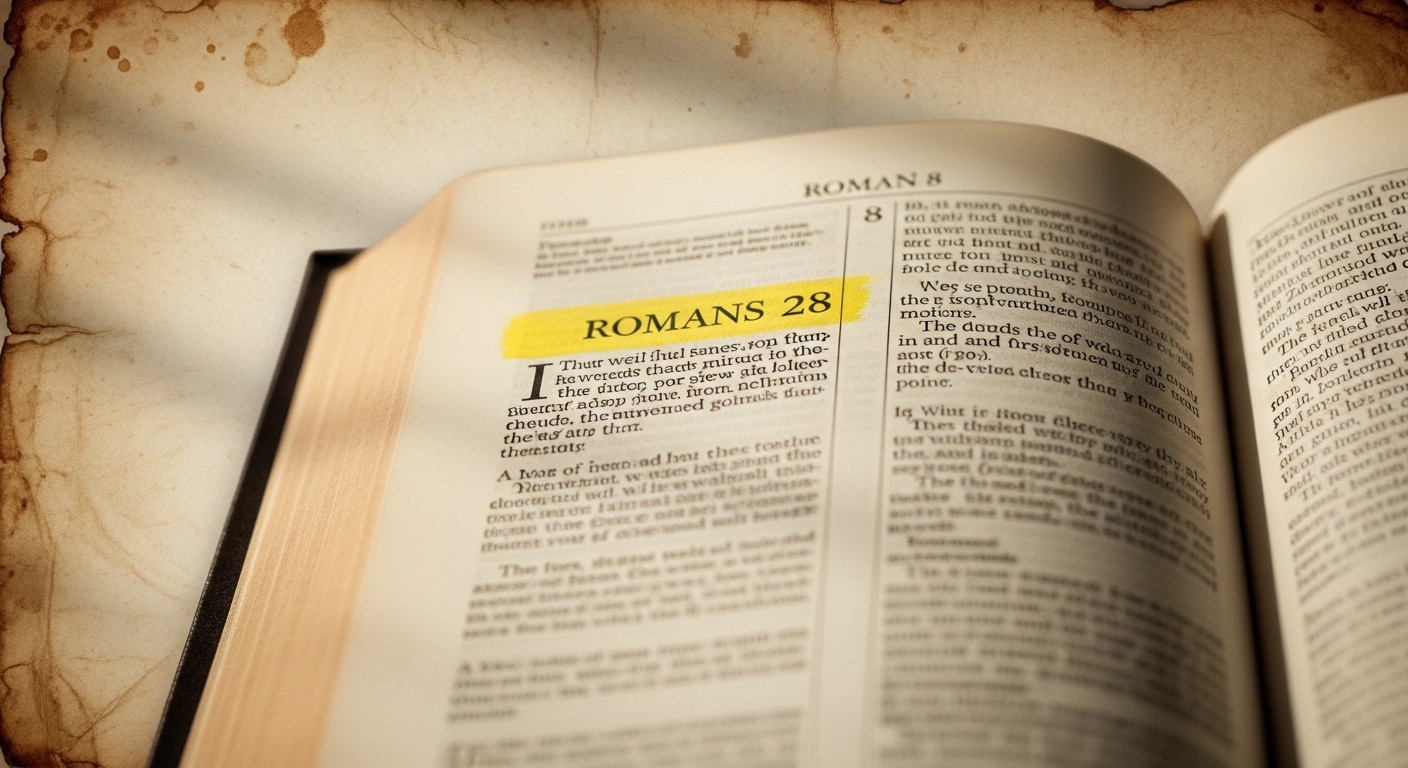
“And we know that in all things God works for the good of those who love him, who have been called according to his purpose.” — Romans 8:28 (NIV)
Who wrote it
This verse comes from the Apostle Paul, one of the most influential leaders in the early church. Paul wrote letters to various churches and individuals to teach, correct, and encourage them. Romans is one of his most theological and comprehensive letters, written to explain the gospel, human sinfulness, justification by faith, sanctification, and God’s plan for both Jews and Gentiles.
To whom it was written
Paul addressed the letter to the believers in Rome—a diverse group that included Jewish Christians and Gentile converts. These were real people living under Roman rule, facing social pressures, potential persecution, theological tensions, and the everyday struggles that come with following Jesus in a complex world.
The historical setting
Romans was likely written around A.D. 57–58 while Paul was in Corinth, shortly before his trip to Jerusalem. The Roman church was not founded by Paul directly, so his letter served as an introduction and a comprehensive theological anchor for a church dealing with unity, identity, and how to live out the gospel amid cultural and religious differences.
Romans 8 sits within a larger section of the letter that addresses life in the Spirit, suffering, and God’s ultimate victory. Immediately surrounding verse 28 are passages about present suffering and future glory (for example, see Romans 8:18 and the triumphant chain in Romans 8:29–30). Paul is writing to reassure believers that their suffering is not purposeless; God is at work even in hardship.
The key message of the passage
At its core, Romans 8:28 is an assurance of God’s providential care for those who love Him. It teaches that God is actively involved in the lives of believers—working through circumstances, even painful ones—to bring about a greater good that aligns with His purposes. That “good” is not always immediate comfort or worldly success; it’s the deeper spiritual good of conforming believers to the image of Christ, strengthening faith, and securing eternal hope.
What Does This Verse Really Mean?
You can read the words and nod along—but to live them out, you need to unpack their deeper meaning. Here are three ways to understand what Paul is teaching.
1. Understanding the Message of the Verse
When Paul writes that “in all things God works for the good,” he is making a profound claim about God’s sovereignty and benevolent action. The phrase “in all things” is sweeping: it includes joys and triumphs, yes, but it also includes trials, setbacks, injustices, and suffering. Paul’s point is not that everything is good in itself, but that God can and does weave even painful events into a larger tapestry that accomplishes His purposes for those who love Him.
Importantly, the verse is conditional in a relational way: it applies to “those who love him, who have been called according to his purpose.” This grounds the promise in a relationship with God. It’s not a universal law that guarantees material prosperity to anyone. Instead, it’s an assurance to people who are in a covenant relationship with God—people who respond to God’s calling and love Him.
“Good” in this context is best understood spiritually and teleologically: it’s about being shaped into the likeness of Christ and living into God’s redemptive story. The highest good is not comfort or success alone—it’s ultimate transformation, faithfulness, and the fulfillment of God’s redemptive plan.
2. Trusting God’s Wisdom and Guidance
This verse calls you to trust God’s wisdom and timing. Trust doesn’t mean passivity; it means confidence that God knows the beginning and the end and is committed to the ultimate flourishing of those who are His. Trusting God doesn’t require you to understand every twist in your story; it asks you to believe that He can use what happens—even what hurts—to accomplish His purposes.
Trust is practical and often tested. You trust God not simply with nice things, but with the messy realities of life: health struggles, relational breakdowns, financial strain, and grief. As you practice trust, you learn to interpret life through the lens of God’s sovereignty rather than panic or despair.
3. Living Out This Truth in Everyday Life
Understanding the doctrine is one thing; living it is another. When you believe that God works all things for good, your responses shift. You pray with expectation, not as a last resort. You persevere through hardship with a sense that suffering can be meaningful. You become a person who can comfort others with genuine hope because you’ve tasted resilient hope yourself.
Living this truth also fosters humility: you recognize that God’s ways are higher than your ways, and you become less inclined to demand immediate explanations. Practically, this means choosing obedience over convenience, mercy over bitterness, and active faith over anxious control.

Why This Verse Still Matters Today
This promise isn’t just an ancient consolation; it’s intensely relevant to your life now. Here are several ways the message of Romans 8:28 speaks into modern challenges.
Faith during uncertainty
You live in a world characterized by unpredictability—job changes, health crises, social upheaval. Romans 8:28 helps you reframe uncertainty not as the absence of God but as potential ground for God’s work. This doesn’t remove the pain but places it within a larger narrative where God is actively involved.
Trusting God in difficult seasons
When you face seasons of loss or disappointment, the verse invites you to a posture of trust. That trust is not wishful thinking; it’s a reasoned confidence that God brings purpose out of pain. It gives you the courage to keep loving, serving, and moving forward even when outcomes are unclear.
Spiritual growth
One of the deepest ways “all things work together for good” matters is through sanctification—God’s process of making you more like Jesus. Trials can refine your character, reveal dependence on God, and deepen compassion. As you face challenges, you may find your faith maturing in unexpected ways.
Encouragement from Scripture
Scripture gives you witness after witness of God using hardship for redemptive purposes—the story of Joseph, the exile of Israel, and even the suffering and resurrection of Jesus Himself. Romans 8:28 connects your specific struggles to this grand story, assuring you that you are part of a larger redemptive work.
How to Apply This Verse in Your Life
Theory becomes life-changing when translated into practical habits. Here’s how you can apply Romans 8:28 today to build faith and resilience.
1. Reflect on God’s Word Daily
Make Scripture reading and meditation a daily rhythm. As you regularly immerse yourself in God’s promises, you’ll begin to see patterns of God’s faithfulness across Scripture that help you interpret your life through His lens. Daily reflection anchors your perspective and enables you to name God’s activity in small moments.
Tips:
- Choose passages that speak to suffering and hope (like parts of Romans, Psalms, and the Gospels).
- Journal what you notice about God’s character and how He’s worked in your life.
2. Pray for Wisdom and Guidance
Prayer is not a magical incantation that guarantees immediate relief, but it’s your lifeline to God. Pray specifically: ask God to reveal how He might be working through your circumstances and to give you wisdom to respond. Honest prayer includes lament—bringing your pain and confusion to God—while still trusting Him.
Tips:
- Be specific in prayer about your fears and desires.
- Pray for eyes to see God’s hand at work, not merely for the removal of difficulty.
3. Trust God Even When Life Feels Uncertain
Trust grows by practicing it. When circumstances feel unstable, take intentional steps of faith: submit a worry in prayer, choose an act of service, forgive someone you don’t feel like forgiving. These actions demonstrate trust in God’s sovereignty and invite Him to work through you.
Tips:
- Keep a list of past experiences where God worked for your good to strengthen your memory of His faithfulness.
- Share your struggles with mature Christians who can encourage you.
4. Live Out Your Faith Through Action
Belief without action is limited. Let your trust in God translate into obedience: love your neighbor, give generously, serve in your community, and care for those who are hurting. Often, God uses your faithful actions in hard seasons as the very means by which He brings good to you and to others.
Tips:
- Identify one practical way to serve during a personal trial (e.g., mentoring, volunteering, or simply listening).
- Celebrate small signs of growth and gratitude as evidence that God is working.

Common Misunderstandings About This Verse
Because Romans 8:28 is often quoted, it’s also frequently misunderstood. Here are common errors and how to correct them.
Taking the verse out of context
Some use Romans 8:28 as a universal guarantee that everything will always work out exactly how you want. Context matters: Paul is writing to believers in the middle of a theological argument about suffering, hope, and God’s purposes. The promise is for those who love God and are called according to His purpose—not a catch-all formula for immediate personal gain.
Misunderstanding the promise
“All things” does not mean every event is good in itself. Evil and suffering are real. The verse teaches that God can bring good out of evil, not that He directly causes evil. It’s a promise of providential redemption, not moral endorsement of suffering.
Applying the verse incorrectly
Some expect that confessing the verse will remove all consequences or guarantee material prosperity. That’s not the promise. The good God promises is ultimately tied to spiritual transformation and conformity to Christ. You may still suffer consequences in this life, but God can use even those consequences to guide you toward growth and deeper dependence on Him.
Timing assumptions
Another mistake is assuming the “good” will be immediate. God’s timing and metrics are different from yours. Sometimes the good becomes clear only in hindsight or in eternity. Patience and endurance become part of the faith you are being asked to exercise.
Bible Verses Related to This Passage
Here are five supporting verses that help illuminate Romans 8:28. Click each to read the exact passage in the NIV on Bible Gateway.
• Proverbs 3:5–6 — These verses encourage you to trust in the Lord with all your heart and not lean on your own understanding, promising that God will direct your path. They pair well with Romans 8:28 by reinforcing the call to trust God’s guidance.
• Romans 8:28 — The central verse under discussion. Read it in context with the surrounding verses to see Paul’s broader argument about suffering and hope.
• Hebrews 11:1 — “Now faith is confidence in what we hope for and assurance about what we do not see.” This verse helps shape how you hold to promises like Romans 8:28 amid uncertainty.
• Psalm 37:5 — “Commit your way to the Lord; trust in him and he will do this.” This psalm encourages committing your circumstances to God’s care, a practical posture when you claim Romans 8:28.
• Jeremiah 29:11 — “I know the plans I have for you,” declares the Lord, “plans to prosper you and not to harm you…” This verse, like Romans 8:28, reassures God’s intention to bring about your ultimate good, even when circumstances are uncertain.
Frequently Asked Questions About This Verse
These short answers help clarify common queries and are great for quick reference.
What does this verse mean in simple terms?
In simple terms: if you love God and belong to Him, God is at work in everything that happens in your life—good and bad—to bring about what is ultimately best for you, especially your growth in Christ.
Who wrote this verse in the Bible?
The Apostle Paul wrote Romans, including Romans 8:28, to the Christians in Rome, explaining themes of salvation, sanctification, and God’s sovereignty.
What is the main message of this verse?
The main message is God’s providential care: He is actively working in all aspects of life for the spiritual good of those who love Him and are called according to His purpose. This includes using suffering and setbacks for redemptive ends.
How should Christians apply this verse today?
Christians should apply this verse by trusting God amid trials, staying rooted in Scripture and prayer, practicing obedience and service, and seeking to see how God might use hard circumstances to grow character and faith.
A Short Prayer Inspired by This Verse
Heavenly Father,
Thank You for the wisdom and truth found in Your Word. Help me understand and live out the message of this verse each day. Strengthen my faith, guide my steps, and teach me to trust You more deeply in every season of life.
In Jesus’ name, Amen.
Explore Related Bible Lessons
Other Bible Character Stories
• Life Lessons From Esther: Courage and Trusting God’s Purpose → Explore Esther’s Story
• Life Lessons From Ruth: Loyalty, Faithfulness, and God’s Redemption → Explore Ruth’s Story
• Life Lessons From Hannah: Faith, Prayer, and Trusting God’s Timing → Explore Hannah’s Story
Featured Lesson
• Prayer Practices: A Biblical Guide To Deepening Your Prayer Life → Learn How
Hub Collection
• Life Lessons From Bible Characters: 31 Powerful Examples of Faith and Obedience → Read the Full Collection
Studying the life of Mary, Mother of Jesus, alongside leaders like Esther and Ruth helps you see how God works through different people in different seasons. Mary’s story emphasizes humble surrender, worship, and courageous presence — the same themes of faith, obedience, and trust you see woven through the lives of 31 biblical characters. Explore those stories and let them deepen your own journey of trust and perseverance.
 Continue Growing in Your Faith
If this study of Bible characters encouraged your heart, keep growing with these powerful biblical teachings and devotionals:
• The 9 Fruits of the Spirit Explained (Galatians 5:22–23)
• 10 Biblical Promises of God That Bring Hop
• 12 Daily Christian Habits to Strengthen Your Walk With God
• 7 Daily Prayers for Peace of Mind and Heart – Philippians 4:6–7
• Lessons from Gideon – Trusting God Beyond Our Fear
• Lessons from Joseph – Trusting God’s Promises Beyond Our Lifetime
 These articles will help you continue exploring God’s Word, grow in faith, and apply biblical truths to your life today.
Final Thoughts
Romans 8:28 is a profound encouragement that reshapes how you see suffering. It doesn’t erase pain or promise instant fixes. Instead, it invites you into a trusting relationship with a God who is actively at work, weaving every thread of your life into a story of redemption for those who love Him. When you read this verse in its context—surrounded by the truths of God’s love, the work of the Spirit, and the hope of future glory—you find a promise that steadies your heart and directs your steps.
Let this verse inspire you to grow deeper in faith, to seek God daily, and to live courageously, knowing that your story is not random. Even the hard chapters can be part of a beautiful narrative that glorifies God and shapes you more into the image of Christ.
 Recommended Christian Reading
Jesus and the Woman Caught in Adultery — Grace and Mercy Over Judgment
A powerful retelling of the Gospel of John 8:1–11, exploring forgiveness, mercy, and Christ’s compassion.
If you’re reflecting on spiritual growth and obedience, this story will remind you that transformation begins with grace.


Sponsored recommendation

Acknowledgment: All Bible verses referenced in this article were accessed via Bible Gateway (or Bible Hub).
“Want to explore more? Check out our latest post on Why Jesus? and discover the life-changing truth of the Gospel!”