


You’ve probably heard the phrase “walk by faith, not by sight” in a sermon, a hymn, or whispered in a moment of personal struggle. It’s short, memorable, and packed with spiritual weight—but what does it actually mean for you today? In this article, you’ll explore the background of the verse, unpack its deeper meaning, and discover practical ways to live it out in everyday life. You’ll also find related Scripture, common misunderstandings to avoid, and a short prayer to help you put this truth into practice.
The Bible Verse Explained
Here is the verse clearly presented for you:
2 Corinthians 5:7: “For we live by faith, not by sight.”
To understand this brief but powerful statement, it helps to look at its context and background. The apostle Paul wrote the Second Letter to the Corinthians to the church in Corinth, a bustling port city in Greece, somewhere around the middle of the first century AD. This community was diverse and dynamic—full of converts from different backgrounds, but also marked by conflict, false teaching, and the challenges of living out a new faith in a pluralistic culture.
In chapter 5 of 2 Corinthians, Paul is discussing life in the present age versus life in the age to come. He uses the imagery of an earthly tent versus an eternal dwelling to explain that your current physical life is temporary. He speaks of longing for the heavenly “house” with God and of being confident in God’s reconciling work through Christ. In that flow of thought, Paul writes that you “live by faith, not by sight”—meaning your present life, choices, and identity are guided by trust in God and his unseen promises rather than by immediate sensory evidence or visible circumstances.
The key message of the passage is that a Christian’s orientation is forward-looking and spiritual: your hope, identity, and decisions are shaped by the reality of what God has promised and accomplished in Christ, even when your eyes don’t yet see the full picture. This perspective calls you to trust God’s presence and purposes even in uncertainty.

What Does This Verse Really Mean?
The surface simplicity of “walk by faith, not by sight” hides rich theological and practical depths. Let’s gently unpack the meaning so you can see how it connects to your life.
1. Understanding the Message of the Verse
At its core, the verse teaches that your life’s direction should be governed by trust in God’s revealed truth rather than by reliance on immediate perception. Sight is powerful: your eyes tell you what’s happening now. But sight can be limited, deceived, or only show temporary circumstances. Faith, on the other hand, anchors you in God’s promises—promises that endure beyond what you currently experience.
When Paul encourages you to “live by faith,” he’s not dismissing the value of reason or the senses. Instead, he’s urging you to prioritize God’s ultimate reality over the temporary realities surrounding you. Faith shapes how you interpret events, respond to setbacks, and invest your life. Rather than making decisions solely on visible outcomes or present success, you place your trust in God’s character and the truth of the gospel.
2. Trusting God’s Wisdom and Guidance
Walking by faith means you trust that God knows what you can’t see. It’s an acknowledgment that your knowledge and control are limited, but God’s wisdom is complete. This trust is relational: it grows as you get to know God through Scripture, prayer, and experience.
Practically, trusting God’s wisdom might look like choosing obedience when it’s costly, showing mercy when others don’t deserve it, or taking a step of service with no guarantee of gratitude or reward. You trust that God can use your small acts of faith for his larger purposes, even when immediate results are invisible. This confidence doesn’t come from blind optimism but from a history of God’s faithfulness recorded in Scripture and experienced in the lives of believers.
3. Living Out This Truth in Everyday Life
Living by faith reshapes daily rhythms and decisions. When you make choices based on God’s promises, you invest in what matters eternally: relationships, character, kingdom work, and obedience. Walking by faith affects how you handle failure, fear, finances, relationships, and vocation. It gives you courage to step into the unknown because you believe God is already ahead of you.
In everyday life, this might mean responding to an intimidating opportunity with prayer and action instead of retreat, offering forgiveness when it’s undeserved, or giving generously when scarcity tempts you to hoard. It’s not a once-and-done decision but a posture: you continually orient your life toward God’s unseen reality, letting it shape your visible choices.
Why This Verse Still Matters Today
You might wonder: why does this call to “walk by faith” matter in a modern context where evidence, data, and visible outcomes often define success? It matters because the human experience of uncertainty, loss, and longing remains unchanged. Faith addresses needs sight cannot satisfy.
First, in times of uncertainty—economic upheaval, health crises, relational breakdowns—this verse reminds you that your hope doesn’t rest solely on circumstances. When your plans unravel or your future looks unclear, walking by faith helps you remain steady because your foundation is in God, not in the stability of what you can see.
Second, during difficult seasons, trusting God’s presence provides comfort and direction. You don’t have to pretend everything is fine to obey God; instead, you bring your honest doubts and fears to him. Faith doesn’t erase pain instantly, but it gives meaning and purpose amid suffering because you trust God’s promises about redemption and restoration.
Third, faith fosters spiritual growth. When you choose to trust God in small matters—choosing humility, patience, or generosity—you exercise spiritual muscles that prepare you for larger challenges. Growth often comes not from comfort but from faithfulness in the ordinary.
Finally, the verse offers encouragement from Scripture: believers across history have walked by faith through trials, and their stories testify that God sustains and works through faithful lives. Scripture repeatedly assures you that faith pleases God and that he is faithful to complete the work he begins in you.
How to Apply This Verse in Your Life
Walking by faith isn’t abstract theology; it’s practical, daily living. Here are concrete steps to help you internalize and live out the truth of 2 Corinthians 5:7.
1. Reflect on God’s Word Daily
You grow in faith by knowing the God you trust. Regular reading and meditation on Scripture let you see God’s character, promises, and ways. Start small if you need to: a verse a day, a short passage in the morning, or a focused devotion before bed. Over time, Scripture becomes a resource you naturally turn to when decisions or doubts arise.
Daily reflection helps you replace fear-driven responses with faith-driven choices. When you encounter a difficult situation, recall a passage that affirms God’s presence—this shapes your mental and emotional response before you act.
2. Pray for Wisdom and Guidance
Prayer is how you bring your uncertainties before God and ask for his perspective. Pray not only for answers but for a heart that trusts God’s timing and wisdom. In prayer, you acknowledge your dependence and invite God to direct your steps.
Praying consistently also creates space for God to reveal small next steps. Often faith grows by doing the next right thing rather than by seeing the entire staircase at once. Ask God for clarity in the immediate moment, and cultivate patience for long-term revelation.
3. Trust God Even When Life Feels Uncertain
Trust is a choice you make repeatedly. When life feels unstable, remind yourself of God’s past faithfulness, whether in Scripture or in your personal history. Keep a journal of answered prayers and moments of provision—these become tangible reminders of God’s care when sight suggests otherwise.
Trusting God in uncertainty doesn’t mean you ignore practical wisdom. Steward your resources, seek counsel, and act responsibly. Walking by faith and exercising wise planning go hand in hand; faith informs your posture, and wisdom shapes your actions.
4. Live Out Your Faith Through Action
Faith that is merely intellectual or emotional without corresponding action is incomplete. Paul, James, and other biblical writers emphasize that true faith produces fruit. Live out your trust by serving others, giving sacrificially, speaking truth in love, and standing for justice when needed.
Start with concrete, observable acts: volunteer your time, offer hospitality, support someone in need, or share your testimony of God’s faithfulness. These actions not only bless others but also reinforce your faith by placing you in the flow of God’s work.

Common Misunderstandings About This Verse
People sometimes misinterpret “walk by faith, not by sight.” Clarifying these common misconceptions will protect you from false expectations and help you apply the verse rightly.
One misunderstanding is treating the verse as an invitation to ignore reality. Walking by faith does not mean denying facts, neglecting medical care, or refusing to seek help. Faith calls you to trust God while using the means he provides—doctors, counselors, wise friends, and practical planning.
Another mistake is turning the phrase into a promise of immediate material or emotional prosperity. Some read it to mean that if you have enough faith, you’ll always see visible success. The Bible does not guarantee trouble-free living; rather, it promises God’s presence and ultimate purposes, even through hardship.
A third confusion is picking faith as a one-time moment rather than an ongoing posture. Walking by faith is a continual orientation, not a single leap. You’ll often take many small steps of faith over time, and that steady perseverance shapes your life.
Finally, some apply the verse in a way that minimizes responsibility. Faith does not excuse moral negligence or passivity. You are called to act faithfully, to pursue holiness, and to love others—even when outcomes remain unseen.
Bible Verses Related to This Passage
Here are a few passages that connect to the theme of walking by faith. Each one reinforces different aspects of trusting God beyond what you see:
• Proverbs 3:5–6 — This passage urges you to trust the Lord with all your heart and not rely solely on your own understanding, promising that God will direct your paths. It aligns with the call to trust God’s wisdom when sight and human reasoning fall short.
• Romans 8:28 — Here Paul assures you that God works all things for the good of those who love him. It connects to living by faith because it reframes suffering and confusion through the lens of God’s redeeming purposes.
• Hebrews 11:1 — Hebrews defines faith as “confidence in what we hope for and assurance about what we do not see.” This verse gives a clear definition that directly complements “walk by faith, not by sight.”
• Psalm 37:5 — “Commit your way to the Lord; trust in him and he will act.” This psalm encourages you to commit your plans and trust God to act, reinforcing the practical side of living by faith.
Each of these passages supports the idea that faith is a trust-based way of life that interprets circumstances in light of God’s character and promises.
Frequently Asked Questions About This Verse
What does this verse mean in simple terms?
- In simple language, it means you should guide your life by trusting God and his promises, not just by what your eyes tell you right now. It encourages you to base decisions and hope on God rather than on temporary circumstances.
Who wrote this verse in the Bible?
- The apostle Paul wrote 2 Corinthians as a letter to the church in Corinth. In chapter 5 he addresses themes of mortality, eternal hope, reconciliation through Christ, and living by faith.
What is the main message of this verse?
- The main message is that a Christian’s life should be oriented by trust in God and the unseen realities of his promises, not by the immediate, visible circumstances of life.
How should Christians apply this verse today?
- Apply it by cultivating trust in God through Scripture and prayer, making faith-based choices even when outcomes are uncertain, acting responsibly and compassionately, and remembering that faith grows through both small and significant acts of obedience.
A Short Prayer Inspired by This Verse
Heavenly Father,
Thank You for the wisdom and truth found in Your Word. Help me understand and live out the message of this verse each day. Strengthen my faith, guide my steps, and teach me to trust You more deeply in every season of life.
In Jesus’ name, Amen.
Explore Related Bible Lessons
Other Bible Character Stories
• Life Lessons From Samuel: Listening to God and Serving Faithfully → Explore Samuel’s Story
• Life Lessons From Ruth: Loyalty, Faithfulness, and God’s Redemption → Explore Ruth’s Story
• Life Lessons From Mary, Mother of Jesus: Humility and Obedience to God’s Plan → Explore Mary’s Story
Featured Lesson
• Prayer Practices: A Biblical Guide To Deepening Your Prayer Life → Learn How
Hub Collection
• Life Lessons From Bible Characters: 31 Powerful Examples of Faith and Obedience → Read the Full Collection
Studying the life of Hannah alongside leaders like Samuel and Ruth helps you see how God works through different people in different seasons. Hannah’s story connects to their stories by showing how humble faith, faithful obedience, and trust in God’s timing prepare the way for leadership, revival, and perseverance across generations.
Final Thoughts
“For we live by faith, not by sight” is both a comfort and a challenge. It comforts you by reminding you that your identity and hope are rooted in God’s steady promises rather than in fluctuating circumstances. It challenges you to walk intentionally, choosing trust when the visible world tempts you to fear or despair. When you take time to understand this verse in its biblical context, you gain perspective for navigating uncertainty and for living a life that honors God.
As you practice walking by faith, begin with small, faithful steps: read Scripture regularly, pray intentionally, choose obedience in everyday decisions, and seek wise counsel. Over time, you’ll notice your posture shift—you’ll start to interpret life’s events through God’s promises, and trust will become a more natural response than fear. May this verse encourage you to grow deeper in faith and to trust the Lord in every season of life.
 Recommended Christian Reading
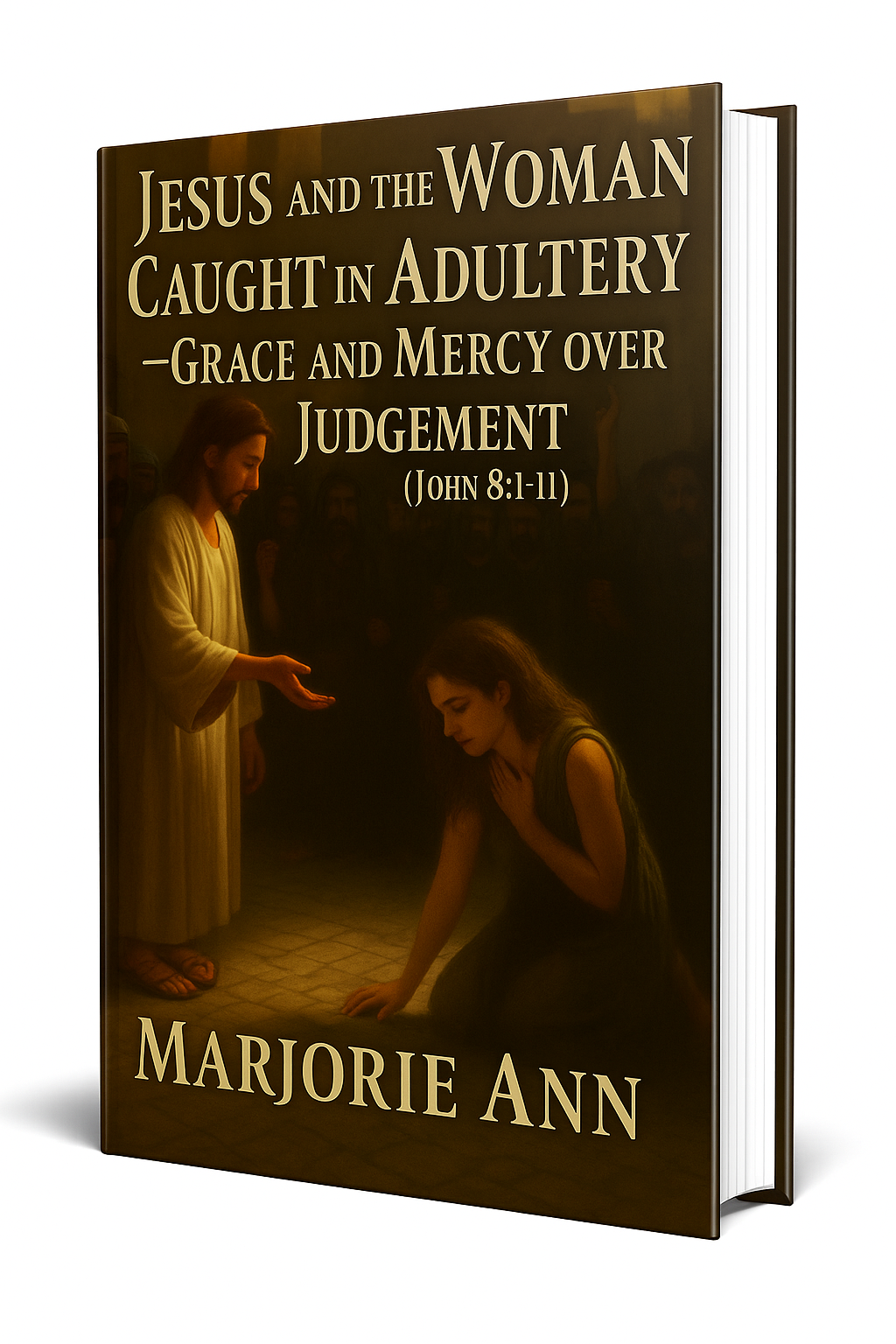
Jesus and the Woman Caught in Adultery — Grace and Mercy Over Judgment
A powerful retelling of Gospel of John 8:1–11, exploring forgiveness, mercy, and Christ’s compassion.
If you’re reflecting on spiritual growth and obedience, this story will remind you that transformation begins with grace.

Sponsored recommendation

Acknowledgment: All Bible verses referenced in this article were accessed via Bible Gateway (or Bible Hub).
“Want to explore more? Check out our latest post on Why Jesus? and discover the life-changing truth of the Gospel!”