

Pentecost is not just a historical event—it is the fulfillment of everything that began with Jesus’ death, resurrection, and ascension. To understand the full story, follow the timeline in What Happened After Jesus Rose From the Dead? (Full Timeline Explained) and see why this moment was necessary in Why Did Jesus Ascend Into Heaven? (Biblical Reasons Explained).
Pentecost is one of those words you hear in church, in history books, and in conversations about spirituality — and it carries weight. At its core, Pentecost marks the moment the Holy Spirit came in a new, visible way and the Christian church began to move out with power. In this article, you’ll explore what Pentecost was, how it connects to the Old Testament, what actually happened on that day, and why Pentecost still matters for your faith, church life, and daily living today.
Quick answer
Pentecost marks the coming of the Holy Spirit and the beginning of the church’s mission in power and unity. The event shifted a small group of disciples into a growing, Spirit-empowered movement that continues to shape the world.
Verse
Here is the key verse that anchors Pentecost in Scripture: Acts 2:1. That single verse signals a moment when everything changed for the first followers of Jesus.
What the Bible says: the account in Acts
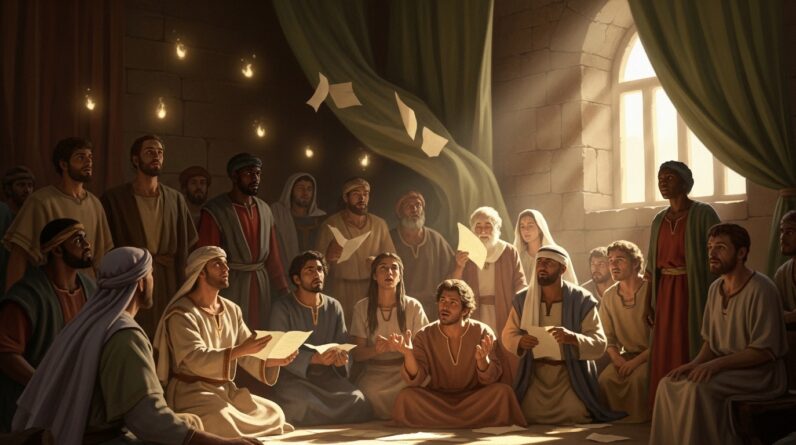
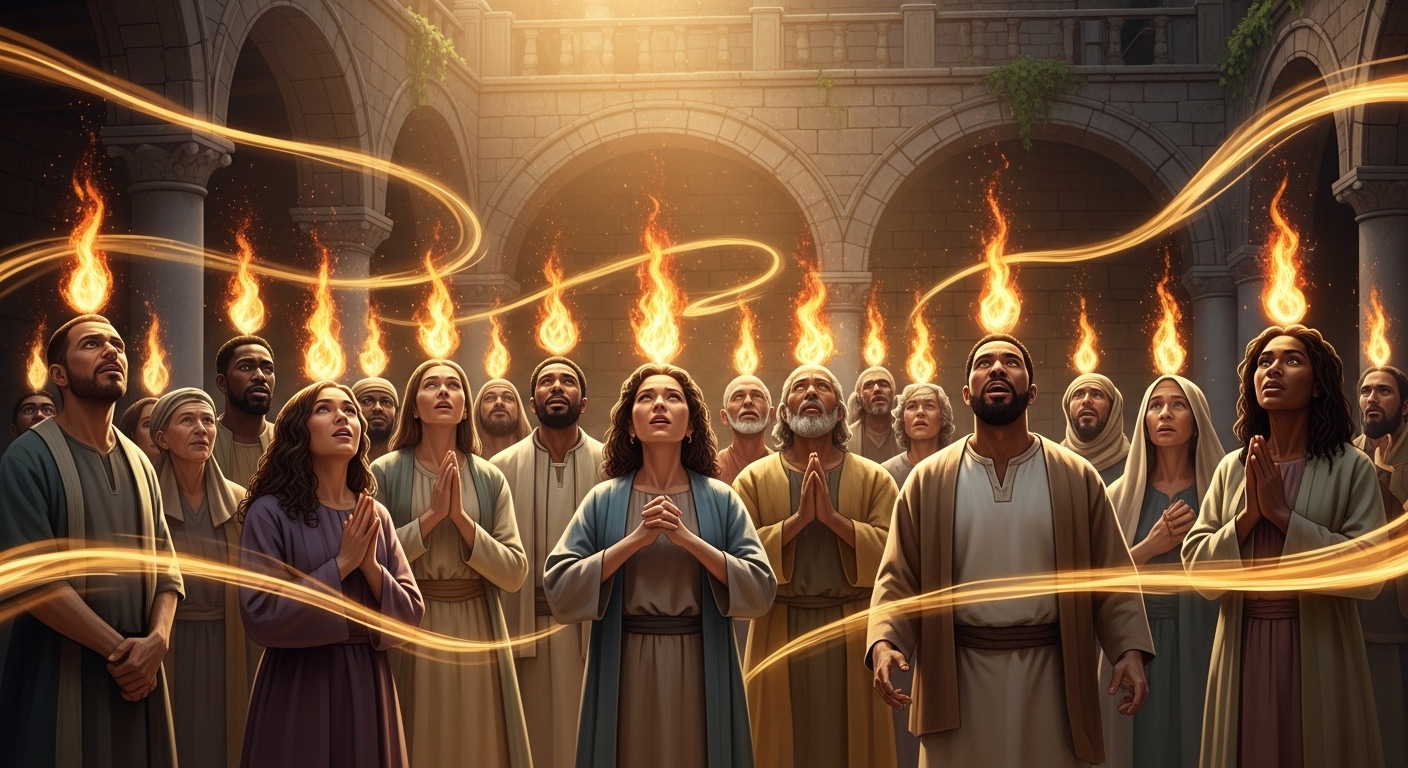
When you read the earliest account of Pentecost, you see a clear narrative of arrival, empowerment, and proclamation. The story continues in Acts 2:1-4, where the disciples are together, a sound like a violent wind fills the house, tongues of fire appear, and all are filled with the Holy Spirit. They begin speaking in other languages as the Spirit enables them.
This passage is the New Testament landmark for Pentecost. It is dramatic, communal, and outward-facing — not merely a private mystical experience but an event that compels public witness and mission.
Historical and Jewish background: why Pentecost matters in context
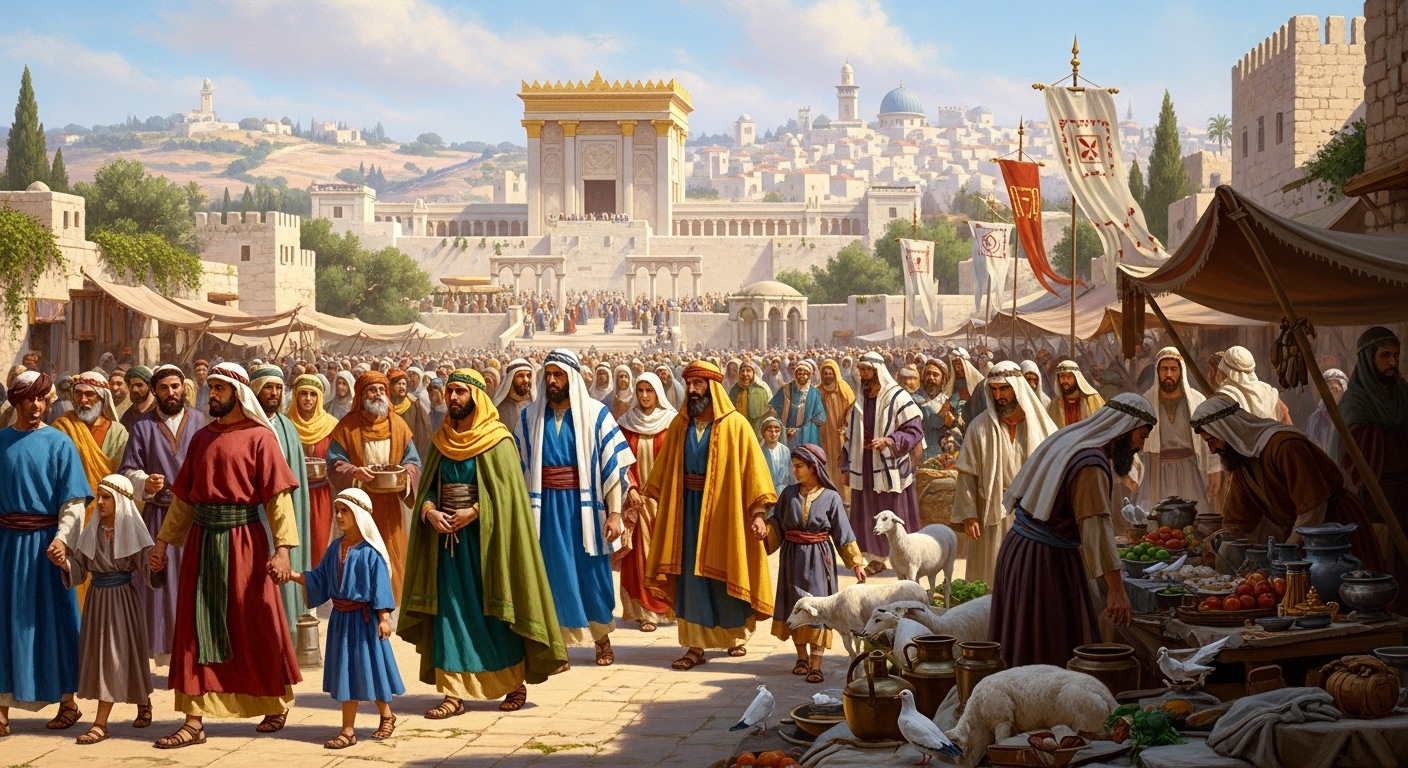
Pentecost did not appear out of nowhere. You need to understand its Jewish roots to grasp the full meaning. Pentecost coincided with the Jewish festival of Shavuot, also called the Feast of Weeks, which was originally an agricultural celebration marking the wheat harvest and later associated with the giving of the Torah at Sinai. That festival brought Jews from many regions to Jerusalem, which meant that when the Spirit arrived, people from all over the Roman world were present to witness it.
The Old Testament also includes prophetic anticipations of a future outpouring of God’s Spirit. For example, the prophet Joel promised a time when God would pour out His Spirit on all people, resulting in prophecy, dreams, and visions. You can read that prophecy in Joel 2:28-29. The Pentecost event in Acts reads like a fulfillment of that promise — something old now coming to its new expression in Christ and his people.
WHAT Pentecost is
This event is part of a larger story you can explore in What Happened At Pentecost? (Acts 2 Explained Simply).
The immediate significance: start of the church
If you want a single takeaway, it’s this: Pentecost marks the birth of the church as a Spirit-empowered, mission-oriented community. Acts shows how the Spirit’s arrival led to Peter’s bold sermon and three thousand people being baptized that day. See Acts 2:41 for the numerical fruit of that visit. The church would never be the same: it now had the power and unity needed to carry Jesus’ message to the ends of the earth, as promised earlier in Acts 1:8.
Theological meaning: Spirit empowerment and new covenant life
Pentecost is not simply a spectacular event; it’s theological in significance. The coming of the Holy Spirit signals that God’s presence is now personally and corporately dwelling with His people. Jesus had promised a Helper, the Spirit, who would be with you and in you. See John 14:16-17 for Jesus’ promise of the Spirit. The Spirit is not an abstract force but the living presence of God enabling transformation, mission, and intimate relationship.
This new covenant reality means several things for your faith life: assurance of God’s presence, empowerment for witness, guidance into truth, and transformation of character. The New Testament links the Spirit with life, resurrection power, and the production of spiritual fruit. For example, the Spirit is tied to resurrection life in Romans 8:11 and to the fruit of the Spirit in Galatians 5:22-23.
👀 FAITH / FOUNDATION
If you’re exploring whether these events are real, see Evidence for the Resurrection of Jesus Christ.
The signs and symbols of Pentecost: wind, tongues, fire
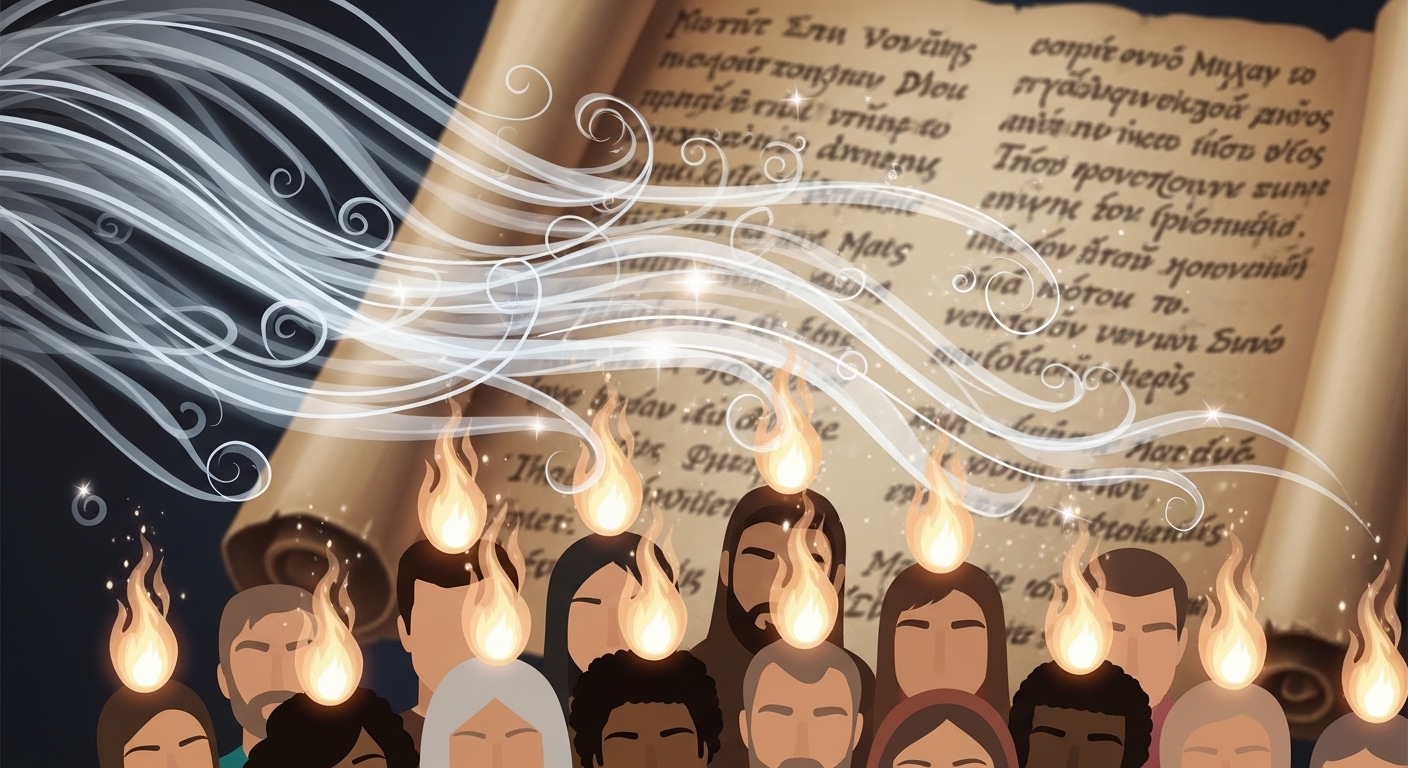
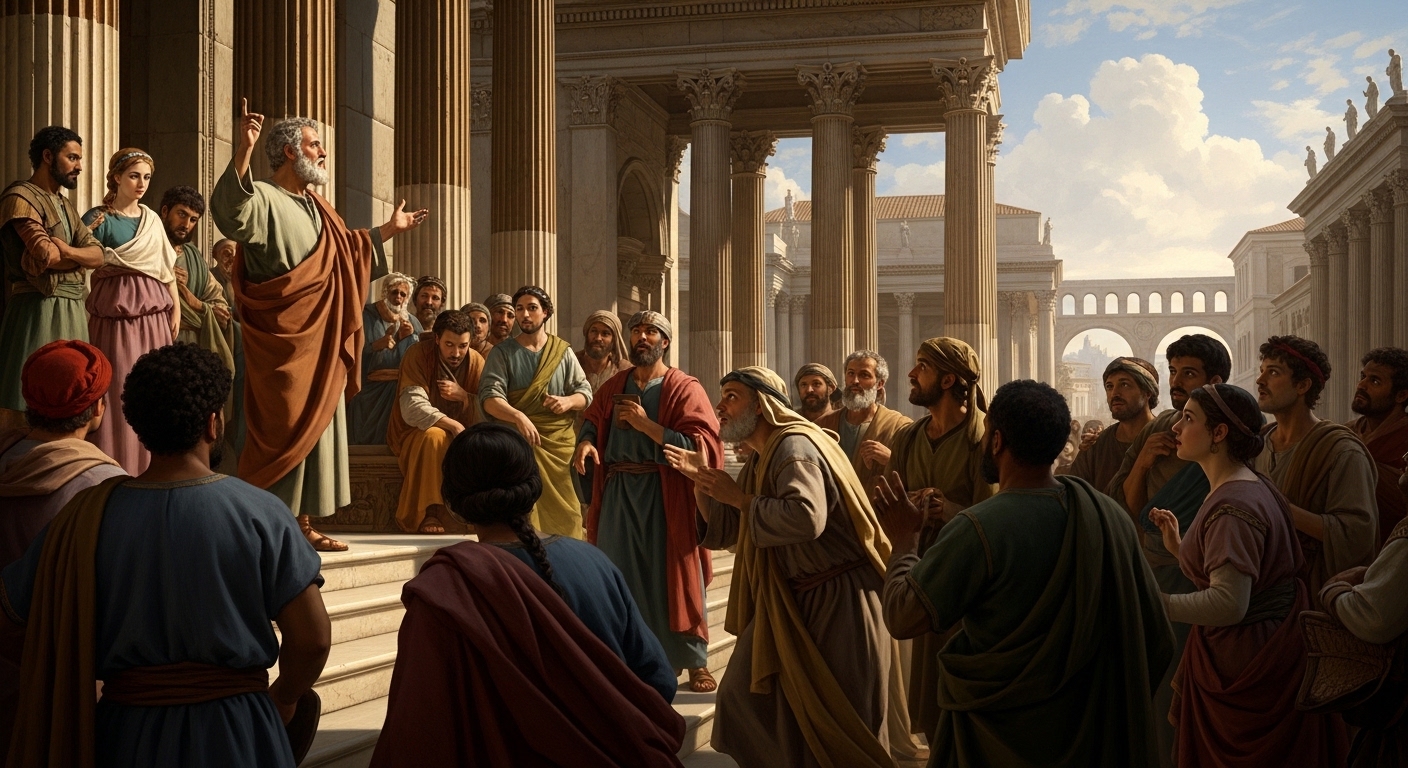
The biblical account uses vivid imagery — a rushing wind, tongues of fire, and speaking in various languages. Each image carries symbolic weight. Wind (or breath) often symbolizes the Spirit’s invisible yet powerful action; the Hebrew word for breath and spirit is the same (ruach). Fire conveys purification, presence, and a divine awakening. Speaking in tongues signals that the Spirit can break down cultural and linguistic barriers so the gospel can be understood across the world.
These signs are not ends in themselves but pointers to what the Spirit accomplishes: presence, purification, empowerment, and global witness. When you reflect on the imagery, it reminds you that God’s action is both intimate (within you) and expansive (toward the world).
🙏 HOW it applies today
For a practical next step, read How To Receive The Holy Spirit (Biblical Guide)
The role of tongues and prophecy: gifts that build up
Pentecost introduced charismatic signs like speaking in other tongues and prophecy. In Acts, the languages served to communicate the gospel to visitors from many lands. The New Testament later develops a theology of spiritual gifts that includes tongues, prophecy, teaching, and more, as described in 1 Corinthians 12:4-11. The gifts are distributed by the Spirit “for the common good” and for building up the church.
You should understand that gifts are diverse and complementary. While tongues and prophecy can be powerful, the New Testament also emphasizes love and maturity as the measure of their proper use — see Paul’s guiding principles in 1 Corinthians 13. The goal is not spectacle but transformation and mission.
Pentecost and mission: the church goes outward
One of the clearest outcomes of Pentecost is mission. The Spirit’s arrival emboldened the disciples to speak boldly — Peter’s sermon in Acts 2 is an example. The mission Jesus announced earlier is fulfilled through Spirit-empowered witness. You can trace the momentum from Acts 2 into the missionary expansion narrated throughout Acts.
This matters for you because the Spirit’s empowerment is not primarily for personal benefits alone but for public proclamation and service. When the Spirit fills you, it equips you for witness in your neighborhood, workplace, and global relationships. The Spirit gives you courage, guidance, and the words you need to speak the truth in love.
💡The MESSAGE behind Pentecost
To understand the foundation of this message, read What Does “He Is Risen” Mean?
Spiritual formation: the Spirit and your transformation
Pentecost matters because the Spirit is the primary agent of sanctification — the work of becoming more like Jesus. The fruit of the Spirit listed in Galatians 5:22-23 — love, joy, peace, patience, kindness, goodness, faithfulness, gentleness, and self-control — describes the character the Spirit produces in daily life.
As you cooperate with the Spirit through prayer, Scripture, community, and obedience, you’ll find these qualities growing. Pentecost invites you into a lifelong process of transformation rather than a one-time package of spiritual tricks. The Spirit’s presence makes ethical living and deep relational love possible; that’s a practical reason Pentecost matters in everyday life.
The prophetic echo: Joel and the continuity of God’s promise
Pentecost draws a direct line between prophecy and fulfillment. Peter explicitly cites Joel 2:28-29 in his sermon to explain the Spirit’s outpouring. That linkage shows continuity: God’s promises in the Old Testament are fulfilled in Christ and enacted through the Spirit. The movement of God is not a series of disconnected surprises but a consistent plan.
This continuity gives you theological confidence: when God promised something, He intends to see it through. The Spirit’s work at Pentecost is part of God’s faithful narrative to restore, guide, and fill His people with life and purpose.
Practical ways Pentecost shapes worship
Pentecost shapes how you worship, both privately and corporately. The Spirit invites spontaneity and authenticity, while Scripture and tradition provide structure and discernment. You may see Pentecost reflected in worship through songs focused on the Spirit, moments of prayer asking for boldness in witness, or practices that invite the Spirit’s leading.
However, balance is important: the New Testament stresses order in worship (see instructions in 1 Corinthians 14) and the role of Scripture in shaping faith. So your worship that honors Pentecost will be both Spirit-sensitive and biblically grounded.
Pentecost and unity: breaking down barriers
One striking dimension of Acts 2 is how people from many nations hear the gospel in their own languages. That image of diverse people hearing God’s word points to the Spirit’s unifying work. The Spirit breaks down walls of hostility and creates a new community marked by shared life in Christ. Paul articulates this vision of unity when he speaks of one body, one Spirit, and one baptism (see Ephesians 4).
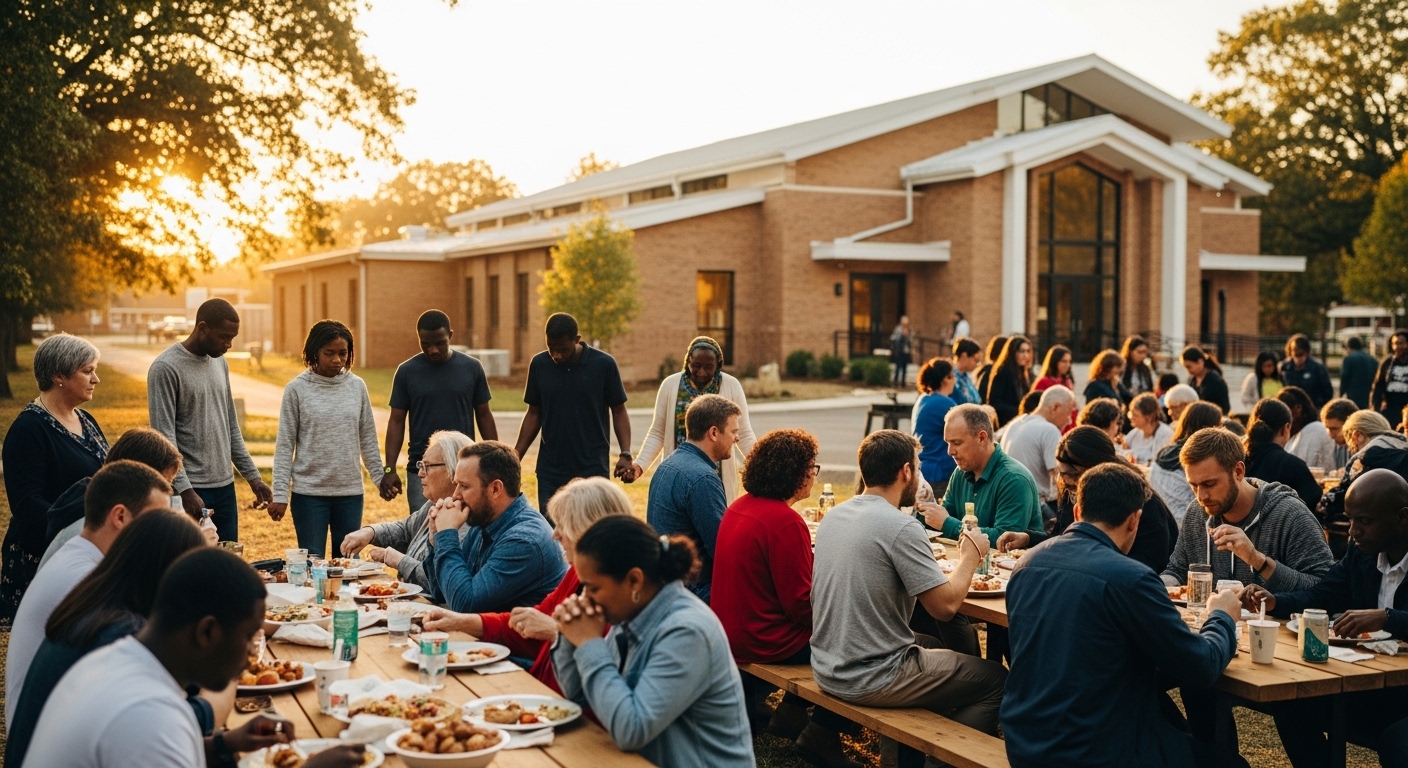
You experience Pentecost’s unity when you join with other believers across cultures and differences, focusing on the common reality of Christ and the shared operation of the Spirit. The Spirit doesn’t erase diversity; rather, He reconciles and redeems it for a greater unity.
The Spirit and guidance: how the Spirit helps your decisions
Another practical aspect of Pentecost concerns guidance. The Spirit is a counselor who leads, convicts, and clarifies. Jesus promised the Spirit would guide you into all truth in John 16:13. That guidance might come through Scripture, prayerful listening, wise counsel, and circumstances aligning — but the underlying truth is that you are not left to navigate life’s complexities alone.
Learning to discern the Spirit’s voice takes practice: humility, testing against Scripture, and community discernment are key. Pentecost matters because it assures you that God is actively involved in guiding His people.
Controversies and misunderstandings: what Pentecost is not
Over time, Pentecost and the Spirit’s gifts have sometimes been misunderstood or mishandled. Some assume the Spirit is only for dramatic signs, while others reduce the Spirit to a metaphysical principle. Pentecost is neither a ticket to sensationalism nor a mere platitude.
You should avoid extremes: do not equate spiritual authenticity solely with supernatural experiences, and do not deny the Spirit’s active work. The New Testament model is both reverent and discerning, expecting spiritual fruit and love to accompany any gift (see 1 Corinthians 13).
Pentecost and denominational life: historical impact
Pentecost has given its name to entire movements and denominations. The modern Pentecostal movement, which emphasizes the ongoing availability of the Spirit’s gifts, traces its passion to renewal experiences in the early 20th century. Pentecostal and Charismatic streams have influenced global Christianity profoundly, reshaping worship styles, mission strategies, and theological emphases.
Even if you don’t identify with a Pentecostal tradition, Pentecost’s theological and spiritual significance has touched nearly every form of Christianity, pushing the church to consider how the Spirit continues to work today.
Personal application: how Pentecost can change your day-to-day life
So what does Pentecost mean for your everyday life? It means you have access to God’s presence, power, and guidance. You’re invited to pray for the Spirit’s filling (see the example in Acts 4:31), to seek spiritual growth, to cultivate the fruit of the Spirit, and to use whatever gifts God gives you for service. The Spirit equips you to love better, serve more faithfully, and speak truth with wisdom.
Practical habits that help you live Pentecost include daily Scripture meditation, consistent prayer asking for the Spirit’s filling, regular confession and repentance, active participation in a local community, and openness to God-directed service opportunities.
How to pray with a Pentecost posture
Adopting a Pentecost posture in prayer means asking for the Spirit’s presence and power, not merely a checklist of favors. You might pray for courage to speak the gospel, humility to be transformed, wisdom to use spiritual gifts rightly, and compassion to serve others. The biblical pattern combines praise, petition, confession, and intercession, always keeping Scripture central to your prayers.
A short prayer shaped by Pentecost might echo the early disciples’ plea for boldness and unity: “Lord, fill me with your Spirit. Give me boldness to witness, humility to serve, and love to reflect Jesus.”
Worship and liturgical observance of Pentecost
Many churches celebrate Pentecost Sunday as a festival that focuses on the Holy Spirit. Observances might include readings from Acts 2, prayers for the Spirit, and symbolic elements like red banners or candles representing fire. The liturgical practice helps congregations remember the Spirit’s role and renew their commitment to mission and holiness.
You can participate in Pentecost observances with intentionality: engage in corporate prayers for renewal, reflect on Scripture, and commit to a specific spiritual practice that fosters growth.
The Spirit, ethics, and social engagement
Pentecost’s implications reach beyond personal piety; the Spirit’s work drives ethical living and social concern. A Spirit-empowered community cares for the poor, acts for justice, and seeks reconciliation. The impulse to serve the marginalized is not an optional add-on but a natural outflow of being filled with God’s love.
When you connect Pentecost with social action, you see the gospel’s public dimension: the Spirit equips believers to transform communities through acts of mercy, advocacy, and sustained presence.
Signs of Pentecost in contemporary Christianity
You can still see Pentecost at work today in renewal movements, cross-cultural mission, communal transformation, and personal spiritual renewal. The Spirit continues to awaken faith in unexpected places, reconcile enemies, and inspire sacrificial service. From small house churches to global networks, Pentecost is alive wherever the Spirit empowers people to witness sacrificial love and bold proclamation.
If you’re paying attention, you’ll notice Spirit-led innovation — new ministries, reconciliations, and creative witness — showing that Pentecost is not a relic but a living reality.
Discernment: testing spiritual experiences
Because Pentecost involves extraordinary experiences, discernment is crucial. The New Testament gives you tools: test experiences against Scripture, seek wise counsel, and evaluate whether the outcomes align with love, truth, and the common good. Paul’s guidance in letters like 1 Corinthians 14 emphasizes order, edification, and clarity.
When you encounter spiritual phenomena, ask whether they point to Christ, produce transformation, and serve others. If not, be cautious and seek communal guidance.
The global and multicultural scope of Pentecost
One of Pentecost’s most beautiful implications is its global reach. The Spirit’s gift of languages in Acts symbolizes the gospel’s capacity to cross cultural boundaries. Mission is not optional; it’s integral. The early church’s expansion shows how diverse communities can be united by the Spirit without erasing cultural identity.
For you, this means engaging with global Christianity — learning from churches in other cultures, supporting cross-cultural mission, and embracing the variety of Christian expression as part of the fullness of God’s kingdom.
Pastoral and leadership implications
Leaders must model Pentecost-shaped ministry by fostering environments where the Spirit’s gifts can be used responsibly, encouraging prayerful dependence, and prioritizing spiritual formation. Leadership that honors Pentecost will combine prophetic imagination with pastoral care, equipping believers for service and holding congregations accountable to Scripture.
If you’re in a leadership role, ask how your ministry can create space for the Spirit while maintaining theological clarity and pastoral wisdom.
Renewal and revival: historical patterns
History records periods of renewal and revival where communities experienced renewed conviction, repentance, and mission — patterns similar to Pentecost. These movements often begin with prayer, humility, and openness to the Spirit, and they produce sustained changes in personal and social ethics.
You can cultivate conditions for renewal through prayer gatherings, Scripture-centered teaching, and authentic community life. While revival is ultimately God’s initiative, human responsiveness matters.
Summing up the meaning of Pentecost
Pentecost matters because it marks the arrival of God’s empowering presence in a new way, launching the church into witness, mission, and transformation. It’s both historical and ongoing: what happened in Jerusalem continues to shape lives and communities today. The Spirit fills, guides, and equips you for growth in character, service to others, and faithful proclamation of the gospel.
Practical steps to live a Pentecost-shaped life
If you want to embody Pentecost daily, here are some practical steps you can take:
- Pray regularly for the Spirit’s filling and guidance.
- Read Scripture and let it shape your decisions and character.
- Join a local community where gifts and accountability can be practiced.
- Serve in tangible ways that reflect the fruit of the Spirit.
- Practice discernment and test experiences against Scripture.
These steps help you move from abstract theology to embodied spirituality — a life where Pentecost’s power changes the way you love and act.
Conclusion
Pentecost is foundational. It connects God’s covenant promises to the unfolding mission of the church, it empowers believers for witness, and it shapes Christian character. Whether you’re exploring faith for the first time or seeking deeper spiritual vitality, Pentecost invites you into a living relationship with the Holy Spirit who continues to work in the world.
Prayer
Lord, help me understand Your Spirit. Fill me with clarity, love, and boldness. Teach me to listen, obey, and serve in ways that reflect Jesus. Amen.
Bible verses referenced
- Acts 2:1-4
- Acts 2:1
- Acts 2:41
- Acts 1:8
- Joel 2:28-29
- John 14:16-17
- John 16:13
- Romans 8:11
- Galatians 5:22-23
- 1 Corinthians 12:4-11
- 1 Corinthians 13
- 1 Corinthians 14
- Acts 4:31
🔁 To understand the FULL STORY
To see how everything connects, read What Happened After Jesus Rose From the Dead? (Full Timeline Explained) and Why Did Jesus Ascend Into Heaven? (Biblical Reasons Explained).
🔥 To go deeper into the HOLY SPIRIT
Learn more in Who Is the Holy Spirit? (Simple Bible Explanation) and What Does The Holy Spirit Do? (7 Powerful Roles Explained).
🙏 To apply this PERSONALLY
Take the next step by reading How To Receive The Holy Spirit (Biblical Guide).
✝️ To understand the FOUNDATION
Go deeper into the core message in The Meaning of the Resurrection of Jesus Christ.
Sponsored recommendation

Acknowledgment: All Bible verses referenced in this article were accessed via Bible Gateway (or Bible Hub).
“Want to explore more? Check out our latest post on Why Jesus? and discover the life-changing truth of the Gospel!”