

What Is The Difference Between Salvation And Redemption? (Ephesians 1:7, Colossians 1:14)

- Closing Image
- Prompt: “A quiet, reflective scene of a single candle burning by an open Bible at dusk, soft shadows and warm tones, inviting contemplation and prayer; cinematic, thought-provoking image for closing reflection.”
Introduction
Have you ever wondered whether salvation and redemption are the same thing, or if they point to different parts of your spiritual journey? You’re not alone. Those two words get used almost interchangeably in church conversations, songs, and devotionals, but when you dig into Scripture, their nuances bring fresh clarity and hope. This matters because how you understand these terms affects how you respond to God’s work in your life — not just mentally, but practically: in how you pray, repent, serve, and walk with Jesus day by day.
In this article, you’ll explore what the Bible says about both words, especially through Ephesians 1:7 and Colossians 1:14. You’ll see how redemption and salvation are two interlocking truths — part of one glorious rescue story — and how that story reshapes the way you live and relate to others.
The Bible Foundation
Bible verses:
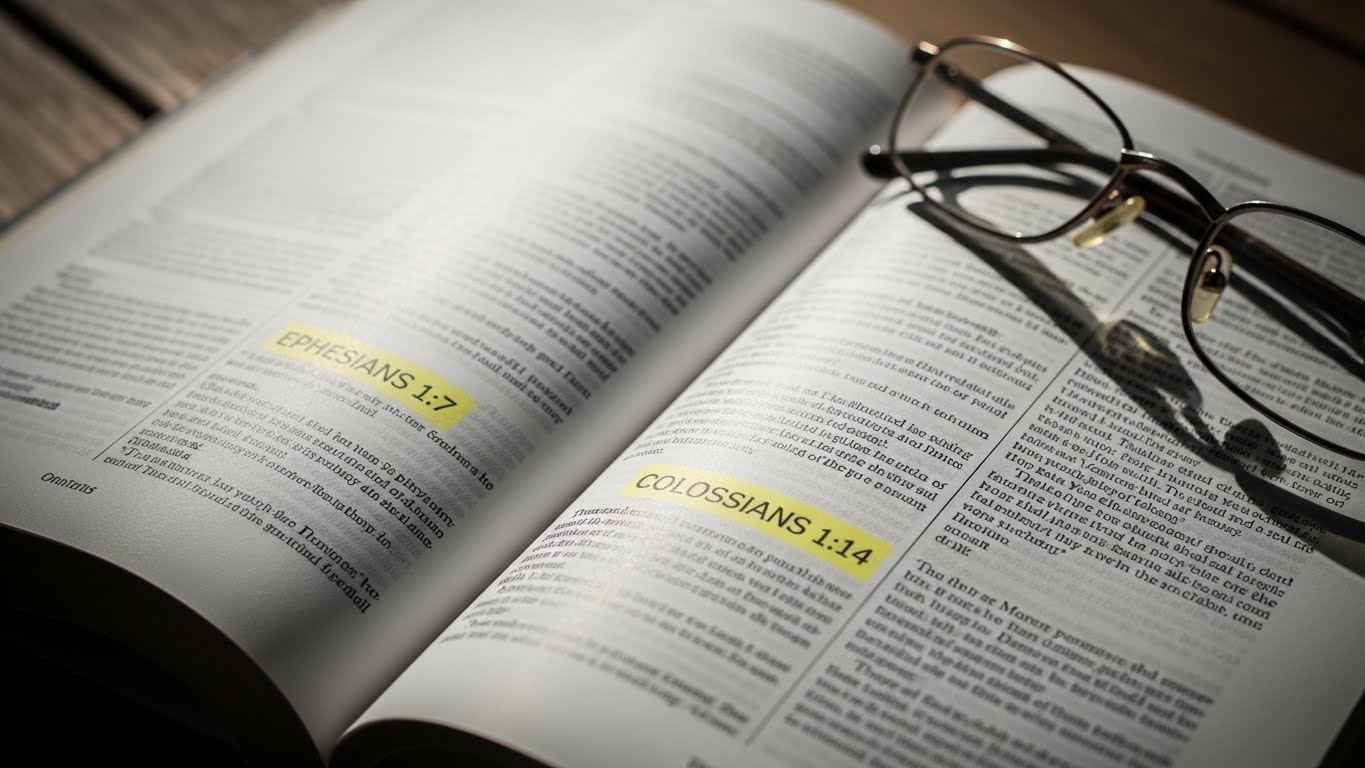
- Ephesians 1:7 (NIV) — “In him we have redemption through his blood, the forgiveness of sins, in accordance with the riches of God’s grace.” Ephesians 1:7
- Colossians 1:14 (NIV) — “in whom we have redemption, the forgiveness of sins.” Colossians 1:14
Read these, and you’ll notice the same pair of words popping up: redemption and forgiveness (or salvation). Ephesians links redemption explicitly to the blood of Christ — it’s a costly rescue. Colossians puts it similarly, emphasizing that through Christ you receive redemption and forgiveness. The context in both letters is Paul reminding believers of what Christ has already accomplished: a release from bondage and a restoration of a relationship with God. That’s your anchor as you explore the difference between the two.
Understanding the Core Truth
Put simply, redemption is the act of buying back or rescuing, while salvation is the broader result of that rescue — being saved, forgiven, reconciled, and restored. Think of redemption as the debt being paid and salvation as the deliverance and new life you receive because the debt is settled.
When Paul says, “redemption through his blood,” he isn’t talking in metaphor alone. He’s tapping into a legal and relational image: a ransom paid, a price accepted, a freedom secured. Salvation includes redemption, but it also includes reconciliation to God, adoption into God’s family, and the promise of future transformation.
This matters because when you understand redemption as the price paid, you grasp the seriousness of sin and the magnitude of grace. When you understand salvation as the life you now have because of that price, you see both the present hope and the future promise.
Going Deeper — The Hidden Meaning
The deeper truth behind redemption is that it’s both historical and ongoing. Historically, redemption was accomplished on the cross — Jesus paid the cost. But personally, redemption unfolds in your life as God brings you into freedom from sin’s power and into growth toward Christlikeness.
Consider the story of the prodigal son (Luke 15:11–32). The father’s acceptance and the son’s restoration portray redemption: the son’s debts and brokenness are met with forgiveness and reinstatement. That story helps you see redemption not as a legal technicality but as a relational healing. The blood of Christ, like the father’s open arms, doesn’t cheapen justice — it satisfies it and transforms the relationship.
Another angle: redemption always points to value. Something worth redeeming points to worthiness — God values you so much that He paid the ultimate price. That truth should change how you view yourself and others: you’re not expendable or an afterthought. Your worth has been publicly declared by Jesus’ sacrifice.
Modern Connection — Relevance Today
How do these ancient words shape your modern life? In a world that treats value as performance and forgiveness as something earned, the gospel says something extraordinary: you’re loved and restored by grace. That changes how you handle shame, failure, and relationships.
At work, you can stop pretending to be perfect and start practicing humility and integrity because your identity isn’t just your performance. At home, you can forgive more freely, knowing you’ve been forgiven. In your spiritual life, you can rest — salvation isn’t a checklist you complete; it’s a relationship you live in, grounded in the redemption Jesus secured.
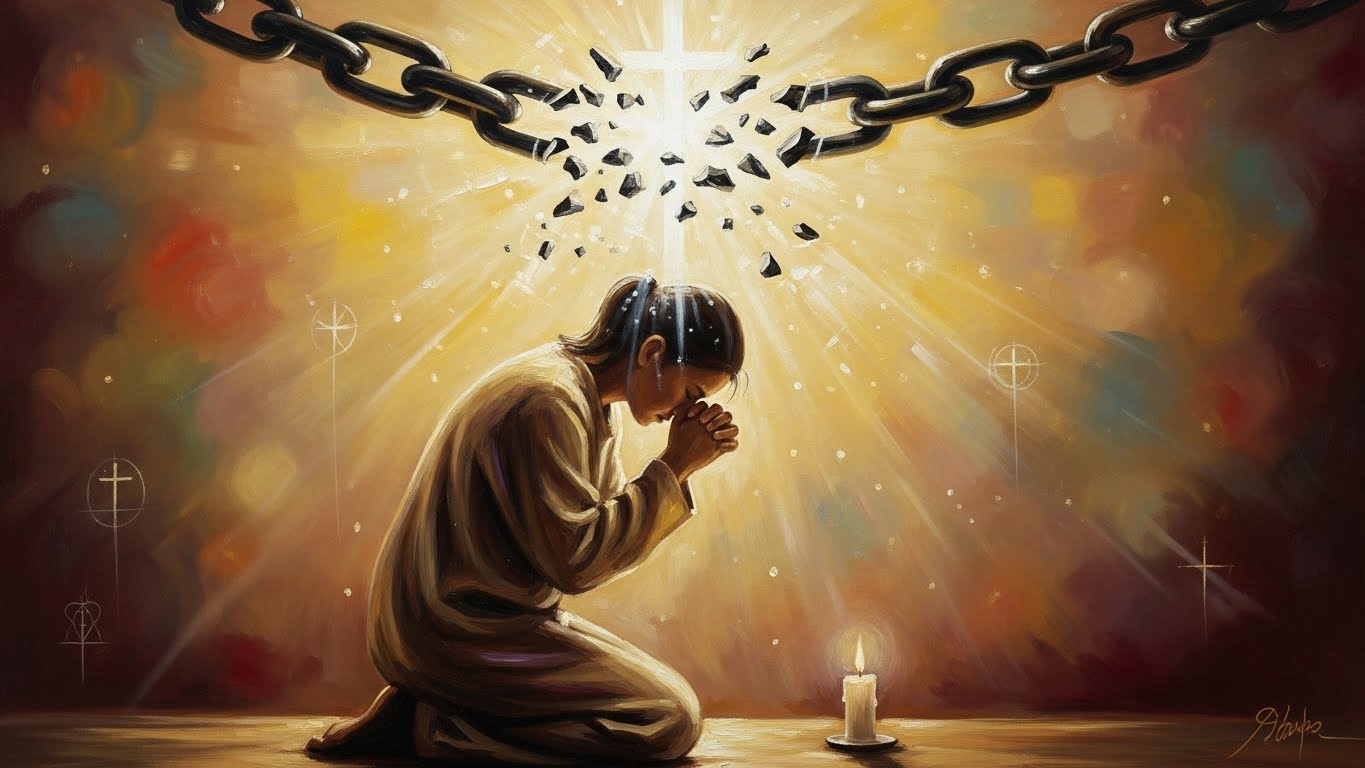
When you face addiction, guilt, or broken relationships, redemption gives you a concrete picture: the chains can break. Salvation gives you a path forward: a rescued person becoming more like their Rescuer. That hope is practical — it shapes counseling, discipleship, and community life.
Practical Application — Living the Message
You don’t have to be a theologian to live out these truths. Here are simple ways to apply redemption and salvation in everyday life:
- Remember and rehearse. Regularly read Ephesians 1:7 and Colossians 1:14 to anchor your identity in what Christ has done, not in what you achieve.
- Receive forgiveness. When guilt hits, confess (1 John 1:9) and accept God’s pardon. Don’t bargain with shame; accept grace.
- Extend forgiveness. Let redemption free you to forgive others, not because they always deserve it, but because you’ve been forgiven (Matthew 18:21-35).
- Live gratefully. Let gratitude guide your actions — generosity, service, and worship flow naturally from someone who knows they’ve been redeemed.
- Walk-in transformation. Trust the Spirit to change habits and desires; salvation includes ongoing sanctification (Philippians 1:6).
These steps are practical, repeatable, and life-changing because they’re rooted in what Christ has already done for you.
🌿 Faith Reflection Box
Take a moment to pause and reflect.
Question: How does remembering that you were redeemed by Christ’s blood change the way you respond to guilt, failure, or fear today?
Key Takeaways:
- Redemption is the ransom Christ paid; salvation is the resulting rescue and new life.
- Your identity is grounded in what Christ accomplished, not in your performance.
- Live free: accept forgiveness, give forgiveness, and grow in gratitude and holiness.
Q&A
Q1: Is redemption the same as forgiveness? Answer: Redemption and forgiveness are closely related but not the same. Redemption is the act of paying a price to free someone — in Christian terms, Christ’s sacrifice that secures your release from sin’s penalty and power. Forgiveness is the personal, relational aspect: God no longer holds your sin against you. Ephesians 1:7 connects the two directly: “redemption through his blood, the forgiveness of sins.” Ephesians 1:7 Think of redemption as the reason and forgiveness as the relational result — both essential to your salvation.
Related: God’s Covenant with Noah: A Rainbow of Redemption
Q2: If Jesus redeemed me, do I still need to grow spiritually? Answer: Yes. Redemption secures your standing before God; salvation begins a lifelong process called sanctification. You were made right with God — and now He works in you to make you like Jesus (Philippians 1:6). Philippians 1:6 Growth involves regular spiritual practices: prayer, Scripture, community, and obedience. Don’t see sanctification as earning salvation; see it as living out the freedom He purchased for you.
Q3: Can someone lose their redemption or salvation? Answer: Christians have debated this for centuries. Scripture emphasizes security in Christ because He completed the work (John 10:28-29), but it also calls believers to persevere in faith (Hebrews 3:12-14). John 10:28-29, Hebrews 3:12-14. The biblical picture is both: God’s saving work is powerful and lasting, and your ongoing faith matters as evidence of that saving work. You can trust God’s promise while remaining alert to the call to remain faithful.
Related: Leah’s Legacy: How God Used Rejection for Redemption
Conclusion & Reflection
When you put it all together, redemption and salvation are two sides of the same glorious coin. Redemption is the costly act — Christ’s blood paying your ransom. Salvation is the life you now enjoy — forgiveness, restoration, and the promise of transformation. Both are gifts of grace that change who you are and how you live.
A short prayer: Jesus, thank You for redeeming me through Your blood. Help me to live in the freedom and forgiveness You purchased, to grow in gratitude, and to reflect Your love to others. Amen.

More Inspiration Awaits — Read These Next
 For deeper insight into Isaiah 40:31 and how it renews your strength in both faith and daily life
For practical lessons on compassion and neighborliness from the Good Samaritan
For a clear explanation of what we can learn from the Parable of the Good Samaritan
For meaningful insights from the Parable of the Pearl and its hidden treasures
For a deeper look at the Rich Man and Lazarus and what it reveals about the afterlife
For guidance on the Parable of the Ten Virgins and preparing for God’s Kingdom
For clarity on the Parable of the Lamp and how it calls us to shine our light
For insights from the Parable of the Wedding Feast and the meaning behind the invited guests
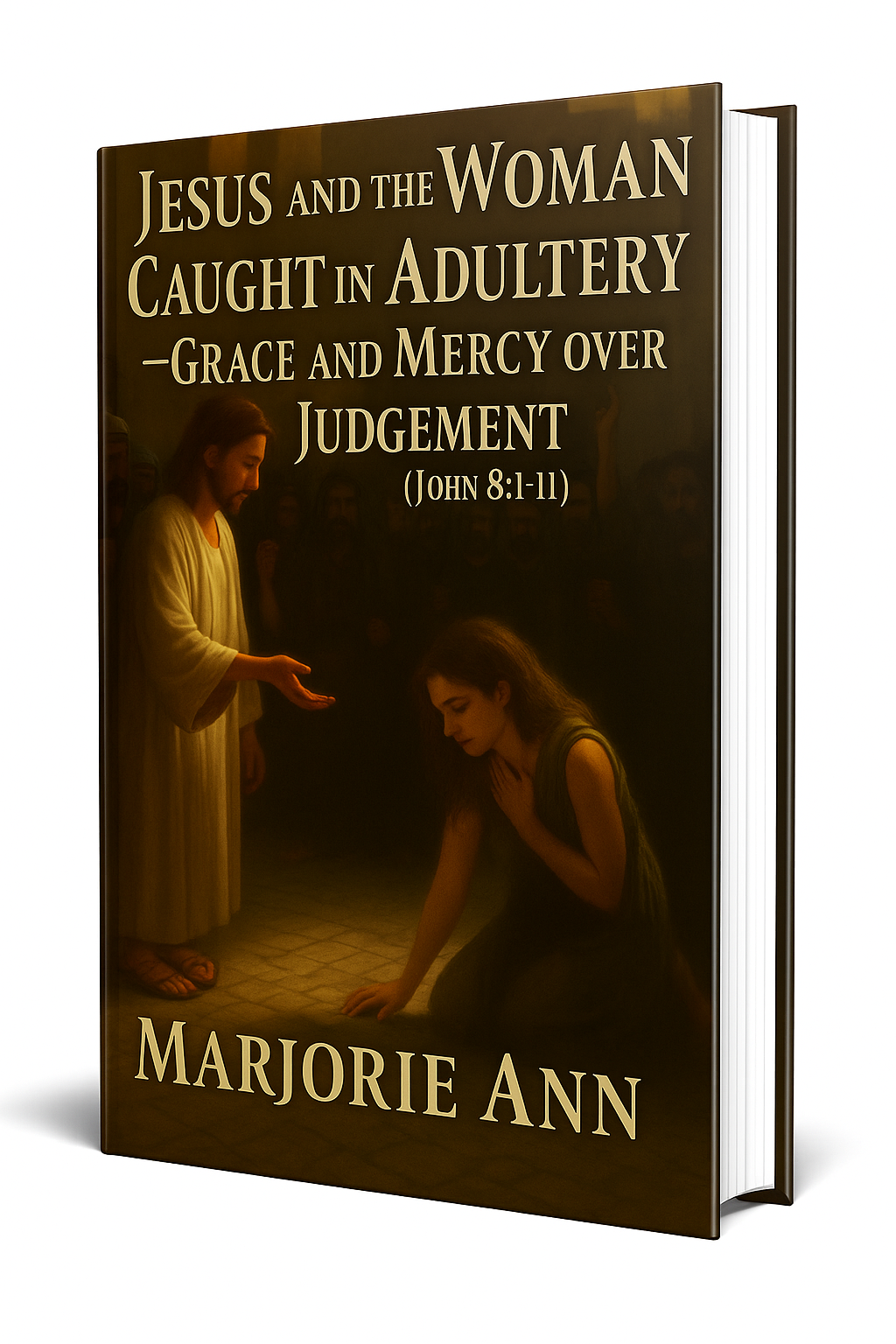
 Jesus and the Woman Caught in Adultery – Grace and Mercy Over Judgement
A powerful retelling of John 8:1-11. This book brings to life the depth of forgiveness, mercy, and God’s unwavering love. Check it now on Amazon 


 “Every great message deserves a home online.”


Don’t let your calling stay hidden. Start a Christian blog or website using Hostinger — with 99.9% uptime, a free domain, and SSL, your voice can shine for God’s glory anytime, anywhere. Begin today. Try it RISK-FREE! 

 “Your body is God’s temple — care for it with purpose.”


Renew your energy and restore balance naturally. Mitolyn helps support a healthy metabolism, giving you the vitality to live out God’s calling with strength and confidence.
Unlock Your Metabolic Power!  Burn More Calories & Feel Great With Mitolyn.
Start Today.  Check Price Now.
As a ClickBank & Amazon Affiliate, I earn from qualifying purchases.
 Acknowledgment: All Bible verses referenced in this article were accessed via Bible Gateway (or Bible Hub).
Want to explore more? Dive into our new post on Why Jesus? and experience the life-changing truth of the Gospel!