


After Jesus ascended, where did He go? You’ve probably heard the short answer a hundred times: He went up into heaven. But what does that actually mean? Where is Jesus now, what is He doing, and how does His ascension shape your life today? In this article, you’ll get a clear, Bible-centered explanation of where Jesus went after the Ascension, what “heaven” means in this context, and why it matters for your faith and daily living.
Quick answer: Jesus ascended into heaven and is now seated at the right hand of God. This is more than a location; it’s a declaration of authority, ongoing ministry, and eternal reign.
Quick Answer
Jesus ascended into heaven and is now seated at the right hand of God, ruling, interceding, and preparing a place for you.
That single-sentence summary is packed with implications. It tells you where Jesus is (heaven), what His posture is (seated at God’s right hand), and hints at what He’s doing (reigning and interceding). To see this in Scripture, look at the account of the Ascension itself and the letters that explain its significance.
Verse
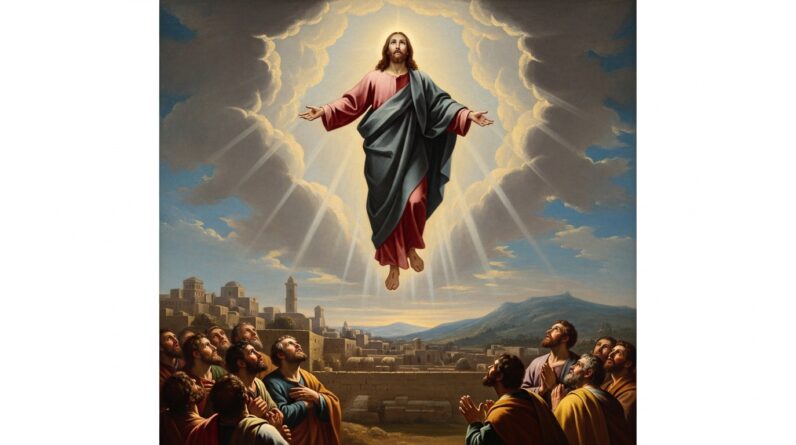
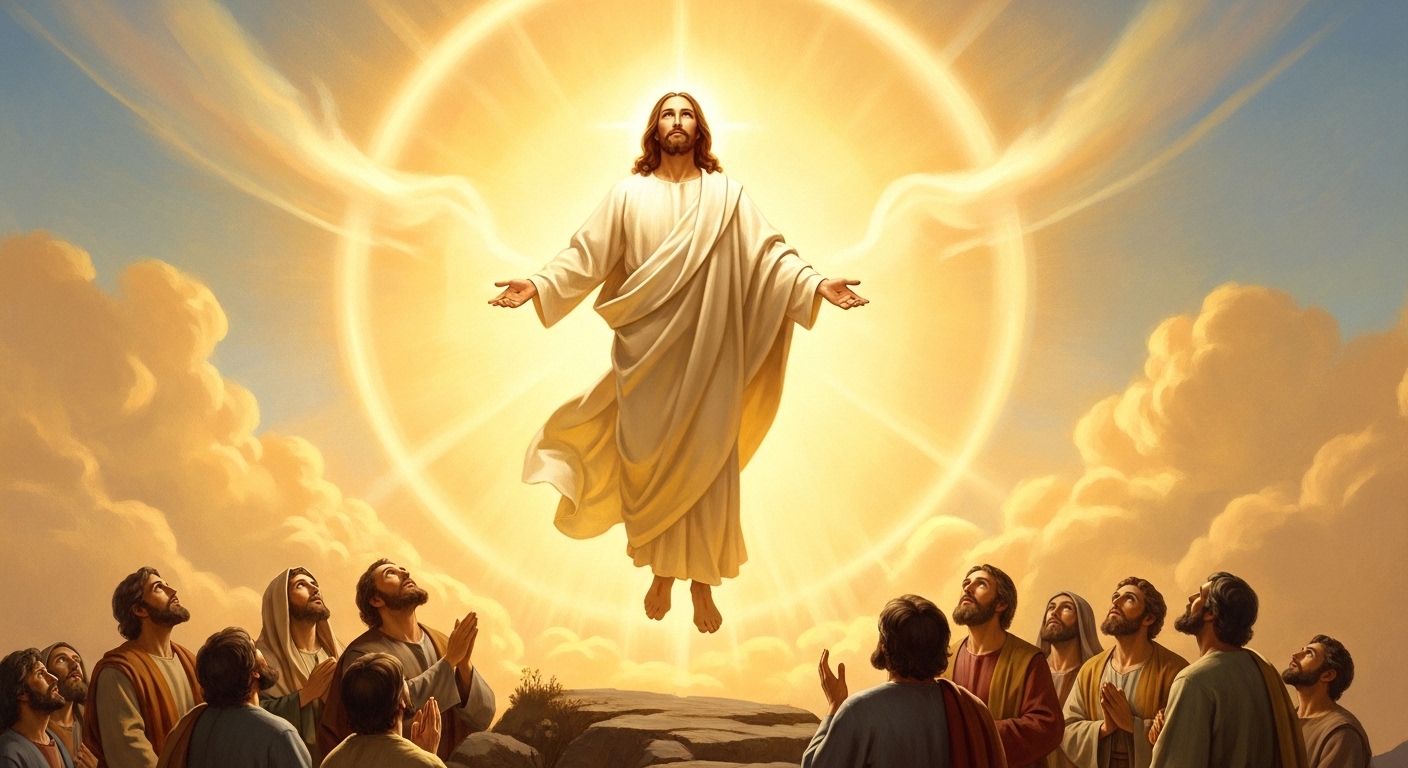
Read the Ascension account where it actually happens: Acts 1:9
This verse records Jesus being taken up before the disciples’ very eyes until a cloud hid Him from their sight. That dramatic moment left the disciples with a question—and it gives you the starting point for understanding where Jesus is now.
Explanation
You can think about the Ascension in three complementary ways: He returned to the Father, He reigns in heaven, and He intercedes for believers. Each aspect is rooted in Scripture and helps you see how the Ascension shapes the life of the church and your personal faith.
He returned to the Father
When Jesus ascended, He returned to the Father. The New Testament explicitly connects the Ascension with Jesus going to the Father. After His earthly ministry, the Son took His place with the Father, completing the mission of redemption by returning to the presence from which He came.
- The Gospel writers and Acts present the Ascension as Jesus physically leaving the earth and being taken up into heaven. See Luke 24:50-53 for Luke’s summary of Jesus blessing the disciples and being lifted up.
- The idea that Jesus returned to the Father is also reflected in John’s Gospel, where Jesus speaks of returning to the Father to prepare a place for you. Read John 14:2-3.
This return is not a retreat or abandonment. Instead, it signifies the Son’s exaltation—His restoration to the glory He had with the Father before the Incarnation, now marked by the victory of the cross and resurrection. The Ascension is the crown of Jesus’ work: He completes redemption and goes to reign from the Father’s right hand.

He reigns in heaven
When Scripture says Jesus is “seated at the right hand of God,” it’s a picture of authority and reign. To be at the right hand is to share in rulership. Jesus’ posture—seated—signals that His work of redemption is accomplished and that He now rules as Lord.
- Multiple New Testament passages describe Jesus’ reign and exaltation. For example, read Mark 16:19, which explicitly states that Jesus was taken into heaven and sat at the right hand of God.
- The apostle Paul speaks of God raising Jesus and seating Him far above all rule and authority in Ephesians 1:20-23. That passage emphasizes cosmic authority—Jesus is Lord over all things.
Jesus’ reign in heaven is not a passive status. It’s active governance. From heaven He rules the universe, oversees the unfolding of God’s redemptive plan, and wields power that affects history, the church, and your life right now.

He intercedes for believers
One of the most comforting realities of the Ascension is that Jesus continues to serve you by interceding on your behalf. The risen and ascended Christ is not distant; He is near, advocating for you before the Father.
- Hebrews explains that Jesus is able to sympathize with your weaknesses and that He intercedes continually. See Hebrews 7:25 for the assurance that Jesus “always lives to intercede for them.”
- Paul affirms this role in Romans 8:34, asking who will bring a charge against God’s elect when Christ Jesus is at the right hand of God interceding.
This intercession isn’t merely legalistic advocacy. It’s relational and powerful. Jesus understands your struggles, having been fully human, and He pleads for you with authority. That means prayer is not a monologue directed into the void; when you pray, you can trust that Jesus is active in presenting your needs to the Father.

Biblical Evidence of the Ascension and Its Meaning
The New Testament gives both narrative accounts of the Ascension and theological reflection on what it accomplishes. Together, these passages shape your understanding of where Jesus went and what He’s doing now.
The Ascension narratives
Luke and Acts present the most detailed narrative of the Ascension. Luke 24 records Jesus’ appearance and final instructions; Acts 1 gives the climactic scene of Jesus being taken up into heaven before His disciples.
- Read Luke 24:50-53 to see Jesus blessing the disciples and being taken up.
- Then read Acts 1:9 for the fuller Ascension scene, which includes the disciples watching as Jesus is lifted into a cloud.
The narrative pushes you to ask: if Jesus is gone from visible sight, how do the disciples continue His mission? The Ascension sets up the sending of the Holy Spirit and the birth of the church—a transition from Jesus’ physical presence to His personal, reigning presence in heaven and the Spirit’s indwelling among believers.
Theological reflections
After the narrative, the epistles unpack the significance of the Ascension. They show that the Ascension is not merely historical detail, but core to Christian doctrine.
- Hebrews 1:3 explains Jesus’ present role: “After he had provided purification for sins, he sat down at the right hand of the Majesty in heaven.” See Hebrews 1:3.
- Paul clarifies the cosmic implications in Ephesians 1:20-23, highlighting Christ’s exaltation above every power.
- For the practical outworking of intercession and reign, see Romans 8:34 and Hebrews 7:25.
Together these texts encourage you to see the Ascension as the moment Jesus takes the throne, intercedes as High Priest, and equips the church through the Spirit to carry forward His mission.
What “Heaven” Means in This Context
When the Bible says Jesus went to “heaven,” it’s talking about more than a distant spatial location. Heaven describes the realm of God’s glory, presence, and authority. It’s both the dwelling place of God and the center from which He governs.
Heaven as God’s dwelling place
Heaven represents the locus of God’s presence. When Jesus ascended, He entered into the fullness of divine presence that defines heaven. This is not an abstract concept; it’s relational—Jesus is with the Father in intimate communion.
- Psalmic and prophetic imagery point to heaven as the throne room of God; the New Testament shows Jesus joining that throne room. For your reference, see how the New Testament authors describe Christ’s place of honor in Mark 16:19 and Hebrews 1:3.
Understanding heaven in this way helps you realize the Ascension is not an absence but an entrance into sovereign presence and power.
Heaven as the center of authority
To be at God’s right hand is to rule. Heaven functions as the center of God’s authority over creation. From there, Jesus exercises authority that affects earthly realities—judgment, salvation, sustaining creation, and guiding the church.
- Read Ephesians 1:20-23 to see the scope of Jesus’ authority described in cosmic terms.
This means Jesus’ location in heaven has direct relevance to your life: the One who rules the cosmos is active on your behalf and sovereign over the events that shape your day-to-day.
How the Ascension Affects You Today
The Ascension has practical, soul-level implications for your day-to-day faith. It’s not just ancient history; it changes how you pray, how you live, and how you hope.
Assurance in prayer and forgiveness
Because Jesus intercedes, you can approach God with confidence. His ongoing ministry at the right hand of the Father means that forgiveness and grace are not only declared but continually applied.
- The promise that Jesus intercedes is recorded in passages like Romans 8:34 and Hebrews 7:25.
As you pray, remember that the risen and exalted Christ hears and acts. You are not praying into a void, but into the presence of the One who reigns.
Hope and expectation for the future
The Ascension points you toward future hope. Jesus promised to return, and His being in heaven is the intermediate state from which He will come again. That promise fuels Christian hope and shapes your priorities.
- Jesus speaks of preparing a place in John 14:2-3 and the New Testament repeatedly affirms His return from heaven.
This future-oriented reality invites you to live with eternal perspective, valuing what endures and holding lightly to temporary comforts and anxieties.
Empowerment for mission
The Ascension also makes way for the Holy Spirit’s power to be poured out. Jesus’ return to the Father precedes the coming of the Spirit at Pentecost, which empowers the church to witness and serve in His name.
- See how the narrative of Acts links the Ascension with the gift of the Spirit and the mission of the church in Acts 1:8 and the surrounding chapters.
Because Jesus reigns from heaven and the Spirit indwells you, you’re equipped and sent to be part of God’s redemptive work in your community.
Common Questions About Where Jesus Is Now
You probably have questions about the Ascension. Here are answers to some of the most common ones, grounded in Scripture and practical clarity.
Is Jesus physically in heaven?
Yes and no. Jesus’ resurrected body was physical in a new, glorified way—able to appear and disappear, eat and be touched—so the early church speaks of a real bodily ascension. Yet the language of heaven also points to a different mode of existence: Jesus now shares in divine glory and exercises authority in a way that surpasses ordinary physical limitations.
- The biblical accounts that stress the physical reality of the Ascension include Mark 16:19 and Acts 1:9.
So you can trust that Jesus’ presence is both real and transformed—no longer limited by earthly constraints, yet truly present to you through the Spirit.
If Jesus is in heaven, how is He present with believers?
Jesus promised that He would be with you always, and the New Testament explains that His indwelling presence now comes through the Holy Spirit. The Spirit represents Christ on earth, making Him present in the life of the church.
- The link between Ascension and Spirit is a major theme in Acts and the epistles. See Acts 1:8 for an explanation of purpose: you will receive power when the Holy Spirit comes on you.
The Spirit is not a replacement but the means of Christ’s presence. Because Jesus reigns in heaven, the Spirit can reside in your heart and make Jesus real in your daily life.
Will Jesus come back from heaven?
Yes. The Ascension is not the end of the story; it sets the stage for Jesus’ promised return. Scripture repeatedly teaches that Jesus will come again to judge, redeem, and restore creation, completing the plan He began.
- For example, angels told the disciples at the Ascension that Jesus will return in the same way He left: see Acts 1:11.
Knowing that Jesus will return gives you a confident hope—a reason to live faithfully and expectantly.
Early Church and Historical Reflections
The earliest Christians grasped the Ascension as both historical event and theological hinge. Church creeds, liturgy, and teaching quickly adopted Ascension language because it captured the reality that Christ’s work continued beyond His earthly ministry.
Creeds and confession
Early creeds like the Apostles’ Creed include the Ascension: “He ascended into heaven, and is seated at the right hand of God.” That succinct statement became a confessional anchor, summarizing the biblical testimony about Christ’s current status.
- The creed’s affirmation is rooted in texts like Mark 16:19 and the accounts in Luke-Acts.
For you, the creedal language provides a simple but powerful way to confess what the Bible teaches about Christ’s reign and present work.
Liturgical and devotional life
Since the early church, Christians have celebrated the Ascension as a feast and used its theology to deepen prayer, worship, and missionary zeal. The Ascension has shaped how believers frame their devotion: Christ is both King and intercessor, worthy of worship and trust.
- Historical practices reflect the conviction that the Ascension bridges worship (Christ’s exaltation) and mission (the sending of the Spirit).
This heritage invites you to connect your personal devotion to the wider story of the church, anchoring your faith in the communal memory of what Jesus accomplished.
Practical Applications: How to Live in Light of the Ascension
You don’t just want knowledge—you want practical ways the Ascension changes how you live. Here are several ways you can apply this truth.
Pray with confidence
Since Jesus intercedes and reigns, pray with the expectation that God hears and acts. Approach prayer as partnership with the ascended Christ who pleads for you.
- When you feel guilt or doubt, remind yourself of Romans 8:34: Christ is at the right hand, interceding on your behalf.
This transforms anxiety into communion.
Live with mission
Remember that the Ascension leads to empowerment. Because Jesus reigns and the Spirit comes, you are sent to bear witness and serve. Let the reality of Christ’s throne embolden your service and testimony.
- Acts 1:8 frames your calling: you will receive power to be witnesses. See Acts 1:8.
Engage your workplace, family, and neighborhood knowing your presence is part of God’s mission.
Anchor your hope
When life is uncertain, rest in the promise of Jesus’ return. The Ascension assures you that God’s plan continues and will reach completion.
- Keep your eyes on John 14:2-3 and the promise that Jesus prepares a place and will return to take you to be with Him.
This gives you resilience and perspective in the face of loss, fear, or disappointment.

Objections and Clarifications
Some questions can complicate how you think about the Ascension. Let’s clarify a few potential confusions.
Is heaven a physical place or spiritual realm?
Heaven combines both ideas. The Bible uses spatial language to describe heaven, but it’s ultimately the realm of God’s presence and authority—a reality that transcends simple spatial categories. Jesus ascended bodily but in a glorified manner that redefines physicality.
- Consider texts like Mark 16:19 and Acts 1:9 for the bodily aspect, and passages like Hebrews 1:3 for the theological import.
The point for you is relational and theological: Jesus is with the Father in a real, powerful, and transformative way.
Does the Ascension mean Jesus is absent from the world?
No. The Ascension means Jesus’ mode of presence has changed. He’s not physically walking the earth, but He is present through the Spirit, reigning and interceding. The church continues His mission empowered by the Spirit.
- The transition from visible presence to Spirit-empowered presence is central in Acts, beginning with Acts 1:8.
So you can confidently believe Jesus is present—just not in the same visible way He was during His earthly ministry.
Conclusion
Jesus is not gone—He reigns. The Ascension is more than a vanishing act; it’s a decisive moment where the risen Lord returns to the Father, takes His rightful place of authority, intercedes for you, and sends the Spirit to empower His people. That reality reshapes your prayer life, fuels your hope, and propels your mission.
You can trust that Jesus is alive, ruling from heaven, and personally involved in your life through intercession and the Spirit.
Prayer
Lord, help me trust that You are reigning. Amen.
Recommended AI Images (exactly 5)
You should include five AI-generated images to enhance the article. Place them as I indicate and use the exact prompts provided for consistency and visual coherence.
- Header (Hero image) — Placement: directly beneath the main title and above the Intro paragraph.
- Prompt: “A serene, luminous scene of Jesus ascending into a golden sky with disciples watching below; warm, hopeful colors, realistic but slightly painterly style, soft glowing cloud, sense of movement upward, respectful and reverent tone.”
- Body Image 1 — Placement: after the section “He returned to the Father.”
- Prompt: “A close, contemplative image of an empty, simple wooden chair bathed in soft heavenly light, symbolizing Jesus seated at the right hand; subtle rays, calm interior, minimalistic, realistic texture.”
- Body Image 2 — Placement: after the section “He reigns in heaven.”
- Prompt: “A majestic, non-iconographic throne room suggesting authority and cosmic scope; abstract heavenly architecture, deep blues and golds, subtle stars and light beams, grand but not ostentatious.”
- Body Image 3 — Placement: after the section “He intercedes for believers.”
- Prompt: “A gentle, intimate scene of a person praying with a translucent, comforting figure of Jesus in the background lifting hands in intercession; soft focus, compassionate expression, warm tones, respectful realism.”
- Body Image 4 — Placement: after the section “Practical Applications: How to Live in Light of the Ascension.”
- Prompt: “A dynamic scene of everyday people engaging in community service—helping a neighbor, comforting someone, sharing food—with a subtle ethereal light above them indicating spiritual empowerment; modern, diverse, hopeful.”