


Where Do People Go Immediately After Death?
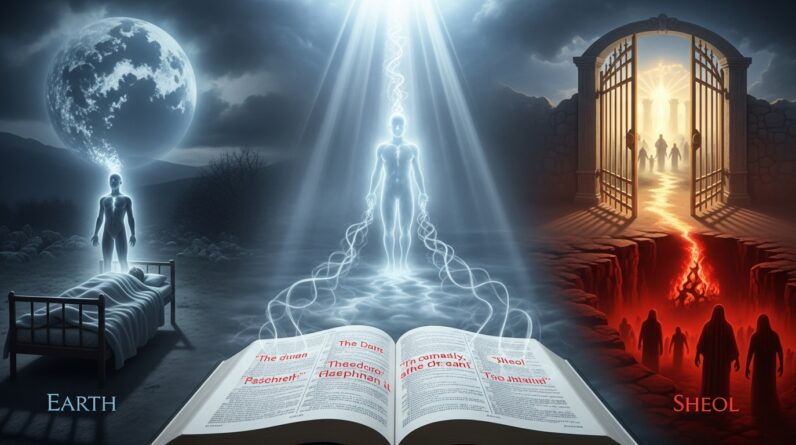
According to the Bible, people go immediately into a conscious state after death — believers go to be with the Lord (paradise), while unbelievers go to a place of separation (Hades), both awaiting the final resurrection and judgment.
INTRODUCTION
You’re asking a deep, urgent question: where do people go immediately after death? That question touches your fear, your hope, and the daily choices you make. For Christians, it matters because death is not the end of meaning — it’s the doorway to God’s final act of restoration, protection, and promise. When you face death for yourself or for someone you love, you want clear, Scripture-based answers that point back to Christ’s work and God’s purposes.
This topic shapes how you grieve, how you live, and how you summon courage to obey. When the Bible speaks about death, it anchors you not in speculation but in God’s redemptive story. For more on related truths, see our article on Heaven. and Hell In the paragraphs that follow, you’ll get a simple biblical meaning, a careful walk through Scripture, and practical steps to live in light of what God has revealed.

Where Do People Go Immediately After Death? — SIMPLE BIBLICAL MEANING
In simple terms, the Bible teaches that when a believer dies, their soul is with the Lord immediately; their body awaits resurrection. For unbelievers, Scripture emphasizes judgment and separation from God, with eternal consequences. Christ is at the center of both promises and warnings: He is the only way to be welcomed into God’s presence. This meaning matters because it shifts your focus from fear of the unknown to trust in God’s purposes — His protection for those who belong to Him, and His just action toward all.
This simple answer is rooted in the gospel: Jesus’ death and resurrection open the door for you to be “with the Lord” when you die. That assurance doesn’t remove the mystery of exactly how God’s timing unfolds in the unseen realm, but it does secure you spiritually if you are in Christ. The rest of this article will unpack the biblical texts that lead to this understanding, clarify common misconceptions, and give practical pastoral application.
WHAT DOES THE BIBLE SAY ABOUT WHERE PEOPLE GO IMMEDIATELY AFTER DEATH?
The Bible teaches two consistent truths: believers go immediately into God’s presence when they die, and bodies remain until the resurrection. Jesus assures a repentant thief that he would be “with me in paradise” that same day, indicating immediate fellowship with Christ after death. The apostle Paul affirms that to be “away from the body is to be at home with the Lord,” which expresses confidence in immediate presence with Christ for those who die trusting in Him. Simultaneously, Scripture insists that final, bodily resurrection and judgment remain future events.
Key biblical passages that shape this answer include Jesus’ words to the dying thief (Luke 23:43), Paul’s assurance about being “away from the body” and “with the Lord” (2 Corinthians 5:8), and Jesus’ declaration that whoever believes in him will live even though they die (John 11:25-26). These scriptures together give you a clear biblical framework for understanding immediate post-death reality.
📖 BIBLE FOUNDATION
Quoted verse(s)
- “Jesus answered him, ‘Truly I tell you, today you will be with me in paradise.'” — Luke 23:43
- “We are confident, I say, and would prefer to be away from the body and at home with the Lord.” — 2 Corinthians 5:8
Speaker
- Luke records Jesus speaking these words from the cross to the repentant thief. Paul writes the words in 2 Corinthians as part of his pastoral explanation about life, death, and ministry.
Audience
- Luke’s Gospel addresses a broad audience including Christians and seekers, presenting the cross as salvation in action. Paul addresses the Corinthian church — believers facing persecution, death anxiety, and questions about ministry and the afterlife.
Historical and biblical context
- Luke 23:43 occurs during Jesus’ crucifixion (AD 30–33), when one thief turned to Jesus in repentance. His promise is immediate and personal: paradise with Christ the same day. This moment reveals Christ’s authority over death and his immediate welcome for repentant faith.
- 2 Corinthians 5:8 comes from Paul’s letters (circa AD 55–57) where he contrasts earthly suffering and heavenly longing. Paul emphasizes the believer’s confidence that physical death is not defeat but transition into fuller fellowship with Christ. Both passages sit within the larger biblical story of creation, fall, redemption, and final restoration.

UNDERSTANDING GOD’S PURPOSE, PROTECTION, AND PROMISE
At the heart of Scripture’s teaching about death is one core theological truth: God’s purpose is to restore a fallen world through Christ, and that restoration includes the soul’s immediate presence with the Lord for those who have trusted him. God is sovereign over life and death; he executes justice and extends grace. His protection is not a promise of escape from dying but a promise that death will not have the final word for those in Christ. The hope he gives is rooted in Christ’s resurrection — your physical body will be raised and transformed at the last day.
Emphasize Christ’s supremacy: the believer’s hope doesn’t rest on human merit, rituals, or spiritual experiences, but on Christ’s victory over sin and death. Faith calls you to trust God’s promises and to live courageously under his authority. This view rejects superstition (e.g., that death is ambiguous and depends on practices) and speculative timelines about the soul’s journey. Instead, Scripture offers confident, humble assurance: death for the believer is a transition into the Lord’s presence and an entrance into promised eternal life with Christ.
🌊 GOING DEEPER — BIBLICAL CONTEXT
Cross-references
- Philippians 1:21-23 — Paul speaks of living as Christ and dying as gain, desiring to depart and be with Christ.
- Hebrews 9:27 — people die once, and after that comes judgment, underscoring final accountability.
- John 11:25-26 — Jesus calls himself the resurrection and the life.
A biblical narrative example
- Consider the thief on the cross in Luke 23:39-43. One thief mocks Jesus; the other repents and asks Jesus to remember him. Jesus answers, “Today you will be with me in paradise.” This story demonstrates immediate reception into Christ’s presence by faith and highlights the sufficiency of Christ’s grace at the moment of death.
Clear theological continuity
- Scripture consistently holds that death involves both the separation of soul and body (often referred to as body awaiting resurrection) and immediate personal relation with the Lord for believers. The future hope of bodily resurrection (e.g., 1 Corinthians 15) complements the present reality of being “with Christ” at death (2 Corinthians 5:8). For further study on the finishes and futures of biblical hope, see our piece on Afterlife: Hope and Resurrection.
DOES Where Do People Go Immediately After Death? GUARANTEE PROTECTION, SUCCESS, OR FINANCIAL BLESSING?
The biblical teaching about death is not a promise of temporal protection, automatic earthly success, or financial blessing. Scripture warns against equating faith with material prosperity. Jesus calls you to take up your cross (Matthew 16:24), not to expect worldly security. The New Testament models faithful suffering; Paul says that to live is Christ and to die is gain (Philippians 1:21-23). Hebrews reminds you that life ends once with subsequent judgment (Hebrews 9:27) — this is a call to faithful living, not a prosperity promise.
Prosperity teaching distorts Scripture by promising God’s blessing in exchange for techniques, giving, or formulas. The Bible’s central assurance is spiritual: for believers, death is not defeat but entry into God’s presence through Christ. That hope should free you from fear but not foster a quick path to materialism. Instead, the biblical pattern is faithful stewardship, sacrificial love, and trust in God’s provision, even amid hardship (Matthew 6:19-21).
💡 MODERN CONNECTION — FAITH, ANXIETY, AND DAILY LIFE
When you apply these truths to modern life, several practical impacts appear. First, understanding that believers are with Christ after death reduces paralyzing fear and reframes grief: you can mourn with hope, not despair. Second, this doctrine shapes decisions — you prioritize souls, obedience, and eternal values over temporary comfort. Third, it affects worship: your everyday life becomes a response to the one who has conquered death, inspiring trust and bold witness.
In moments of anxiety about death — yours or someone you love’s — anchor your mind in Christ’s promises. Practice prayer, community care, and confession. Allow the reality of Christ’s presence with the dead to move you toward compassion rather than morbid curiosity. Make daily choices that reflect eternity: invest in relationships, engage in discipleship, and prepare others for the gospel. These are practical ways to live in light of what Scripture teaches about the immediate state after death.
🛠️ Faithful Stewardship Tip For believers who feel called to teach or share biblical truth online, choosing a reliable, secure hosting platform is part of faithful stewardship. A stable host like Hostinger helps you create and maintain a site where you can post sermons, Bible studies, and resources for discipleship in a way that honors God.

ANGELS / PROMISE / DOCTRINE AND GOD’S PROTECTION
You may wonder what role angels or signs play at death. Scripture affirms angels as God’s servants (see Hebrews 1:14 — Hebrews 1:14), but your ultimate trust must be in God’s authority and Christ’s finished work. Angels may minister to believers, but they are not the source of the soul’s salvation or the final authority. Doctrinal clarity matters here: don’t substitute angelic activity for the central reality of Christ’s atoning work.
Protection in the biblical sense is spiritual — God protects your soul through Christ, ensuring that death does not finally separate believers from his love (Romans 8:38-39). That protection is not a guarantee of physical immunity. The Bible calls you to trust in God’s providence, even when the path includes suffering and death, because Christ’s resurrection secures your ultimate victory.
❤️ PRACTICAL APPLICATION
- Tell someone the gospel — urgency about death should motivate compassionate sharing with gentleness and clarity. Use Scripture to explain the hope of being with Christ (John 14:6).
- Live with eternity in view — let the reality of immediate presence with the Lord shape your priorities and generosity.
- Prepare spiritually for death — confess sin, seek reconciliation, and deepen your relationship with Christ through prayer and Scripture.
- Support grieving believers with gospel-centered comfort — remind them of Christ’s promises (e.g., Revelation 14:13).
- Trust pastoral counsel and community — don’t face death or grief alone; the body of Christ is meant to carry you.
🪞 FAITH REFLECTION BOX
When you think about your own mortality, take a moment to breathe and pray: trust that if you belong to Christ, you will be with him after death. Ask God to help you live in ways that reflect that hope. Let worship, repentance, and gratitude shape your daily steps.
A PRACTICAL TAKEAWAY
- Believers are promised immediate presence with the Lord at death, grounded in Christ’s work.
- The body awaits the future resurrection; the soul’s fellowship with God begins at death for believers.
- Death is not a guarantee of earthly success or material blessing; it is a gate to eternal realities and final judgment.
- Your daily life should reflect eternity: share the gospel, live sacrificially, and find peace in Christ.
- Steward your resources and platforms wisely to teach and encourage others toward the gospel.
❓Q&A — BIBLE ANSWERS EXPLAINED
Q1 — Do believers go straight to heaven the moment they die?
A1 — Yes, Scripture teaches believers are with Christ at death. Jesus told the repentant thief, “Today you will be with me in paradise” (Luke 23:43). Paul explains that to be “away from the body” is to be “at home with the Lord” (2 Corinthians 5:8), showing immediate fellowship.
Q2 — How does belief about immediate afterlife affect my daily choices?
A2 — If you believe death leads immediately into God’s presence for the faithful, you prioritize eternal investments: evangelism, discipleship, reconciliation, and holy living. Paul’s call to live for Christ and be ready to depart underscores this (Philippians 1:21-23).
Q3 — Does Scripture teach that signs, visions, or angels determine where you go after death?
A3 — No. Scripture places salvation in Christ’s atonement and personal faith, not in extraordinary signs. Angels may minister (Hebrews 1:14), but ultimate standing before God is determined by Christ’s work and your response to him (John 3:16-18).
CONCLUSION & PRAYER
You don’t need to live in fear of the unknown. Scripture points you to Christ: for those in him, death ushers you into his presence immediately and secures a future resurrection. For everyone else, the Bible’s warnings urge urgent faith. Let God’s purpose, protection, and promise shape how you live, love, and witness today.
Prayer: Lord Jesus, thank you that you have conquered death and promised to receive those who trust you. Give us courage to live with eternal perspective, to share your gospel clearly, and to comfort those who mourn with your hope. Help us to trust you in life and in death, and to honor you with every day we are given. Amen.