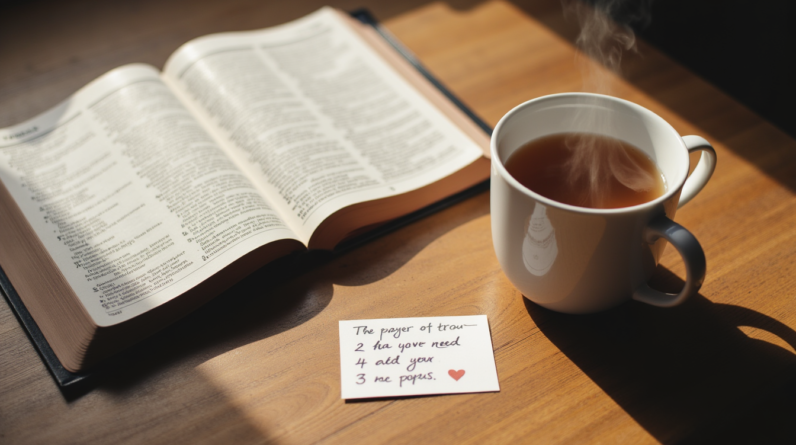



You sit with open hands, a list of needs, and a heart that wants connection—yet your mind goes blank, or races, or shuts down completely. You try to pray, but thoughts scatter, guilt creeps in, or emotions make words feel impossible.
It’s a deeply frustrating experience: you genuinely want to talk with God, but something inside feels like it’s blocking the way. That quiet resistance—the desire to pray but feeling unable to—is more common than you think, and you are not alone in it.

The Core Struggle: When Inner Blocks Stop You From Praying
Prayer can feel hard for many reasons, but this article focuses on one specific struggle: internal emotional and mental blocks that interrupt your ability to pray.
This is more than distraction or busyness. It’s the experience of wanting to pray but being hindered by:
- intrusive thoughts
- shame or guilt
- anxiety or overwhelm
- grief or emotional heaviness
- perfectionism (“I have to pray the right way”)
- emotional numbness or silence
You may still believe in God and genuinely want connection—but feel unable to access prayer in a meaningful way.
This article will help you:
- recognize what’s happening internally
- understand it through Scripture
- and take practical, gentle steps to reconnect with God even in resistance
Biblical foundation
Scripture is honest about the complexity of prayer and the weakness of human hearts.
Romans 8:26-27
The Holy Spirit helps us in our weakness, even when we don’t know what to pray. When words fail, the Spirit still intercedes. This means silence, confusion, or emotional overload is not disconnection from God—it’s a place where the Spirit is still actively working.
Matthew 11:28
Jesus invites the weary and burdened to come to Him for rest. That includes the moments when you don’t have the energy or clarity to pray “properly.” Rest is part of prayer too.
These passages don’t remove the struggle—but they remove the pressure to perform. God meets you in the middle of your inability, not just your strength.
Practical Steps When Prayer Feels Blocked
These practices are designed specifically for mental and emotional resistance. Use one or combine them depending on what you need in the moment.
1. Name What’s Blocking You (2–3 minutes)
Start by identifying what you’re experiencing without trying to fix it.
Say or write:
- “I feel anxious.”
- “I feel numb.”
- “I’m afraid I’ll do this wrong.”
- “I feel distant.”
- “My thoughts are too loud.”
Naming helps because it:
- separates you from the emotion
- reduces internal chaos
- gives clarity to what you’re actually bringing before God
Don’t try to change anything yet—just acknowledge it honestly.
2. Use a Micro-Prayer (30–60 seconds)
When full sentences feel impossible, use short, honest prayers like:
- “Help me.”
- “I’m here.”
- “I don’t know what to say.”
- “Come, Holy Spirit.”
- “Stay with me.”
Repeat slowly with your breathing:
- inhale: “Help me”
- exhale: “God”
This removes pressure and keeps prayer accessible when your mind is overwhelmed.
Even silence with intention is still prayer.
3. Write Before You Pray (5–12 minutes)
Take a few minutes to write freely—no structure, no editing, no spiritual performance.
Let your thoughts spill out as they are.
Then:
- read what you wrote
- choose one honest line
- turn it into a simple prayer
Example:
“I feel overwhelmed and distracted” → “God, I feel overwhelmed and distracted. Please meet me here.”
This bridges your internal noise into honest communication with God.
4. Engage a Simple Sensory Ritual (2 minutes)
When your mind is scattered or emotions feel distant, use your body to ground yourself:
Choose 1–2 simple actions:
- light a candle
- place a hand on your chest
- hold a cross
- take slow sips of water
- breathe deeply and slowly
While doing it, repeat:
- “God, I am here.”
- “Be near to me.”
This helps calm your nervous system and creates a consistent entry point into prayer.
5. Create a Small Prayer Bookmark
Prepare a short list of 3–5 simple prayers you can use anytime:
- “God, help me today.”
- “Thank you for this moment.”
- “Heal what’s hurting in me.”
- “Teach me to trust You.”
- “I’m listening, even in silence.”
When prayer feels hard, don’t start from zero—start from your bookmark.
Consistency matters more than creativity in difficult seasons.
What This Struggle Reveals (And What God Is Doing)
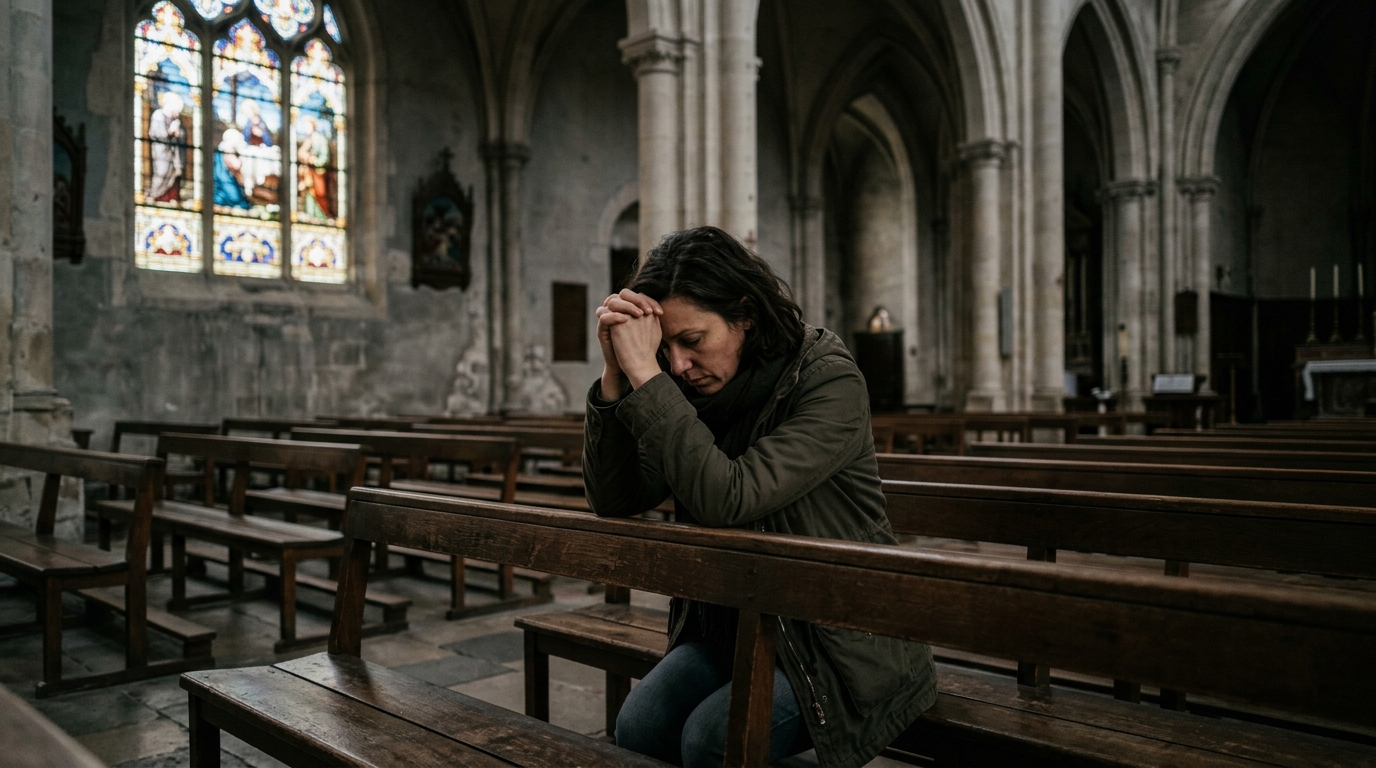
When prayer feels blocked, it doesn’t mean you’re failing spiritually. Often, it reveals places in your heart that are tender, overwhelmed, or in need of healing.
Instead of a sign of distance from God, these moments can actually become invitations into deeper honesty.
God is not waiting for perfect words. He is present in:
- silence
- confusion
- fragments of thought
- even the desire to pray
What matters is not performance, but presence.
Small steps still count. A single sentence. A breath of attention. A moment of honesty. These are not insignificant—they are real connection points with God.
What This Struggle Reveals (And What God Is Doing)
When prayer feels blocked, it doesn’t mean you’re failing spiritually. Often, it reveals places in your heart that are tender, overwhelmed, or in need of healing.
Instead of a sign of distance from God, these moments can actually become invitations into deeper honesty.
God is not waiting for perfect words. He is present in:
- silence
- confusion
- fragments of thought
- even the desire to pray
What matters is not performance, but presence.
Small steps still count. A single sentence. A breath of attention. A moment of honesty. These are not insignificant—they are real connection points with God.

Keep Growing Even When Prayer Feels Difficult
If you’re navigating a season where prayer feels heavy or inconsistent, these related topics may help you continue building spiritual stability:
- How to Stay Close to God Every Day — building a consistent relationship with God through daily habits
- What To Do When You Don’t Feel Like Praying — overcoming prayer resistance during difficult seasons
- How to Pray — building a simple, sustainable prayer foundation
Each one builds on the same truth: God is not far, even when prayer feels difficult.
Short Prayer
Heavenly Father, You see the places in me that feel blocked, tired, or unsure. Meet me in my silence and in my words. Help me take even the smallest step toward You today. When I don’t know what to pray, teach my heart to rest in You. Amen.
Conclusion
Prayer can feel hard when internal blocks interrupt your thoughts, emotions, or sense of connection. But these barriers are not the end of prayer—they are often the starting point of deeper honesty with God.
By naming what you feel, using simple prayers, writing honestly, engaging your body, and keeping small repeatable tools, you create pathways back into connection.
Even the smallest prayer still reaches God.