

Explore the symbolism and meaning behind Palm Sunday. Discover how its themes of hope and humility resonate in Matthew 21:5 and today’s world. Reflect and connect.
Introduction
Welcome to a deep dive into the story of Palm Sunday, a significant event in the Christian calendar that marks the beginning of Holy Week.
Palm Sunday is more than just a historical moment—it’s a powerful spiritual picture filled with meaning, symbolism, and life-changing lessons. From the crowd shouting Hosanna to Jesus riding a humble donkey, every detail points to something deeper.
👉 If you want to explore specific parts of this story in more depth, you can also read:
- Why Did Jesus Christ Ride a Donkey? (Meaning Explained)
- Meaning of “Hosanna” in the Bible
- Lessons from Palm Sunday: Humility & Kingship
- Palm Sunday Bible Verses (Top Verses for Reflection)
As we explore Matthew 21:5, you’ll begin to see how all these pieces come together into one powerful message.
Verse Reference
Matthew 21:5 (NIV)
“Say to Daughter Zion, ‘See, your king comes to you, gentle and riding on a donkey, and on a colt, the foal of a donkey.'”
This verse captures the heart of Palm Sunday—a King who arrives not with power, but with humility.
The Significance of Palm Sunday
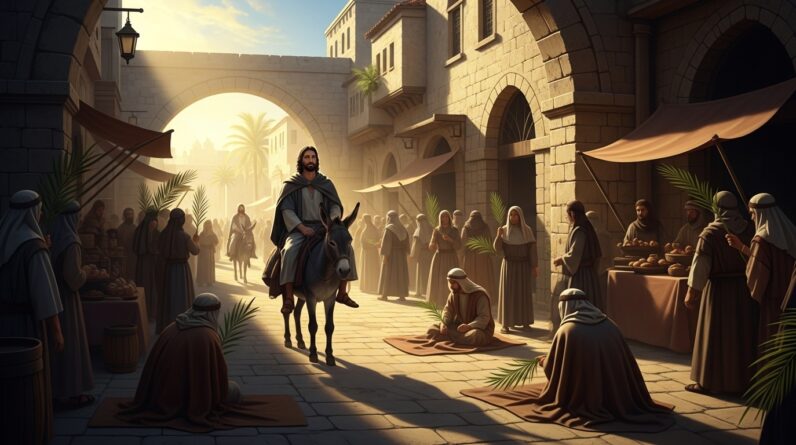
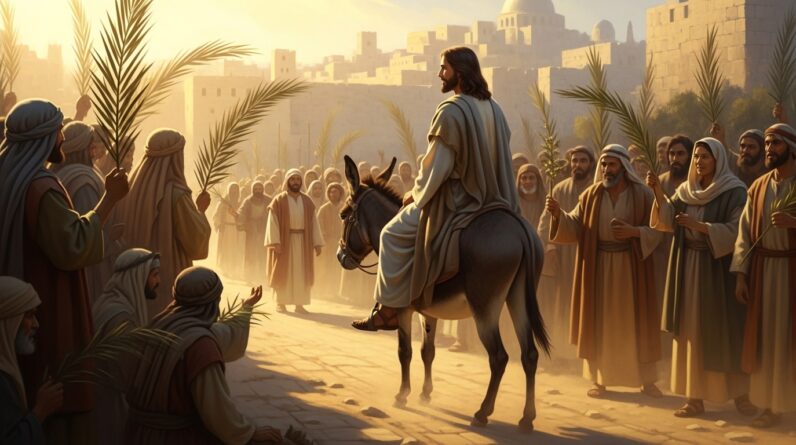
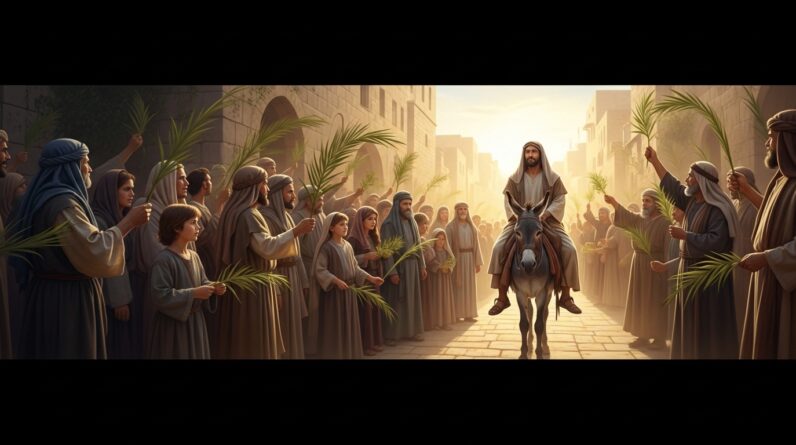
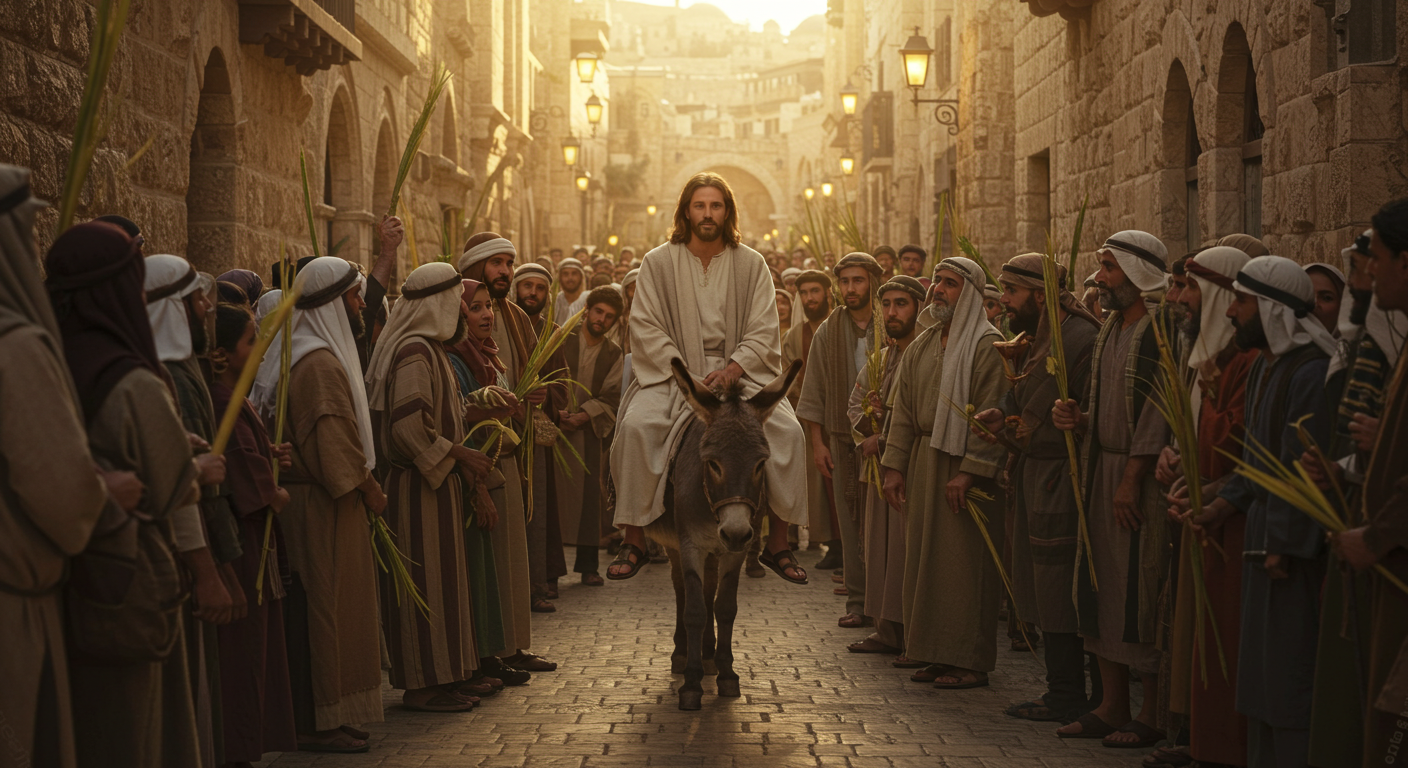
Palm Sunday marks Jesus’s triumphant entry into Jerusalem, setting the stage for the events of Holy Week.
It is filled with meaning:
- A King arrives—but not as expected
- A crowd praises—but does not fully understand
- A moment of celebration—before sacrifice
The Humble King: Why Jesus Rode a Donkey
One of the most striking details in this story is Jesus riding a donkey.
This was not random—it was intentional.
👉 If you want a deeper breakdown, read:
Why Did Jesus Christ Ride a Donkey? (Meaning Explained)
In ancient times:
- Kings rode horses for war
- Kings rode donkeys for peace
Jesus chose the donkey to declare something powerful:
His kingdom was not about force—but about peace, humility, and salvation.
This challenges how we define success, power, and leadership even today.
What Does “Hosanna” Really Mean?
As Jesus entered Jerusalem, the crowd shouted:
“Hosanna to the Son of David!”
But what did that actually mean?
👉 For a full explanation, see:
Meaning of “Hosanna” in the Bible
“Hosanna” wasn’t just praise—it meant:
“Save us now.”
This reveals something important:
- The crowd expected a political savior
- Jesus came as a spiritual Savior
That tension is central to understanding Palm Sunday.
Fulfillment of Prophecy
Matthew 21:5 connects directly to Zechariah 9:9, showing that this moment was foretold centuries before.
Jesus didn’t accidentally fulfill prophecy—He intentionally stepped into it.
This reveals:
- God’s plan is intentional
- God’s promises are reliable
- Palm Sunday is part of a bigger redemption story
Key Lessons from Palm Sunday
Palm Sunday is not just something to remember—it’s something to live.
👉 For a full breakdown, read:
Lessons from Palm Sunday: Humility & Kingship
Here are some of the biggest lessons:
1. True greatness is humility
Jesus redefines what it means to be a king.
2. Not all praise is rooted in understanding
The same crowd that shouted “Hosanna” would later turn.
3. God’s plans may not match expectations
But they are always better.
A Prelude to Holy Week
Palm Sunday begins a journey:
- From celebration → to sacrifice
- From cheering crowds → to the cross
- From expectation → to fulfillment
It invites us to walk through Holy Week with awareness and reflection.
Palm Sunday Bible Verses for Reflection
If you want to meditate deeper on this moment, Scripture gives powerful insight.
👉 See the full list here:
Palm Sunday Bible Verses (Top Verses for Reflection)
These verses help you:
- Understand the full story
- Reflect on Jesus’s mission
- Apply Palm Sunday to your daily life
Tradition and Celebration
Around the world, Palm Sunday is remembered through:
- Palm branch processions
- Worship services
- Scripture readings
- Reflection and prayer
Palm branches symbolize:
- Victory
- Peace
- Recognition of Jesus as King
But the deeper question is:
👉 Do we recognize Him the same way today?
Reflection on Palm Sunday
Palm Sunday invites personal reflection:
- Do I welcome Jesus only when it’s convenient?
- Do I expect Him to meet my plans—or trust His?
- Do I follow Him in both celebration and sacrifice?
The crowd welcomed Him loudly.
But true discipleship goes deeper than emotion.
The Narrative of Palm Sunday
This moment is alive with emotion:
- Joy
- Expectation
- Confusion
- Hope
The crowd cried out.
The city stirred.
History shifted.
Yet beneath it all was a quiet truth:
Jesus knew exactly where this road would lead—the cross.
Unpacking the Imagery in Matthew 21:5
The Donkey
A symbol of:
- Peace
- Humility
- Servanthood
Not weakness—but controlled strength.
Daughter Zion
A poetic expression of:
- God’s people
- God’s promise
- God’s faithfulness
This moment was not random—it was relational.
Engaging with Palm Sunday Today
Palm Sunday still speaks today.
In a world chasing:
- Power
- Status
- Control
Jesus offers:
- Humility
- Peace
- Purpose
This is not just history.
It’s an invitation.
Conclusion
Palm Sunday, captured in Matthew 21:5, is more than an event—it’s a revelation.
It shows us:
- What kind of King Jesus is
- What kind of kingdom He brings
- What kind of life He calls us to live
If you want to dig deeper into related themes during Holy Week and Lent, explore these resources in our series:
- Main Holy Week Hub: Holy Week Timeline: Events and Meaning
Before you leave, take a moment to go deeper:
👉 Explore:
- Why Did Jesus Christ Ride a Donkey? (Meaning Explained)
- Meaning of “Hosanna” in the Bible
- Lessons from Palm Sunday: Humility & Kingship
- Palm Sunday Bible Verses (Top Verses for Reflection)
These will help you see the full picture of Palm Sunday—and why it still matters today.
Next Step in Holy Week Journey:
Sponsored recommendation

Acknowledgment: All Bible verses referenced in this article were accessed via Bible Gateway (or Bible Hub).
“Want to explore more? Check out our latest post on Why Jesus? and discover the life-changing truth of the Gospel!”