



Many moments in life feel like a storm. You may be wrestling with anxiety, facing an uncertain future, carrying grief, or trying to make sense of a world that seems to spin faster than you can keep up with. In the middle of that turbulence, a simple, clear command from Scripture can feel like an anchor: “Be still, and know that I am God.” When you read those words in Psalm 46:10, they do more than describe a spiritual posture—they invite you into a lived experience of peace, trust, and perspective. In this article, you’ll explore the verse’s original context, its deeper meanings, why it still matters today, and practical ways to let this truth shape your daily life.

The Bible Verse Explained
“Be still, and know that I am God; I will be exalted among the nations, I will be exalted in the earth.” (Psalm 46:10)
To understand this verse fully, you’ll want to step back into its biblical and historical setting. Psalm 46 is attributed to the Sons of Korah, a family of Levitical singers and temple servants (their name appears in several psalms). The psalm is a corporate song—meant for the community of God’s people—and it celebrates God as refuge and strength in times of trouble. The opening lines declare God’s help and presence amid chaos: “God is our refuge and strength, an ever-present help in trouble” (Psalm 46:1). As the psalm progresses, the imagery intensifies: nations rage, mountains quake, waters roar—potent metaphors for political upheaval, natural disaster, or the emotional storms of life.
Who it was written to
- The psalm was addressed primarily to the people of Israel, the worshiping community, offering them a corporate reminder that God is sovereign even when the world seems chaotic. Yet its message reaches every believer across time who needs reassurance of God’s presence.
Historical setting
- Scholars debate the exact historical moment, but many connect Psalm 46 to times of political threat or military danger—possibly during the turbulent years of Assyrian or Babylonian pressure. The psalmist’s language of nations and city destruction captures the fear experienced by communities facing overwhelming forces.
Key message of the passage
- The core of Psalm 46 is confidence in God’s sovereignty. When the psalmist commands you to “be still,” it’s not a call to passivity so much as a call to acknowledge God’s control, cease frantic striving, and watch God act. The closing clause—“I will be exalted among the nations”—broadens the scope: God’s reign is not private; it will be visible to the world. The verse balances quiet trust with bold proclamation: stillness before God leads to recognition of His supremacy.

What Does This Verse Really Mean?
When you dig beneath the surface of Psalm 46:10, several interwoven truths emerge. The verse invites a spiritual posture (stillness), an epistemic assurance (knowing God), and a theological claim (God’s exaltation). Let’s unpack the deeper meaning in approachable steps.
1. Understanding the Message of the Verse
At the heart of Psalm 46:10 is an invitation to stop frantic activity and recognize God’s authority. Stillness here is both silence and surrender. It is the refusal to be driven by panic, to frantically try to control outcomes, or to place your hope in shifting human systems. The psalmist urges you to pause and allow God’s presence and power to frame your perspective. Knowing God is not merely intellectual assent; it’s experiential confidence born of worship and trust. When you “know that I am God,” you acknowledge His character—His power, faithfulness, holiness, and loving sovereignty.
This kind of knowledge transforms how you respond to crises. Instead of reacting from fear, you respond from faith. Instead of hastily grasping for quick fixes, you wait on God’s direction. The verse invites you to a posture that cultivates both inner peace and spiritual clarity.
2. Trusting God’s Wisdom and Guidance
Psalm 46:10 encourages trust in God’s wisdom even when circumstances contradict reassurance. Trust here means relying on God’s judgment rather than your limited perception. It means making space for God’s timing and methods, which may not match your expectations. Historically, God’s deliverance often arrives in ways that seem unexpected or slower than you hoped, but with results that reveal His sovereignty and wisdom.
Trust also involves humility. When you admit you don’t have complete control, you open yourself to divine guidance. Practically, that may mean pausing to pray, consulting Scripture for wisdom, or seeking godly counsel instead of acting out of immediate emotion. The command to “be still” is an invitation to let God’s wisdom reorient your decisions.
3. Living Out This Truth in Everyday Life
Applying Psalm 46:10 day-to-day shapes your habits and rhythms. Stillness becomes a discipline: sacred pauses amid busyness that recalibrate your heart toward God. Knowing God becomes a lived reality through practices that deepen your awareness of Him—listening prayer, meditation on Scripture, communal worship, and unhurried times of reflection. Over time, these practices produce resilience: you won’t be as easily shaken by setbacks because your identity and hope rest in God, not circumstances.
Living this truth also influences how you relate to others. When you’re grounded in God’s sovereignty, you are more patient, compassionate, and courageous. You extend steadiness to people in crisis and speak hope when others are tempted to despair. In short, Psalm 46:10 is not an abstract theological slogan; it’s a formation tool for your character and community life.
Why This Verse Still Matters Today
You might wonder how an ancient line of poetry speaks into your modern, frenetic world. The answer is simple: human hearts across epochs face the same core fears—loss of control, uncertainty about the future, and longing for meaning. Psalm 46:10 arrives as a perennial antidote.
Faith during uncertainty
- The modern world amplifies uncertainty with rapid news cycles, economic volatility, and social upheaval. Psalm 46:10 offers a spiritual posture when data and forecasts fail to bring peace. It grounds you in a reality beyond shifting headlines.
Trusting God in difficult seasons
- When grief, illness, or relational breakdowns hit, you’ll find that stillness is a faith practice. It doesn’t deny pain; it situates pain within God’s sovereign care. Instead of pretending you understand all that’s happening, you trust God’s goodness and presence even in the mystery.
Spiritual growth
- Spiritual maturity often grows in the soil of stillness. When you learn to be quiet before God, your prayers become more shaped by listening than by mere asking. That receptive spiritual life deepens your understanding of God’s character and strengthens your discernment.
Encouragement from Scripture
- The Bible repeatedly calls God’s people to remember, rest, and trust. Psalm 46:10 resonates with other passages that teach reliance on God’s guidance and peace. That repeated biblical testimony offers you the assurance that this invitation isn’t occasional advice—it’s a consistent spiritual rhythm meant for your wellbeing.

How to Apply This Verse in Your Life
Knowing the verse intellectually is one thing; living it out is another. Here are practical steps you can adopt to make Psalm 46:10 a lived reality rather than an abstract slogan.
1. Reflect on God’s Word Daily
Create consistent rhythms of Scripture reading and reflection. Even short daily readings can transform your outlook over months and years. When you meditate on verses that reveal God’s character, you build a framework that helps you recall God’s promises in stressful moments. Try selecting a short Psalm or a passage that highlights God’s sovereignty each week and reflect on it during your morning or evening quiet time.
Make your reflection active: read slowly, ask what the passage reveals about God, and journal brief responses. Over time, these small practices create a store of spiritual memory you can draw on when storms come.
2. Pray for Wisdom and Guidance
Prayer is not only petition; it’s dialogue. Ask God for wisdom, then wait expectantly to hear. Your prayers shape your trust muscle. In moments of anxious decision-making, take time to pray, breathe, and listen. You might choose to pray with Scripture—echoing Psalm 46:10 back to God and asking Him to make the truth operative in your circumstance.
Remember that corporate prayer strengthens individual faith. Engage in community prayers where possible; hearing others’ experiences of God’s faithfulness often reinforces your own trust.
3. Trust God Even When Life Feels Uncertain
Trust isn’t a one-time action; it’s a repeated stance. When you feel fear creeping in, practice redirecting your thoughts to what you know of God—His past faithfulness, His promises, and His character. Use memory anchors: particular Scriptures, songs, or testimonies that remind you of God’s steady presence.
Practically, this might look like pausing before reacting to bad news, taking three slow breaths and saying aloud, “God is here,” or replacing catastrophic “what if” loops with truthful reminders from Scripture.
4. Live Out Your Faith Through Action
Stillness doesn’t excuse inactivity. After you rest in God and gain clarity, move with obedient action. Let your decisions be informed by prayer and Scripture rather than by panic. Service is also a way to embody trust: when you help others in crisis, you demonstrate confidence that God can use your small obedience for bigger purposes.
Cultivate habits that support stillness: digital sabbaths, short daily retreats, nature walks, or scheduled times of silence. These practices create a physical and spiritual space where the command to “be still” can be practiced and internalized.
Image recommendation (Body Image 3)
- Placement: Within the “How to Apply This Verse in Your Life” section, after the subsection on living out your faith through action.
- Prompt: “A person kneeling in quiet prayer on a wooden floor beside a window with soft morning light, an open Bible and a cup of tea nearby, intimate and peaceful devotional atmosphere — high-resolution, natural tones, candid and comforting.”

Common Misunderstandings About This Verse
When verses become popular, they often attract misunderstandings. Psalm 46:10 is no exception. Here are common mistakes to avoid and clarifications to keep your faith grounded biblically.
Taking the verse out of context
- Sometimes people use “be still” as a private mantra disconnected from the psalm’s broader themes of God’s protection and action. The verse is embedded in a declaration of God’s refuge and strength; it assumes God is active and powerful. The stillness it calls for is grounded in the reality of God’s presence.
Misunderstanding the promise
- “Be still” is not a guarantee that all problems vanish if you merely become quiet. It doesn’t promise immediate removal of hardship. Instead, it promises access to God’s presence and perspective amidst the hardship. The psalmist testifies that God is with you and able to act; the outcome may not align with your timetable, but God’s sovereignty and purposes remain intact.
Applying the verse incorrectly
- Some treat stillness as complacency. True biblical stillness is an active trust that can lead to decisive action under God’s direction. Don’t confuse passive resignation with the prayerful, expectant stillness the psalmist describes. You’re called to be still before God, then to move in obedience and faith.
Recognize that the verse is both pastoral and prophetic. It comforts you in fear and announces God’s exaltation over the nations. Holding both aspects in balance helps you avoid extremes—neither fatalistic quietism nor frantic self-reliance.
Bible Verses Related to This Passage
These passages complement Psalm 46:10 by echoing themes of trust, God’s sovereignty, and faith in uncertain times:
- Proverbs 3:5–6 — Encourages you to trust in the Lord with all your heart and not rely solely on your understanding; God will direct your paths. This reinforces the call to trust God’s guidance rather than your instant judgments.
- Romans 8:28 — Reminds you that God works all things for the good of those who love Him. That promise can steady you in the stillness, helping you trust that God’s purposes are at work even in suffering.
- Hebrews 11:1 — Defines faith as the assurance of things hoped for and conviction of things not seen, which aligns with the trust cultivated by being still and knowing God.
- Psalm 37:5 — “Commit your way to the Lord; trust in him and he will act.” This practical call parallels Psalm 46:10’s invitation to repose in God and expect His action.
Each of these verses provides a facet of the broader biblical testimony: God is trustworthy, active, and worthy of your stillness and trust.
Frequently Asked Questions About This Verse
What does this verse mean in simple terms?
- In simple terms, Psalm 46:10 tells you to stop panicking, quiet your heart, and remember that God is in control. It invites you to trust God rather than being driven by fear or frantic efforts.
Who wrote this verse in the Bible?
- The Psalm is attributed to the Sons of Korah, a group associated with the Levitical singers and worship leadership in ancient Israel. The psalm was written as a communal song of trust, used by God’s people in times of threat and anxiety.
What is the main message of this verse?
- The main message is that stillness and recognition of God’s sovereignty are appropriate responses to turmoil. When you pause, acknowledge God’s authority, and trust Him, you align yourself with divine reality and invite His redemptive action.
How should Christians apply this verse today?
- Christians should practice spiritual disciplines that cultivate stillness—prayer, Scripture meditation, silence, and Sabbath rhythms. These practices make it easier to trust God during crises, let go of anxious control, and act in obedience once God’s direction becomes clear.
Can “be still” mean doing nothing?
- Not necessarily. Biblical stillness is not passive resignation. It is an active, trust-filled pause before God that often leads to informed action. You still steward responsibilities, but from a place of rest and trust rather than frantic control.
How does this verse relate to prayer?
- This verse undergirds prayer by shaping your posture before God. Instead of approaching prayer as a list of demands made in anxiety, “be still” teaches you to come with listening and trust, expecting God’s guidance and wisdom.
A Short Prayer Inspired by This Verse
Heavenly Father,
Thank You for the wisdom and truth found in Your Word. Help me understand and live out the message of this verse each day. Strengthen my faith, guide my steps, and teach me to trust You more deeply in every season of life.
In Jesus’ name, Amen.
You can use this prayer as a simple template for moments when you need to quiet your heart and realign your trust with God.
Explore Related Bible Lessons
Other Bible Character Stories
• Life Lessons From David: Faith, Leadership, and Repentance → Explore David’s Story
• Life Lessons From Joshua: Courage and Obedience → Explore Joshua’s Story
• Life Lessons From Samuel: Hearing God’s Voice and Faithful Service → Explore Samuel’s Story
Featured Lesson
• Prayer Practices: A Biblical Guide To Deepening Your Prayer Life → Learn How
Hub Collection
• Life Lessons From Bible Characters: 31 Powerful Examples of Faith and Obedience → Read the Full Collection
 Continue Growing in Your Faith
 Continue Growing in Your Faith
If this study of Bible characters encouraged your heart, keep growing with these powerful biblical teachings and devotionals:
• The 9 Fruits of the Spirit Explained (Galatians 5:22–23)
• 10 Biblical Promises of God That Bring Hop
• 12 Daily Christian Habits to Strengthen Your Walk With God
• 7 Daily Prayers for Peace of Mind and Heart – Philippians 4:6–7
• Lessons from Gideon – Trusting God Beyond Our Fear
• Lessons from Joseph – Trusting God’s Promises Beyond Our Lifetime
 These articles will help you continue exploring God’s Word, grow in faith, and apply biblical truths to your life today.
Final Thoughts
Psalm 46:10 is a brief sentence with a wide influence. It calls you into a discipline of stillness that is neither passive nor escapist; it is a spiritual posture that recognizes God’s presence, power, and purposes. In your busiest, most anxious, and most uncertain seasons, this verse offers a pathway back to trust. By practicing stillness through Scripture, prayer, and obedient action, you’ll find your soul steadied and your perspective renewed.
Let Psalm 46:10 be more than an inspirational quote. Allow it to be a daily practice that shapes how you think, pray, and act. As you learn to be still and truly know God, you’ll discover a deeper resilience and a renewed capacity to reflect God’s peace to others.
Recommended Christian Reading
 Recommended Christian Reading
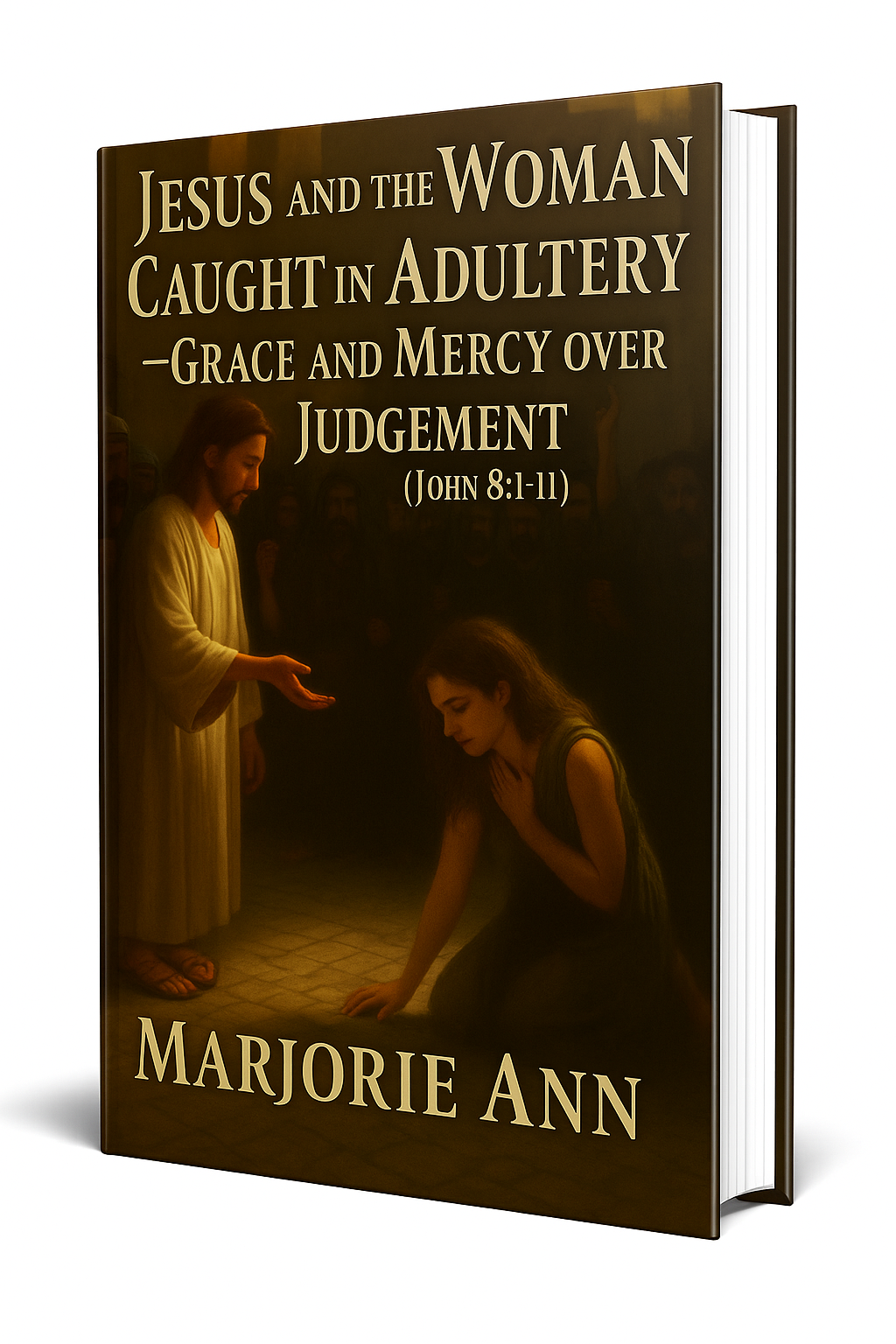
Jesus and the Woman Caught in Adultery — Grace and Mercy Over Judgment
A powerful retelling of Gospel of John 8:1–11, exploring forgiveness, mercy, and Christ’s compassion.
If you’re reflecting on spiritual growth and obedience, this story will remind you that transformation begins with grace.

Sponsored recommendation

Acknowledgment: All Bible verses referenced in this article were accessed via Bible Gateway (or Bible Hub).
“Want to explore more? Check out our latest post on Why Jesus? and discover the life-changing truth of the Gospel!”