


To understand how to receive the Holy Spirit, it’s important to first see the full story of what Jesus has done. After His resurrection and ascension, the Holy Spirit was given to believers. You can follow this journey in What Happened After Jesus Rose From the Dead? (Full Timeline Explained) and understand why this happened in Why Did Jesus Ascend Into Heaven? (Biblical Reasons Explained).

You’re asking one of the most important questions a follower of Jesus can ask: how do you receive the Holy Spirit? This guide walks you through the biblical teaching, practical steps, and everyday application so you can open your heart to God’s Spirit, understand what He does, and welcome His presence into your life.
This is written for you—someone who wants clear, Bible-based help. I’ll use Scripture links so you can read each verse in context, and I’ll offer practical next steps, common questions, and a short prayer you can pray right now.

Quick answer
You receive the Holy Spirit through faith in Jesus Christ, repentance, and surrender—asking God and believing His promise. The Bible consistently presents the Holy Spirit as a gift given to those who trust in Christ and turn to God.
Key verse
Acts 2:38 is central to this teaching: Peter tells the crowd to repent, be baptized, and receive the gift of the Holy Spirit. That verse frames the biblical pattern: believe, repent, and receive.
A simple explanation
The New Testament emphasizes three steps that flow together in a believer’s life:
• Believe
• Repent
• Receive
Each of these is both an initial response and a continuing posture of the heart. You’ll see how they work in the Bible and how you can respond in prayer and obedience.
What the Bible says about the Holy Spirit
The New Testament presents the Holy Spirit as God’s active presence with believers: your comforter, guide, helper, and seal. Jesus promised the Spirit and sent the Spirit at Pentecost. The apostles taught that the Spirit comes to those who trust Christ and is given to empower, renew, and sanctify.
Read Jesus’ promise to send the Spirit in John 14:16-17. Jesus calls the Spirit the Advocate who will be with you forever. He also connects the Spirit to power for witness in Acts 1:8. The fulfillment of Jesus’ promise at Pentecost is recorded in Acts 2:1-4, where the disciples were filled with the Holy Spirit.
Paul explains that believers have the Spirit—He is the mark of belonging to Christ: Romans 8:9. He also identifies the Spirit as God’s seal and guarantee in Ephesians 1:13-14. The Spirit produces the fruit of Christlike character in Galatians 5:22-23.
These passages show you that the Holy Spirit is both a present gift and an ongoing presence that shapes your life.

Why receiving the Holy Spirit matters for you
Receiving the Holy Spirit is not just an event; it’s the start (and the constant renewal) of a relationship with God. The Spirit brings inner transformation so you aren’t left to spiritual effort alone. He equips you to pray, opens Scripture to your heart, empowers you to love well, and enables you to testify about Jesus.
The Spirit also comforts and guides you in times of confusion and temptation. If you want to grow in holiness and become effective in ministry, inviting and receiving the Holy Spirit is essential.
WHY the Holy Spirit is given
This becomes clearer when you read Why Did Jesus Ascend Into Heaven? (Biblical Reasons Explained), where Jesus explains why the Holy Spirit would come after He returned to the Father.
Biblical steps to receive the Holy Spirit
Below are practical, biblically grounded steps you can take. These are not a formula that forces God to act; they are faithful responses to God’s revealed will.
1. Believe in Jesus Christ
Start with faith. The New Testament consistently teaches that the Spirit is given to those who place their trust in Christ. Read John 7:37-39 where Jesus links believing in Him to receiving the Spirit. If you have not trusted Jesus as your Savior and Lord, that is the primary step. Faith is not merely intellectual assent; it’s a personal reliance on Jesus for forgiveness, new life, and eternal hope.
2. Repent—turn from sin and turn to God
Repentance is a heartfelt turning from sin and turning toward God. Peter’s call in Acts 2:38 connects repentance to receiving the Holy Spirit. When you acknowledge sin, ask God to forgive you, and commit to follow Jesus, you create the spiritual posture to receive God’s gift.
Repentance changes your course. It’s not a one-time act for some people and meaningless for others; it’s a mark of a heart willing to be transformed by God.
3. Confess Jesus as Lord
Confession is the public or private declaration that Jesus is Lord of your life. Paul writes that if you confess with your mouth Jesus as Lord and believe in your heart, you will be saved (Romans 10:9). Confession expresses your surrender and opens you to the Spirit’s work.
4. Be baptized (if you haven’t already)
In Acts 2 Peter calls people to be baptized after they repent and before they receive the Spirit (Acts 2:38). Baptism is an obedient step that visibly identifies you with Christ’s death, burial, and resurrection. For many, baptism is the point of public commitment that accompanies receiving the Spirit, though the Spirit is not limited to any ritual—but baptism frequently marks the start of the Spirit-filled life.
5. Ask God to fill you
Jesus and the apostles teach that you should ask God for the Spirit. Luke records Jesus’ words encouraging persistence in prayer; he also records that God gives the Holy Spirit to those who ask (Luke 11:13). Ask in faith, believing God’s promise.
6. Wait with expectancy and openness
At Pentecost the disciples were told to wait in Jerusalem for the promised Spirit (see Acts 1:4-5). Waiting includes prayer, worship, and a posture of openness. You don’t need to manufacture dramatic experiences. Expect God to act in His way and time—often through quiet assurance, changed desires, or a fresh boldness.
7. Yield control and obey
Receiving the Spirit involves yielding your will. Paul often contrasts trusting in the flesh with walking by the Spirit. Yielding includes asking God to direct your daily choices, seeking Scripture, and obeying promptings that align with God’s Word. When you obey, you create space for the Spirit to transform you from the inside out.
8. Seek community and prayerful support
The New Testament shows that believers often receive the Spirit in community—at Pentecost, the Spirit fell on the gathered church (Acts 2:1-4). Ask trusted Christian friends or leaders to pray with you. Corporate worship and prayer create an environment where God frequently moves.
FOUNDATION in Jesus’ work
Receiving the Holy Spirit is rooted in what Jesus accomplished, which is explained in The Meaning of the Resurrection of Jesus Christ.

What about “being baptized in the Spirit” and the gifts?
The phrase “baptized with the Holy Spirit” appears in the New Testament (e.g., Acts 1:5; Acts 11:16). For many believers, this describes an empowering encounter with the Spirit that equips you for witness and ministry. In other cases, the New Testament describes receiving the Spirit as the moment of conversion (1 Corinthians 12:13).
The Spirit also distributes spiritual gifts for building up the church (1 Corinthians 12:4-11). Gifts and manifestations may vary. The biblical emphasis is not on spectacular signs but on love, service, and the fruit of the Spirit (1 Corinthians 13:1-3; Galatians 5:22-23).
Practical prayers you can pray to receive the Holy Spirit
You don’t need elaborate formulas. God values a sincere heart. Here are simple prayers you can use and adapt:
- “Lord Jesus, I believe You are Lord. I repent of my sins. Please forgive me, come into my life, and fill me with Your Holy Spirit.”
- “Father, I ask for the promised Holy Spirit. Help me to be open to Your work in me and empower me to live for You.”
- “Holy Spirit, come. Teach me, lead me, and produce Your fruit in my life.”
Jesus taught you to ask and believe that God will give good gifts (Luke 11:9-13). You can ask now and mean it from your heart.

How you’ll know the Spirit is with you
The Bible doesn’t give a single sensory test but points to several indicators:
- Inner assurance of belonging to Christ (Romans 8:16). The Spirit bears witness with your spirit that you are God’s child.
- A growing desire to obey God and a sensitivity to sin.
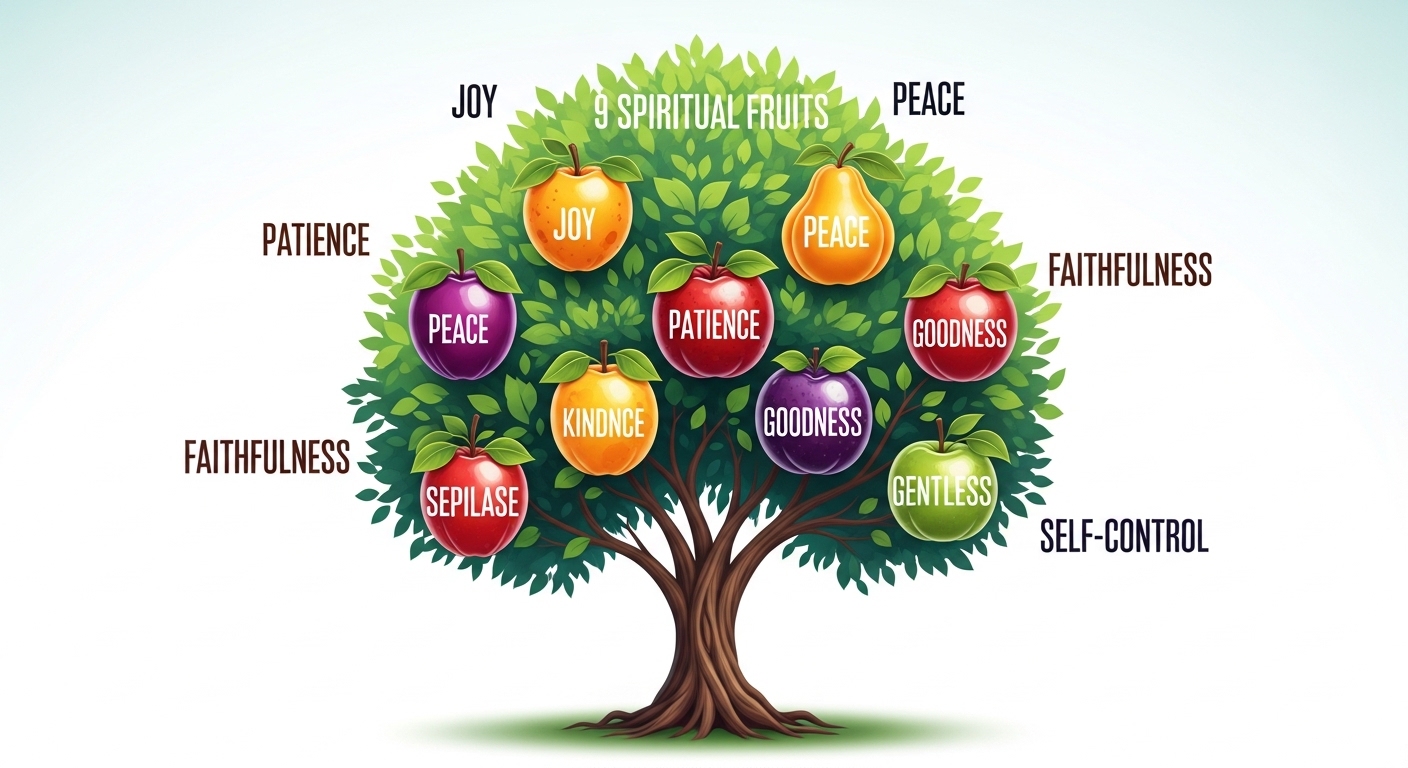
- The fruit of the Spirit—love, joy, peace, patience, kindness, goodness, faithfulness, gentleness, and self-control (Galatians 5:22-23).
- Boldness for witness—witnessing to Jesus and sharing your faith (Acts 1:8).
- Spiritual gifts used in love for the building up of the church (1 Corinthians 12; 1 Corinthians 13).
Note that external signs (like speaking in tongues) are not universal proof of the Spirit’s presence. The more reliable evidence is inner transformation and Christlike living.
Common questions and honest answers
You may have specific concerns. Here are some common questions with biblical guidance.
Do I need to speak in tongues to be filled with the Spirit?
No. The New Testament presents speaking in tongues as one of several gifts given by the Spirit (1 Corinthians 12:10; 1 Corinthians 14). Some believers experience tongues; others don’t. The decisive issue is whether the Spirit is producing Christlike fruit in your life.
Can someone lose the Holy Spirit?
The Bible teaches that the Spirit is given as a seal and guarantee (Ephesians 1:13-14). However, believers can grieve the Spirit (Ephesians 4:30) and fall into patterns of sin that dull their experience of Him. The call of Scripture is to repentance and ongoing dependence so the Spirit can work freely in your life.
Is receiving the Spirit a one-time event or ongoing?
Both. You receive the Spirit when you trust Christ, but the New Testament also speaks of being filled repeatedly with the Spirit (Ephesians 5:18). Many believers experience seasons of fresh filling as they seek God in prayer and obedience.
How does the Spirit help with sin?
The Spirit empowers you to say “no” to sin and “yes” to God. Paul contrasts living according to the flesh with walking according to the Spirit, and he shows that the Spirit produces holy character in you (Galatians 5:16-25). As you depend on the Spirit, your desires change and your actions follow.
Practical steps you can take today
You can take concrete steps now to open your heart and participate in what God wants to do:
- Pray and ask God for the Spirit right now—out loud if possible.
- Repent of any known sin and ask God to cleanse you (1 John 1:9).
- Read Scripture with an open heart—ask the Spirit to illuminate the Word for you (John 16:13-15).
- Find a local church or Christian community to pray with you and support you.
- Be baptized if you haven’t been—follow Jesus’ example and his command to believers (Matthew 28:19-20; Acts 2:38).
These steps are faithful responses; God honors sincere faith and obedience.
The role of Scripture and community
You don’t experience the Spirit in isolation. The Bible is the primary way the Spirit speaks to you, and Christian community is the place where the Spirit often moves. Scripture shapes your understanding, and the church provides accountability, teaching, and prayerful support. When you combine prayer, Scripture, and community, you create the healthiest environment for growth and ministry.
The Spirit’s ongoing work in your life
Receiving the Spirit isn’t the end—it’s the beginning of a transformed life. Expect growth: increasing love for God and others, conviction when you stray, uplift in prayer, guidance in decisions, and spiritual gifts for service. The Spirit helps you endure suffering and equips you for ministry. He is your continual companion and God’s living presence.
Paul reminds you that the Holy Spirit helps you pray when you don’t even know what to pray (Romans 8:26-27). That promise means the Spirit enters the most ordinary parts of your life—your doubts, your sorrows, and your celebrations.
What happened at Pentecost?
If you want to read a clear account of the first outpouring of the Spirit, read the Pentecost narrative in Acts 2:1-4. That event shows how the Spirit came upon the early church, empowered witness, and inaugurated a new era of God’s presence among believers.
If you’d like a theological summary, explore a study or commentary on Pentecost in a reputable resource. Reading both the Scripture and trusted commentary helps you understand historical context and practical implications.
Signs of a Spirit-filled life (what to expect long-term)
Over time, being filled with the Spirit usually brings these outcomes:
- A deeper love for God and a desire to live according to His will.
- Regular conviction and repentance when you sin.
- Growing fruit of the Spirit in daily life (Galatians 5:22-23).
- Greater boldness to share your faith and serve others (Acts 1:8).
- Use of spiritual gifts for the benefit of the church, exercised in love (1 Corinthians 12-14; 1 Corinthians 13).
These changes are gradual and often subtle, driven by the Spirit’s patient work in your heart.
Obstacles you might face and how to overcome them
Spiritual growth involves resistance. You may face doubt, discouragement, or a sense of unworthiness. Here are ways to move forward:
- Doubt: Bring your questions to Scripture and to trusted Christians. Honest questions are welcomed by God.
- Fear of emotionalism: Remember that the Spirit’s chief evidence is transformed life, not feelings. Seek balance—welcome God’s work, but test experiences by Scripture.
- Past failures: God’s grace is not exhausted by your past. Confess, repent, and ask God to renew you (1 John 1:9).
- Isolation: Pursue Christian community. The Spirit often moves in the fellowship of believers.
Persevere in prayer and obedience. The Spirit honors humble faith.
A short, simple prayer you can pray now
Lord, fill me with Your Spirit. I believe in Jesus. I repent of my sin and surrender my life to You. Come, Holy Spirit; teach me, guide me, and empower me to live for You. Amen.
This prayer expresses the heart attitudes the Bible calls for—faith, repentance, and dependence.
Conclusion
The Holy Spirit is a gift from God, promised by Jesus and given to those who trust in Him. You receive the Spirit through faith in Christ, repentance, confession, and surrender. The Spirit then begins a lifelong work of transformation: guiding, empowering, comforting, and producing Christlike fruit in you. Whether this is your first step or a fresh renewal, ask God with a humble, open heart—He promises to give His Spirit to those who ask.
Receiving the Holy Spirit is part of the bigger story of what Jesus has done—from His death to His resurrection and ascension.
To understand this full journey, read What Happened After Jesus Rose From the Dead? (Full Timeline Explained) and Why Did Jesus Ascend Into Heaven? (Biblical Reasons Explained).
You can also grow deeper in your faith by exploring:
- The Meaning of the Resurrection of Jesus Christ
- Why the Resurrection Matters for Christians
- Evidence for the Resurrection of Jesus Christ
- Bible Verses About the Resurrection of Jesus
Further reading
- Read the Pentecost account: Acts 2:1-4.
- Read Jesus’ promise about the Spirit: John 14:16-17.
- Read Paul on life in the Spirit: Romans 8:1-11.
Prayer (again, to seal this moment)
Lord God, thank You for the promise of the Holy Spirit. If the reader is seeking, draw them close. If they are weary, refresh them. If they have not yet received Your Spirit, meet them now as they repent and believe. Fill them with Your presence, power, and love. In Jesus’ name, Amen.
Sponsored recommendation

Acknowledgment: All Bible verses referenced in this article were accessed via Bible Gateway (or Bible Hub).
“Want to explore more? Check out our latest post on Why Jesus? and discover the life-changing truth of the Gospel!”