



The crucifixion of Jesus is one of the most significant events in history—but why did it happen? As you read, you’ll discover how the cross sits at the center of God’s plan for restoring your relationship with Him. This article will walk you through the biblical explanation, historical context, theological meaning, and practical application so you can understand what the crucifixion means for your life.

Quick Answer
Jesus was crucified to take the punishment for sin and provide salvation for humanity. Through His death, He satisfied divine justice, bore your sin, and opened the way for forgiveness and restored a relationship with God.
Key Bible Verse
Take a moment to read this foundational verse that captures the heart of the crucifixion:
Isaiah 53:5 — “He was pierced for our transgressions… and by His wounds we are healed.”
This prophecy from Isaiah points forward to the suffering servant who would bear the consequences of human sin and bring healing. As you read the New Testament accounts, you’ll see how the life, suffering, death, and resurrection of Jesus fulfill passages like this one.
Clear Explanation
1. Sin Required a Sacrifice
From the Bible’s perspective, sin isn’t just a list of bad actions; it’s a condition that separates you from a holy God. Scripture teaches that all people have sinned and fall short of God’s standard. Consider what the Bible says:
Romans 3:23 — “for all have sinned and fall short of the glory of God.”
Because God is just and holy, wrongdoing calls for a consequence. The Bible explains the reality of a penalty for sin:
Romans 6:23 — “For the wages of sin is death, but the gift of God is eternal life in Christ Jesus our Lord.”
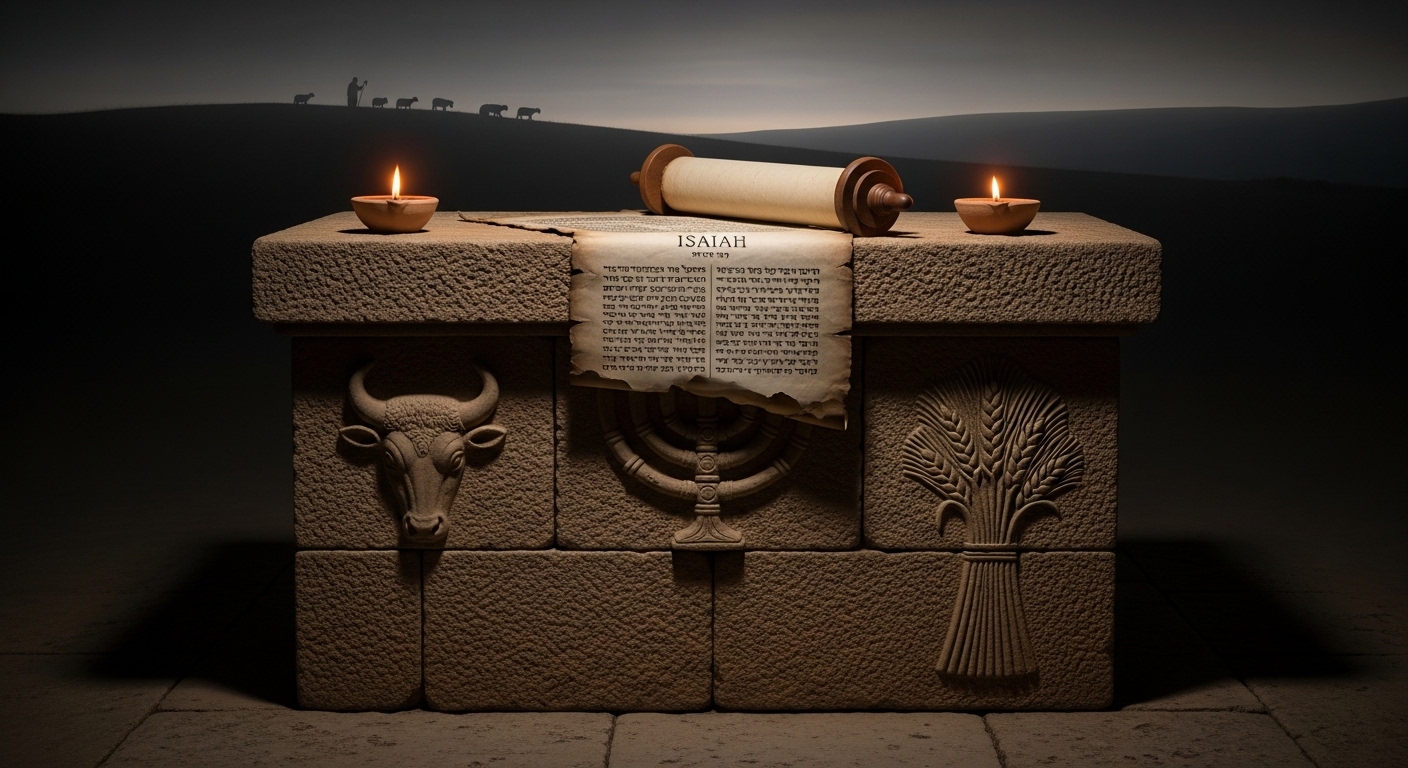
If justice were the only consideration, the gap between a holy God and sinful humanity would remain unbridgeable. That’s why the Old Testament sacrificial system existed: it pointed forward to a greater sacrifice that could truly remove sin’s stain. When you understand the seriousness of sin, the necessity of a remedy becomes clear—you need something or someone to address the penalty you deserve.
2. Jesus Became the Sacrifice
The New Testament declares that Jesus of Nazareth is the one who stepped into that role. He lived without sin and yet willingly suffered and died. The idea isn’t merely that He showed you how to live; He took your place and bore your punishment:
1 Peter 2:24 — “He Himself bore our sins in His body on the cross, so that we might die to sins and live for righteousness; by His wounds you have been healed.”
Jesus’ death fulfills countless prophecies and symbolic practices from the Old Testament. Isaiah’s description of the suffering servant—pierced, crushed, bearing iniquities—finds its fulfillment in Christ’s passion:
Isaiah 53:4-6 — read how the prophet describes one who would suffer vicariously for others.
Jesus is portrayed in the Gospels as the Lamb of God who takes away sin:
John 1:29 — “Look, the Lamb of God, who takes away the sin of the world!”
He also described His purpose plainly:
Mark 10:45 — “For even the Son of Man did not come to be served, but to serve, and to give His life as a ransom for many.”
When you grasp that Jesus lived the life you couldn’t live and died the death you deserved, the crucifixion becomes not a random act of violence but the decisive substitutionary act—the clear expression of God’s mercy meeting God’s justice.
3. Salvation Was Made Possible
Because Jesus took the penalty for sin, salvation becomes available to you by faith. The crucifixion is not the end of the story; it opens the door to resurrection life and a restored relationship with God. The New Testament summarizes the gospel this way:
1 Corinthians 15:3-4 — Paul writes that Christ died for our sins, was buried, and was raised on the third day according to the Scriptures.
John 3:16 distills the reason and result of the cross:
John 3:16 — “For God so loved the world that He gave His one and only Son, that whoever believes in Him shall not perish but have eternal life.”
Jesus’ death and resurrection mean forgiveness is accessible, your broken relationship with God can be restored, and you can receive new life—now and for eternity. Salvation is not something you earn; it’s a gracious gift offered through faith, grounded in what Jesus accomplished on the cross.
Historical and Political Context
Understanding why Jesus was crucified also requires looking at the historical and political scene of His time. Crucifixion was a Roman method of execution reserved for the vilest crimes and for deterring insurgency. For the Jewish leaders, Jesus represented a theological and social challenge: His claims to authority, His critique of religious practices, and His growing following threatened the status quo.
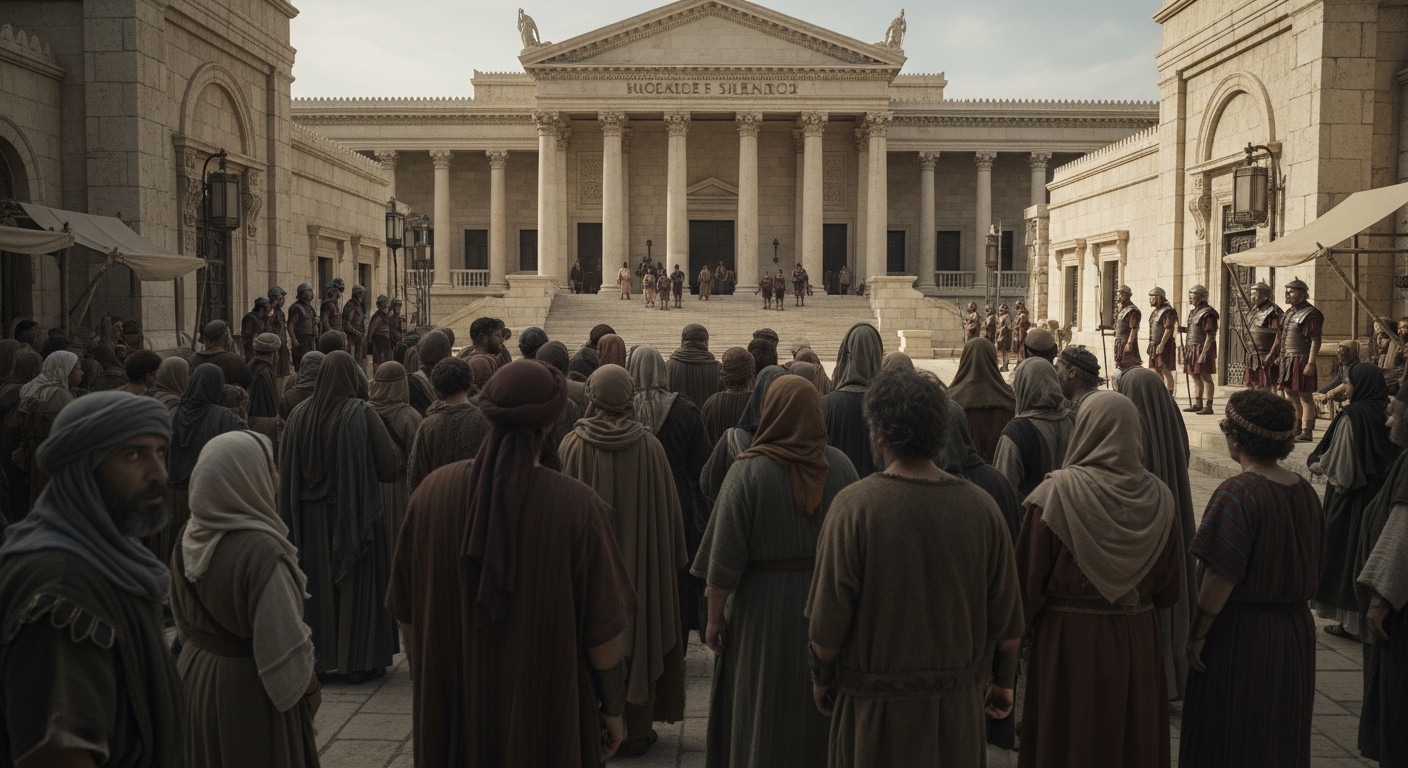
The Gospels show a tangled web of motives and events. Religious leaders accused Jesus of blasphemy because He claimed authority that belonged to God alone in their view. They brought charges against Pontius Pilate, the Roman governor, framing Jesus as a political threat who claimed to be “king of the Jews.” Pilate’s uneasy interactions with Jesus led to a sentence of crucifixion—a Roman verdict meant to control potential rebellion more than to resolve theological disputes:
Matthew 27:22-26 — here you can see the crowd choosing Barabbas and Pilate handing Jesus over to be crucified.
The crucifixion, therefore, sits at the intersection of religious accusation and political expedience. Theologically, however, the event transcends human politics: what human hands intended for harm, God intended for the salvation of many (a truth you can reflect on in the light of Scripture).
Theological Meanings of the Crucifixion
When you think about why Jesus was crucified, you’ll encounter several theological perspectives that Scripture and Christian tradition use to explain what happened and why it matters for you.
- Substitutionary Atonement: This is the view that Jesus took your place, bearing the punishment you deserved so that God’s justice and mercy are both satisfied. Key texts include passages like Isaiah 53 and 1 Peter 2:24.
- Christus Victor: This emphasizes Christ’s victory over the powers of sin, death, and the devil. The crucifixion and resurrection defeat the forces that enslave you, liberating you into new life. Passages that speak of Christ’s triumph often surface in the New Testament’s depiction of the resurrection and the defeat of death.
- Moral Influence: This view stresses that the cross reveals God’s love in a way that transforms hearts. By seeing such sacrificial love, you are moved to repentance and devotion. Verses such as Romans 5:8 — “But God demonstrates his own love for us in this: While we were still sinners, Christ died for us”—support this perspective.
These perspectives aren’t necessarily exclusive of each other. As you study Scripture, you’ll find that God’s purposes in the cross are multifaceted: justice and mercy meet, cosmic powers are disarmed, love is displayed, and the path to a restored relationship with God is opened for you.
The Crucifixion in the Gospels
Each Gospel presents the crucifixion with distinct emphasis and detail, giving you a fuller picture when you read them together.
- Matthew focuses on fulfillment of prophecy and the cosmic significance of Jesus’ death, including earthquakes and signs in the heavens. See Matthew 27:32-56.
- Mark gives a vivid, fast-paced account that highlights Jesus’ suffering and abandonment, drawing attention to what it cost Him. Read Mark 15:21-41.
- Luke emphasizes innocence, compassion, and forgiveness—Jesus pleads for forgiveness for those who crucify Him and promises the repentant thief paradise. See Luke 23:26-49.
- John presents the crucifixion with theological precision, portraying Jesus in control even in death and fulfilling Scripture even in His final words. Read John 19:16-37.
When you read the four accounts together, you’ll notice different details and emphases that enrich your understanding: prophetic fulfillment, human cruelty, divine sovereignty, and the personal cost of redemption.
Prophecy and Fulfillment
The crucifixion wasn’t an isolated or accidental event; it connects to layers of Old Testament prophecy and sacrificial symbolism. You can see prophetic threads in passages like Psalm 22, which begins with an anguished cry—“My God, my God, why have you forsaken me?”—a verse Jesus cites on the cross:
Other prophetic hints include the piercing and mourning over “one they have pierced” (see Zechariah 12:10) and the servant songs of Isaiah (see Isaiah 53). The Gospels intentionally link Jesus’ death to these Scriptures, portraying the cross as the culmination of a redemptive storyline that runs through the Bible.
When you read prophecy alongside the Gospel accounts, the crucifixion appears not merely as tragedy but as the intended pivot of God’s rescue plan for humanity.
Why the Cross Specifically?
You might wonder: why did salvation require a public, shameful, and painful execution like crucifixion? A few reasons help illuminate this question:
- Visibility and seriousness: The public nature of crucifixion exposed sin’s seriousness and the cost of dealing with it. It wasn’t hidden; it was displayed for all to see.
- Fulfillment of sacrificial symbolism: The cross echoes the sacrificial system where animals were offered to atone for sin. Jesus becomes the ultimate sacrifice—once for all—bringing the sacrificial system to its fulfillment (see Hebrews 9:26-28).
- Victory over powers of evil: The shame of the cross is transformed into the triumph of God. Jesus’ death was not defeat but a decisive move to reclaim what sin and death had taken.
- Demonstration of love: The method magnifies the depth of Jesus’ willingness to suffer for you. The cross shows love that is costly, intentional, and sacrificial.
In short, the cross is both a legal settlement (justice handled) and the strongest possible demonstration of God’s love for you.
The Resurrection: Why It Matters
The crucifixion alone would be tragic if it ended in permanent death. But the resurrection changes everything. Jesus’ rising from the dead vindicates His claims, demonstrates His victory over death, and assures you that His sacrifice was accepted by the Father. The apostles preached the resurrection as central to the gospel:
Acts 2:32 — “God has raised this Jesus to life, and we are all witnesses of the fact.”
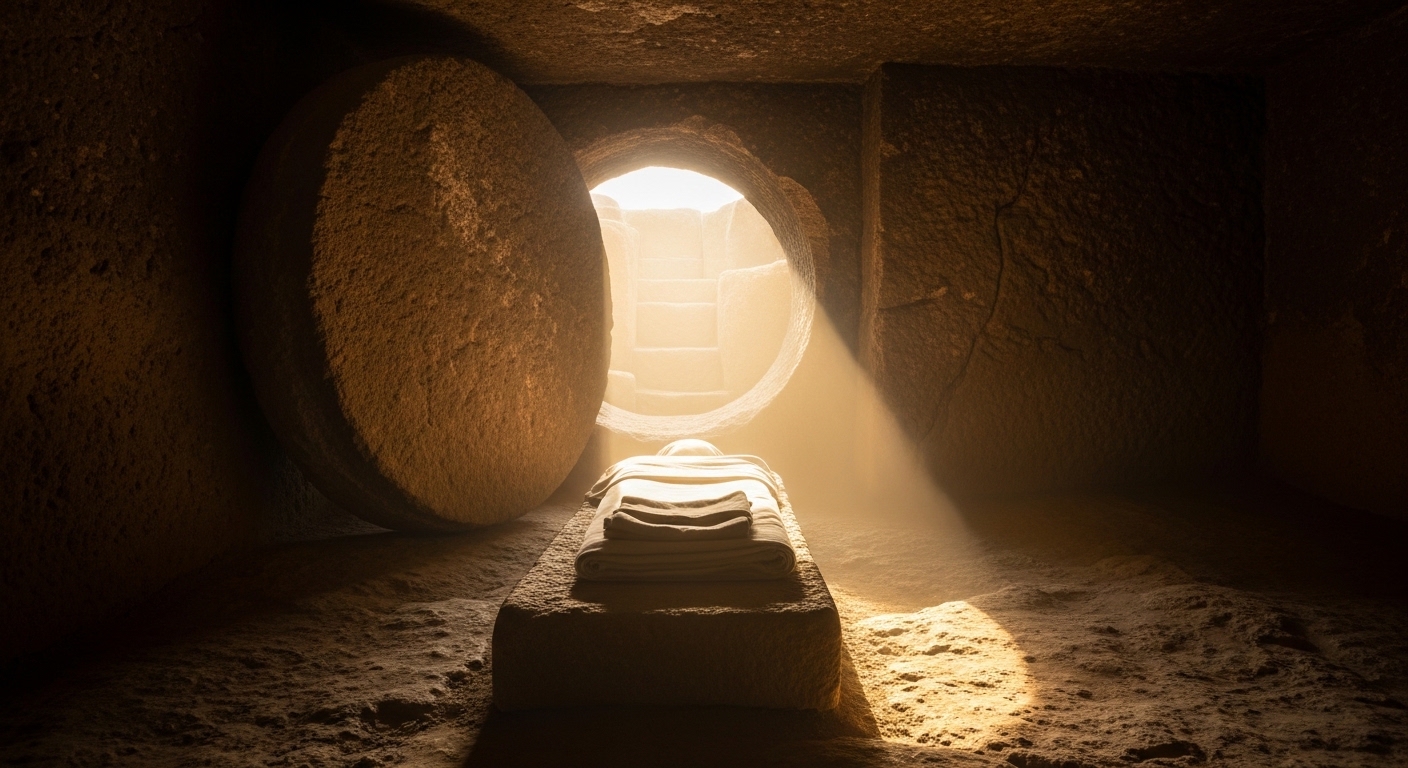
Because Jesus was raised, you have hope beyond death and certainty that God’s promise of new life is real. The resurrection confirms that the crucifixion accomplished its purpose: sin’s penalty was paid, and death was defeated.
How the Cross Changes Your Life
When you accept what happened on the cross, it should affect how you live. The implications aren’t only theological—they’re practical and personal.
- Forgiveness: You can experience real forgiveness. If you place your trust in Jesus, your sins are forgiven, and you can live free from the guilt that used to bind you.
- New identity: You become a child of God, no longer defined by your past mistakes but by God’s mercy and the new life He gives.
- Empowered living: The cross opens the door to transformation. By God’s Spirit, you are enabled to turn away from sin and grow in love, patience, and holiness.
- Purpose and mission: Knowing that Jesus died for all people encourages you to love others, pursue justice, and share the good news. The cross compels you to live in gratitude and service.
Scripture reminds you that this gift is received by faith, not by earning it through your deeds:
Ephesians 2:8-9 — Salvation is a gift you receive by faith.
Frequently Asked Questions You Might Have
Why did God require a sacrifice? The idea of sacrifice shows that sin has real consequences and that divine justice must be addressed. The sacrificial system and ultimately Jesus’ sacrifice reveal how God deals with sin while upholding His holiness.
Did Jesus have to die? The Gospels show that Jesus voluntarily went to the cross. He submitted to the Father’s will and took upon Himself the penalty for sin. His resurrection shows the Father accepted that sacrifice, accomplishing redemption for those who believe.
Is the cross just a symbol? The cross is both a symbol and a historical event. It symbolizes God’s love, the cost of redemption, and victory over sin and death. Still, it also happened in history with real events, witnesses, and consequences—events the apostles preached and many gave their lives to proclaim.
How do you respond to the cross? Scripture invites you to confess your need for forgiveness, trust in Jesus’ finished work, repent, and follow Him. Faith is the response that opens you to the full benefits of the cross.
Personal Application: How to Respond
If the cross is true, it invites a personal response from you. Here are practical steps you can take:
- Reflect honestly: Consider where you need forgiveness and how sin has affected your relationship with God and others.
- Pray and confess: Tell God you recognize your need and ask for His forgiveness. Confession is a relational act that opens the way for restoration.
- Place your faith in Christ: Trust that Jesus’ death and resurrection are sufficient for your salvation. If you believe, you receive the gift of life.
- Live differently: Let the reality of what Jesus did motivate practical changes—love more sacrificially, pursue justice, forgive others, and seek spiritual growth.
Remember, the gospel isn’t meant to stay theoretical. It’s meant to transform you from the inside out.
Quick Reflection
Take a few minutes to meditate on these questions and answer them honestly:
- Do I understand the depth of Jesus’ sacrifice and why it was necessary?
- How has the cross changed the way I see God, myself, and others?
- What steps will I take today to live in light of what Jesus accomplished on the cross?
These simple reflections help you internalize the theological truths so they become lived realities.
🔗 Internal Resources to Explore
If you want to understand why Jesus was crucified and how it connects to His full mission, explore these key resources:
Main Hub:
👉 The Life of Jesus Timeline (Birth to Ascension Explained – Full Story Guide)
Related Articles:
👉 Birth of Jesus (The Full Story and Meaning Behind Jesus’ Birth)
👉 Ministry of Jesus (What Jesus Taught and Did During His Ministry)
👉 Miracles of Jesus (Powerful Miracles That Reveal Who Jesus Is)
👉 Resurrection Timeline (What Happened After Jesus Rose From the Dead)
Conclusion
The crucifixion shows the depth of God’s love for humanity. It addresses the problem of sin by meeting both justice and mercy: Jesus took the penalty you deserved and made a way for you to be reconciled to God. When you accept that gift by faith, you don’t simply receive forgiveness—you step into new life now and hope beyond death. The cross is the turning point of history, and it invites you into a restored relationship with your Creator.
Prayer
Lord, thank You for Your sacrifice on the cross. Thank You for bearing the consequences of my sin and making a way for me to be forgiven and restored. Help me to live in light of this gift, to love as You have loved me, and to follow Jesus with all my heart. Amen.