



The birth of Jesus is one of the most important events in the Bible—but why does it matter so much to you? It’s more than a story told at Christmas. It marks the moment God entered human history in the person of Jesus to begin a rescue plan for humanity. In this article you’ll explore what the Bible says about the birth of Jesus, why it fulfills God’s promises, what it teaches about who God is, and how it should change the way you live and hope.

Quick Answer
The birth of Jesus shows that God entered human history to bring salvation, hope, and fulfillment of prophecy. It reveals God’s character—faithful, personal, and active—and it starts the story of redemption that leads to your rescue from sin and the restoration of creation.
Key Bible Verse
Verse: Luke 2:11
“Today in the town of David a Savior has been born to you; He is the Messiah, the Lord.”
This verse sums up the announcement the angels made to the shepherds. It emphasizes three truths at once: a Savior has been born, this birth is the long-awaited Messiah, and this person is Lord. The nativity is both personal news for you and cosmic news for the whole world.
What the Birth of Jesus Means: A Clear Explanation
1. Fulfillment of Prophecy
From the earliest pages of the Old Testament, God promised a coming deliverer. When you read the Old Testament prophecies and then the accounts of Jesus’ birth, you see a deliberate thread.
The prophet Isaiah foretold a child born of a virgin whose name would signal God with us: Isaiah 7:14. Micah pinpointed Bethlehem as the birthplace of the ruler over Israel: Micah 5:2. Isaiah also described the titles this child would carry—Wonderful Counselor, Mighty God, Everlasting Father, Prince of Peace—showing his divine significance: Isaiah 9:6.
When you look at the nativity narratives, you realize these events weren’t random. The timing, the place, and even the miraculous conception align with earlier revelation. That fulfillment matters because it shows God’s promises are reliable and that history is moving toward a purposeful climax.

2. God Becoming Human (The Incarnation)
The miracle of the incarnation is central: God didn’t send a distant representative—He came in person. The Gospel of John puts it plainly: “The Word became flesh and made his dwelling among us” (John 1:14). That means God took on human nature and stepped into your experience.
When God becomes human, He isn’t aloof. You can know that the One who understands sorrow, temptation, joy, and pain did so by living them. The apostle Paul explains the humility of that act: Christ, though in the form of God, did not cling to divine privileges but emptied himself, taking the form of a servant and becoming obedient to death (Philippians 2:6-8). This matters to you because it means God relates to your struggles, not from a distance, but from inside human life.
3. The Beginning of the Salvation Story
The nativity marks the start of the mission to rescue humanity. Birth is where the story begins. God’s plan of redemption doesn’t appear suddenly at the cross; it enters human history in an infant. Matthew records that Joseph was told to name the child “Jesus” because “he will save his people from their sins” (Matthew 1:21). That name gives you clarity: the purpose of the incarnation is salvation.
Jesus’ arrival sets in motion a life, ministry, teaching, death, and resurrection that complete redemption. The birth is the opening chapter—the one that brings hope into a broken world and shows that God is acting to mend what is broken.
Historical and Cultural Context: Why Bethlehem, Why a Manger?
Understanding the context helps you see how the birth connects to real history and humble circumstances.
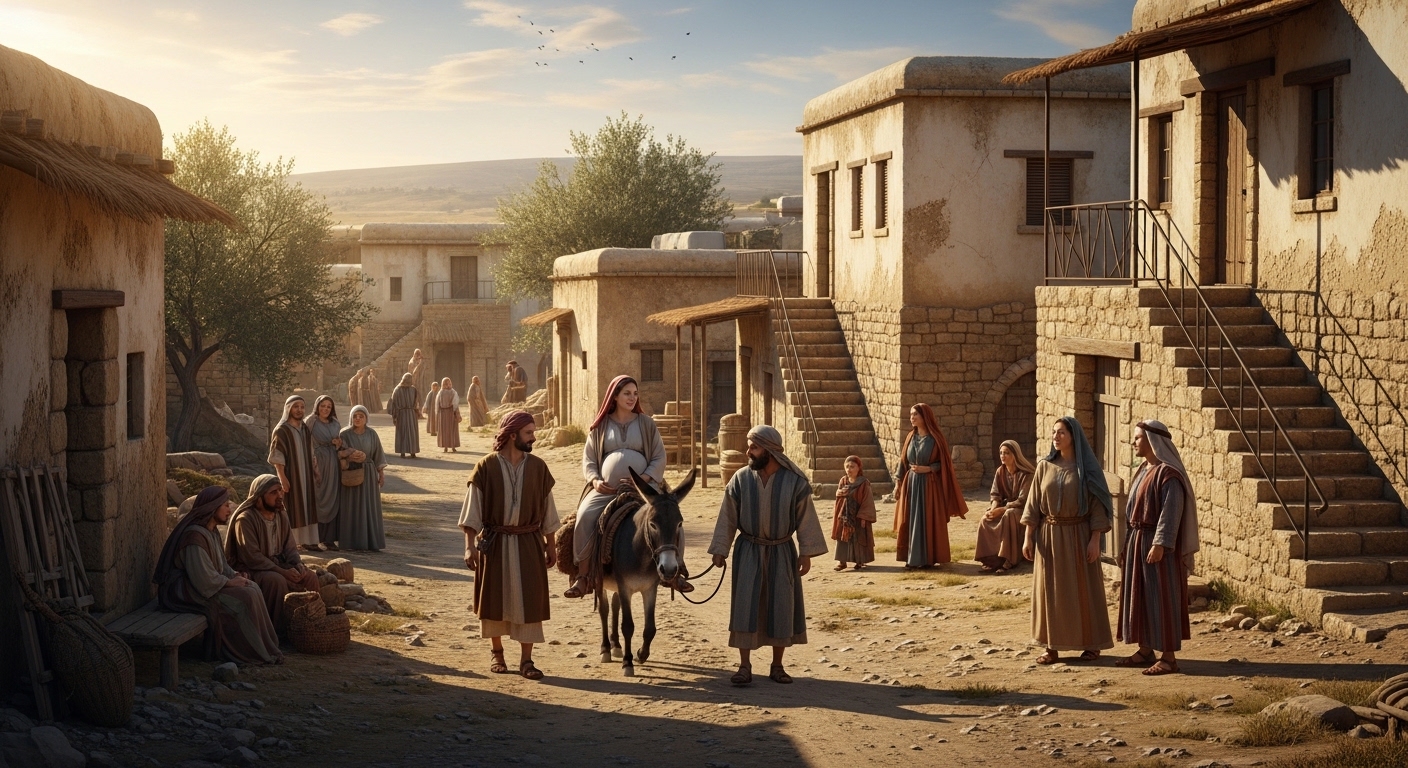
When Jesus was born, a Roman census required Joseph and Mary to travel to Bethlehem, the city of David, fulfilling the prophecy of the Messiah’s birthplace (Micah 5:2). The setting was far from royal pomp. Mary gave birth in a situation where there was no room at the inn and laid the baby in a manger. That humility communicates something important: God’s presence came in lowliness, identifying with the poor and marginalized.
The announcement came first to shepherds—people on the social margins—rather than to kings or religious elites (Luke 2:8-20). Later, Gentile magi from the east sought the newborn King, bringing gifts that acknowledged his kingship and foreshadowed the global implications of his mission (Matthew 2:1-12). These details show that the birth of Jesus had both Jewish and global significance.
Theological Significance: Why the Birth Matters for Your Faith
Jesus as Savior and Lord
Luke’s angelic announcement declared that a Savior had been born; the term “Savior” implies rescue from danger and powerlessness. Your need is moral and spiritual—sin separates you from God. The baby in Bethlehem is God’s answer to that problem. The name “Jesus” itself points to salvation (Matthew 1:21). This means your hope for forgiveness is rooted in a person who lived, died, and rose again.
God’s Identification with Humanity
Because Jesus became human, God can mediate between you and Himself. Hebrews says Jesus shared in flesh and blood so that through his death he might destroy the power of the devil and free those who were held in slavery by their fear of death (Hebrews 2:14-15). You don’t approach an unseen deity; you approach a Savior who understands your condition.
The Kingdom Begins
The birth signals the inbreaking of God’s kingdom into history. Jesus’ life and teachings reveal what God’s reign looks like—justice, mercy, and restoration. The arrival of Jesus is the inauguration of God’s restorative project; it promises a future consummation where all things will be made right. That promise shapes how you view suffering, injustice, and the long arc of history.
How Prophecy and Fulfillment Work Together
You might wonder why prophecy matters or how it demonstrates God’s involvement. Prophecy in the Bible often functions as both prediction and promise. When Jesus’ birth aligns with prophecies like Isaiah 7:14, Micah 5:2, and Isaiah 9:6, it’s a sign that God is faithful to His word.
This matters for you because it establishes trust. If God fulfilled ancient promises in Jesus’ birth, you can trust that His promises to you—for forgiveness, presence, and eternal life—are equally reliable. The narrative coherence from prophecy to fulfillment shows that God’s purposes are coherent and personal.
The Virgin Birth: What It Means for You
The virgin birth is more than a miraculous detail—it carries theological weight. Luke records the angel’s message to Mary, explaining that she would conceive by the Holy Spirit (Luke 1:35). This points to Jesus’ unique origin. He is fully human yet also uniquely God’s Son.
For your faith, the virgin birth affirms that Jesus’ identity as God’s Messiah is not merely metaphorical. It marks him as a new beginning in human history. The miracle underscores divine initiative: salvation originates with God and arrives by grace, not by human effort.
Jesus’ Names and Titles: Clues to His Purpose
The names and titles associated with Jesus at his birth reveal who he is and why he matters. Isaiah’s prophecy gives titles that describe character and role (Isaiah 9:6. The angel tells Joseph to name him Jesus because he will save his people from their sins (Matthew 1:21. Luke calls him Savior (Luke 2:11. John labels him the Word made flesh (John 1:14.
Each title gives you a facet of hope: Messiah (fulfills God’s promises), Savior (brings rescue), Lord (has authority), Word (reveals God), and Immanuel (God with us). Together they tell you that the infant in the manger is the one who will accomplish God’s work of redemption.
The Humility of the Nativity: A Lesson for You
You see God’s humility in the circumstance of Jesus’ birth. This humility is not weakness; it’s purposeful. The Creator chooses a humble entry into creation—no royal palace, but a stable; no public ceremony, but private vulnerability. This teaches you that God values humility and proximity over power displays and status.
That matters for your life because it reshapes how you view greatness. If God’s greatness includes humility, then your pursuit of significance takes on a different shape. You’re invited to serve, to love sacrificially, and to find value in modesty and compassion rather than acclaim.
The Role of the Shepherds and the Magi: Two Reactions to the King
Two distinct groups come to Jesus early in the story: shepherds and magi. Shepherds represent the marginalized—ordinary people who first hear the angelic good news and respond with worship (Luke 2:8-20. The magi, foreign seekers, represent the nations drawn to the King’s light, bringing gifts and recognition (Matthew 2:1-12. Their presence signals that Jesus’ mission is both personal and universal: the gospel reaches the humble and the curious from afar.
For you, this means the good news is intended for all kinds of people. Whether you’re a person on the margins, a seeker from a different background, or someone comfortable in society, the birth of Jesus opens the way for your response to God.
Common Questions You Might Ask
You probably have questions, and many believers before you have asked similar ones. Here are a few clear answers drawing from Scripture.
- Was the virgin birth necessary? The virgin birth affirms Jesus’ unique identity and God’s initiative in salvation. Scripture points to it as a sign of divine action (Luke 1:35.
- Why Bethlehem? Prophecy identified Bethlehem as the birthplace of the Messiah, demonstrating continuity between God’s promises and their fulfillment (Micah 5:2.
- Why wasn’t Jesus born in a palace? God’s choice of lowly circumstances showed that the coming kingdom values servanthood and is accessible to the humble and poor, not just elites.
These answers don’t exhaust every question, but they show how Scripture connects facts, meaning, and purpose.
How the Birth of Jesus Changes the Way You Live
The nativity isn’t only a theological fact; it’s practical. It shapes your life and priorities.
First, it grounds your hope. The entry of God into history assures you that ultimate help comes from outside yourself. When you face fear, shame, or guilt, you can remember that the One who entered your world understands and has acted for your rescue.
Second, it shapes your identity. Because God keeps his promises, you can claim belonging to a story larger than your circumstances. You’re invited into a people defined by grace and mission.
Third, it moves you to worship and service. The shepherds’ immediate reaction was to spread the news and glorify God (Luke 2:17-20. When you grasp the gift of God in Christ, your natural response is gratitude expressed through serving others.

Misunderstandings to Avoid
You may hear cultural versions of the nativity that miss the theological point. Be careful not to reduce the birth of Jesus to mere sentimentality or a seasonal idea detached from its purpose.
Avoid thinking the story is primarily about warm feelings. While the nativity inspires joy, its core is God’s intervention to save. Also avoid treating the story as only a historical curiosity; it’s a theological hinge that reorients your relationship with God.
Finally, don’t assume fulfillment of prophecy is incidental. Those links between Old Testament expectation and New Testament realization are part of God’s deliberate unfolding plan.
Reflection Questions for You
Take a moment to reflect honestly. These questions will help you connect the nativity to your life.
- Do you trust God’s timing when promises seem delayed?
- What does the humility of Christ’s birth teach you about how to treat those who are marginalized?
- How does it change you to know God entered human experience?
Pause, meditate, or write your answers. Use these reflections to move from information to transformation.
A Short Prayer You Can Use
Lord, thank You for sending Jesus into the world. Thank You that You kept Your promises and entering our fragile world to save us. Help me to receive Jesus as Savior and to live in the hope and humility He modeled. Amen.
🔗 Internal Resources to Explore
If you want to dig deeper into the life and mission that began with the nativity, check out these posts:
Main Hub:
👉 The Life of Jesus Timeline (Birth to Ascension Explained – Full Story Guide)
Related Articles:
👉 Ministry of Jesus (What Jesus Taught and Did During His Ministry)
👉 Miracles of Jesus (Powerful Miracles That Reveal Who Jesus Is)
👉 Crucifixion Meaning (Why Jesus Died and What It Means for You)
👉 Resurrection Timeline (What Happened After Jesus Rose From the Dead)
These resources will help you trace how the infant in Bethlehem grows into the teacher, healer, and Savior whose mission culminates at the cross and resurrection.
Why This Matters for the World
The birth of Jesus matters not just to your personal faith but to global hope. The way God enters the world sets a pattern for how you think about leadership, power, and compassion. A Savior who comes in humility challenges systems of oppression and invites a reordering toward justice and mercy. The nativity tells you that God’s solution to the world’s brokenness isn’t domination but sacrificial love.
If you live with that perspective, your actions—from the way you vote to the way you treat neighbors—reflect a kingdom ethos rather than a worldly one. The birth of Jesus invites you to embody that kingdom now.
Final Thoughts
The birth of Jesus is the hinge of redemptive history. It fulfills prophecy, reveals God’s heart, begins the work of salvation, and invites you into a life of hope, humility, and mission. When you read the story with eyes open to its meaning, you see that the manger is the starting point of God’s decisive work to restore creation and reconcile people to Himself.
The nativity matters to you because it’s where God shows up on your side of history—accessible, vulnerable, and committed to rescue. Your response can be worship, trust, and a life shaped by the love that came down at Bethlehem.