



The life of Jesus Christ is the most important story ever told, and it impacts your life today. From His humble birth to His resurrection and ascension, every moment reveals God’s heart, purpose, and plan to restore you. If you’ve ever felt overwhelmed trying to trace Jesus’ life or wondered how each event applies to your everyday faith, this guide is written for you. You’ll find a clear timeline, the meaning behind each stage, and practical ways to live out what you discover.
👉 To better understand the events after the resurrection, continue with What Happened After Jesus Rose From The Dead? (Full Timeline Explained Simply)
Key Bible Verse
This guide hinges on the purpose behind the stories of Jesus’ life. The apostle John tells you why these events were recorded: John 20:31 — “These are written that you may believe that Jesus is the Messiah… and that by believing you may have life in His name.” Keep that verse in mind as you walk through this timeline: the events aren’t merely history—they’re meant to draw you into belief and new life.

1. Birth of Jesus (The Beginning of God’s Promise)
The birth of Jesus marks the fulfillment of countless promises and prophecies, and it’s where God makes Himself known in the most tender way. The shepherds were the first to hear the heavenly announcement: Luke 2:10–11 — “Today in the town of David a Savior has been born to you…” This moment shows you that God’s entrance into the world is humble, surprising, and accessible.
You can relate to the humility of the manger. God didn’t arrive in a palace or surrounded by fanfare; He came in a simplest form possible. That means when you’re searching for God in the quiet or the ordinary moments of your life, He may already be nearer than you think. Seeing God’s humility at the beginning of Jesus’ life invites you to look for God in unexpected places and trust that His promises begin in small ways.

2. Early Life and Growth
Jesus’ childhood and growth were largely ordinary: He grew up in Nazareth, worked, and learned. Scripture says, “[Jesus grew] in wisdom and stature…” Luke 2:52. This shows you that even the Son of God went through seasons of preparation and development.
When you’re in a season that feels quiet or uneventful, remember that preparation matters. Your skills, character, and spiritual maturity are being shaped—even when the world doesn’t notice. You’re allowed to have ordinary days; God often uses those days to ready you for greater purpose. Embrace growth, be patient in waiting seasons, and trust that God’s timing matters.
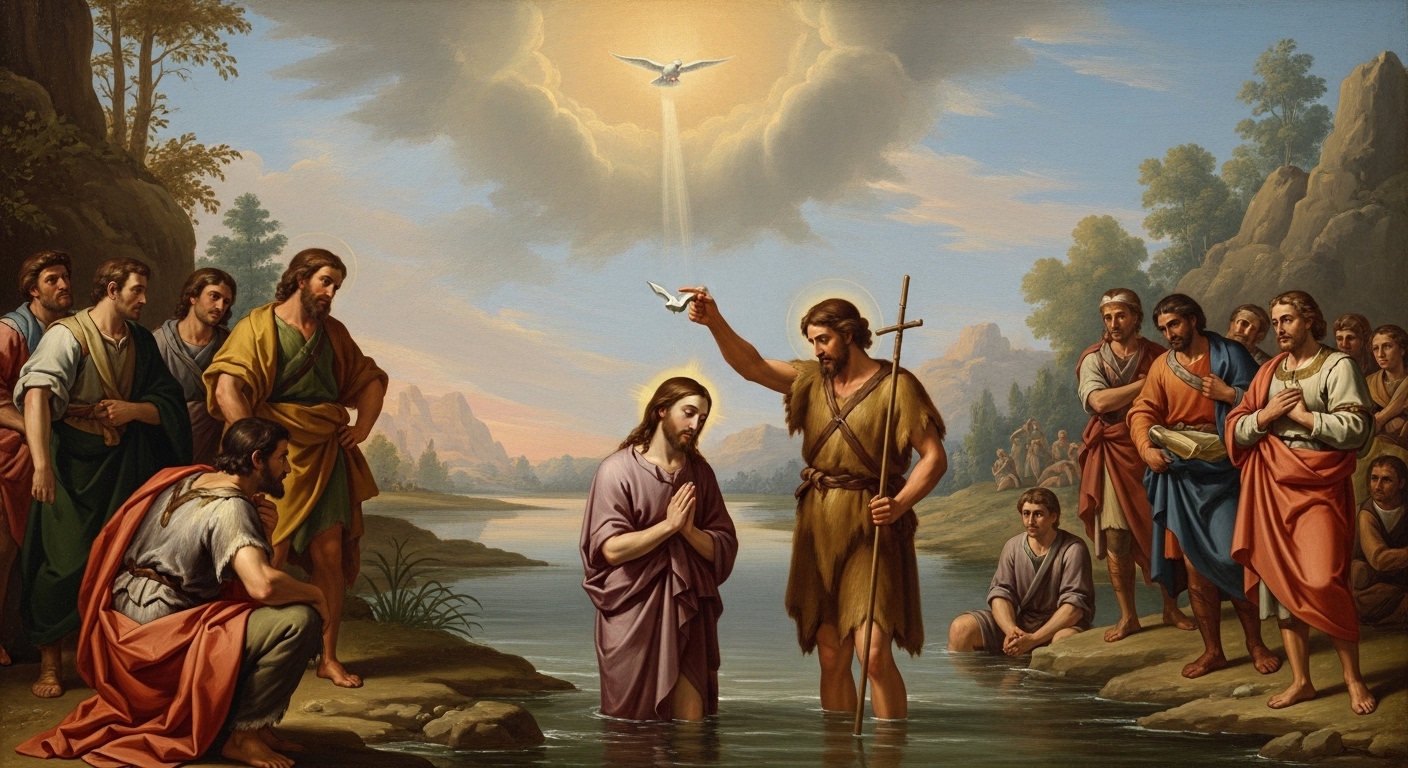
3. Baptism and Beginning of Ministry
Jesus’ public ministry began with a powerful declaration. When He came to John the Baptist and was baptized, the heavens opened: “[This is My Son, whom I love…]” Matthew 3:16–17. The baptism marks both identification and commissioning—the Father affirms Jesus and sets His mission into motion.
For you, baptism and spiritual milestones can be moments of clarity about identity and purpose. You’re invited to know who you are in God and to step into mission with intentionality. This moment in Jesus’ life models a posture of obedience, public affirmation, and readiness to serve. Let it remind you to welcome God’s affirmation and move forward in the work He calls you to. A deeper understanding of the Holy Spirit’s role can also help you grow in spiritual guidance, obedience, and daily faith.
👉 Read: The Holy Spirit Explained (Who He Is, How He Works, and How He Guides Believers)
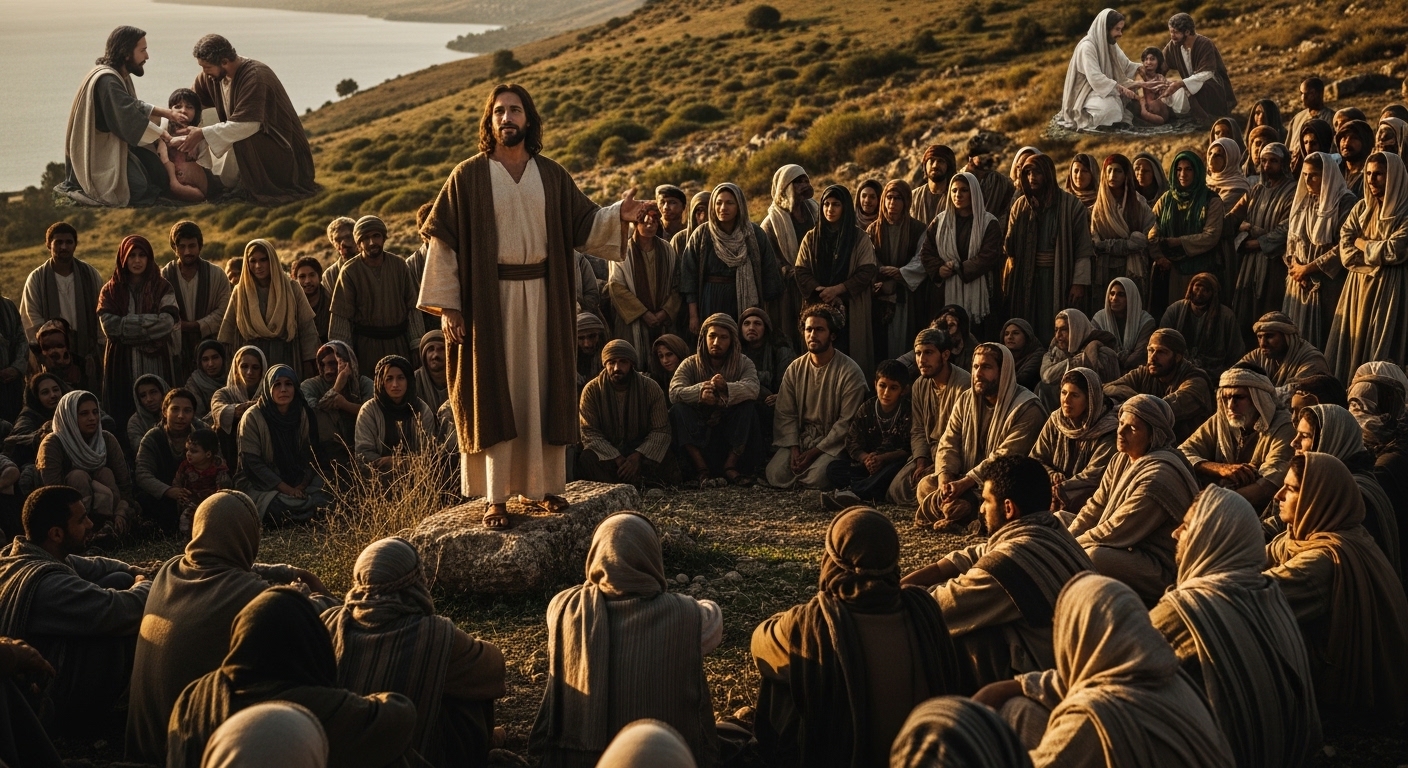
4. Teaching, Miracles, and Ministry
Jesus’ ministry in Galilee and beyond was rich with teaching, miracles, and relationship-building. The Gospel sums it up: “[Jesus went throughout Galilee… healing every disease…]” Matthew 4:23. He taught God’s truth, demonstrated compassion through healing, and called disciples to follow a new way of life.
When you engage with Jesus’ teaching and example, you see a model of truth coupled with compassion. Your faith is not only about what you think but about how you love and serve others. Ministry is shown as both proclamation and presence. You can imitate Jesus by speaking truth with kindness, healing where you can, and investing in relationships that form spiritual community.
5. Triumphal Entry (Palm Sunday)
Jesus’ entry into Jerusalem was dramatic—not a military conquest but a humble, symbolic arrival that declared His kingship. The crowd shouted, “[Hosanna to the Son of David!]” Matthew 21:9. This event shows you the paradox of Christ’s rule: He is King, but His kingdom operates by humility and servanthood.
When you welcome Jesus, you’re asked to accept a different kind of kingship—one that transforms your priorities. You’re invited to lay down pride, seek justice, and choose peace. The Triumphal Entry reminds you that honoring Jesus as King means aligning your life to His values, not merely applauding from a distance.
6. The Last Supper
As Jesus prepared to face the cross, He gathered His friends for a final meal. He established a practice that would endure through the ages: “[Do this in remembrance of Me.]” Luke 22:19. The Last Supper marked covenant, sacrifice, and the deep love Jesus had for His disciples.
For your life, communion (or the practice of remembering Christ) is an invitation to pause, reflect, and re-center your faith. It’s a reminder that Jesus’ sacrifice is personal—He gave Himself for you. Regular remembrance keeps gratitude and dependence alive in your heart. When you take time to remember Christ, you renew your commitment to live in the light of His sacrifice and love.
7. Crucifixion (The Sacrifice)
The crucifixion is the central act of love in the Christian narrative. Jesus was arrested, tried, and put to death: “[They crucified Him there…]” Luke 23:33. This is the moment where the cost of redemption becomes visible—the Son of God taking on death for the sake of humanity.
The meaning for you is profound: forgiveness is costly, and it’s offered freely to you. The cross tells you that God’s love is not sentimental but sacrificial. When you reflect on the crucifixion, you’re invited to accept mercy, to repent where necessary, and to allow that love to shape your ethics, relationships, and priorities. Living in gratitude for that sacrifice changes how you treat others and how you see your own pain.
8. Burial (The Silence)
After Jesus died, His body was laid in a tomb: “[He placed it in his own new tomb…]” Matthew 27:60. This period felt like silence to His followers—a time of grief, confusion, and fear.
You’ll face seasons that feel silent or empty, too. The burial stage shows you that waiting and uncertainty don’t mean God’s absence. Even when you can’t see movement, God is at work. The silence prepares you for the hope that follows. In those times, trust that God’s plans aren’t thwarted by darkness; He’s often forming the context for a future victory.
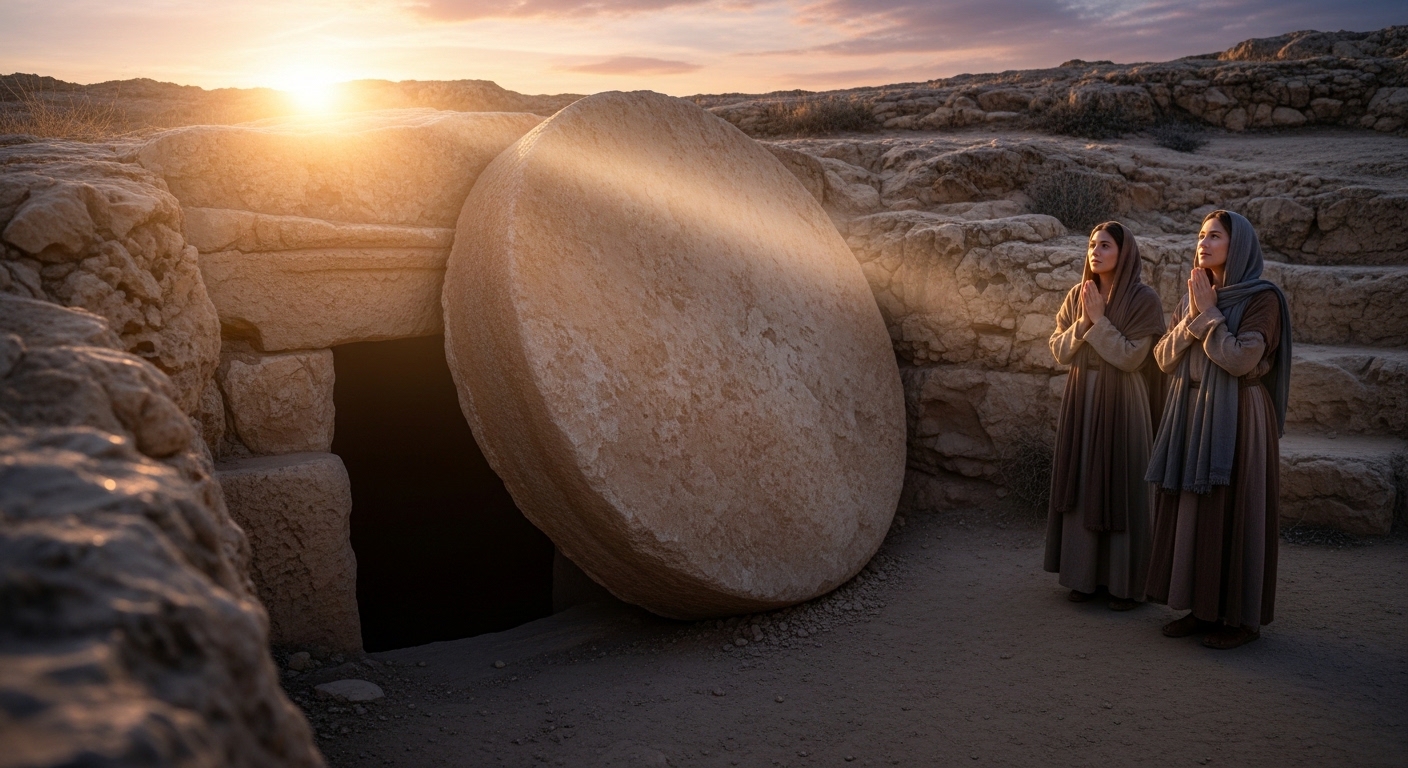
9. Resurrection (The Victory)
The resurrection is the turning point—the proof of Jesus’ victory over sin and death. The empty tomb declared, “[He is not here; He has risen…]” Matthew 28:6. This event reshapes everything: hope, identity, and destiny.
For you, the resurrection is good news that changes how you face life, death, and suffering. It means sin doesn’t have the last word and that new life is available to you now, not just in some far-off future. You can live with confidence, hope, and purpose. The resurrection invites you to embody newness—letting old habits die and walking in transformed ways. 👉 To explore what happened during the 40 days after Jesus rose from the dead, read Resurrection Timeline (What Happened After Jesus Rose From The Dead?)
10. Ascension (Return to Heaven)
Following the resurrection, Jesus spent time with His followers, prepared them, and then ascended: “[He was taken up before their very eyes…]” Acts 1:9. The ascension completes His earthly ministry while pointing forward to His ongoing reign and eventual return.
The ascension should comfort and motivate you. It means Jesus reigns at the right hand of the Father, interceding for you and ruling with authority. You’re called to live missionally—carrying on the work He entrusted to the church. The ascension reassures you that Jesus’ physical absence doesn’t mean inactivity; He’s actively present through the Holy Spirit and working through you. 👉 To understand how the Holy Spirit now guides, empowers, and works in believers today, read: The Holy Spirit Explained (Who He Is, How He Works, and How He Guides Believers)
Putting the Timeline Together: How the Stages Fit
When you trace Jesus’ life from birth to ascension, you see a coherent story of revelation, preparation, action, sacrifice, victory, and reign. Each stage serves a purpose in God’s redemptive plan and in your spiritual growth. The birth announces hope, the growth prepares, the baptism commissions, the ministry reveals character, the passion secures redemption, the resurrection assures victory, and the ascension establishes rule and mission.
Seeing these stages together helps you frame your spiritual journey. You’ll experience seasons that mirror these stages—times of quiet growth, moments of public witness, seasons of trial and waiting, and times of triumph. The timeline encourages you to find meaning in every phase and to trust that God’s story intersects with your life intentionally.
Why the Life of Jesus Still Matters Today
The life of Jesus is more than a sequence of historical events. It is the foundation of the Christian faith and the pattern for Christian living.
Every stage of His life reveals something important about God’s character and His relationship with humanity.
His birth reveals God’s humility.
His teachings reveal God’s truth.
His miracles reveal God’s power and compassion.
His death reveals God’s love and sacrifice.
His resurrection reveals God’s victory over sin and death.
His ascension reveals His ongoing reign and authority.
Because Jesus lived, died, rose again, and reigns today, believers can live with confidence, purpose, and hope.
The life of Jesus is not merely something Christians study—it is someone Christians follow.
As you understand His life more deeply, you begin to understand your own calling more clearly. His example teaches how to trust God, love others, endure suffering, walk in obedience, and live with eternal perspective.
This is why the life of Jesus remains the most influential life ever lived. His story continues to transform hearts, shape lives, and draw people closer to God today.
How to Apply the Timeline to Your Life Today
Each application is a small, practical step toward integrating faith into your daily choices. You don’t need to do everything at once—pick one or two areas to focus on and ask God to guide you in applying them consistently.
Just as Jesus consistently followed the Father’s will throughout His earthly ministry, believers are called to grow in daily obedience and spiritual maturity. 👉 Read: Spiritual Maturity: Biblical Markers That Show You’re Growing in Christ
- From the birth, learn humility: look for God in small, surprising places.
- From His growth, value preparation: steward your seasons of learning and formation.
- From baptism, receive identity: live with clarity about who you are in Christ.
- From ministry, practice compassion: pair truth with tangible love.
- From the Triumphal Entry, submit to His kingship: let Jesus shape your priorities.
- From the Last Supper, remember: cultivate regular spiritual rhythms of gratitude.
- From the cross, accept forgiveness: live transformed by mercy.
- From the burial, endure silence: trust in God’s work through waiting.
- From the resurrection, live boldly: embody hope and new life.
- From the ascension, engage mission: serve with purpose, expecting Jesus to work through you.
Each application is a small, practical step toward integrating faith into your daily choices. You don’t need to do everything at once—pick one or two areas to focus on and ask God to guide you in applying them consistently.
Questions for Personal Reflection
Reflection helps you internalize the timeline. Ask yourself:
- Which stage of Jesus’ life most resonates with where you are today?
- Are you in a season of preparation, silence, or new life?
- How does Jesus’ humility challenge your pursuit of status or control?
- What habits help you remember Jesus regularly?
- How can you participate in Jesus’ mission in your family, workplace, or community?
Taking time to journal or pray through these questions will help you move from knowledge to transformation. Reflection invites you to engage honestly with where you are and to take concrete next steps in your walk with Christ.
How Churches and Small Groups Can Use This Timeline
This timeline is a practical tool for teaching and discipleship. You can use it in sermons, small group studies, or Sunday school to help people trace the story of salvation together. Each section lends itself to interactive study: read the linked passage, discuss its meaning, and brainstorm real-life applications.
When groups study this timeline together, you encourage communal growth and accountability. You’ll see people move from head knowledge to heart change as they practice remembrance, service, and mission. Small groups are also ideal for walking through the silence and the waiting seasons together—sharing burdens and celebrating resurrection moments.
🔗 Internal Resources to Explore
If you want to explore the life of Jesus more deeply and understand each stage in detail, consider these articles for further reading:
Related Articles:
👉 Birth of Jesus (The Full Story of Jesus’ Birth Explained Clearly)
👉 Ministry of Jesus (What Jesus Taught and Did During His Public Ministry)
👉 Miracles of Jesus (Powerful Miracles and What They Reveal About Him)
👉 Crucifixion Meaning (Why Jesus Died and What It Means for You)
👉 Resurrection Timeline (What Happened After Jesus Rose From the Dead)
👉 Ascension → Acts (What Happened After Jesus Returned to Heaven)
👉 Pentecost Explained (What Happened + Why It Matters Today)
Historical and Theological Notes
While this timeline follows the Gospel narratives closely, it’s helpful to remember that the four Gospels present complementary perspectives. Matthew and Luke emphasize different details about Jesus’ birth and ministry, John focuses on the identity of Jesus, and Mark emphasizes action and immediacy. The harmonized timeline gives you a coherent storyline while honoring each Gospel’s emphasis.
Theologically, Jesus’ life models God’s covenantal faithfulness and the inauguration of a new creation. From prophecy fulfillment to the establishment of a new covenant at the Last Supper, Jesus’ life signifies a turning point in God’s relationship with humanity. You’re invited into this new covenant—one defined by grace, faith, and a restored relationship with God.
Practical Resources for Studying the Timeline
If you want to dive deeper, use these practices:
- Read the linked Bible verses daily and meditate on one per day.
- Join a small group to discuss the life of Jesus.
- Use devotionals that follow the gospel chronology.
- Memorize key verses from each stage to hold them in your heart.
- Serve in your community as a way of living out the ministry model.
These resources and practices help you move from theory to lived experience. Spiritual growth often happens through simple, consistent practices more than dramatic moments—so start small and stay steady.
A Short Prayer to Close
Take a moment to pray and let the timeline shape your heart:
Lord, thank You for the life of Jesus and all it reveals. Help me to understand Your truth and live in response to it each day. Guide me to follow You with faith, purpose, and love. Amen.
Suggested Next Steps
- Pick one stage from this timeline that you want to focus on for the next month.
- Journal how you see that stage reflected in your daily life.
- Share with a friend or a small group and invite accountability.
- Remember to read the linked passages for deeper reflection.
Each small step helps you integrate the gospel into ordinary life and move from knowledge to transformation.
Suggested Reading Plan (Two-Week Starter)
Spend two weeks focusing on these core passages, reading one passage a day and praying through what you learn:
- Day 1–2: Luke 2:10–11
- Day 3–4: Luke 2:52
- Day 5–6: Matthew 3:16–17
- Day 7–8: Matthew 4:23
- Day 9: Matthew 21:9
- Day 10: Luke 22:19
- Day 11: Luke 23:33
- Day 12: Matthew 27:60
- Day 13: Matthew 28:6
- Day 14: Acts 1:9
This guided reading helps you internalize the arc of Jesus’ life and invites steady transformation.
Continue Growing Spiritually
If studying the life of Jesus has encouraged you to grow deeper in your faith, these Bible-based guides can help you continue your journey:
👉 Birth of Jesus (The Full Story of Jesus’ Birth Explained Clearly)
👉 Crucifixion Meaning (Why Jesus Died and What It Means for You)
👉 Resurrection Timeline (What Happened After Jesus Rose From the Dead?)
👉 The Holy Spirit Explained (Who He Is, How He Works, and How He Guides Believers)
👉 Spiritual Maturity: Biblical Markers That Show You’re Growing in Christ
Following Jesus is more than learning historical events—it is learning to live as His disciple every day.
Final Thoughts
The life of Jesus is not just an ancient story; it’s the foundation of your faith and the blueprint for your life. From the manger to the ascension, every moment reveals God’s character, His purposes, and His invitation to you. As you study the timeline, let it shape your identity, your practice, and your mission. You are called to live in response to the One who came, who suffered, who rose, and who reigns.