


You may have heard phrases like “spiritual warfare,” “binding spirits,” or “taking territory for Jesus,” and wondered what the Bible actually teaches. You’re not alone. Spiritual warfare can sound mysterious or even intimidating, but the Bible presents a clear, balanced picture: there is a real spiritual battle, it has a history and purpose, and God gives you specific, practical tools to stand firm. In this article you’ll find plainspoken, Scripture-based teaching that answers the question, “What is spiritual warfare?” and shows how the Armor of God equips you for the fight.

Direct answer: What is spiritual warfare?
Spiritual warfare, simply put, is the ongoing conflict between God’s kingdom and the powers aligned against Him—Satan, demonic forces, and the spiritual influences that oppose God’s purposes. It’s not primarily a fight between flesh-and-blood people but a battle for hearts, minds, truth, and souls (see Ephesians 6:12). The Bible teaches that this battle began with the rebellion of created angels, has affected humanity since the fall, and continues until Christ’s final victory. As a believer, you are called to resist the enemy, rely on God’s strength, and wear the spiritual armor He supplies so you can stand firm in the day of trial, see Ephesians 6:10-18.
Biblical foundation: the Scriptural reality of spiritual conflict
The Bible doesn’t treat spiritual warfare as an optional theme or a metaphorical afterthought. It weaves the reality of spiritual opposition throughout both Old and New Testaments.
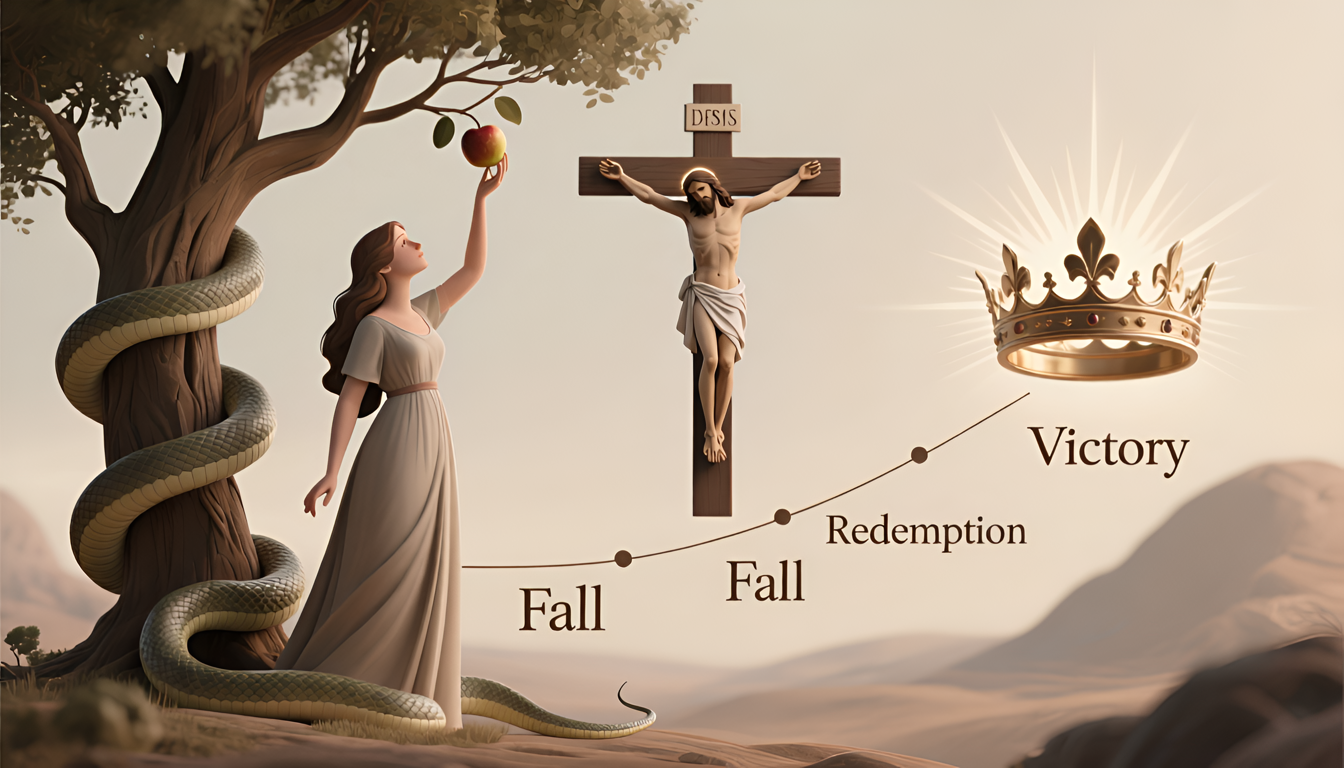
- The origin: The biblical story of the Fall introduces spiritual opposition. Genesis describes the serpent’s deception and humanity’s resulting fall into sin (see Genesis 3). That event sets the scene for enmity between the seed of the woman and the serpent ( Genesis 3:15).
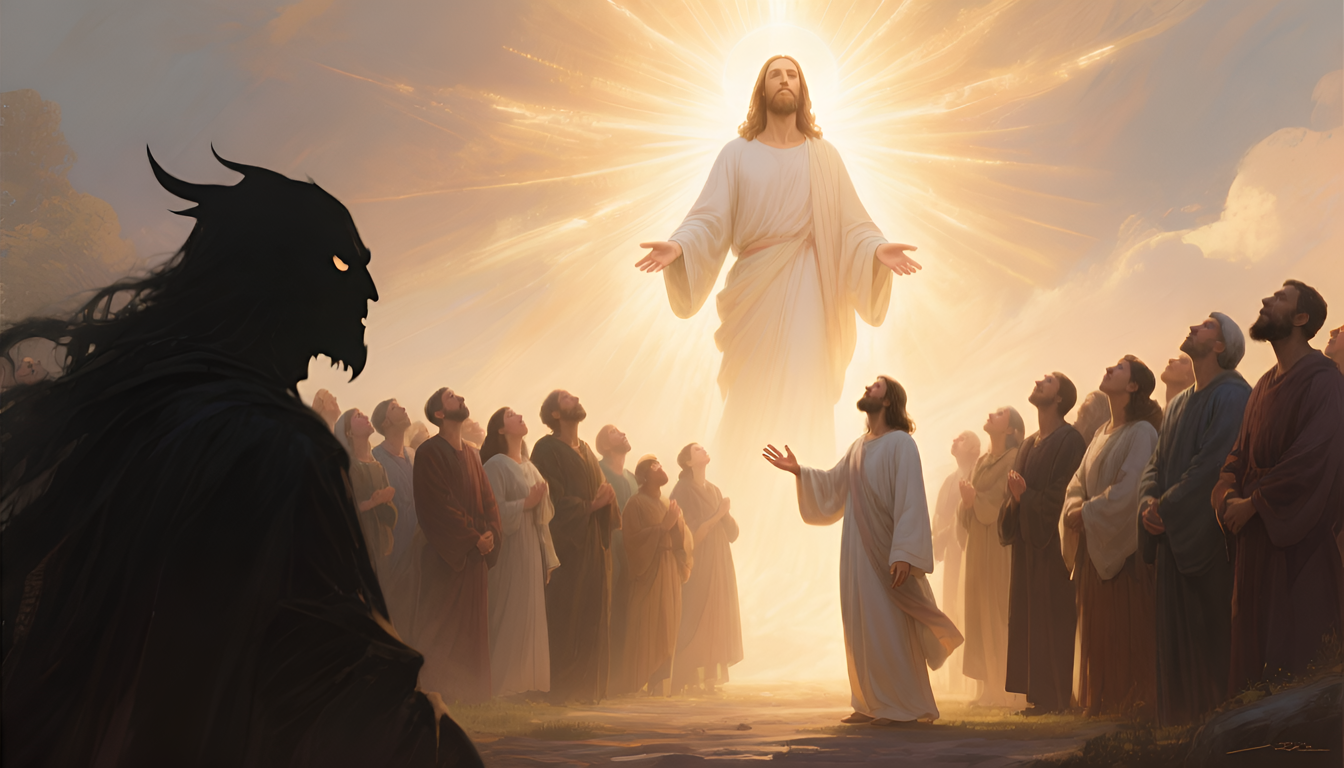
- The cosmic conflict: Revelation depicts a spiritual battle in heaven between Michael and his angels and the dragon (Satan) and his angels, culminating in Satan’s defeat (see Revelation 12:7–12).
- The human-sized arena: Jesus’ temptation in the wilderness shows spiritual battle focused on identity and obedience (see Matthew 4:1–11). His ministry demonstrates authority over demons, illness, and death.
- The pastoral command: New Testament instruction—like Peter’s call to stand against the devil and James’ injunction to resist temptation—shows believers are to live in active resistance (see 1 Peter 5:8–9 and James 4:7).
Read the battle passages
If you want to ground your understanding in Scripture, these passages are essential reading. Each one contributes to the portrait of spiritual conflict and God’s provision for his people.
- The Fall and the first spiritual dynamics: Genesis 3:1–19
- Jesus’ temptation and authority: Matthew 4:1–11
- The believer’s armor and weapons: Ephesians 6:10–18
- Wakefulness and resistance: 1 Peter 5:8–9
- Cosmic war in heaven: Revelation 12:7–12
- Spiritual weapons to demolish arguments: 2 Corinthians 10:3–5
Each passage helps you see a different facet: a created rebellion, present opposition, the enemy’s patterns, and God’s provision of armor and weapons that are effective in spiritual reality.
Who are the actors in spiritual warfare?
Understanding who’s involved helps keep your thinking biblical and balanced.
- God: Sovereign, loving, and working all things for redemption. He permits spiritual conflict at times but is never outmaneuvered.
- Jesus Christ: The decisive victor who disarmed powers and authorities through the cross and resurrection (see Colossians 2:15). He is your advocate, Lord, and high priest (see Hebrews 4:14–16).
- The Holy Spirit: Your Helper who convicts, guides, equips, and empowers you for spiritual life.
- Satan (the devil): A real personified adversary described as tempter, accuser, and deceiver. Scripture warns you to be sober-minded because of him (see 1 Peter 5:8–9).
- Demonic forces: Scripture speaks of “powers,” “rulers,” and “spiritual forces of evil” that influence systems and people (see Ephesians 6:12).
- Angels: God’s servants who help, protect, and execute His purposes (see Hebrews 1 and (Psalm 91).
- Humans: You and your neighbors, made in God’s image, now living in a world where spiritual choices have real consequences.
Scripture balances the reality of demonic influence with the truth that God is supreme. Even when demons act, they cannot overthrow God’s plan or your eternal security in Christ. You are not in a spiritual tug-of-war between equal rivals; God’s victory is already secured in Christ, and your role is to stand, resist, and declare that victory by faith (see Romans 8:37–39).
Read More on God’s Victory:
- Colossians 2:15 (Christ disarmed spiritual powers)
- Romans 8:37–39 (more than conquerors)
Why does spiritual warfare exist?
When you look at Scripture carefully, spiritual warfare exists for several interlocking reasons:
- The fall and rebellion: Sin entered the world through human disobedience and angelic rebellion. That introduced moral and spiritual conflict into creation (Genesis 3; Isaiah 14; Ezekiel 28).
- The presence of free will: God created beings with the capacity to choose. The possibility of choosing against God opens the door to ongoing struggle.
- Testing and sanctification: Trials, temptations, and spiritual opposition refine faith and grow perseverance (see James 1). Scripture often connects trials with spiritual growth and dependence on God.
- God’s redemptive purpose: Satan’s activity reveals the need for salvation and gives opportunity for people to repent, be delivered, and live as witnesses to God’s grace.
- Cosmic demonstration of God’s glory: The eventual defeat of evil magnifies God’s justice, mercy, and glory—His triumph will be undeniable to all creation (see Revelation 19–22).
The Bible does not present spiritual warfare as purposeless chaos. If you study the story from Genesis to Revelation, you see God working through conflict to draw people to Himself and to bring ultimate restoration.
What does spiritual warfare look like in everyday life?
Spiritual warfare isn’t only dramatic exorcisms or the stuff of sensational stories. Much of it is ordinary, subtle, and spiritual in nature:
- Temptation to sin and moral compromise (e.g., pride, lust, anger).
- Lies that lead you away from God’s truth (doubt, guilt, shame).
- Persistent patterns that hinder growth (addictions, bitterness).
- Opposition to gospel proclamation (resistance, ridicule, persecution).
- Spiritual discouragement that saps prayer life and faith.
- Unexpected trials that provoke questions about God’s goodness.
Jesus’ temptation in the wilderness is instructive: the devil attacked Jesus’ identity, provision, and mission—key spiritual battlegrounds for every believer (see Matthew 4:1–11). So your daily spiritual warfare often centers on what you believe about God, how you obey, and whether you stand in faith and truth.
See also: John 10:10 about the thief’s intent
How the Armor of God prepares you
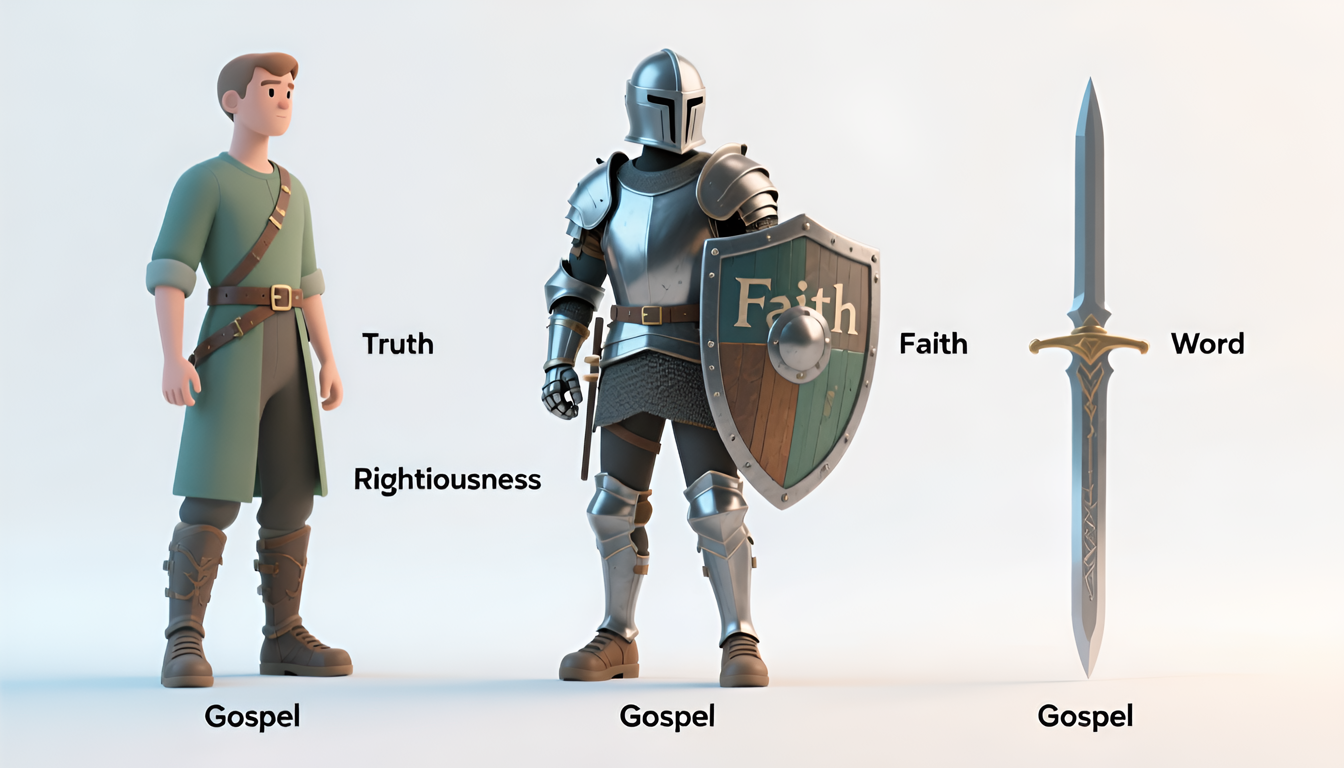
Ephesians 6 gives the most complete biblical picture of personal preparation for spiritual battle. Paul’s metaphor of armor shows that God provides defensive and offensive tools so you can stand.
- Belt of truth: Truth secures you. Lies unsettle and open you to attack; living in God’s truth gives stability. (See The Belt of Truth Explained: Living in God’s Truth Every Day.)
- Breastplate of righteousness: Righteousness guards your heart and conscience. Christ’s righteousness is your defense, not your own moral perfection. (See The Breastplate of Righteousness Explained.)
- Shoes of the gospel of peace: Your readiness to share and live out the gospel steadies you. Peace from Christ keeps you anchored amid conflict. (See The Shoes of the Gospel of Peace Explained)
- Shield of faith: Faith extinguishes the flaming darts of the enemy—doubt, fear, accusations. (See The Shield of Faith Explained.)
- Helmet of salvation: Salvation protects your mind and hope, guarding against doubts about your standing in Christ. (See The Helmet of Salvation Explained.)
- Sword of the Spirit: God’s Word is your offensive weapon—true, living, and authoritative. Use it like Jesus did when tempted. (See The Sword of the Spirit Explained.)
For a fuller walkthrough of each part, read our pillar article: The Armor of God Explained: The Meaning of Each Piece.
Ephesians 6:10–18 itself emphasizes prayer, alertness, and reliance on God—not a “magical” formula but faithful, obedient practice that flows from relationship with Christ.
Practical steps for standing firm in spiritual battle
Scripture gives clear, everyday steps—simple but not easy—that equip you to stand.
- Put on the full armor daily. Treat Ephesians Ephesians 6:11–18 as spiritual routine, not optional. Dressing spiritually means filling your mind and heart with truth and faith first thing.
- Pray without ceasing. Prayer is your lifeline; it aligns your will with God’s. Paul pairs the armor with constant prayer ( Ephesians 6:18). Make time for conversational prayer, intercession, confession, and listening.
- Know and use Scripture. The Word defended Jesus against temptation (Matthew 4:1–11). Memorize key verses and use them when you wrestle with lies or doubts. (See Bible Verses About Spiritual Warfare for Strength and Victory.)
- Resist the devil and draw near to God. James 4:7–8 puts these together—resistance + drawing to God leads to victory. Practically, that may look like confession, accountability, and obedience.
- Live in community. The armor is worn by the body of Christ together. Share struggles with trustworthy brothers and sisters; church is a training ground for standing firm.
- Cultivate holiness and repentance. Righteous living and a tender conscience protect you spiritually. Confession is a regular weapon of defense.
- Use discernment. Not every emotional struggle or sickness is a demonic attack. Test everything by Scripture, prayer, and wise counsel.
- Remember Christ’s victory. You don’t fight alone or at your own strength. Your posture is “stand” because Christ has won the decisive battle (see 1 Corinthians 15 and Colossians 2).
For practical daily routines, see How to Put on the Armor of God Every Day: A Practical Biblical Guide and The Full Armor of God in Daily Life: Real Examples for Modern Christians.

Spiritual weapons and how to use them biblically
The Bible emphasizes spiritual means more than formulas. Key weapons you’ll rely on:
- God’s Word. Scripture is authoritative, convicting, and shaping. Speak it in prayer and use it to evaluate thoughts and actions (see 2 Corinthians 10:3–5 and Psalm 119).
- Prayer. Intercession, praise, confession, and petition keep you connected to God and other believers (Ephesians 6:18).
- Faith. Trust in God extinguishes the flaming darts of fear and doubt (Ephesians 6:16).
- Righteousness and holy living. A heart aligned with God is less vulnerable to the enemy’s accusations and deception.
- Community. The church provides support, accountability, and protection.
- The name of Jesus and the authority of the Spirit. Scripture records instances of demons departing at Jesus’ command or when His name is invoked in faith (Acts 16, Mark 16:17; always interpret such passages with care and in context).
Be cautious about methods that promise guaranteed formulas. The Bible models prayerfulness, patience, and dependence, not charismatic catchphrases or manipulative techniques.
Common misconceptions (and how Scripture corrects them)
Many misunderstandings cloud how Christians think about spiritual warfare. Here are a few major corrections.
- Misconception: Everything unpleasant is demonic. Correction: Scripture attributes trials to living in a fallen world, human sin, and spiritual opposition. Not every illness or hardship is a demonic attack. Discernment matters (see Job 1:6–22; John 9:1–3).
- Misconception: If you pray the right words, you’ll always be delivered instantly. Correction: God answers prayer in ways consistent with His wisdom and timing. Trust and obedience matter; so does community. Expect growth through suffering as well as rescue.
- Misconception: Spiritual warfare is mainly about dramatic exorcisms. Correction: Much of the battlefield is the daily fight against temptation, doubt, and unbelief—ordinary, spiritual disciplines shared by all believers.
- Misconception: Christians should engage in occult practices to fight occult forces. Correction: Scripture forbids occult practices; God’s power, not demonic methods, defeats evil (Deuteronomy 18:10–12; see Acts 19 for boundaries).
- Misconception: Christians can be possessed. Correction: The New Testament shows that believers may be oppressed or influenced, but possession language is not typically used for Christians. Your identity in Christ and the indwelling Spirit are crucial protections.
If you’re unsure about a spiritual issue, seek pastoral counsel, Scripture, and prayer. Wise, humble discernment keeps you from fearful extremes and from ignoring real spiritual danger.
Frequently asked questions
1. Is spiritual warfare real, or is it just a metaphor?
Scripture presents spiritual warfare as real. Passages like Ephesians 6:12. and Revelation 12 depict an actual spiritual conflict. That said, Scripture uses metaphors to help you understand spiritual realities. The reality is both literal (spiritual beings and influence) and relational (battle for hearts).
2. Can a Christian lose spiritual battles or be defeated?
Christ’s victory is final, but believers can be defeated in particular encounters through sin, unbelief, or neglect. The Bible calls you to stand and resist (1 Peter 5:8–9). When you sin or fall, restoration through repentance is available (1John 1:9). Standing often means daily obedience, not flawless perfection.
3. Are you supposed to seek spiritual warfare training or special rituals?
Bible-based training in prayer, Scripture, and discipleship is vital. Beware of programs promising secret techniques or guaranteed results. The biblical path emphasizes Scripture, prayer, holiness, and community rather than sensational rituals.
4. How should a church respond to alleged demonic activity?
Carefully, biblically, and pastorally. Churches should practice discernment, test claims, counsel in Scripture, and if necessary, follow New Testament procedures that include prayer, fasting, and pastoral involvement. Avoid public spectacle; prefer pastoral wisdom and humility.
5. Does the Bible support spiritual mapping or territorial prayers?
Some ministries practice spiritual mapping—identifying historical sin or patterns in a place and praying accordingly. Scripture doesn’t lay out a specific program, so if you use these tools, pair them with humility, biblical priorities, and accountability. The focus should always be on gospel proclamation and faithful witness.
6. How do you know whether a struggle is spiritual, emotional, or medical?
Use a holistic approach: prayerful discernment, medical evaluation when appropriate, and counsel from mature Christians. The Bible expects you to care for the body and the soul. Not every struggle requires a spiritual diagnosis.
7. Is battling spiritual forces the same as evangelism?
They overlap. Spiritual opposition often resists the gospel, so evangelism encounters spiritual resistance. But evangelism is primarily about proclaiming Christ; spiritual warfare involves the broader context of opposition to God’s kingdom.
8. What does victory look like for a believer in spiritual warfare?
Victory includes perseverance in faith, growth in Christlikeness, restored relationships, and the expansion of God’s kingdom through the gospel. Final victory is certain in Christ; present victory comes through standing firm by faith.
Practical examples: Putting the armor on in daily life
- Morning routine: Begin with a short prayer acknowledging Christ’s lordship, ask the Spirit to “belt” you with truth, read a short passage to remind yourself of God’s promises, and claim the day by faith.
- When temptation hits: Pause. Name the lie. Respond with Scripture (as Jesus modeled in Matthew 4). Move into prayer and remove yourself from tempting situations if needed.
- In times of accusation or guilt: Use the helmet of salvation—remind yourself of God’s declared truth about you in Christ (justification) and confess sin honestly.
- In ministry opposition: Use the shield of faith by remembering God’s past faithfulness. Pray with others and persist in witness even under discouragement.
- When anxiety or fear rise: Put on the shoes of peace—share your burden with a friend, pray, and do small acts of obedience that reaffirm God’s sovereignty.
For more daily, practical steps, see The Armor of God for New Believers: A Simple Beginner’s Guide and How to Put on the Armor of God Every Day: A Practical Biblical Guide.
How to help others who feel under spiritual attack
- Listen patiently and pastorally. Hear their story before diagnosing.
- Encourage confession, repentance, Scripture reading, and prayer.
- Connect them with mature Christian counsel and church support.
- Remind them of God’s promises and Christ’s victory.
- Avoid publicizing private struggles or promising quick fixes.
- When necessary, involve pastoral leadership for extended care or deliverance ministry performed biblically.
Remember: humility, Scripture, and the gospel must guide every pastoral response.
Key takeaways
- Spiritual warfare is real and described throughout Scripture, but it’s not the whole story—God’s victory in Christ is decisive.
- The battle is for hearts, minds, and truth. Much of it is ordinary and won through faithfulness, not spectacle.
- The Armor of God (Ephesians 6:10–18) gives you practical, daily resources: truth, righteousness, gospel readiness, faith, salvation, Scripture, and prayer.
- Your role is to stand, resist, and rely on God—living in obedience, Scripture, and community.
- Discernment matters: not every struggle is demonic; seek wise counsel and care.
Common misunderstandings—short rundown
- Not every problem is demonic. Test by Scripture and wisdom.
- Spiritual warfare isn’t mainly about dramatic rituals; it’s daily spiritual disciplines.
- You don’t fight alone—Christ’s victory and the Spirit’s power are your resources.
- Beware of techniques that promise guaranteed results outside biblical practices.
Closing encouragement
You don’t need to be afraid of spiritual warfare. You need to be wise, humble, and faithful. Wear the armor God gives you, lean into prayer and Scripture, live in gospel community, and remember: Christ has already won the decisive battle. Your place is to stand firm in that victory and to live out the gospel courageously day by day.
Closing prayer
Lord Jesus, thank You for the victory You purchased on the cross. Help me to stand firm, dressed in Your armor, grounded in Your truth, and guided by Your Spirit. Give me discernment, courage, and humility as I face spiritual opposition. Strengthen my faith, guard my heart, and use me to bring Your peace to others. In Your name, amen.
Read Next
Continue exploring the Armor of God cluster to deepen your understanding and daily practice:
- The Armor of God Explained: The Meaning of Each Piece
- How to Put on the Armor of God Every Day: A Practical Biblical Guide
- The Shield of Faith Explained: How Faith Extinguishes Satan’s Attacks
- The Sword of the Spirit Explained: Using God’s Word in Spiritual Warfare
- A Prayer for Putting on the Armor of God Every Day