


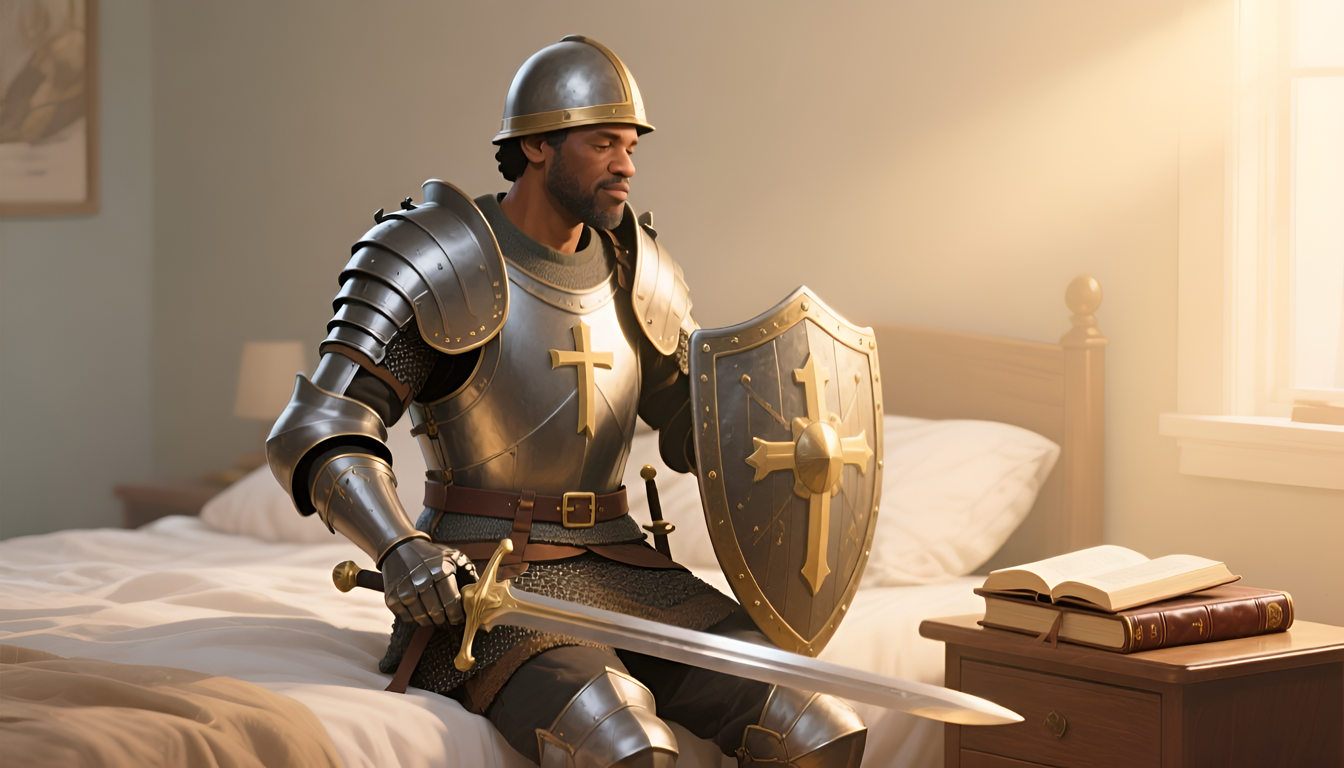
You want to live in the strength God provides. You want to stand firm when trials come, resist temptation, and walk confidently in Christ. This guide will show you, step by step, how to put on the Armor of God every day—rooted in Scripture, grounded in prayer, and shaped by practical habits you can actually keep.
You’ll find clear biblical teaching, everyday routines, and helpful links to related resources so you can grow in spiritual maturity and help others do the same.

Quick answer: How to put on the Armor of God daily
Start your day with prayer and Scripture, intentionally cover each piece of the armor described in Ephesians 6:10–18, and cultivate habits—truth, righteousness, gospel-motivated readiness, faith, salvation-focused thinking, and Scripture-based offense—that you practice throughout the day. Put on the armor by faith, and use it in dependence on the Holy Spirit, not as a checklist. (See Ephesians 6:10–18.)
Ephesians 6:10–18 (the passage that names the armor) is your roadmap: remind yourself of each piece, apply it to real situations (temptation, fear, doubt, conflict), and steady your heart with prayer and God’s Word.
Read Ephesians 6:10–18 here: Ephesians 6:10–18 (NIV).
Biblical foundation: why God gives you armor
Paul wrote Ephesians during a season of pastoral instruction for the church. He wanted believers to understand that the Christian life involves spiritual realities—real struggles that require real spiritual resources. The Apostle emphasizes relying on God’s strength, not your own (Eph. 6:10). That means the armor is both a present help and a divine provision to enable you to stand your ground in spiritual battle.
See Paul’s command to be strong in the Lord here: Ephesians 6:10 (NIV).
Beyond Ephesians, Scripture repeatedly shows that God equips His people: He clothes you with righteousness (Isaiah 61:10), guards your heart with truth (Psalm 119:11), and calls you to resist the enemy by faith (1 Peter 5:8–9). Each piece of the armor corresponds to biblical realities that protect and equip you for godly living.
- Isaiah 59:17 shows God Himself putting on righteousness and zeal: Isaiah 59:17 (NIV).
- Psalm 119:11 reminds you to hide God’s Word in your heart: Psalm 119:11 (NIV).
- 1 Peter 5:8–9 warns and encourages you to resist the devil: 1 Peter 5:8–9 (NIV).
Understanding the battlefield: what does spiritual warfare mean?
Spiritual warfare isn’t primarily theatrical or sensational; it’s relational and spiritual. It describes the struggle against lies, temptation, spiritual forces, and the influences that try to pull you away from God’s truth and purposes. Recognize that the battle is often fought in your mind, relationships, and daily choices.
Paul reminds you that your struggle is not against flesh and blood but against spiritual powers (Ephesians 6:12): Ephesians 6:12 (NIV). That doesn’t mean you ignore material realities—temptation and sin are embodied—but it does mean you need spiritual tools that match the spiritual nature of the threat.
When you keep this perspective, the armor becomes a practical, daily discipline rather than a fearful obsession. You learn to spot the patterns of the enemy—deception, accusation, isolation—and respond with truth, righteousness, prayer, and faithful obedience.
The armor overview: Ephesians 6 explained
Ephesians 6:10–18 names six pieces: the belt of truth, the breastplate of righteousness, the shoes of the gospel of peace, the shield of faith, the helmet of salvation, and the sword of the Spirit (the Word of God). Paul combines defense and offense; your posture is to stand firm, not to launch a solo attack. Every piece points you to Christ and your dependence on the Holy Spirit.
Read the passage again as your foundational text: Ephesians 6:10–18 (NIV).
For a deeper look at each piece, see the pillar article: The Armor of God Explained: The Meaning of Each Piece.
Below you’ll find how to practically put each piece on every day.
The Belt of Truth: start with reality
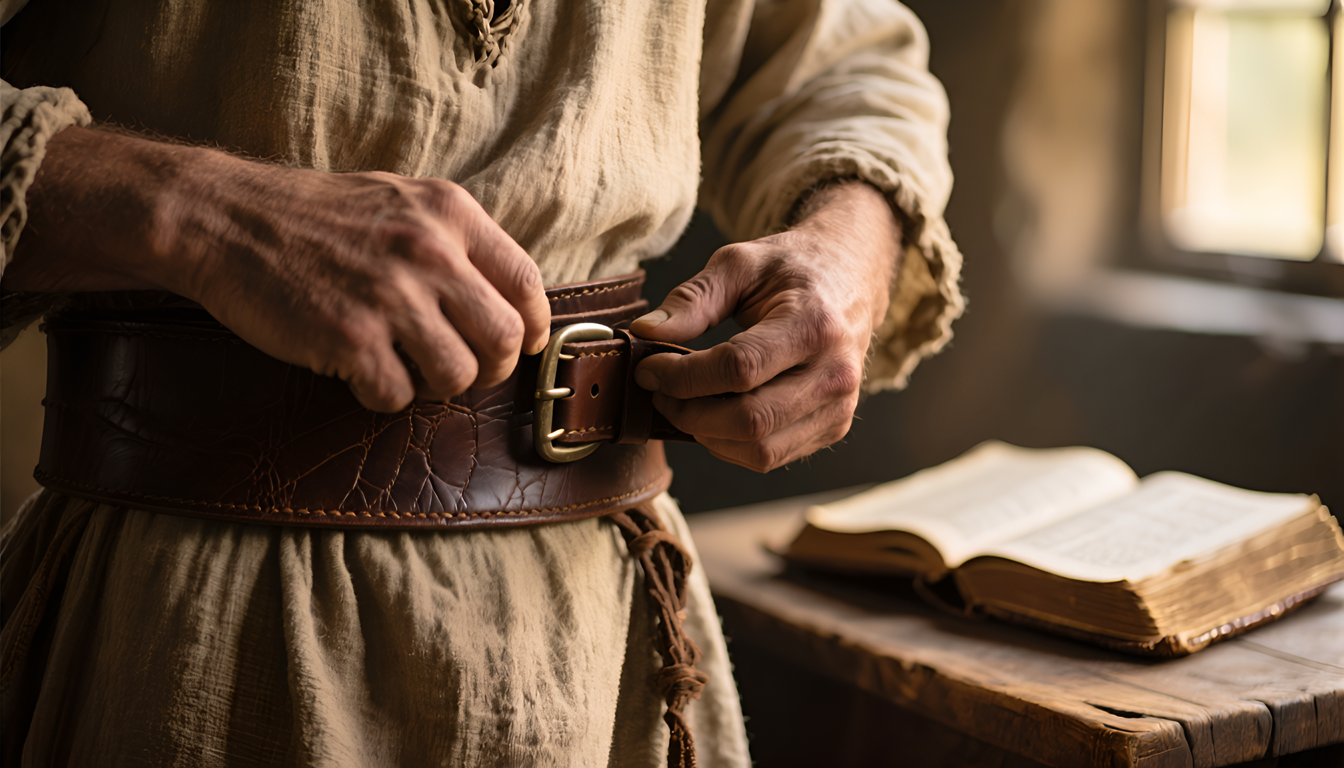
Paul describes truth as a belt. In the ancient world a soldier’s belt secured the tunic and held weapons—without it he couldn’t fight effectively. Truth anchors you and holds all the other pieces in place.
What truth are you to wear? The person and work of Jesus, the doctrines about God and salvation, and practical honesty in how you view yourself and the world. John records Jesus praying that you would be sanctified by God’s truth: John 17:17 (NIV). When you put on truth, you reject the enemy’s lies—about your identity, God’s love, and the path you should walk.
Daily practice: begin each morning by reminding yourself of gospel truths—who God is, who you are in Christ, what He has done. Keep a short list of Scripture verses or declarations by your bed or in a note on your phone. When a temptation or fear surfaces, speak those truths out loud and let them tighten your belt.
For a deeper study on living in God’s truth every day, see: The Belt of Truth Explained: Living in God’s Truth Every Day.
The Breastplate of Righteousness: guard your heart
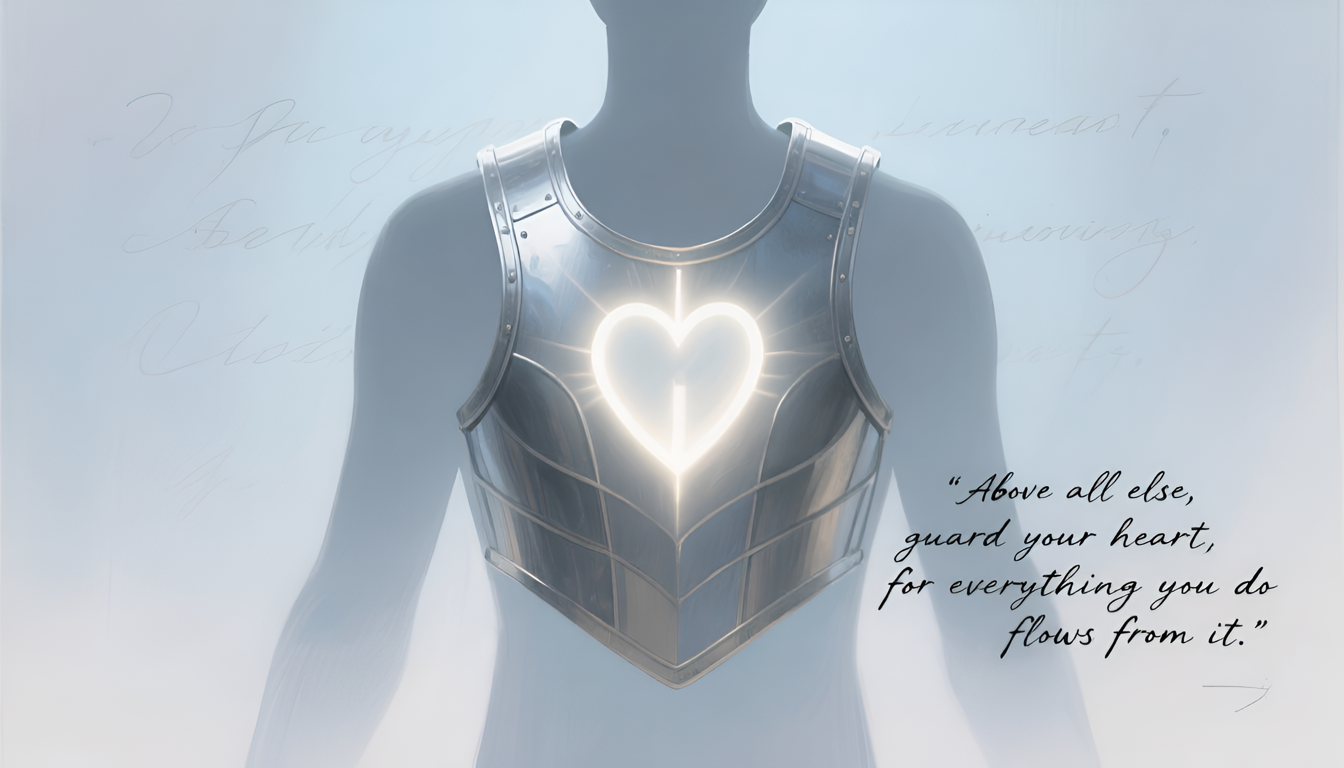
A breastplate protects vital organs. Paul connects righteousness to the protection of your heart—the center of your motives, affections, and decisions. In Christ, righteousness is both imputed (you are declared righteous by faith, Romans 3:23–24) and something you pursue in practical obedience.
Read about justification and righteousness here: Romans 3:23–24 (NIV).
Practically, put on righteous living by cultivating habits that shape your heart: confession, accountability, regular worship, and obedience to God’s commands. When feelings of shame or condemnation come, remind yourself that Christ’s righteousness covers you and calls you to grow.
For practical help on guarding your heart, read: The Breastplate of Righteousness Explained: Guarding Your Heart in Christ.
The Shoes of the Gospel of Peace: walk ready
Shoes make you ready to move. Paul describes the readiness that comes from the gospel of peace—peace with God through Jesus Christ (Romans 5:1). That peace steadies you in conflict and gives a posture of readiness to go where God sends you with confidence instead of fear.
Read about peace with God here: Romans 5:1 (NIV).
Daily practice: begin your day with a gospel-centered reminder—“I am reconciled to God through Christ.” Let that peace shape how you respond to interruptions, conflict, and fear. Keep your feet ready by practicing humility, listening, and empathy; the gospel equips you to approach others before you react.
For practical guidance on walking with gospel confidence, see: The Shoes of the Gospel of Peace Explained: Walking with Confidence.
The Shield of Faith: quench the flaming arrows

Paul’s shield (often translated “large shield”) was carried by Roman soldiers to cover themselves and neighbors. Faith extinguishes the enemy’s fiery darts—doubt, fear, accusation, temptation. Faith trusts God’s promises and power even when you can’t see the outcome.
Hebrews defines faith as confidence in what we hope for and assurance about what we do not see: Hebrews 11:1 (NIV). In practical life, faith means choosing to trust God’s Word and past faithfulness when present feelings say otherwise.
Daily practice: rehearse God’s faithfulness—memorize testimonies, record answered prayers, and use Scripture to respond to lies. When anxiety rises, raise the shield by claiming specific promises and asking God to increase your trust.
Learn how faith functions as a shield here: The Shield of Faith Explained: How Faith Extinguishes Satan’s Attacks.
The Helmet of Salvation: protect your mind
The helmet protects the head—the seat of thoughts and decisions. Salvation is not just a future hope; it shapes how you think now. The knowledge of your salvation guards your mind against despair, hopelessness, and deception.
Paul’s emphasis on the helmet suggests you need a salvation-shaped mindset: assurance of God’s saving work, assurance of future hope, and a mind saturated with God’s truths.
Daily practice: start with gratitude for your salvation. Counter destructive thinking with biblical realities about God’s sovereignty and your identity in Christ. Memorize verses that affirm salvation and meditate on them when negative thoughts arise.
For more on protecting your mind with God’s truth, read: The Helmet of Salvation Explained: Protecting Your Mind with God’s Truth.
The Sword of the Spirit: use God’s Word

The sword is unique: it’s both defensive and offensive. The Word of God is living and active, able to cut through lies and guide you into truth (Hebrews 4:12). Jesus used Scripture to resist temptation during His time in the wilderness (Matthew 4:1–11), giving a model for you.
Read Jesus’ example here: Matthew 4:1–11 (NIV). And see the power of God’s Word: Hebrews 4:12 (NIV).
Daily practice: keep Scripture close—memorize key passages, read the Bible in the morning, and have a verse ready to speak when temptation comes. Practice using Scripture in prayer: quote a promise and ask God to make it real in your life.
For practical instruction on using Scripture in spiritual warfare, see: The Sword of the Spirit Explained: Using God’s Word in Spiritual Warfare.
How to put on every piece each morning: a simple daily routine
You don’t need a complex ritual. A consistent, brief routine builds spiritual muscle and helps you rely on God throughout the day.
Suggested morning rhythm (10–20 minutes):
- Quietly center yourself and pray for God’s presence (2 minutes).
- Read Ephesians 6:10–18 aloud and ask the Spirit to help you put on each piece (1–2 minutes): Ephesians 6:10–18 (NIV).
- Recite truth statements (belt) like “In Christ I am loved and forgiven” with related verses (3–5 minutes).
- Confess and receive righteousness (breastplate) by naming one area you need God’s help and claiming Christ’s covering (1–2 minutes).
- Claim gospel peace (shoes) and ask for readiness to walk in love and boldness (1 minute).
- Activate faith (shield) by recalling a promise and praying it over the day (1–2 minutes).
- Put on the helmet of salvation by declaring the security you have in Christ (1 minute).
- Read or recite Scripture for the day and keep a key verse memorized (sword) (3–4 minutes).
This routine trains you to think biblically and makes the armor present in your daily life. As the day unfolds, repeat short phrases or verses when you need to re-clothe yourself in the armor.
Putting on the armor during the day: quick practices
You’ll face times when you need to reapply the armor: a tense meeting, a tempting situation, a moment of doubt. Here are quick practices you can use in the moment:
- Belt of Truth: Speak one gospel truth in the hard moment. (“God is at work.”)
- Breastplate of Righteousness: Confess and ask for strength to act rightly. (“Lord, help me respond with purity.”)
- Shoes of Peace: Breathe and choose a peace-giving response rather than an anxious reaction. (“I will trust God’s peace.”)
- Shield of Faith: Remember a past answer to prayer and use it to put out the darts of fear. (“God has been faithful before.”)
- Helmet of Salvation: Replace condemning thoughts with assurance in Christ. (“I am saved; God is with me.”)
- Sword of the Spirit: Speak Scripture against the lie. Keep short memory verses for common temptations.
Teach yourself these “one-liners” for common scenarios and rehearse them so they come naturally.
Sustaining the armor: rhythms that strengthen you
Putting on the armor daily also requires long-term disciplines: corporate worship, Bible intake, prayer, fellowship, service, and rest. These are the means God uses to reinforce your daily putting on.
- Regular Bible reading keeps the sword sharp. (Psalm 119:105: Psalm 119:105 (NIV).)
- Prayer keeps you dependent on God’s power, not your own (Philippians 4:6–7: Philippians 4:6–7 (NIV).)
- Fellowship provides encouragement and accountability (Hebrews 10:24–25: Hebrews 10:24–25 (NIV).)
- Serving others lets you walk in gospel peace and readiness (Galatians 5:13: Galatians 5:13 (NIV).)
These habits aren’t legalistic tasks; they’re the soil where your daily armor-wearing grows deep roots.
Common spiritual attacks and how the armor helps
You will face predictable attacks: temptation to sin, doubt about God’s goodness, fear for the future, and accusations from the enemy. Each piece of the armor corresponds to common fights:
- Lie about your identity? Use the belt of truth and helmet of salvation.
- Accusation and shame? Put on the breastplate of righteousness and raise the shield of faith.
- Anxiety about tomorrow? Shoes of the gospel of peace and prayer.
- Direct temptation? Use the sword of the Spirit and the shield of faith.
For a more detailed look at common attacks and biblical responses, read: Common Spiritual Attacks Christians Face (And How to Stand Firm Biblically).
Frequently misunderstood points
Many Christians get confused about the armor. Here are a few common misconceptions and correctives.
- Misconception: The armor is magic—put it on and you won’t have problems. Correction: The armor equips you to stand and persevere, but you will still face trials. God’s power works through faith and obedience (Ephesians 6:10: Ephesians 6:10 (NIV)).
- Misconception: The armor replaces other spiritual disciplines. Correction: The armor is expressed through prayer, Scripture, worship, and community. It’s sustained by spiritual disciplines.
- Misconception: The armor is primarily defensive. Correction: The sword of the Spirit is offensive—God’s Word advances His kingdom and is effective in confronting sin and lies (Hebrews 4:12: Hebrews 4:12 (NIV)).
If you want a gentle beginner’s roadmap, try: The Armor of God for New Believers: A Simple Beginner’s Guide.
How to teach this to others or lead a small group
You can lead a short Bible study using Ephesians 6:10–18 as your anchor. Start with prayer, read Ephesians 6:10–18 aloud, explain each piece briefly, then break into pairs to discuss practical ways to apply one piece that week. Finish by praying and asking God to help each person put on the armor daily.
A helpful companion for group prayer is: A Prayer for Putting on the Armor of God Every Day.
Key takeaways
You don’t need perfect understanding to put on the armor; you need faith and practice. Each day, intentionally put on the belt of truth, the breastplate of righteousness, the shoes of the gospel of peace, the shield of faith, the helmet of salvation, and use the sword of the Spirit. Anchor these practices in prayer, Scripture, and community. Over time, these disciplines will shape your heart to stand firm in Christ.
Closing encouragement
You are not alone in the fight. God has already equipped you through Christ and He supplies the strength you need. Keep returning to the cross, keep rehearsing the gospel, and keep wearing the armor by faith. When you stumble, confess and get back up—God’s grace is abundant.
A closing prayer
Heavenly Father, thank You for equipping me with spiritual armor through Christ. Help me this day to put on Your truth, righteousness, peace, faith, and salvation, and to wield Your Word with courage. Strengthen me by Your Spirit so I can stand firm against every scheme of the enemy and live for Your glory. In Jesus’ name, amen.
(For example Scripture to pray with: Ephesians 6:10–18 (NIV).)
Frequently Asked Questions
How long should it take to put on the armor each morning?
You can start with 10–20 minutes. The length matters less than consistency. The important thing is to form a habit of intentionally covering each piece with prayer and Scripture.
Can unbelievers “wear” the armor?
Only believers are instructed by Paul to put on the armor because the armor is rooted in salvation and faith (Ephesians 6:10–18: Ephesians 6:10–18 (NIV)). However, unbelievers can learn truth about God and be drawn to Christ through gospel witness.
Is spiritual warfare always dramatic?
No. Much of it is ordinary—temptations, doubts, relationship struggles, and daily pressures. The armor is designed for those everyday battles as much as for extraordinary ones.
What is the best verse to memorize for spiritual warfare?
Ephesians 6:10–18 is central, but choose short, relevant verses for your common struggles. For example: Hebrews 4:12 (Hebrews 4:12 (NIV)) or Psalm 119:11 (Psalm 119:11 (NIV)).
Can Christians lose spiritual battles?
Christians may falter in battles, but God’s grace restores and teaches you. For a careful biblical discussion, read: Can Christians Lose Spiritual Battles? What the Bible Teaches.
Read Next
To strengthen your understanding and practice, continue with these helpful resources from our Armor of God cluster:
- The Armor of God Explained: The Meaning of Each Piece (pillar)
- The Shield of Faith Explained: How Faith Extinguishes Satan’s Attacks
- The Sword of the Spirit Explained: Using God’s Word in Spiritual Warfare
- A Prayer for Putting on the Armor of God Every Day
- The Full Armor of God in Daily Life: Real Examples for Modern Christians