

A Bible Study About The Assurance Of Faith In Hebrews 11:1

Introduction
Have you ever stood at a crossroads in life — a job decision, a health scare, a relationship on the rocks — and wondered, “Do I really believe this enough to act?” Faith isn’t just a nice idea; it’s the engine that moves you forward when facts, feelings, and fears push back. Hebrews 11:1 gives you a clear, compact definition of faith that can change how you live it day by day. In this study, you’ll explore the assurance of faith — what it is, why it matters, and how you can grow in the confidence that God is who He says He is, even when you can’t see all the answers.
This matters because faith shapes your choices, your prayers, and your hope. When you understand what the assurance of faith really looks like, you can face uncertainty with courage, love with risk, and serve with persistence. Let’s walk through Hebrews 11:1 together, unpacking Scripture, personal application, and practical steps so faith becomes a living, steady force in your life.

📖 The Bible Foundation
Hebrews 11:1 (NIV): “Now faith is confidence in what we hope for and assurance about what we do not see.”
Hebrews 11:1 — NIV on Bible Gateway
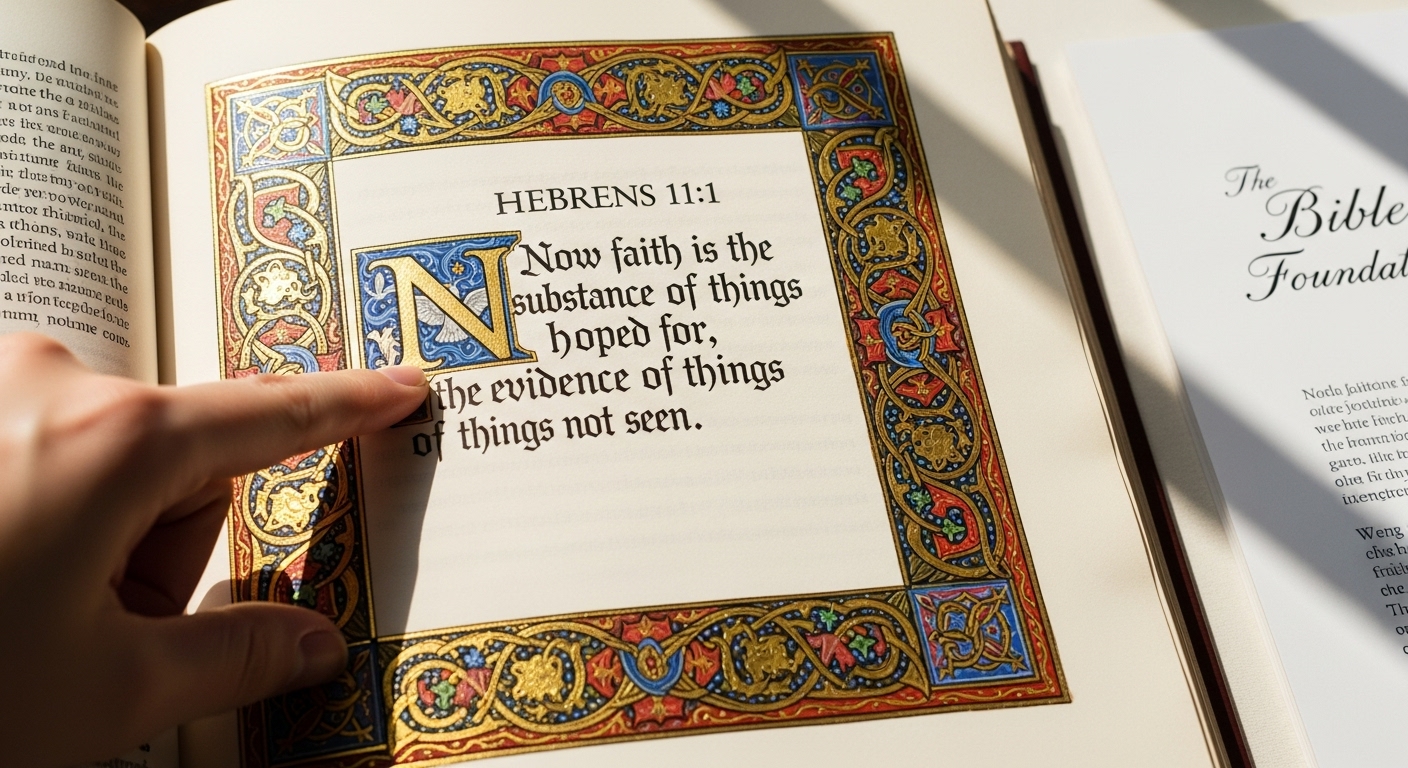
The verse is short but packed. The author of Hebrews is writing to people tempted to abandon faith because of persecution or doubt. He gives practical theology: faith has two sides — confidence (or conviction) and assurance. It’s connected to hope (what you long for) and sight (what you don’t yet see). When you read Hebrews 11, you get a parade of real people — Abel, Enoch, Noah, Abraham, Sarah, and others — who acted on promises they couldn’t physically verify. They lived as if what God promised was already true.
To make this simple: faith isn’t wishful thinking. It’s a trust that behaves as if God’s promises are already trustworthy, even before the full evidence appears. The context of Hebrews shows faith is not passive. It’s active: it changes choices. The chapter shows faith producing actions — leaving home, building an ark, offering Isaac — actions grounded in the confidence that God’s word is reliable.
🧠 Understanding the Core Truth
At the core, Hebrews 11:1 teaches that faith is a confident trust in God’s promises about things you cannot yet see. Confidence means you believe God’s character and promises are real. Assurance means you have inner certainty that what God promises will come to pass, even though physical proof is delayed or absent.
Why is this important? Because your life often calls you to step before you see. If you wait for every guarantee, you’ll rarely move. The assurance of faith frees you to obey, to hope, and to persevere. It reshapes suffering — not by removing pain — but by placing pain into the greater story of God’s faithfulness. When you trust God’s heart and word, you live with less anxiety, more courage, and a posture of expectant waiting that fuels obedience.
Hebrews 11 sets real people as examples. These people didn’t have abstract beliefs; they had convictions that changed their choices. Their assurance was rooted in God’s covenantal promises. That’s your invitation too: to anchor your confidence in who God has shown Himself to be, through Scripture and Jesus Christ, and to let that assurance govern the way you live.
🌊 Going Deeper — The Hidden Meaning

When you look deeper, Hebrews 11:1 isn’t just a definition — it reveals the relational heart of faith. Faith is not blind. It’s relational trust in God’s character. The unseen for a believer is not an impersonal void but the reality of God’s presence, purposes, and promises. Assurance grows from repeated experiences of God’s faithfulness, from the testimony of Scripture, and from the inner work of the Spirit.
Think about Abraham. God promised descendants and land. On paper, he had no reason to believe — he and Sarah were old and childless. Yet Abraham believed God, and it was credited to him as righteousness (see Genesis 15:6). His faith was lived in decisions: leaving Ur, living as a foreigner, trusting God when he was asked to offer Isaac. His assurance didn’t mean he never wrestled with doubt; it meant he ultimately trusted God’s nature over his circumstances.
A modern example might be when you decide to forgive someone who has hurt you deeply. You can’t see the future reconciliation or inner change, but you act in hope because you believe God’s healing is real. The assurance of faith doesn’t remove complexity; it gives a stance: you act as if God’s promises are true and live into them. That posture changes how you work, parent, love, and serve.
💡 Modern Connection — Relevance Today

How does this ancient wisdom apply to your life in the 21st century? Everywhere. At work, you might be offered a risky move that could lead to a better platform for service. In relationships, you might have to trust God with a broken marriage or a prodigal child. In health, you may hope for healing or strength in long seasons of waiting. In every case, the assurance of faith is the difference between paralysis and action.
In a world driven by data, you may feel faith is irrational. Hebrews 11 helps you reframe that: faith is not anti-reason; it’s supra-reason — it trusts the One who grounds ultimate reality. You still use wisdom, medical advice, counseling, and prudent planning. But your hope is not anchored solely in what you can measure. That gives you resilience. You can take compassionate risks, invest in people, and endure suffering because you believe God is trustworthy.
Practically, this looks like consistent spiritual practices: prayer that expects God to act, Scripture reading that reminds you of God’s promises, and community that testifies to God’s past faithfulness. These fuel assurance and make faith active and visible in daily choices.
❤️ Practical Application — Living the Message
You can grow assurance of faith in simple, concrete ways. Start small and build patterns that anchor your confidence in God.
- Practice remembering. Keep a gratitude journal or “faith notebook” where you record ways God has been faithful. Revisit it when doubt creeps in. Memory becomes a muscle: the more you recall God’s past faithfulness, the stronger your present assurance.
- Test obedience. Faith isn’t merely believing; it’s doing what God asks when you can. Choose one step of obedience this week — speak truth in love, make a difficult apology, give sacrificially — and watch how action deepens confidence.
- Pray with expectancy. Instead of only listing needs, include statements of trust: “Lord, I trust You to provide,” or “I believe You are working.” Prayer that names God’s character shifts your heart toward assurance.
- Engage Scripture. Read Hebrews 11 in the context of your life. Let stories of old instruct you on how to respond today. Meditate on promises related to your struggle: peace, provision, and presence.
- Walk in community. Share your doubts and hopes with trusted friends. Hearing others’ stories of God’s faithfulness builds belief. Community also holds you accountable when faith feels more like routine than conviction.
These steps don’t produce perfect faith. They produce faithful people who are honest about doubt but determined to follow God. Assurance deepens as you live, remember, and confess God’s character.
🌿 Faith Reflection Box
Take a moment. What promise from God do you most need to believe today? Where have you been waiting, and how would you act differently if you were fully convinced of God’s goodness? Pause, breathe, and write one sentence of faith you can speak every morning for the next week.
Key Takeaways:
- Assurance of Faith is confident trust in God’s promises, even when you can’t see the outcome.
- Faith is active — it changes choices and prompts obedience.
- You can cultivate assurance through memory, obedience, prayer, Scripture, and community.
👉 Q&A
Q1: Does Hebrews 11:1 mean I should ignore evidence and just believe blindly?
Answer: Not at all. Hebrews 11:1 doesn’t encourage blind faith but informed, relational trust. The examples in Hebrews show people who had reasons — God’s promises, past experiences of God’s faithfulness, covenantal relationships — that gave them grounds to trust. Faith in Scripture is rational and rooted in the revelation of God in history (Israel’s story, the life of Jesus, the work of the Spirit). You still weigh evidence, seek wise counsel, and use reason. But you place the highest value on God’s character and promises rather than on temporary circumstances. See also Hebrews 11:1 and Romans 4:20-21 for Abraham’s example.
👉 Related: Samuel The Prophet – Leading Israel With Faith And Integrity
Q2: If faith is assurance about things not seen, how do I handle doubts that keep coming back?
Answer: Doubt is a normal part of spiritual growth; it doesn’t disqualify you from faith. The early Hebrew heroes experienced fear and uncertainty yet chose to trust. Address doubt honestly: bring it into prayer, read Scripture that speaks to your specific concern, and discuss it with a mature believer or pastor. Use doubt as a doorway to deeper questions rather than as a final verdict. Practice simple habits — remembering testimonies of God’s faithfulness, small acts of obedience, and regular Scripture reading — which build the muscle of assurance. Verses like Psalm 77:11-12 and Philippians 4:6-7 can comfort and guide you.
Q3: How can I live out assurance of faith when facing financial, relational, or medical crises?
Answer: Living assurance in crisis means combining wise action with trust. Practically, you pursue solutions: make a budget, see a counselor, follow medical advice — but you also anchor your hope in God’s promises. Pray specifically, name God’s attributes (He is Provider, Healer, Comforter), and ask for courage to act in faith. Community support is crucial: let others help and pray with you. Remember that assurance doesn’t guarantee a particular outcome; it guarantees God’s presence and purpose in your story. Scriptures to hold onto include Matthew 6:25-34 and 2 Corinthians 12:9-10.
👉 See also: David The Shepherd King – Faithful In Small Things (Luke 16:10)
Further Scripture to Consider
Hebrews 11 is filled with testimonies that model assurance of faith. As you study, you may want to read these passages and their contexts for deeper clarity:
- Genesis 12:1–4 (Abraham’s call and obedience)
- Genesis 15:6 (Abraham believed God)
- Romans 4:18–21 (Abraham’s hope against hope)
- Hebrews 11 (the whole chapter)
Spend time reading the full narratives. The texture of the stories — the waiting, the fear, the obedience — helps you see faith as lived, not abstract.
Practical Steps for a 30-Day Faith Challenge
If you want to grow your assurance of faith, try a 30-day challenge. Each day includes a short spiritual practice to help embed the posture of confident trust.
- Days 1–7: Memory and gratitude — write one way God has been faithful each day.
- Days 8–14: Scripture focus — read one character story from Hebrews 11 and journal what their trust looked like.
- Days 15–21: Obedience experiments — pick one small, faith-building action each day (forgiveness, generosity, beginning a difficult conversation).
- Days 22–28: Expectant prayer — pray specific requests with statements of trust (e.g., “I trust You to provide…”).
- Days 29–30: Community and testimony — share your story with a friend or small group and invite prayer.
This rhythm will help you feel faith not just as a belief but as a habit.
🙏 Conclusion & Reflection
Hebrews 11:1 gives you a gift: a simple, usable definition of faith that calls you to trust God’s promises even when you can’t see the end. The assurance of faith is not a magic wand; it’s the posture of a heart that rests in God’s character and acts accordingly. As you remember God’s past faithfulness, obey where He calls, pray with expectation, and lean into community, your confidence will grow. You won’t be free from fear, but you’ll be freed to step forward.
Let’s close with a short prayer you can adapt: Father, thank You that faith is confidence in what we hope for and assurance about what we do not see. Help me grow in trust. Remind me of Your faithfulness, give me courage to obey when I’m afraid, and use the unseen hopes in my heart to draw me nearer to You. Amen.

More Inspiration Awaits — Read These Next
👉 For deeper insight into Isaiah 40:31 and how it renews your strength in both faith and daily life
👉 For practical lessons on compassion and neighborliness from the Good Samaritan
👉 For a clear explanation of what we can learn from the Parable of the Good Samaritan
👉 For meaningful insights from the Parable of the Pearl and its hidden treasures
👉 For a deeper look at the Rich Man and Lazarus and what it reveals about the afterlife
👉 For guidance on the Parable of the Ten Virgins and preparing for God’s Kingdom
👉 For clarity on the Parable of the Lamp and how it calls us to shine our light
👉 For insights from the Parable of the Wedding Feast and the meaning behind the invited guests
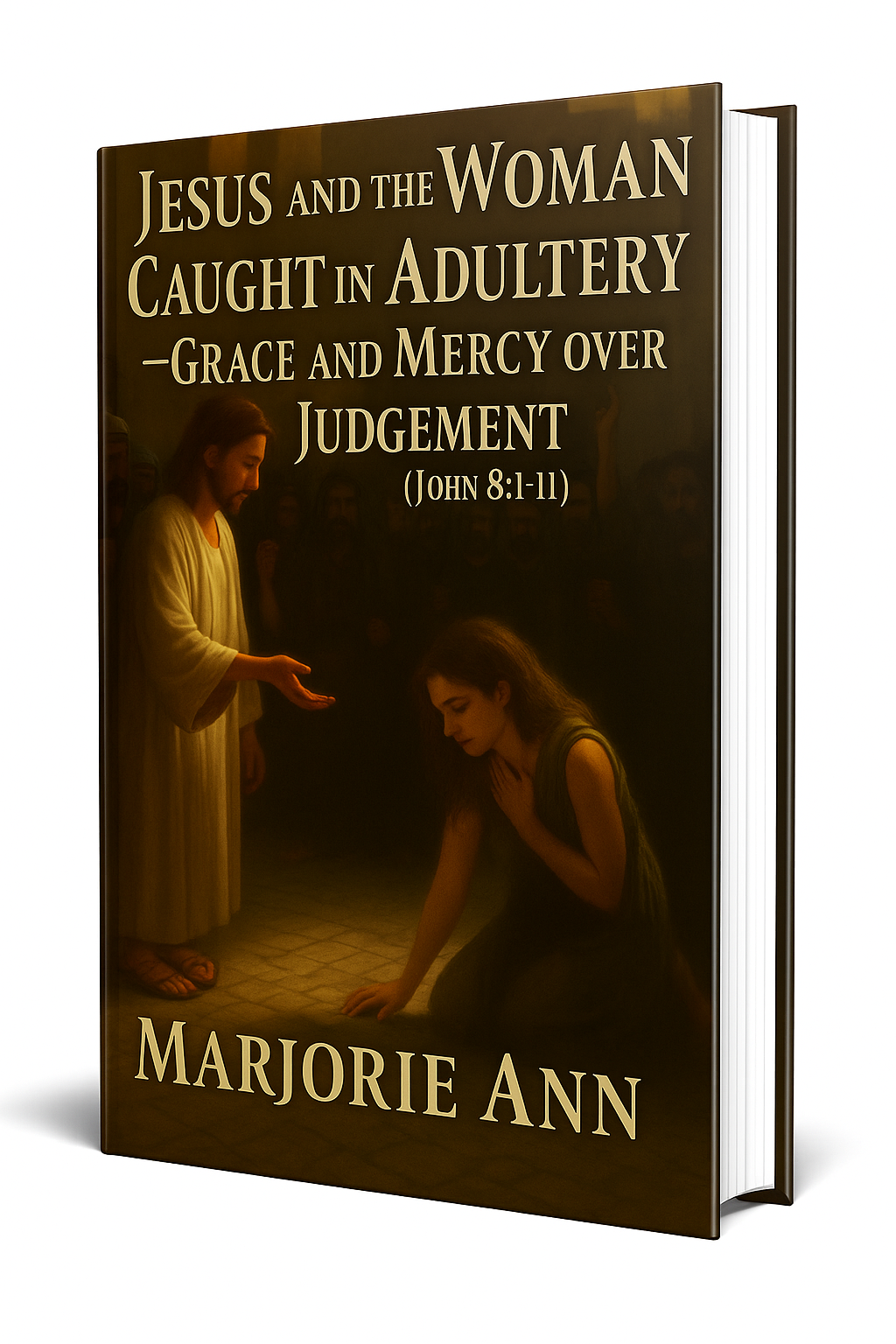
📘 Jesus and the Woman Caught in Adultery – Grace and Mercy Over Judgement
A powerful retelling of John 8:1-11. This book brings to life the depth of forgiveness, mercy, and God’s unwavering love.
👉 Check it now on Amazon 🛒💥

🔥 “Every great message deserves a home online.” 🌍💬🏡
Don’t let your calling stay hidden. Start a Christian blog or website using Hostinger — with 99.9% uptime, a free domain, and SSL, your voice can shine for God’s glory anytime, anywhere.
💥 Begin today. 🛒 Try it RISK-FREE! ✅

✝️ “Your body is God’s temple — care for it with purpose.” 💪💖🏛️
Renew your energy and restore balance naturally. Mitolyn helps support a healthy metabolism, giving you the vitality to live out God’s calling with strength and confidence.
🔥 Unlock Your Metabolic Power! ⚡Burn More Calories & Feel Great With Mitolyn. 💪
👉 Start Today. 🚀 Check Price Now. 🛒💰
💰 As a ClickBank & Amazon Affiliate, I earn from qualifying purchases.
📖 Acknowledgment: All Bible verses referenced in this article were accessed via Bible Gateway (or Bible Hub).
🚀 Want to explore more? 👉 Dive into our new post on Why Jesus? and experience the 🔥 life-changing truth of the Gospel!