


Explore the life of Saul, Israel’s first king, where ambition meets divine intention. Discover leadership lessons from his rise and fall in this captivating narrative.
Saul: The First King of Israel
Introduction
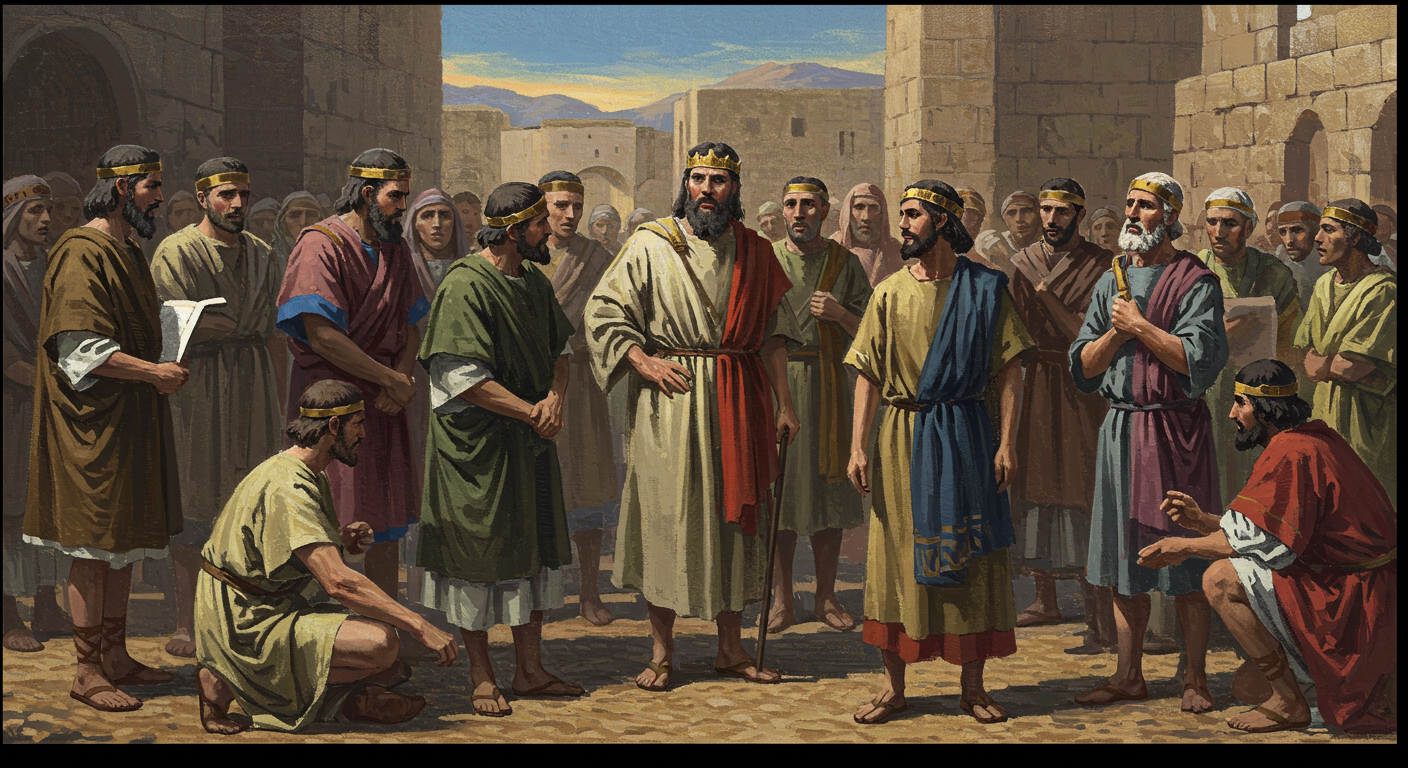
Imagine a time when a single leader transformed the landscape of an entire nation—a time when divinely appointed leadership was both an unprecedented blessing and an immense burden. Saul, the first king of Israel, embodies the complexity of leadership that intertwines divine destiny with human frailty. As Israel’s inaugural monarch, Saul’s story offers enduring lessons in leadership, obedience, and the profound consequences of a heart turned away from divine guidance.
Historical and Cultural Context
Israel in Saul’s Era
In the era preceding Saul’s kingship, Israel existed as a conglomerate of tribes loosely bound by shared ancestry and religious beliefs. It was a time characterized by the disunity and fragmentation of tribal society, compounded by the constant threat of external foes like the Philistines (1 Samuel 13:5). These persistent challenges fostered a longing among the Israelites for a centralized leader who could unify them and offer protection.
Setting the Stage
Against this backdrop, Saul’s emergence as king was seen as a necessary development for Israel’s survival. The tribes demanded a monarchy to lead them like other nations, and God, through the prophet Samuel, orchestrated Saul’s anointment (1 Samuel 9:16). Saul’s rise to power marked the transition from a theocratic era, where judges addressed civil and military issues, to a divinely sanctioned monarchy.
Biographical Overview
Early Life and Calling
Saul, son of Kish, hailed from the tribe of Benjamin, noted for its modest status among the tribes of Israel (1 Samuel 9:1-2). Saul’s life before kingship is described with an emphasis on his physical stature and demeanor, which naturally commanded respect. His calling to leadership was both unexpected and divinely directed—God revealed to Samuel that Saul would rule over His people (1 Samuel 9:15-17).
Major Milestones and Events
Saul’s kingship began with promise. His initial success came through his military victories, such as the defeat of the Ammonites, which solidified his status as king in the eyes of the people (1 Samuel 11). However, these early accolades overshadowed the trials and tragedies that later defined his reign—most notably, his disobedience to God’s commands and the eventual rejection by God (1 Samuel 15:10-23).
Key Biblical Narratives and Passages
Primary Scripture References
Several biblical passages provide a comprehensive view of Saul’s story:
- 1 Samuel 9-10 – Saul’s anointing and proclamation as king.
- 1 Samuel 13 – Saul’s unlawful sacrifice led to Samuel’s first rebuke.
- 1 Samuel 15 – His failure to fully obey God in the campaign against the Amalekites.
Contextual Analysis
These narratives highlight Saul’s initial favor with God and his people and the subsequent decline due to his disobedience. Theologically, Saul represents the danger of a heart that prioritizes personal discretion over divine command—a lesson on the importance of obedience and humility before God.
Leadership Qualities and Challenges
Core Leadership Traits
Saul exhibited several commendable traits: a natural charisma, a commanding presence, and bravery in battle. His initial actions suggested wisdom and a willingness to unify the tribes under his banner. Yet, the biblical account reveals critical flaws, particularly his impatience and insecurity, which undermined his ability to lead effectively.
Challenges and Controversies
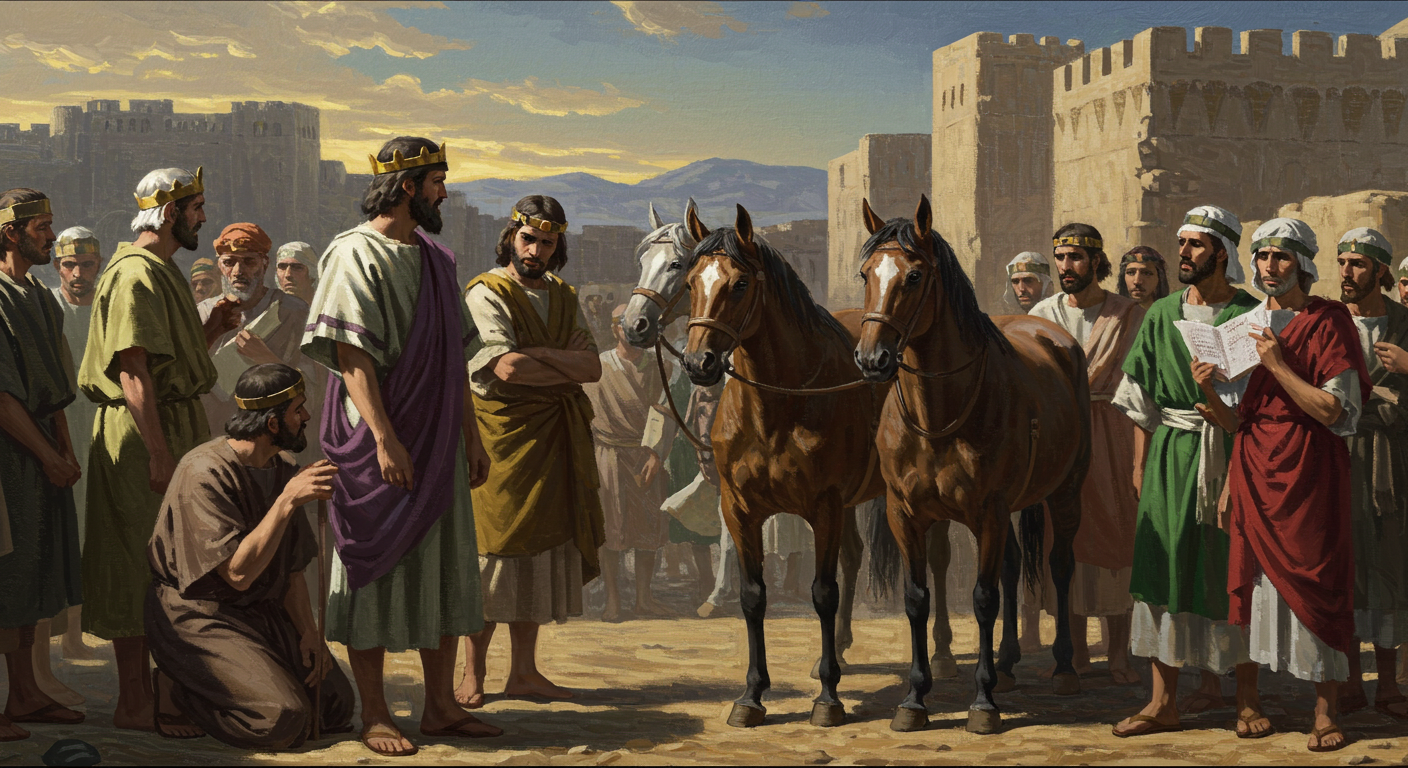
Saul’s reign was riddled with substantial challenges, both internal and external. His most profound struggle was spiritual—the inability to yield to God’s timing and instructions. Saul’s failure to wait for Samuel before offering a burnt sacrifice (1 Samuel 13:8-14) and his incomplete obedience to God’s command regarding the Amalekites (1 Samuel 15:1-23) delineate a pattern of behavior that ultimately led to his downfall.
Legacy and Impact
Immediate Impact
Saul’s kingship had an immediate impact on Israel by establishing the monarchy and creating a precedent for centralized leadership, which his successors would build upon. His military campaigns offered temporary relief from enemy threats and thrust Israel into the political milieu of ancient Near Eastern kingdoms.
Long-Term Influence
Long-term, Saul’s legacy is one of caution. His reign highlights the importance of obedience to God and the potential disconnect between external success and inward spiritual health. The narrative of Saul served as a prelude and a contrast to David’s rule, helping to underscore the prophetic emphasis on a leader’s heart condition over ceremonial adherence.
Modern Relevance (Optional)
Contemporary leaders can draw lessons from King Saul’s life, notably the importance of integrity, the dangers of insecurity, and the necessity of prioritizing spiritual obedience over personal ambition. Saul’s story serves as a poignant reminder that effective leadership requires a steadfast heart in alignment with divine principles.
Scriptural and Scholarly Analysis
Comparative Analysis
By comparing different translations and scholarly interpretations, one can discern varied emphases in Saul’s story. For example, the portrayal in Samuel’s accounts contrasts divinely mandated actions with Saul’s human neglect, highlighting theological themes such as divine sovereignty and human responsibility.
Theological Implications
Saul’s narrative invites theological reflection on God’s role in history, human agency in divine plans, and the interplay of divine judgment with human responsibility. It challenges readers to consider the significance of heart disposition in maintaining a relationship with God.
Conclusion
Summary of Key Points
Saul’s leadership, while marked by initial promise, unraveled through disobedience and a failure to heed divine guidance. His life embodies the tension between human ambition and divine instruction, offering enduring insights for personal reflection and leadership.
Final Reflections
As you reflect on Saul’s multifaceted story, consider the enduring lesson that leadership is more than earthly success; it calls for alignment with divine intent. Saul’s narrative encourages a deeper examination of our own journeys, prompting us to seek a sincere heart attuned to divine purpose.
Call to Reflection or Action
Take a moment to reflect on Saul’s story and consider its implications for your own life. What leadership lessons resonate with you? How might Saul’s journey inform your spiritual walk? For those interested in exploring further, consider diving deeper into the book of Samuel and examining additional commentaries on Saul’s reign and its impact on Israel’s history.
References and Further Reading
Biblical References
- 1 Samuel 9-10, 13, 15
Scholarly Sources
- Commentary on Samuel by Robert Alter (1999)
- Historical analyses of Israel’s monarchy by William F. Albright (1969)
Additional Resources
For further exploration of the life of Saul and the early monarchy in Israel, consider the works of biblical scholars and theologians who provide in-depth analyses of these foundational narratives.
Acknowledgment:
All Bible verses referenced in this article were accessed via Bible Gateway (or Bible Hub).