


You want a simple, faithful way to begin each day standing in God’s strength. You’re not asking for a magical formula—you want Scripture-shaped prayer that helps you depend on the Lord and walk securely in Christ. This article gives you that: a daily armor of God prayer you can pray deliberately, a clear biblical explanation of each piece, practical ways to form the habit, answers to common questions, and links to related articles to help you grow deeper.
Read this as if we’re sitting across the table in a warm Bible study—open Bible, coffee in hand. I’ll give you the prayer, show you why it’s biblical, and help you make it a daily lifeline.

Direct answer: A daily armor of God prayer you can use
Pray this each morning (or whenever you need to stand firm). Read it slowly, pausing to reflect and to claim what each line means for your life.
Heavenly Father, I come to You now in Jesus’ name. I put on the full armor You give me so I can stand firm today. Strengthen me in the Lord and in His mighty power. Clothe me with Your truth, and help me live honestly before You and others. Guard my heart with the breastplate of righteousness that I have in Christ. Steady my steps with the readiness of the gospel of peace; let me carry Your good news with confidence. Lift up my shield of faith so that fiery doubts and attacks from the enemy are extinguished. Guard my mind with the helmet of salvation; remind me who I am in Christ and keep my thoughts captive to You. Give me the sword of the Spirit—Your living Word—to speak and apply when temptation and lies come. Help me to pray in the Spirit continually, staying alert and persistent for all who walk with me. I submit myself to You, resist the devil, and stand fast in the victory Christ won. In Jesus’ name. Amen.
Use that prayer as a template: shorten it, personalize it, or memorize the key lines. The point is that your dependence on God becomes a daily habit.
Biblical foundation: Why Paul gives this prayer pattern
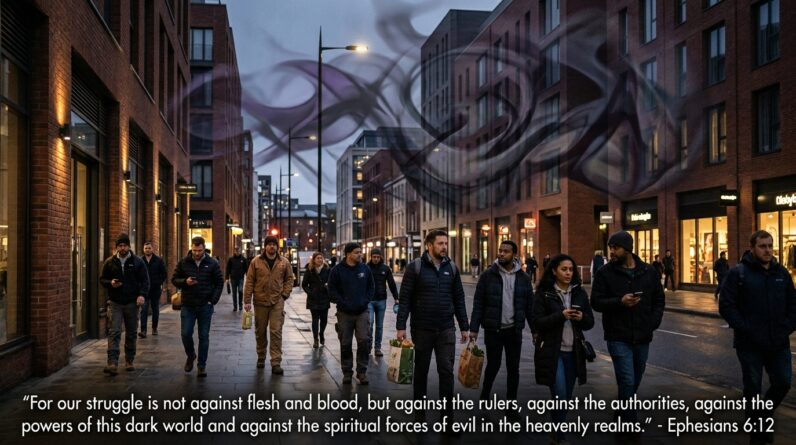
When Paul wrote about the armor of God, he was encouraging Christians to rely on spiritual resources God provides rather than human strength. The primary passage is Ephesians 6:10–18, where Paul instructs believers to “be strong in the Lord and in his mighty power” and to “put on the full armor of God” (see Ephesians 6:10–18). Paul wrote to the church in Ephesus—people who lived in a city known for spiritual confusion and competing philosophies—so his metaphor of armor was both practical and vivid for his readers.
Paul’s point isn’t that we craft military gear; it’s that God supplies spiritual realities (truth, righteousness, peace, faith, salvation, and the Word) that protect you from spiritual harm. You exercise these realities primarily by faith and prayer, not by your own ingenuity. That’s why a daily prayer that intentionally puts on the armor helps you align your heart and mind with God’s power before the day’s battles begin.
Putting on the armor: How prayer and Scripture work together
Prayer is how you remind your heart of the real resources Christ already secured for you. Scripture is how you identify those resources. Together they form a daily habit: you use God’s Word to name what God has given, and you use prayer to receive and activate it. Hebrews calls God’s Word “living and active” (see Hebrews 4:12), which means the Word is what empowers the sword you carry.
If you’re looking for a fuller explanation of each piece, read our pillar article, The Armor of God Explained: The Meaning of Each Piece. That piece gives deeper background on each element and will strengthen your understanding as you pray.
The Belt of Truth: Anchor your day in God’s reality
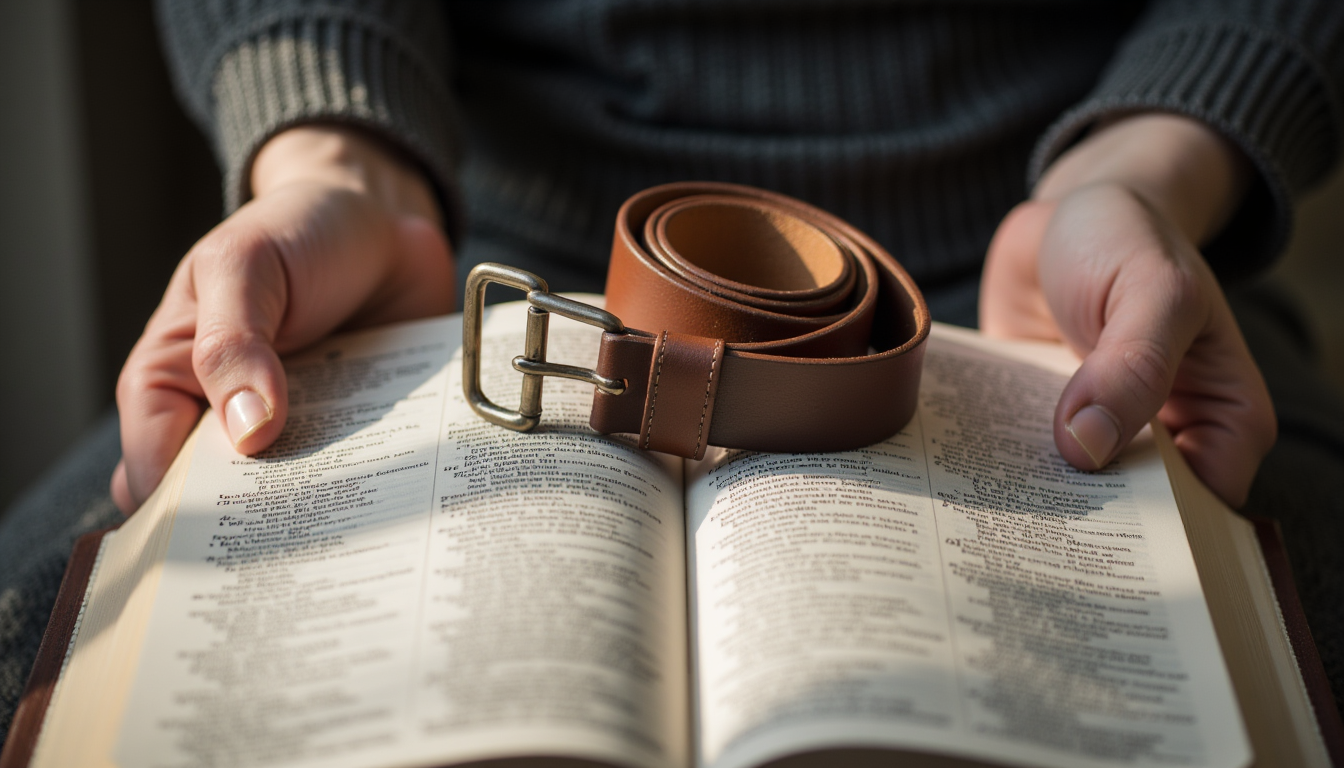
When you pray about the belt of truth, you’re asking God to ground your life in His reality, not in myth, fear, or shifting opinions. In Paul’s time the belt secured a soldier’s other garments and weapons—without it, nothing stayed in place. Spiritually, truth holds everything together.
Truth comes from God’s revelation—Jesus said that knowing the truth sets you free (see John 8:32). Practically, fastening your belt of truth means you intentionally measure thoughts and choices against Scripture. It means refusing to build your day on half-truths, gossip, or the world’s definitions.
Practical prayer line: “Clothe me with Your truth, Lord. Help me speak honestly and see clearly the lies that would trip me up.”
The Breastplate of Righteousness: Protect your heart by Christ’s work
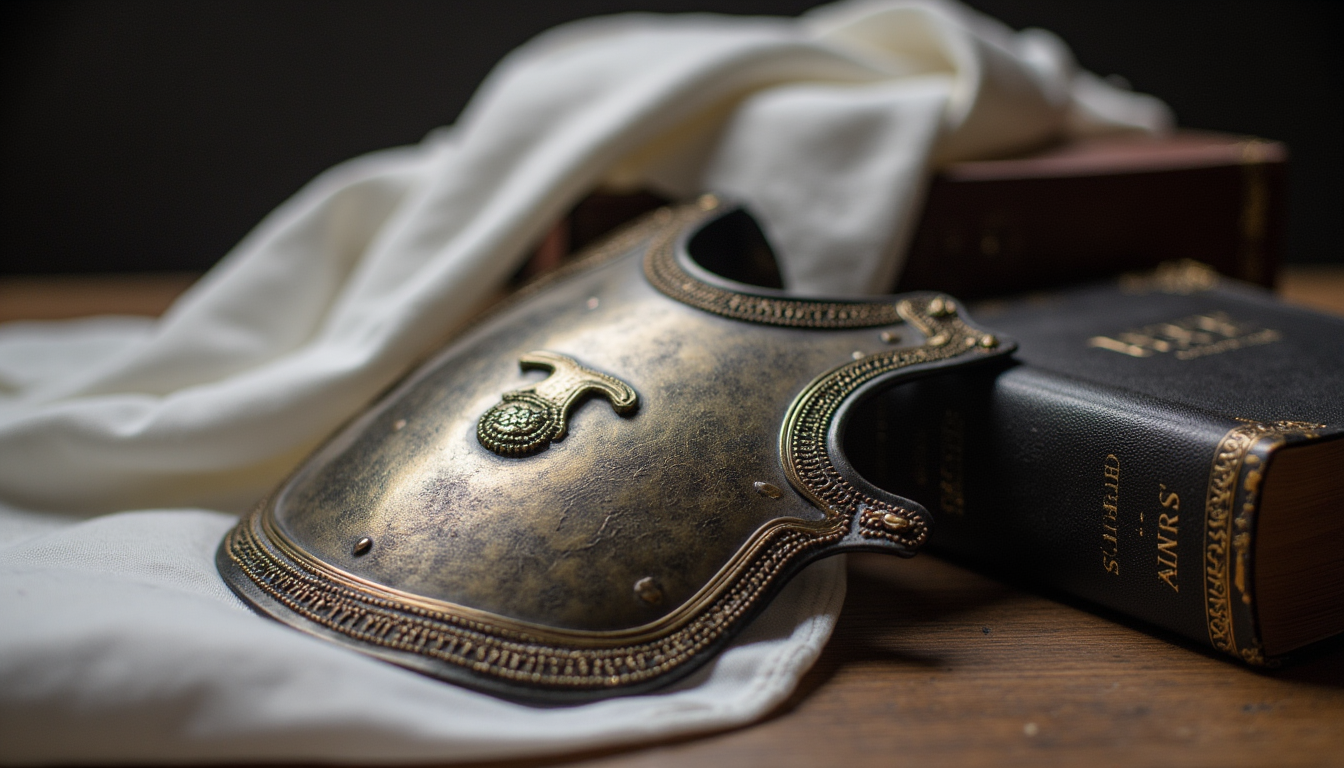
The breastplate guards a soldier’s heart and vital organs. Spiritually, righteousness protects your moral and spiritual center. But the kind of righteousness Paul points to is not your moral achievements—it’s the righteousness you receive by faith in Christ.
When you pray for the breastplate of righteousness, you’re asking God to guard your heart with the reality of what Christ has accomplished. You’re also asking Him to shape your choices so you live in a way that reflects that righteousness (see Romans 6:1–4 for how new life changes behavior).
Practical prayer line: “Guard my heart by the righteousness of Christ. Let my choices flow from Your life in me, not from fear or insecurity.”
The Shoes of the Gospel of Peace: Walk with steady confidence
Shoes prepared a soldier to move and stand quickly. The gospel of peace gives you confidence to take your place and move in God’s mission. It means your feet are ready to carry the good news and to keep you steady when circumstances are unsettling.
Pray to be ready to share the gospel and to walk with peace even when life is chaotic. The peace Jesus offers doesn’t erase difficulty, but it steadies you in it (see Philippians 4:6–7).
Practical prayer line: “Fit my feet with readiness to share Your gospel. Keep my heart peaceful and my steps steady today.”
The Shield of Faith: Extinguish the enemy’s flaming darts
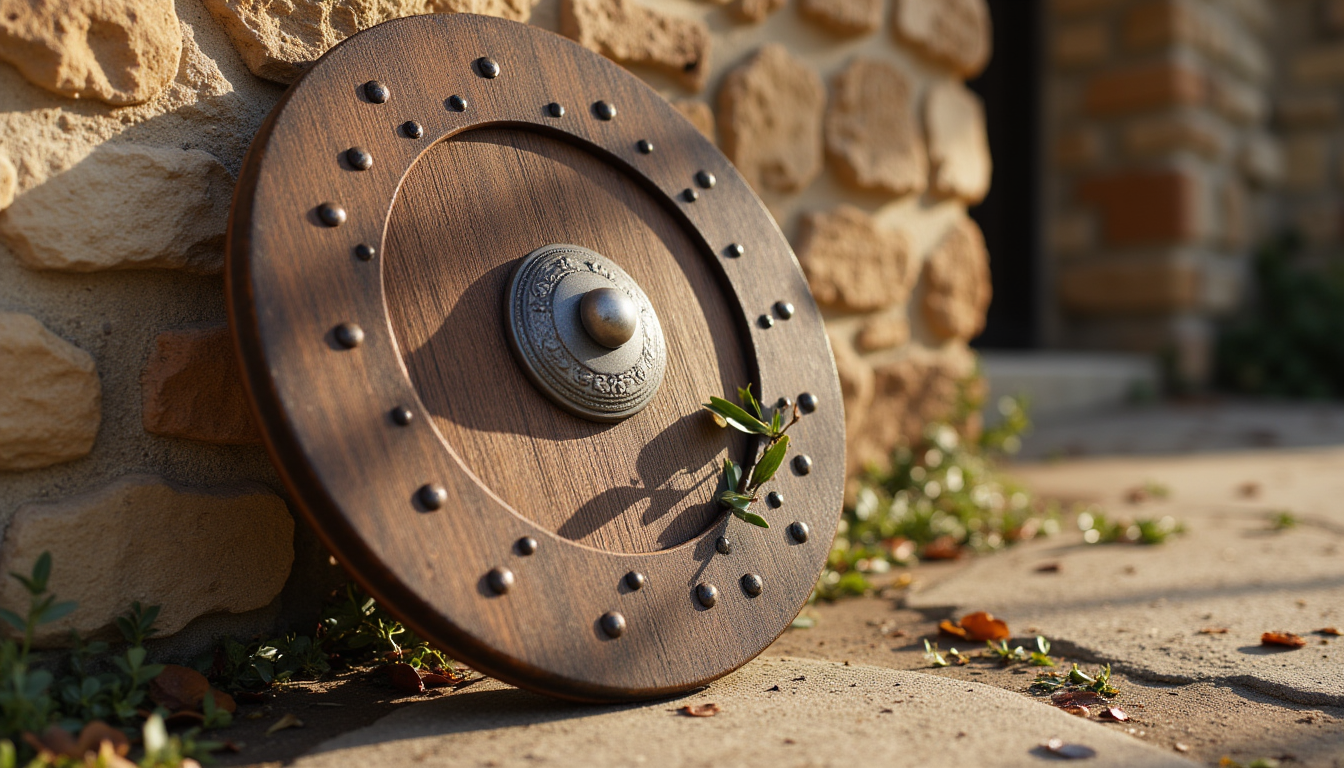
Paul describes shields that could be raised to extinguish flaming darts. Spiritually, faith is your defensive means against doubt, accusation, and temptation. When you use your shield of faith, you trust God’s promises and character more than your fears.
Faith is exercised by remembering God’s past faithfulness and by speaking God’s truth in the face of lies (see 2 Corinthians 10:3–5 about taking thoughts captive). When doubts or accusations flare, you lift up the shield by reminding your heart of what God has said.
Practical prayer line: “Lift up my shield of faith. When doubt comes, help me to stand on Your promises.”
The Helmet of Salvation: Protect your thinking with identity in Christ
A helmet protects the head—the place from which everything else flows. Your identity matters because it shapes your choices, speech, and emotions. The helmet of salvation protects your mind by anchoring your identity in what Christ has done for you.
Pray for clarity about who you are in Christ: adopted, forgiven, and beloved. This counters the enemy’s attempts to shame or confuse you (see Romans 8:1–4 for the identity and freedom we possess).
Practical prayer line: “Guard my mind with the helmet of salvation. Remind me who I am in Christ when my thoughts accuse or when I’m tempted to despair.”
The Sword of the Spirit: Use God’s Word to respond and resist
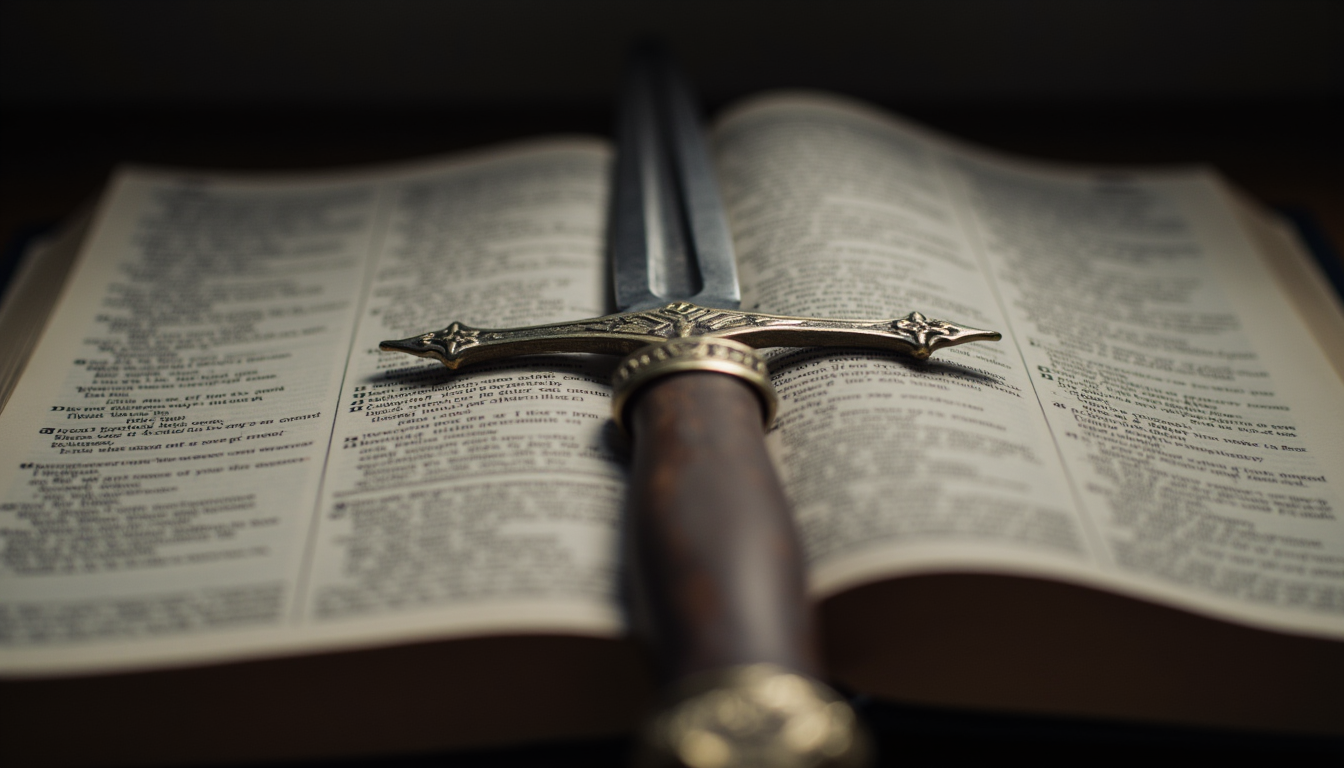
Unlike the other pieces, the sword is an offensive weapon—God’s Word is active and powerful. When temptations or spiritual lies arise, Scripture is the way you cut them down truthfully and lovingly (see Hebrews 4:12).
Jesus modeled this in the wilderness, answering Satan with “It is written” (see Matthew 4:1–11). You don’t wield Scripture as a weapon to harm others but to speak truth and to defend your heart.
Practical prayer line: “Give me the sword of the Spirit—Your Word—ready on my lips and in my heart so I can respond in truth.”
Prayer and watchfulness: Pray in the Spirit and stay alert
Paul ends his armor passage by calling for prayer: “And pray in the Spirit on all occasions with all kinds of prayers and requests” and to “be alert and always keep on praying for all the Lord’s people” (Ephesians 6:18). Prayer and watchfulness go together. You don’t merely put on armor once and forget it; you keep praying, watching, and standing firm.
Practical prayer habit: pray briefly for protection and empowerment before each task or meeting. Keep short “armor-check” prayers throughout the day. This keeps you humble and dependent on God’s daily strength (see Philippians 4:6–7).
Practical ways to make the armor of God prayer a daily habit
Turning this prayer into a habit requires simple rhythms. Here are steps you can follow to make daily dependence on God natural and sustainable.
- Morning anchor: Pray the full armor prayer first thing—before checking your phone or reacting to news. This sets the tone for the day.
- Short reminders: Create short one-line prayers for each piece to use during the day. For example, “Lord, belt my life in truth” while brushing your teeth.
- Scripture memorization: Memorize one verse tied to each piece. Knowing Scripture by heart makes the sword accessible when you need it.
- Accountability partner: Pray the armor prayer with a friend or group weekly; encourage one another to stand firm.
- Journaling: Note daily instances of God’s protection and provision. This strengthens your shield of faith by reminding you of God’s faithfulness (see Psalm 77:11–12).
- Evening reflection: Briefly review how you relied on God and where you need clearer dependence. Confess and receive grace.
These rhythms help move the armor prayer from a hopeful idea to a lived reality where you habitually lean on God.
Real-life examples: How the armor prayer meets everyday moments
When you face a difficult conversation, belt yourself with truth and pray for the breastplate of righteousness so you speak honestly and lovingly. When anxiety strikes before a presentation, lift up the helmet of salvation and the shield of faith to remind your mind of God’s sovereignty. When someone questions your faith, let the shoes of the gospel give you readiness to share, and use the sword—God’s Word—to respond.
God’s armor is meant to be practical. Think of the armor prayer as spiritual posture training: it teaches your heart to stand where Christ stands. If you want more concrete, modern examples, read: The Full Armor of God in Daily Life: Real Examples for Modern Christians on BibleStoriesHub for stories and sample prayers.
Common misconceptions and helpful clarifications
People often misunderstand the armor metaphor. Here are several common questions and honest answers.
- Is the armor of God literal? No. Paul uses a metaphor from Roman military gear to describe spiritual realities God provides. The effectiveness of the armor is spiritual and rooted in Christ’s victory, not in physical items.
- Do you have to recite a set prayer to be protected? No. Prayer is the medium of dependence, not a magic formula. The words help you focus on God’s resources. Authentic dependence is what matters.
- Does wearing the armor guarantee no trials? No. Christ promised you would face trials, but He also gave you resources to stand through them (see John 16:33). The armor equips you to endure and to remain faithful.
- Can Christians lose battles? Scripture shows believers sometimes fall into sin or doubt, but God’s purpose is restoration and growth (see 1 John 1:8–9). That’s why regular prayer and repentance matter. For a careful look at this question, see our article: “Can Christians Lose Spiritual Battles? What the Bible Teaches”
If you want a deeper study on how spiritual warfare is described in Scripture versus common misconceptions, read “Spiritual Warfare Explained: What the Bible Really Says”
How to use Scripture with the armor prayer
You can pair short Scriptures with each element of the armor to make your prayer sharper and more biblical. Memorize or carry these verses in your heart or on a small card:
- Belt of truth: John 8:32
- Breastplate of righteousness: Romans 3:22
- Shoes of peace: Romans 10:15
- Shield of faith: Hebrews 11:1
- Helmet of salvation: 1 Thessalonians 5:8
- Sword of the Spirit: Hebrews 4:12
- Prayer and alertness: Ephesians 6:18
Using these verses keeps your prayer tethered to God’s Word and trains your heart to respond truthfully when pressure rises.
Frequently Asked Questions
What if I forget to pray the armor prayer?
Don’t let guilt derail you. Simply stop, admit dependence, and pray a short line: “Lord, help me now. Put on Your armor.” God honors a humble, returning heart (see 1 John 1:9).
Should church leaders require everyone to use the same prayer?
Uniformity isn’t spiritual law—what’s important is that prayer points believers to dependence on God and to Scripture. Encourage leaders to teach the biblical basis and to provide templates for those who need help.
Is spiritual warfare the same as mental illness or emotional struggle?
No. Some struggles are spiritual, others are psychological, and some are both. God provides the armor and also medical and pastoral care. Seek prayer and practical help (professional counseling, medical care) when necessary. Scripture does not force you to choose between faith and wise care—God uses both.
Can children use the armor prayer?
Yes. Simplify the language and connect each piece to everyday experiences. Teach children a short version such as: “God, put on my belt of truth, breastplate of Jesus’ love, shoes to share, shield of faith, helmet to remember I’m saved, and give me Your Word. Amen.”
How long before I see results from praying the armor prayer?
Prayer isn’t a vending machine. Over time you will notice greater steadiness, clearer thinking, and stronger trust as you practice depending on God. The “results” are often spiritual growth that shows up gradually (see James 1:2–4).
Key takeaways
Praying the armor of God daily helps you do four things:
- Recognize that your strength is in the Lord.
- Name and claim the spiritual resources God already gives.
- Replace reactive fear with intentional dependence.
- Build a consistent habit of Scripture-centered prayer.
If you want a practical step-by-step guide for daily practice, see “How to Put on the Armor of God Every Day: A Practical Biblical Guide”
Closing encouragement
Dear friend, forming a habit of prayer takes time, but God delights when you lean on Him. You’re not being asked to manufacture spiritual strength; you’re being invited to receive what Christ has already provided. Keep it simple. Keep it biblical. Keep it regular. Small, faithful steps today lead to steady spiritual growth tomorrow.
Read Next
- The Armor of God Explained: The Meaning of Each Piece
- How to Put on the Armor of God Every Day: A Practical Biblical Guide
- Spiritual Warfare Explained: What the Bible Really Says
- The Full Armor of God in Daily Life: Real Examples for Modern Christians
- The Shield of Faith Explained: How Faith Extinguishes Satan’s Attacks
Frequently Asked Questions (expanded)
Q: How do I teach a small group to use this prayer?
A: Lead by example. Read the armor passage (Ephesians 6:10–18) together, explain briefly what each piece means, pray the armor prayer aloud, and then encourage members to personalize it for the week. Offer finger-sized memory verses for each piece to help them internalize truth.
Q: What role does confession play with the armor?
A: Confession is part of wearing the breastplate of righteousness. When you confess, you remove things that compromise your witness and you reclaim your identity in Christ (see 1 John 1:8–9).
Q: Can I pray this prayer for others?
A: Absolutely. Interceding for family, friends, and your church is a key part of the call Paul gives in Ephesians 6:18. Pray the armor for others and ask God to fit them with the same resources.
Q: How does obedience relate to the armor?
A: The armor equips you to obey. Obedience is not how you earn the armor; it’s how you walk in it. As you pray, ask God to show you the next obedient step and give you strength to take it (see James 2:17).
A closing prayer you can use tonight
Lord Jesus, thank You for the armor You give. Tonight I place every part of this armor on in faith: truth, righteousness, readiness to share Your peace, faith to extinguish attacks, the assurance of salvation, and Your Word for guidance. Guard my sleep, calm my thoughts, and prepare my heart for tomorrow. Help me rise dependent on You. In Your name I pray, Amen.