


Starting short prayers for beginners can feel intimidating—especially when you don’t know what to say. You might worry about using the right words, sounding “religious,” or praying the “right way.” But short prayers for beginners are not about perfection—they are about simple, honest conversation with God.
The truth is: prayer doesn’t have to be long or complicated. Short prayers remove the pressure and help you build a daily habit that grows over time.
If you want a step-by-step primer before you dive in, check out How to Pray (Step-by-Step for Beginners) That guide will walk you through posture, timing, and simple ways to listen as well as speak. For now, let’s focus on quick, practical prayers you can use right away.
Short Prayers for Beginners (Quick & Honest Way to Start)
If you’re searching for how to pray short prayers, simple prayers for beginners, or easy prayers to say when you don’t know what to say, you’re not alone.
Many beginners feel unsure:
- “What if I say the wrong thing?”
- “What if my prayer isn’t good enough?”
- “What if God doesn’t hear me?”
Here’s the truth:
God listens to honest words—not perfect ones.
Even a simple prayer like “God, help me” is enough to begin.
👉 If you want a full step-by-step guide, start here:
How to Pray (Step-by-Step for Beginners)
This will help you understand how prayer works, while this guide gives you ready-to-use short prayers right now.
Short Prayers For Beginners (Simple Answer)
Short prayers for beginners are simple, honest sentences you say to God about what you feel or need. They can be as short as one line, such as “God, help me today” or “Thank You for this day.” What matters most is sincerity, not length. Start small, pray often, and let your words grow naturally over time.

Why Short Prayers for Beginners Work
Short prayers are powerful because they lower the barrier to start. When you keep prayer concise, you’re more likely to pray often. Short prayers help you:
- Start without overthinking or worrying about structure. 👉 What to Say When You Pray
- Stay consistent by fitting prayer into small windows of time.
- Focus on what truly matters—your heart and your connection—rather than impressive language.
God values sincerity—not length. The Bible reassures you that honest, simple communication matters. For example, Philippians encourages you to bring your concerns to God with thanksgiving: Philippians 4:6-7. That passage reminds you that prayer isn’t a performance—it’s a practice of bringing your cares before God.
When You Don’t Know What to Say
Sometimes prayer feels hardest in real life—not in quiet moments, but in the middle of stress, fear, or exhaustion.
You might be:
– Lying in bed overthinking everything
– Sitting in your car before a hard conversation
– Feeling anxious and unable to focus
– Emotionally drained and spiritually disconnected
In those moments, long prayers feel impossible.
That’s where short prayers become powerful.
You don’t need a speech. Just start here:
– “God, I’m overwhelmed. Help me.”
– “Lord, I don’t know what to do.”
– “Please give me peace right now.”
The Bible reminds us that even when we don’t have words, God understands our hearts (Romans 8:26).
Short prayers meet you in real life—not just in perfect quiet moments.

Start Here First
If you want to grow beyond short prayers and build a deeper, more consistent prayer life, follow this simple path:
👉 Step 1: Learn the foundation
How to Pray (Step-by-Step for Beginners)
👉 Step 2: Pray during emotional overwhelm
What To Do When God Feels Silent (Simple Biblical Help)
👉 Step 3: Stay encouraged when life feels heavy
Devotional for Overwhelmed Moms
These three guides will help you move from simple short prayers into a **strong, daily connection with God.**
Start Here First
If you want more structure beyond short prayers, begin with a practical guide like How to Pray (Step-by-Step for Beginners). That pillar explains breathing, quieting your mind, and how to use Scripture in prayer. Also explore these related topics to support the habit: consistency, daily routine, and prayer habit.
7 Short Prayers for Beginners You Can Use Right Away
Below are seven bite-sized prayers you can speak or think in under a minute. Each example includes a simple expansion you can use when you want to personalize or lengthen it.
1. Morning Prayer
“God, thank You for this new day. Guide my steps and help me walk in Your will.”
Why this works: You start by thanking God and asking for daily guidance. Morning prayers set the tone, helping you remember you’re not going through the day alone. The psalmist offers a helpful model for morning devotion: Psalm 5:3 — “In the morning, Lord, you hear my voice; in the morning I lay my requests before you and wait expectantly.”
How to personalize: Add one specific intention for the day (work, relationships, courage) and ask for one quality (patience, courage, wisdom).
2. When You Feel Anxious
“Lord, calm my heart. Replace my fear with Your peace.”
Why this works: This short prayer acknowledges emotion and asks for God’s comfort. Paul specifically counseled believers to bring anxiety to God and promised peace: Philippians 4:6-7.
How to personalize: Name the worry—“about the interview,” “about the test”—and breathe slowly while you pray.
3. When You Need Help
“God, I need Your help right now. Give me wisdom and strength.”
Why this works: A direct appeal for help is honest and practical. Scripture encourages you to ask and seek God for guidance; Jeremiah reminds you that when you call out, God listens: Jeremiah 29:12.
How to personalize: Specify the decision or task and ask for two things—clarity and courage, or wisdom and the right people to support you.
4. Prayer for Gratitude
“Thank You, Lord, for Your blessings today. Help me stay thankful.”
Why this works: Gratitude changes your perspective and rewires how you notice good things. Giving thanks is a repeated command in Scripture: “Give thanks in all circumstances” echoes in 1 Thessalonians 5:16-18.
How to personalize: Mention one specific thing you’re grateful for today—coffee, a friend, a small win at work.
5. Before Sleep
“God, thank You for today. Forgive me where I failed and give me rest.”
Why this works: Ending your day with a short prayer helps you release regrets and find peace. The psalmist models trusting God for safe rest: Psalm 4:8 — “In peace I will lie down and sleep, for you alone, Lord, make me dwell in safety.”
How to personalize: Reflect on one lesson you learned and one thing you can release to God overnight.
6. When You Feel Lost
“Lord, guide me. Show me the right path to take.”
Why this works: This prayer asks for direction and humility. Proverbs and other scriptures encourage trusting God to direct your paths; you can echo that trust with a short request: Proverbs 3:5-6.
How to personalize: Ask God to clarify one choice or to highlight the next tiny step you should take.
7. When You Feel Weak
“God, be my strength when I have none left.”
Why this works: You’re admitting weakness and asking for divine strength. Isaiah offers assurance that God renews the weary: Isaiah 40:31 — “Those who hope in the Lord will renew their strength.”
How to personalize: Ask God for endurance for a specific situation—parenting, work, grief—and request one small practical help (a supportive person, extra rest).
Short Explanations & Alternatives for Each Prayer
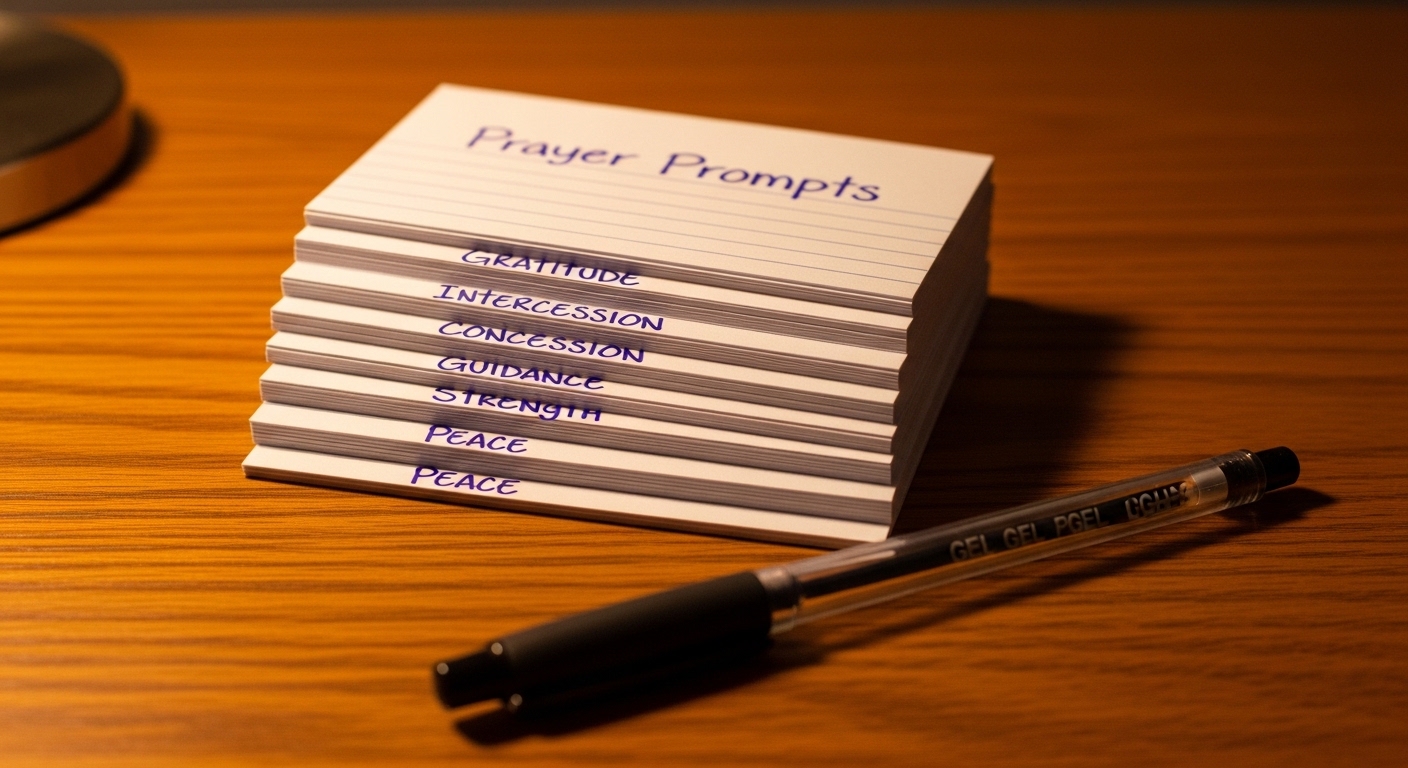
For each short prayer above, you can use a one-line alternative to fit different tones. Keeping a few alternatives saved in your mind or phone makes it easy to pray spontaneously.
- Morning: “Thank You for this fresh start. Help me show kindness today.”
- Anxiety: “Holy Spirit, be near. Let me feel Your peace.”
- Help: “Lord, open doors and guide my hands.”
- Gratitude: “Thank You for this moment — teach me to notice more.”
- Before Sleep: “Forgive me for today; let tomorrow be better.”
- Lost: “Light my way; show me where to go next.”
- Weak: “Hold me, Lord. Carry me when I can’t.”
Short alternatives reduce the pressure to form the perfect sentence. The practice of bringing words to God, even simple ones, matters.
How to Personalize Short Prayers for Beginners
Short prayers are most powerful when they feel personal. You don’t have to memorize a script; instead, use these steps to personalize a prayer in 30 seconds:
- Identify one feeling or need (fear, gratitude, direction).
- Address God simply (“Lord,” “God,” “Father,” “Heavenly Father”).
- State one request or one thanks.
- Close with a short phrase (“Amen,” “In Jesus’ name,” “Thank You”).
Speak naturally—like you would to a friend. If you prefer journaling, write a sentence or two each morning. Adding your name, a loved one’s name, or a specific situation makes the prayer concrete: “God, please help Sam today at the interview.”
Use Scripture as a springboard. The Lord’s Prayer provides a framework for many short prayers—recognizing God’s holiness, asking for provision and daily needs, and for forgiveness and protection. See the Lord’s Prayer here: Matthew 6:9-13.
Common Mistakes With Short Prayers for Beginners
You’ll learn faster if you know what to avoid. Here are common errors and how to fix them.
- Thinking prayers must be long. Fix: Start with 30 seconds. Short prayers build muscle.
- Trying to sound “perfect.” Fix: Be honest; God responds to sincerity, not polish.
- Only praying when in trouble. Fix: Add one moment of gratitude or praise each day.
- Waiting for “the right time” to pray. Fix: Pray in short pockets—while washing dishes, in the car, before sleep.
- Measuring prayer by feelings. Fix: Faithful practice matters even when feelings lag.
A balanced prayer life includes short cries for help and short moments of praise. Scripture counsels continual prayer: “Pray continually” is a spiritual invite that’s more about habitual orientation than nonstop speech (1 Thessalonians 5:16-18).
👉 How to Start Praying Consistently

Short Prayers for Specific Moments (Bonus)
Here are quick, ready-to-use prayers for situations you might not expect.
- Before a conversation: “Lord, help me speak with kindness and listen well.”
- When tempted: “God, give me strength to stand firm.”
- For a friend: “Lord, bless [name] and meet their needs today.”
- Before a meeting: “Guide my thoughts and give wisdom in this meeting.”
- In the middle of traffic: “God, keep us safe and calm my nerves.”
Mentioning a friend’s name makes intercession personal and practical. You can say a name silently or aloud as you drive, walk, or prepare for a call.
Using Scripture in Short Prayer
You can use a single verse as a short prayer. Recite or pray a verse that fits your situation. For example:
- Peace in anxious moments: pray Philippians 4:6-7.
- Morning trust: pray Psalm 5:3.
- Rest at night: pray Psalm 4:8.
- Direction: pray Proverbs 3:5-6.
- Strength: pray Isaiah 40:31.
Using Scripture keeps your requests rooted in God’s promises and provides ready-made language when you’re not sure what to say.

What to Do When You Don’t Feel Like Praying
You don’t have to wait for strong feelings. Sometimes obedience comes before emotion. Try these small steps:
- Pray one short sentence: “Lord, help me want to want you.”
- Read a short verse and pray it back to God.
- Listen to a worship song and use the chorus as your prayer.
- Ask for a single, small thing—clarity, a calm breath, or a kind thought.
Faith often grows through consistent practice, not only powerful feelings.
Different Types of Short Prayers for Beginners
As you grow, you’ll naturally begin using different types of short prayers depending on your situation:
– Short morning prayers for beginners
– Short prayers for anxiety and stress
– Simple bedtime prayers
– Quick prayers for guidance and decisions
– One-line prayers for daily life
You don’t need to master all of these at once.
Start with one situation:
Morning → Stress → Night
Over time, prayer becomes a natural rhythm instead of a forced habit.
When Short Prayers Feel Repetitive or Empty
At some point, you may feel like:
– “I keep saying the same thing”
– “This feels routine”
– “I don’t feel anything”
This is normal.
Prayer is not built on feelings—it’s built on faith and consistency.
When this happens:
– Keep praying anyway
– Change your wording slightly
– Use Scripture as your prayer
– Slow down and breathe as you pray
Even short, repetitive prayers build a deep spiritual habit over time.
Consistency matters more than emotion.
Frequently Asked Questions
How long should my short prayer be?
- A short prayer can be one sentence or up to two minutes. The goal is sincerity and repetition, not length.
Can I use short prayers for confession?
- Yes. Confession can be brief—name the sin, ask forgiveness, and seek strength to change.
Is it ok to pray silently in public?
- Absolutely. Silent short prayers are a discreet and effective way to stay connected throughout the day.
Do short prayers “count” if I’m distracted?
- Yes. Even distracted prayers show intention. Gently refocus and try again. The habit matters more than perfection.
🔗 Related Prayer Resources
If you want to grow deeper in your prayer life, these guides may help:
👉 Start here (foundation): How to Pray Step by Step (Beginner Guide)
👉 If you feel emotionally overwhelmed: What to Do When God Feels Silent
👉 If you need daily structure: Daily Prayer Habit Guide for Consistency
👉 If you want short/simple prayers: Short Prayers for Beginners (Easy Start)
👉 If you need encouragement: God Is Close Even When You Feel Alone (Devotional)
👉 🌸 If you’re focusing on family gratitude: Mother’s Day Devotional: Honoring Moms With Scripture, Prayer, and Gratitude
Together, these resources create a complete prayer flow—helping you stay connected to God before, during, and after prayer.
Final Thoughts
You don’t need perfect words to pray—just a willing heart. Start simple. Stay consistent. Grow naturally. Even the shortest prayer can build a powerful habit that changes how you live, think, and respond to daily struggles.
If you want one last encouragement: remember that even the briefest call to God matters. Keep a few short prayers in your pocket and use them often. The small, repeated acts of turning to God will shape your life more than occasional marathon prayers.
🙏 Start Using Short Prayers Today
Now you have simple, powerful short prayers for beginners you can use anytime—morning, night, or in the middle of a busy day.
Start small:
- Choose one morning prayer
- Use one prayer during stress
- End your day with one short night prayer
Consistency matters more than length.