


“Many are called, but few are chosen” is one of Jesus’ most familiar—and sometimes misunderstood—statements.
Jesus said these words at the end of the Parable of the Wedding Banquet in Matthew 22:1–14. The parable describes a king who prepared a wedding feast for his son. Many people received an invitation, but some rejected it. Others eventually entered the banquet, yet one guest was removed because he was not properly prepared.
Jesus concluded:
“For many are called, but few chosen.”
The verse teaches that God’s invitation is gracious and far-reaching, but hearing the invitation is not the same as genuinely receiving it. A person cannot enter God’s kingdom through religious appearance, personal achievement, or association with other believers. Salvation requires a genuine response to God’s grace through faith.
What Does “Many Are Called, but Few Are Chosen” Mean?
In simple terms:
- The called are those who receive or hear God’s invitation.
- The chosen are those who genuinely belong to Christ and enter His kingdom.
- The wedding banquet represents the blessings and fellowship of God’s kingdom.
- The wedding garment represents being properly prepared to stand before the King.
Jesus was warning that receiving an invitation is not enough. People must respond to God sincerely rather than ignoring His call or approaching Him only on their own terms.
The verse is not teaching that people can earn salvation by behaving well. Salvation is God’s gracious gift. However, genuine faith does not treat God’s invitation carelessly. It receives Christ, turns from sin, and begins producing a transformed life.
The Context of Matthew 22:14
Jesus told this parable during the final period of His earthly ministry.
Religious leaders had questioned His authority and resisted His teaching. In the preceding chapter, Jesus told other parables that exposed their unbelief and rejection of God’s messengers.
The Parable of the Wedding Banquet continued that warning.
The message was directed particularly toward leaders who enjoyed religious privilege but rejected Jesus. However, its warning applies to everyone. Knowing about God, attending religious activities, or being surrounded by believers does not replace personally trusting and following Christ.
The parable should not be used to condemn the Jewish people collectively. Jesus was confronting particular leaders and everyone—then and now—who hears God’s truth but refuses to respond.
What Happened in the Parable of the Wedding Banquet?
The parable contains several important scenes.
1. The King Prepared a Wedding Feast
The kingdom of heaven is compared to a king who prepared a wedding banquet for his son.
The celebration was ready. The food had been prepared, and the invited guests were called to come.
The king took the initiative. The guests did not create the banquet or earn their invitation. They were invited because of the king’s generosity.
In the same way, salvation begins with God. He provides what sinful people cannot provide for themselves.
2. The Invited Guests Refused to Come
Some invited guests ignored the invitation and continued with their farms and businesses. Others mistreated and killed the king’s servants.
Their refusal was not caused by a lack of preparation from the king. Everything was ready, but the guests did not value the invitation.
Some were distracted by everyday concerns. Others openly opposed the king.
This warns us that people can reject God in different ways. Some reject Him openly, while others simply remain too occupied with work, possessions, ambitions, or personal plans to respond.
Indifference can be another form of rejection.
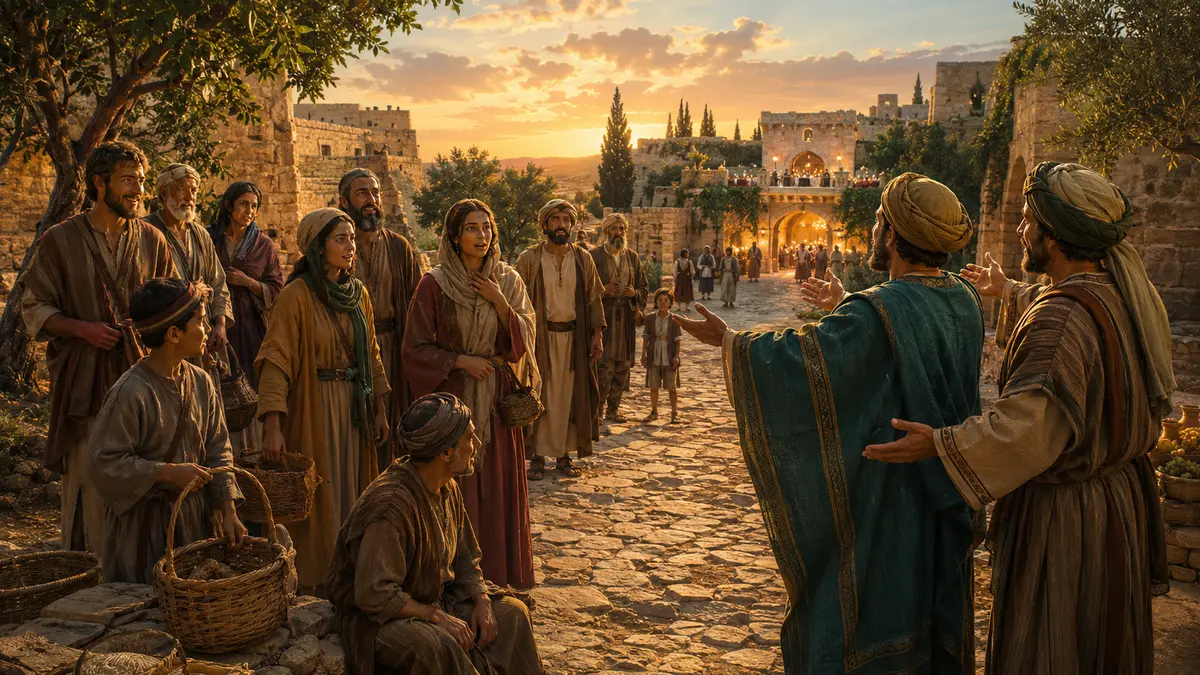
3. The Invitation Was Extended to Others
The king then sent his servants into the streets to invite everyone they could find. The servants gathered both the good and the bad, and the wedding hall was filled.
This demonstrates the generosity and breadth of God’s invitation.
The gospel is not reserved for wealthy, respected, educated, or outwardly religious people. God calls sinners from every background to come to Him.
No one should believe that past failure automatically places salvation beyond reach. The invitation is extended widely, and everyone who comes must depend on the king’s generosity.
Jesus told a related story in the Parable of the Great Banquet, where invited guests also allowed excuses to keep them from attending.
4. One Guest Was Not Properly Prepared
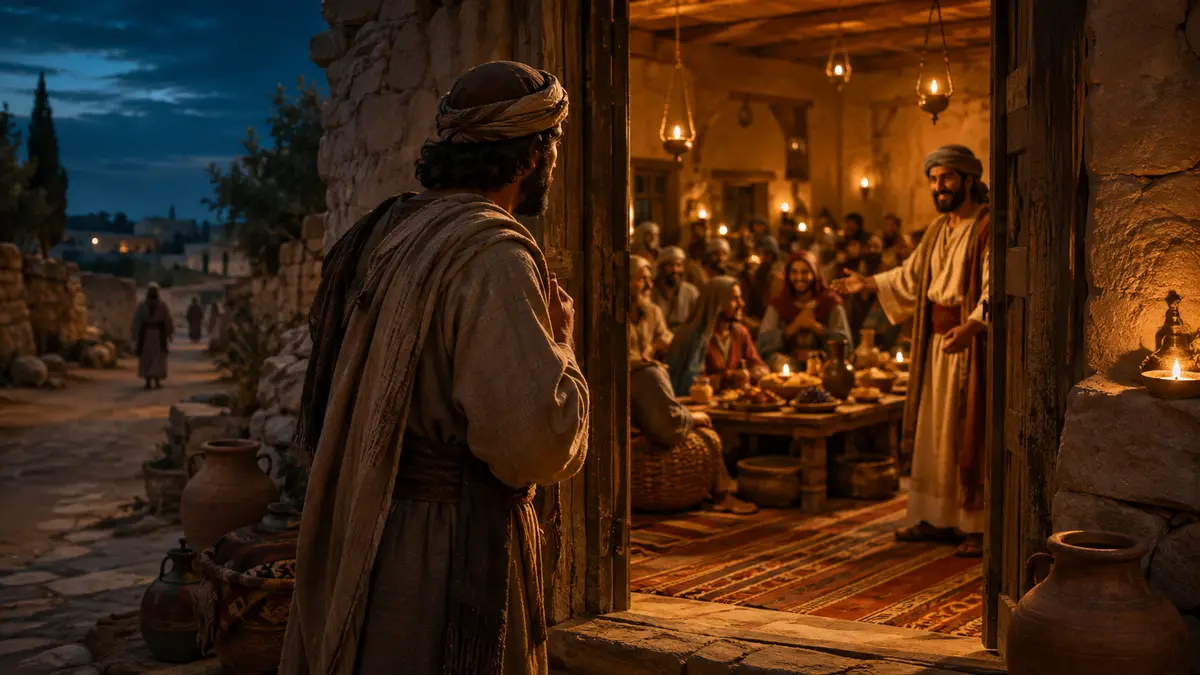
When the king entered, he noticed a man without wedding clothing. When questioned, the man had no answer.
The king ordered that he be removed from the banquet.
The man had entered the hall, but his presence did not reflect a proper response to the king. He wanted to attend the celebration while disregarding the king’s requirements.
This part of the parable warns against false assurance. Being near God’s people, knowing Christian language, or participating in church activities does not by itself prove that someone belongs to Christ.
What Does the Wedding Garment Represent?
Christians have offered several closely related interpretations of the wedding garment.
Some understand it as the righteousness God provides through Christ. Others emphasize repentance, genuine faith, or the changed life that follows salvation.
The central message remains clear: no one enters God’s kingdom through personal worthiness or on self-chosen terms.
We cannot cover ourselves with religious accomplishments and demand acceptance from God. We must receive the grace He provides.
At the same time, genuine faith produces evidence. A transformed life does not earn salvation, but it demonstrates that God’s grace is at work.
The guest without the garment represents someone who appears to accept the invitation outwardly but has never responded to the king sincerely.

What Does “Called” Mean?
In this parable, the call is the invitation to come to the banquet.
Spiritually, it points to the proclamation of God’s truth and the invitation of the gospel. People hear that forgiveness and eternal life are available through Jesus Christ.
The call reaches people from different backgrounds. Those invited from the streets included both the good and the bad.
This reminds us that the gospel is not a reward for people who already appear righteous. It is good news for sinners who need God’s mercy.
You can learn more about responding to this invitation in How Do I Receive God’s Gift of Salvation?
What Does “Chosen” Mean?
The chosen are those who truly belong to the King and participate in His kingdom.
They are not chosen because they are more intelligent, wealthy, respectable, or deserving than other people. Salvation remains an act of God’s grace.
The parable holds two biblical truths together:
- God graciously calls people into His kingdom.
- People are responsible for how they respond to His invitation.
Some refused to come. Another entered without being properly prepared. Their actions revealed that they did not honor the king or value his invitation.
Christians have different theological explanations of how divine choosing and human responsibility work together. This single verse should not be forced to answer every question in that discussion.
The parable’s immediate warning is clear: do not reject God’s invitation, and do not assume that an outward religious connection can replace genuine faith.
What Matthew 22:14 Does Not Mean
It Does Not Give Us a Mathematical Percentage of Who Will Be Saved
Jesus was giving a serious warning, not publishing a calculation of the final number of people in heaven.
Revelation describes a great multitude from every nation, tribe, people, and language standing before God’s throne.
The emphasis of Matthew 22:14 is personal: hearing the invitation should lead us to examine how we have responded.
It Does Not Mean God Rejects People Who Sincerely Come to Christ
The people in the parable were not excluded while eagerly trying to accept the invitation properly.
Some deliberately refused to come. The improperly dressed guest also had no answer when confronted.
The warning is directed against rejection, presumption, and an insincere response—not against people humbly seeking God’s mercy.
It Does Not Mean Good Behavior Earns Salvation
The servants gathered both good and bad people from the streets.
Their invitation came from the king, not from their social standing or moral record.
Good works cannot purchase entrance into God’s kingdom. Nevertheless, those who receive God’s grace are called to live differently because of it.
It Does Not Mean Religious Appearance Is Enough
The improperly dressed guest was physically present in the banquet hall, but his presence alone was insufficient.
Likewise, church attendance, Christian vocabulary, ministry involvement, baptism, or family background cannot replace personal faith in Christ.
Five Lessons from “Many Are Called, but Few Are Chosen”
1. Do Not Ignore God’s Invitation
The first guests allowed farms, businesses, and other concerns to become more important than the king’s invitation.
Ordinary responsibilities are not inherently wrong. The danger comes when temporary concerns become more important than responding to God.
2. Do Not Depend on Religious Privilege
The first guests had received the original invitation, but their privileged position did not protect them when they rejected the king.
Knowing biblical information or growing up in a Christian home is valuable, but each person must respond to Christ personally.
3. Come to God Through His Grace
The banquet was prepared by the king. The guests were invited to receive what he had provided.
We do not save ourselves. We come to God by grace through faith in Jesus Christ.
4. Allow God’s Grace to Transform You
The wedding garment reminds us that genuine faith is not merely an outward claim.
A changed life does not make us worthy of salvation. It is evidence that the Holy Spirit is working in us.
Learn more in Repentance and Faith: The Two Keys to Being Born Again.
5. Share God’s Invitation with Others
The servants went into the streets and invited everyone they found.
Christians must never decide that someone is too sinful, unimportant, or unlikely to receive the gospel. Our responsibility is to share the invitation faithfully and leave the results to God.
Frequently Asked Questions
Why Are Many Called but Few Chosen?
Many hear God’s invitation, but not everyone responds with genuine faith. Some reject it, some remain indifferent, and others rely on outward religion without truly trusting Christ.
Is the Wedding Garment Literal?
The wedding garment is part of the parable’s imagery. It symbolizes being properly prepared for God’s kingdom rather than merely appearing to accept the invitation.
Does This Verse Teach Predestination or Free Will?
The verse relates to God’s choosing and human responsibility, but it does not explain every aspect of either doctrine. The parable emphasizes that God gives the invitation while people remain accountable for rejecting or dishonoring it.
How Should I Respond to God’s Invitation?
Respond by turning to God, trusting Jesus Christ, receiving His forgiveness, and allowing the Holy Spirit to transform your life.
This does not mean becoming perfect before coming to God. We come because we need His mercy, and He begins changing us from within.
Conclusion
“Many are called, but few are chosen” is both an invitation and a warning.
God has prepared the way of salvation through Jesus Christ. His invitation reaches people from every background, including those who may believe they are unworthy or too far from Him.
But the invitation should never be treated casually.
We must not ignore it, replace genuine faith with outward religion, or assume that we can enter God’s kingdom on our own terms.
The right response is to come humbly, trust Christ, receive God’s grace, and allow that grace to transform how we live.
The banquet is ready. The invitation has been given.
The question is: how will you respond?