


Becoming a follower of Jesus Christ is the beginning of a new life. For a new believer, that beginning can bring joy, questions, excitement, and sometimes uncertainty. You may wonder what should change in your life, how quickly you should grow, or why you still struggle with attitudes and habits that you thought would disappear after becoming a Christian.
The good news is that God does not expect you to become spiritually mature overnight. Christian growth is a journey. As you continue following Jesus and depend on the Holy Spirit, God works in you and gradually shapes your character to become more like Christ.
One of the clearest biblical pictures of this transformation is the fruit of the Spirit. These qualities—love, joy, peace, patience, kindness, goodness, faithfulness, gentleness, and self-control—describe the kind of character the Holy Spirit produces in the life of a believer.
If you are a new believer, understanding this process can help you know what to expect and encourage you not to become discouraged when spiritual growth takes time.
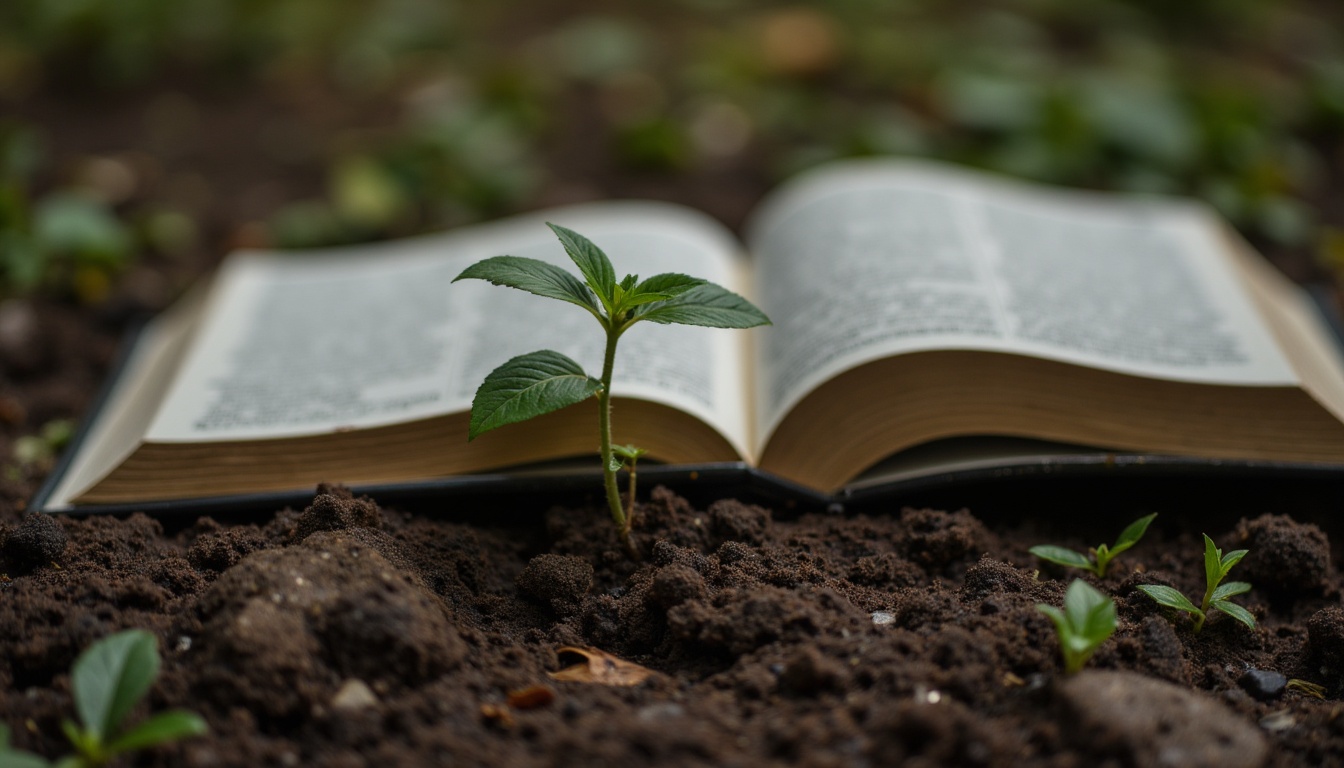
What Is the Fruit of the Spirit?
The phrase “fruit of the Spirit” comes from Galatians 5:22–23. Paul describes qualities that become evident as the Holy Spirit works in a believer’s life.
The fruit of the Spirit is not simply a list of personality traits that Christians are expected to develop through determination. These qualities reflect the character God desires to produce in His people as they follow Christ and walk by the Spirit.
This is important for new believers to understand. Christian growth is not primarily about trying harder to look like a good Christian. It is about a growing relationship with Jesus and the transforming work of the Holy Spirit.
If you want to explore the meaning of all nine fruits in greater detail, see The 9 Fruits of the Spirit Explained — Galatians 5:22–23
What Should New Believers Expect?
New believers sometimes expect that following Jesus will immediately remove every struggle, temptation, bad habit, or difficult emotion. While God can bring dramatic changes into someone’s life, spiritual maturity normally develops over time.
You may still become impatient. You may sometimes respond harshly. You may struggle with fear, selfishness, anger, temptation, or discouragement. You may know what is right and still find it difficult to do consistently.
These struggles do not mean that your new life in Christ is meaningless.
They are reminders that you are still growing.
Think about a physical child. A baby does not become an adult in a few days. Growth happens gradually. The child learns, falls, gets back up, develops new abilities, and becomes stronger over time.
Spiritual growth also involves learning and changing. As you follow Christ, you begin to recognize attitudes that need to change and choices that need to be surrendered to God. The Holy Spirit can use God’s Word, prayer, relationships, circumstances, correction, and everyday experiences to shape your character.
You may not notice every change as it happens. Sometimes the evidence of growth becomes clearer when you look back and realize that you respond differently than you once did.

The Holy Spirit Changes Us Over Time
The Christian life is not something you are expected to live through your own strength.
The Holy Spirit is present to guide, teach, strengthen, and transform believers. As you learn to depend on Him, your understanding of God’s will grows and your responses can gradually become more consistent with the character of Christ. If you are still learning about the Holy Spirit and His work in your life, you can also read The Holy Spirit Explained
This transformation does not mean that you simply sit back and do nothing. Following Christ involves responding to what God teaches you. You learn His Word, pray, obey, turn away from sinful choices, seek forgiveness when you fail, and continue walking with Him.
There will be days when growth feels obvious and days when it feels almost invisible.
Do not measure your entire Christian life by one difficult day.
Instead, keep walking with Jesus.
Small changes can become significant over time. You may begin to notice that you are more willing to forgive, more careful with your words, more aware of how your choices affect others, or more willing to trust God when circumstances are difficult.
How the 9 Fruits May Begin to Appear in Your Life
The nine fruits of the Spirit may become visible in a new believer’s life in many ordinary ways. Growth does not always look dramatic. Often, it appears in everyday decisions and relationships.
Love
You may begin to care more deeply about people rather than thinking only about yourself. Love can influence the way you treat difficult people, serve others, forgive, and respond to someone who needs help.
Christian love is not simply an emotion. As you grow, it can increasingly become a choice to seek another person’s good in ways that reflect the love of Christ.
Joy
Christian joy does not depend entirely on whether everything is going well.
As you grow in Christ, you may begin to discover a deeper joy rooted in knowing God. Difficult circumstances may still hurt, but your circumstances do not have to determine your entire outlook. You can explore this particular fruit more deeply in Joy as a Fruit of the Spirit: What It Means and How to Grow in Joy
Peace
You may gradually learn to bring your worries to God instead of carrying every concern alone.
Peace does not mean that you will never feel troubled. Rather, you can increasingly learn to trust God in the middle of situations that you cannot control.
Patience
Patience often becomes visible when people or circumstances do not move according to your expectations.
You may notice that you pause before reacting, listen longer, or become more willing to give someone time to grow. That may seem like a small change, but it can be meaningful evidence of spiritual growth.
Kindness
Kindness can appear through simple actions: encouraging someone, helping when you can, speaking gently, noticing another person’s needs, or choosing not to respond harshly.
A growing Christian begins to recognize that everyday interactions are opportunities to reflect Christ.
Goodness
Goodness involves choosing what is right and beneficial rather than simply what is convenient.
As you grow, you may become more sensitive to choices that honor God. You may also become more willing to do what is right even when nobody else is watching.
Faithfulness
Faithfulness can be seen in consistency.
You may become more committed to following Christ, keeping your word, serving others, and remaining faithful to God when life becomes difficult.
Faithfulness is not about never having a difficult day. It is about continuing to follow Jesus rather than giving up when the Christian life becomes challenging.
Gentleness
Gentleness does not mean weakness.
A growing believer may become more careful with words, more willing to listen, and less interested in winning every argument. You may learn that telling someone the truth does not require treating them harshly.
Self-Control
Self-control becomes especially important when emotions, desires, or temptations become strong.
You may begin to recognize situations that regularly lead you toward unhealthy choices and learn to respond differently. Instead of immediately following every impulse, you can pause, pray, and choose a response that honors God.
These examples are not a test that you must pass to prove that you are a Christian. They are areas in which the Holy Spirit can continue working as you grow.
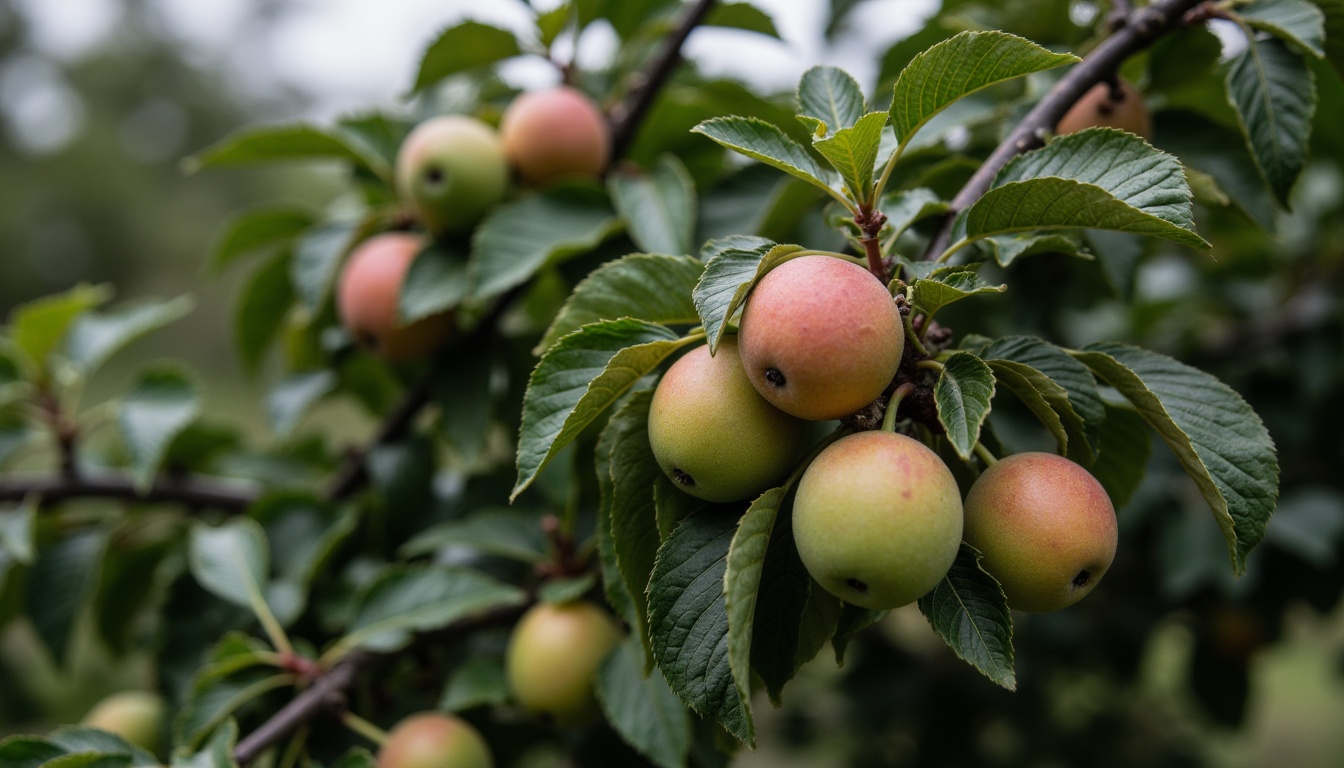
You Will Still Struggle and Sometimes Fail
One of the most important things for a new believer to understand is that following Jesus does not mean you will never fail.
You may sincerely want to honor God and still make wrong choices. You may lose your temper after deciding to become more patient. You may say something unkind after asking God to help you become more loving. You may give in to temptation even when you genuinely wanted to make a different choice.
When this happens, do not conclude that you have made no progress.
Instead, bring your failure honestly to God.
The Christian response to failure is not to hide, pretend, or give up. It is to turn back to God, confess what was wrong, receive His forgiveness, learn from what happened, and continue following Christ. Learning to walk by the Spirit is part of this ongoing growth. See What Does It Mean to Walk in the Spirit? for a deeper look at what Paul teaches in Galatians 5.
Spiritual growth includes learning how to respond when you fail.
Sometimes maturity is seen not in never making a mistake, but in becoming quicker to recognize the mistake, humble yourself, seek forgiveness, and make a different choice next time.
God’s grace does not mean that change is unnecessary. His grace gives us reason to keep returning to Him as He continues His work in us.
Growth May Not Look the Way You Expect
Spiritual growth is not always a straight line.
There may be seasons when you feel close to God and other seasons when you feel spiritually tired. There may be areas where you experience noticeable change quickly and other areas where growth takes much longer.
You may also discover weaknesses you did not recognize before becoming a Christian.
That can actually be part of growing in your understanding of yourself and your need for God’s grace.
As God’s Word reveals more of His character and His will, you may become more aware of attitudes and behaviors that need to change. Instead of viewing that awareness as proof that you are failing, bring those areas to God and allow them to become opportunities for growth.
Do not compare your spiritual journey with another believer’s journey.
God may be working in different areas of your life at different times.
Your responsibility is not to become someone else. Continue following Christ faithfully and allow Him to shape you.
How Can You Recognize Spiritual Growth?
Spiritual growth can sometimes be difficult to recognize because we tend to notice our weaknesses more than our progress.
One helpful approach is to look for changes over time.
Are you becoming more willing to forgive? Are you more aware of how your words affect other people? Do you turn to God more quickly when you face difficulty? Are you becoming more willing to admit when you are wrong? Are you beginning to care more about God’s will than simply getting your own way?
These changes may not happen all at once.
You might still struggle with the same temptation while becoming better at recognizing it. You might still become impatient while recovering more quickly and asking forgiveness sooner. You might still feel afraid while learning to trust God instead of allowing fear to control every decision.
Growth is not always the absence of struggle.
Sometimes growth is seen in how you respond to the struggle. Spiritual growth is also closely connected with the difference between the works of the flesh and the fruit produced by the Spirit. Works of the Flesh vs. Fruit of the Spirit explores that contrast in greater detail.
That is why it can be helpful to look back over months and years rather than judging yourself based only on today’s circumstances.
Keep Your Eyes on Christ, Not Just Your Progress
It is possible to become so focused on spiritual growth that you accidentally make yourself the center of the process.
You may begin constantly asking, “Am I loving enough? Am I patient enough? Am I spiritual enough?”
These questions can become discouraging if they cause you to focus only on your shortcomings.
Instead, keep your eyes on Jesus.
The purpose of spiritual growth is not to build a perfect version of yourself. It is to become increasingly shaped by Christ and to reflect His character in your everyday life.
Look to Him when you succeed. Look to Him when you fail. Look to Him when you understand something clearly and when you feel confused.
Your identity as a Christian is not based on having a flawless day.
Continue learning. Continue praying. Continue obeying. Continue returning to Christ.
As you do, the Holy Spirit continues His work of transformation.

Encouragement for the New Believer
If you have recently trusted in Jesus, you are at the beginning of a journey.
You do not need to understand everything today.
You do not need to have every habit fixed today.
You do not need to know exactly what the next ten years of your Christian life will look like.
Start by following Jesus today.
Learn God’s Word. Pray. Ask questions. Spend time with other believers. Obey what God teaches you. When you fail, turn back to Him. When you experience growth, give God the glory.
There may be seasons when you feel like you are growing quickly and other seasons when growth seems slow. Do not give up simply because you cannot see immediate results.
A growing Christian is not someone who never struggles.
A growing Christian is someone who keeps turning toward Christ.
The fruit of the Spirit is a beautiful picture of what God desires to produce in His people. As you continue walking with Jesus and depending on the Holy Spirit, these qualities can increasingly shape the way you think, speak, respond, and treat others.
Your journey has begun. Keep walking with Christ, and trust Him with the growth.
A Simple Prayer for New Believers
Lord Jesus, thank You for giving me new life and for calling me to follow You. I know I still have much to learn and many areas where I need to grow. Please help me depend on the Holy Spirit instead of relying only on my own strength. Teach me to love others, choose joy, trust You in difficult situations, practice patience, show kindness, pursue what is good, remain faithful, respond with gentleness, and exercise self-control.
When I fail, help me turn back to You instead of becoming discouraged. Shape my character and help me become more like You each day. Give me a desire to know Your Word, obey Your teaching, and grow in my relationship with You.
Thank You for Your grace and patience with me. Help me keep my eyes on Christ as I continue this journey of faith.
In Jesus’ name, Amen.
📖 Continue Growing
As you continue growing in Christ, these resources can help you understand the Holy Spirit, the fruit He produces, and what it means to walk with Jesus each day:
🍇 The 9 Fruits of the Spirit Explained — Explore the nine qualities Paul identifies in Galatians 5:22–23 and how they reflect Christlike character.
🌿The Holy Spirit Explained — Learn who the Holy Spirit is and how He works in the life of a believer.
🕊️ What Does It Mean to Walk in the Spirit? — Discover what Galatians 5 teaches about walking by the Spirit in everyday Christian life.
🎁 Gifts vs. Fruit of the Spirit — Understand the difference between spiritual gifts and Spirit-produced character, and why Christian character matters.