



This Advent Bible reading plan gives you one passage a day from December 1 through December 25, with a short reflection and a question to bring into prayer. It follows the biblical story from the need for a Savior to the birth, saving work, and coming reign of Jesus Christ. You can read alone, with a friend, or with your family.
December can become crowded before we notice it. A manageable reading practice can help us attend to the One whom Christmas celebrates. The aim is to understand Scripture and respond to Jesus with faith, gratitude, repentance, and love.
When Should You Start This Advent Bible Reading Plan?
Begin on December 1 and finish on Christmas Day. You can use these dates in any year. This is a Christmas countdown reading plan inspired by Advent; it does not reproduce a church’s official lectionary or the exact dates of the four-Sunday season.
In 2026, the first Sunday of Advent is November 29, as shown in the USCCB’s Advent guide. If you start with your congregation that Sunday, use November 29–30 to read the introduction and pray, then begin Day 1 on December 1. Follow your church’s readings as well if you wish.
How to Use the Readings
Choose a realistic time and read the whole linked passage before the reflection. Set aside about ten minutes, allowing longer when a passage or conversation needs it. Read the surrounding paragraphs when you have questions. Our guide to studying the Bible in context can help you notice the speaker, setting, and purpose.
Then ask what the passage reveals about God and what a faithful response might look like. Pray in your own words. The guide to praying Scripture offers help with that step. Keep a notebook if it helps, but a special journal or Advent wreath is optional.
For households, invite one person to read and another to answer the day’s question. Younger children may need a shorter spoken explanation. Allow honest questions and admit when you need to learn more. You can also use the existing seven Advent devotionals when you want a shorter set of themed reflections.

Days 1–7: Our Need and God’s Promises
Day 1 — December 1: Our Need for a Savior
Read Genesis 3:1–15. Begin with the entrance of sin into God’s good creation. Notice both human disobedience and God’s response. Christians understand the conflict described in verse 15 within the wider story of Christ’s victory. Ask: Why do we need more than better habits? Pray for honesty about your need for grace.
Day 2 — December 2: God’s Purpose Reaches the Nations
Read Genesis 12:1–3. God calls Abram and promises blessing that reaches beyond one household. Read this as part of God’s unfolding purpose, rather than a promise that every personal plan will succeed. Ask: How does this widen my view of God’s concern for people? Pray for someone beyond your usual circle.
Day 3 — December 3: The Promise of a Lasting Kingdom
Read 2 Samuel 7:8–16. God’s covenant with David points the biblical story toward a continuing royal line. The New Testament identifies Jesus with David’s promised kingship. Ask: What is different about receiving a kingdom from God and building security by my own strength? Thank the Lord for His faithfulness across generations.
Day 4 — December 4: Light in Darkness
Read Isaiah 9:1–7. Read the promise of light and a coming royal child against the passage’s setting of darkness and distress. Christian hope centers on the Messiah and His just rule. Ask: What does this passage say about the kind of King we need? Bring a troubled part of your life before Him.
Day 5 — December 5: A Ruler from Bethlehem
Read Micah 5:2–5. Micah connects the coming ruler with little Bethlehem and describes His care in shepherding language. God’s purposes do not depend on the places people consider impressive. Ask: What does the passage reveal about the Lord’s strength and care? Pray for the humility to receive His leadership.
Day 6 — December 6: Prepare the Way
Read Isaiah 40:1–11. Hear the announcement of comfort and the enduring strength of God’s word. The passage holds together divine greatness and the tenderness of a shepherd. Ask: Which description of God helps me understand His care more fully? Pray that your preparation for Christmas will include attentive listening.
Day 7 — December 7: The Righteous King
Read Jeremiah 23:1–6. Against the failure of unfaithful shepherds, God promises a righteous ruler from David’s line. The problem is deeper than a disappointing season: people need just leadership and rescue. Ask: How does this passage challenge the way I use responsibility? Pray for leaders to act justly and faithfully.
Days 8–13: Prepare for the Coming Savior
Day 8 — December 8: God Works amid Long Waiting
Read Luke 1:5–25. Zechariah and Elizabeth’s story begins the Gospel’s account of preparation for Jesus. Their long wait does not give us a timetable for every unanswered request. Ask: What does Gabriel’s message say about John’s role? Bring your waiting to God without demanding that it follow this family’s exact story.
Day 9 — December 9: The Announcement to Mary
Read Luke 1:26–38. Gabriel’s message directs attention to the identity and kingdom of the Son Mary will bear. Notice Mary’s honest question and willing response. Ask: What does this passage teach me about Jesus? Pray for a receptive heart when obedience disrupts the plans you had expected to follow.
Day 10 — December 10: Encouragement in Shared Faith
Read Luke 1:39–45. Mary visits Elizabeth, and the scene is marked by recognition of God’s work and encouragement. Faith is lived among other people, including those whose circumstances differ from ours. Ask: Whom can I encourage by listening and speaking truth kindly? Thank God for someone who helps you trust Him.
Day 11 — December 11: Mary Magnifies the Lord
Read Luke 1:46–56. Mary’s song celebrates God’s mercy, power, and faithfulness. Pay attention to the Lord’s care for the humble and His reversal of human pride. Ask: What am I learning to value as I read? Pray that your gratitude will include concern for people whose needs are easily overlooked.
Day 12 — December 12: Prepare for the Savior
Read Luke 1:57–80. John’s birth leads Zechariah to praise God for redemption and covenant faithfulness. John will prepare the way; the saving work belongs to the Lord. Ask: How does this song connect forgiveness, mercy, and light? Thank God for bringing hope into a world marked by sin and darkness.
Day 13 — December 13: Jesus Comes to Save
Read Matthew 1:18–25. Matthew explains Joseph’s situation and the significance of Jesus’ birth and name. The emphasis includes salvation from sin and God’s presence with His people. Ask: What does Joseph’s obedience involve? Pray for courage to do what is right when you cannot control how others understand your situation.
Days 14–19: Receive the Good News of Jesus
Day 14 — December 14: The Birth in Bethlehem
Read Luke 2:1–7. Read slowly through the ordinary details of travel, birth, and the child’s first resting place. Resist filling the account with details it does not give. Ask: What does Luke actually tell us? Thank God that the Savior entered real human history and ordinary vulnerability.
Day 15 — December 15: Good News and a Faithful Response
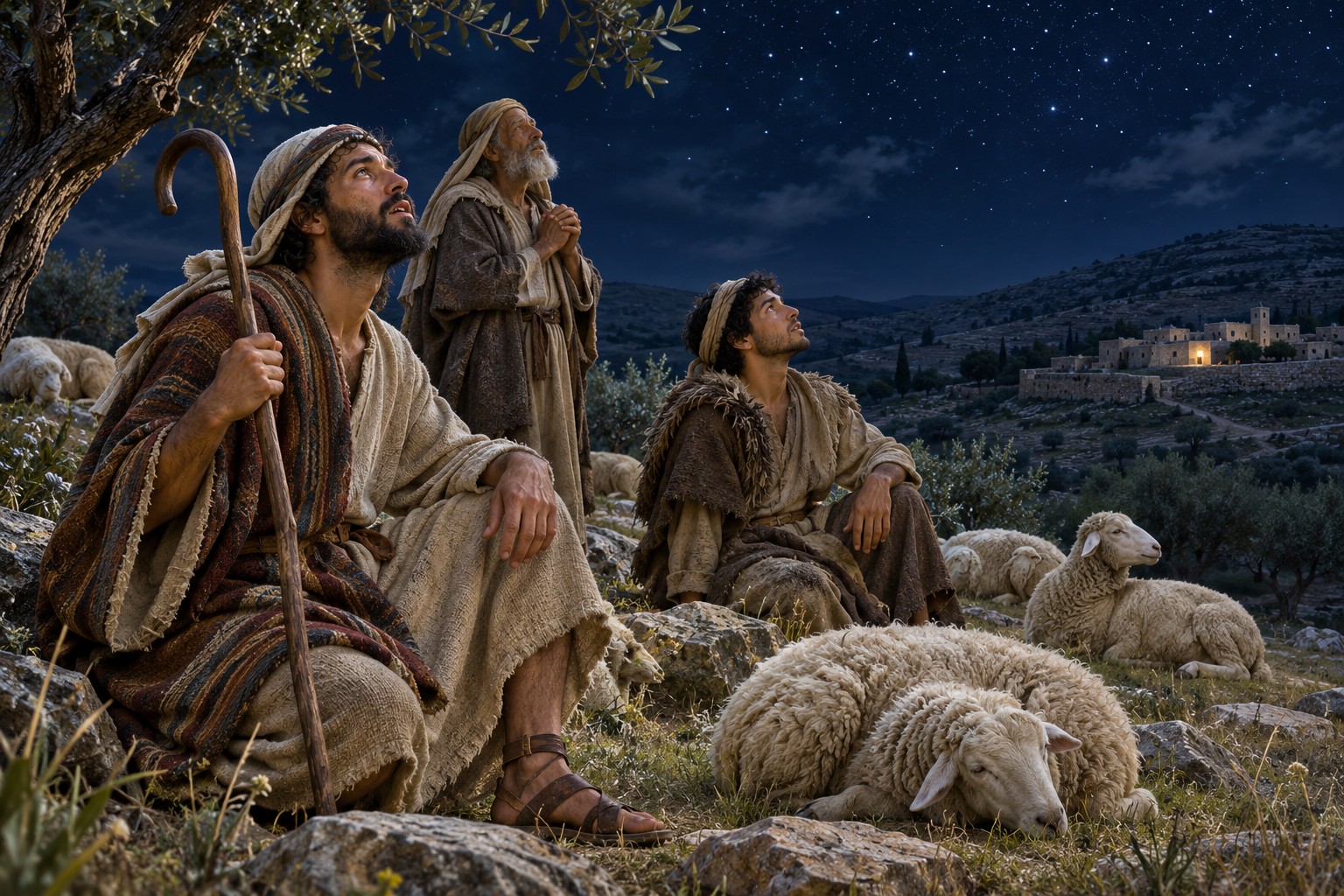
Read Luke 2:8–20. The announcement to the shepherds identifies the child as Savior, Messiah, and Lord. Notice how the shepherds respond and how Mary treasures what has happened. Ask: What response does this good news call for in me? Praise Christ and consider one gentle way to share your hope.
Day 16 — December 16: Salvation and Costly Love
Read Luke 2:21–35. Simeon recognizes God’s salvation in Jesus and speaks of light reaching the nations. His words also point toward opposition and sorrow. Ask: How does this keep my Christmas picture from becoming sentimental? Thank the Lord for salvation accomplished through a life that leads to the cross.
Day 17 — December 17: Worship the True King
Read Matthew 2:1–12. The visitors seek the child, while Herod responds to the announcement of kingship with alarm. Scripture identifies Bethlehem, and the visitors honor Jesus. Ask: How does my response to Christ compare with these different responses? Offer Him your worship without making the gifts a formula for receiving blessings.
Day 18 — December 18: The Word Became Flesh
Read John 1:1–18. John introduces Jesus as the eternal Word through whom creation came to be. The passage leads us into the wonder of God’s self-revelation in His Son. Ask: How does Jesus’ identity deepen the meaning of His birth? Praise Him for the grace and truth made known through Him.
Day 19 — December 19: God’s Love and Our Response
Read John 3:16–21. Read the familiar reference within the whole paragraph. God’s love, the sending of His Son, faith, judgment, and the response to light belong together. Ask: Am I receiving Jesus on His terms? Bring an area of hiddenness before God and seek help to walk truthfully.

Days 20–25: Follow the Savior and Await His Return
Day 20 — December 20: The King Who Serves
Read Mark 10:42–45. Jesus contrasts the pursuit of status with service and explains the saving purpose of His coming. The child celebrated at Christmas is the Lord who gives His life. Ask: Where am I seeking importance at someone else’s expense? Pray for a humble, concrete opportunity to serve.
Day 21 — December 21: Remember the Whole Gospel
Read 1 Corinthians 15:1–8. Paul reminds believers of Christ’s death for sins, burial, resurrection, and appearances. Christmas belongs within this saving story. Ask: Why would a celebration of Jesus’ birth be incomplete without His resurrection? Thank Him for the gospel and the hope that rests on what He has done.
Day 22 — December 22: Receive Grace and Walk in Love
Read Ephesians 2:1–10. Paul describes the depth of human need and God’s merciful action in Christ. Good works follow salvation; they do not purchase it. Ask: Am I trying to earn what God gives by grace? Thank Him for His mercy and choose an act of love that expresses gratitude.
Day 23 — December 23: Grace Teaches Us How to Live
Read Titus 2:11–14. God’s grace brings salvation and trains His people for a changed life while they await Christ. Hope reaches into daily choices. Ask: What habit needs to change in response to His grace? Pray for patience, integrity, or kindness in one specific relationship today.
Day 24 — December 24: Look toward God’s Renewed Creation
Read Revelation 21:1–5. John’s vision directs hope toward God dwelling with His people and the removal of death and sorrow. This is not a promise of a painless holiday now. Ask: How does this future hope help me face present grief? Pray honestly and offer companionship to someone who is hurting.
Day 25 — December 25: Honor the Son
Read Hebrews 1:1–4. Finish by considering the glory, authority, and saving work of the Son. He is worthy of worship beyond one date on the calendar. Ask: What have these readings helped me see more clearly about Jesus? Thank the Father for His Son and commit the coming days to Him.

What If You Miss a Day?
Return to the next passage when you can. You may continue beyond December 25 or read two short passages together if that is helpful. An optional plan is a tool for learning, rather than a measure of your acceptance with God. Give attention to what you read instead of rushing to repair a checklist.
If illness, caregiving, work, or grief changes your plans, read a smaller portion and pray honestly. Our simple daily prayer routine can help you make room for a manageable practice. Ask a trusted Christian friend to read with you if encouragement would help.
Let the Reading Shape Your Christmas
Consider one response that fits the passages you have read: confess a known wrong, offer practical help, listen to someone who is lonely, or thank the Lord for a specific mercy. These responses express gratitude for grace. They do not earn salvation or make God owe us an easy season.
Keep the people around you in view. If your reading is interrupted by a genuine need, loving that person may be a faithful response to what you are learning. Our reflection on kindness as a fruit of the Spirit explores that everyday expression of faith.
A Prayer for These Twenty-Five Days
Heavenly Father, open our understanding as we read Your Word. Help us see the glory and grace of Jesus more clearly. Teach us to repent honestly, trust Your promises, and love the people You place before us. Thank You for sending Your Son to save us. Strengthen our hope as we remember His coming and await His return. In Jesus’ name, amen.
Continue Growing
Let Christmas become a beginning of deeper attention to Christ. Continue with the 30-day Bible reading plan for beginners, revisit how to study the Bible in context, and keep practicing prayer shaped by Scripture. May the Lord Jesus be honored in your worship and in the life you live beyond the season.