


God Is Still In Control When Life Feels Out Of Control

You’ve probably had seasons when your calendar, emotions, or circumstances seem to run wild—appointments canceled, relationships strained, health worries, job uncertainty. When life feels like it’s slipping through your fingers, you might ask: Is God really watching? Is God really working? The simple, faithful answer the Bible gives is that God is in control. That doesn’t remove your pain or erase the hard questions, but it anchors you. In this article, you’ll find biblical truth, practical steps, and gentle encouragements to help you remember and rely on the reality that God is in control—even when everything around you screams otherwise.
When Your World Feels Chaotic, You’re Not Alone
You’re not the first person to feel like everything is spiraling. Scripture repeatedly shows men and women who faced chaos and uncertainty—yet they learned to trust that God is in control. When you feel overwhelmed, the Bible gives you words and examples to hold onto. Those who walked with God didn’t have trouble-free lives; they had a God who remained sovereign through the trouble.
Think of the psalmist who declares confidence in the Lord even in deep distress. You can hold that same confidence. Readers come away understanding that faith doesn’t prevent storms; it gives you a different posture while you’re in them. The promise is not that problems vanish instantly, but that God’s reign is not threatened by them.
What Do You Mean by “God Is in Control”?
You might wonder what people mean by the phrase God is in control. It’s not a trite bumper sticker. It’s a deep theological claim with practical implications. Saying God is in control means God sovereignly oversees creation, history, and the details of your life, even while allowing human choices and natural processes to operate.
When you say God is in control, you’re affirming:
- God is greater than circumstances.
- God’s purposes will ultimately prevail.
- God can bring good from things you cannot.
This isn’t fatalism. It’s not saying your choices don’t matter. Scripture calls you to act, to pray, to love, and to steward responsibilities—because your obedience matters inside God’s sovereign plan. You’re invited to participate with God, not to be a passive bystander.
Biblical Foundations: Stories That Show God Is in Control

You’ll find repeated examples in Scripture where human plans collapse but God’s purpose stands. Take Joseph: sold into slavery, imprisoned, wrongly accused, yet used by God to preserve a nation. Joseph’s confident summary of suffering is unforgettable: what others intended for harm, God intended for good. See Genesis 50:20 for Joseph’s words: Genesis 50:20. That’s a powerful testimony that God is in control even when you can’t see how He’ll turn things around.
Look at Daniel and his friends. They faced fiery furnaces and hostile courts, yet God preserved them in ways that showed His authority over kings and kingdoms. Read Daniel’s story to remind yourself that God is in control over political power and personal peril: Daniel 3:16-18.
When Jesus calmed the storm, His disciples panicked as waves threatened their boat. Jesus’s response: He rebuked the wind and waves and questioned their faith. The miracle shows that the Lord of nature brings peace into chaos, a picture you can cling to when storms threaten to overwhelm you. See Matthew 8:23-27: Matthew 8:23-27.
God’s Sovereignty Doesn’t Eliminate Your Feelings
You may be tempted to ignore emotions or repress doubt because you believe God is in control. Don’t. Scripture gives space for lament, honest prayer, and raw confession. The Psalms are full of cries to God—painfully honest yet rooted in trust. You can bring your fear, anger, and confusion to God without losing the truth that God is in control. In fact, bringing those feelings to God is an expression of trust.
Notice how many biblical prayers combine honesty with hope. Consider Psalm 23, where the psalmist walks through the valley of the shadow of death yet declares trust in God’s goodness: Psalm 23:4. Your feelings aren’t the final word; they’re the raw material you can lay before a sovereign God who listens and cares.
How God’s Control Interacts with Your Choices
Understanding that God is in control can lead to a vital balance: you take responsibility and God directs the outcomes. Scripture is clear that God works through human decision-making. You’re called to steward your gifts, care for others, and make wise choices. At the same time, you trust God with the results.
A classic assurance for believers is Romans 8:28, which says that God works for the good of those who love Him and are called according to His purpose: Romans 8:28. You don’t need to be passive. Your efforts matter, but they happen within God’s overarching providence.
When Suffering Seems Unfair: Wrestling with Why

When suffering seems unjust, asking why is appropriate. You aren’t weak for wondering where God is. You’re human. But wrestling well means you bring the “why” to God, hold the tension, and trust His promises even without full explanations.
Take Jeremiah’s promise for exiles: God had plans for His people’s future and welfare, even when they were in exile and bewildered by suffering. You can read Jeremiah 29:11 as one of those promises that point you beyond the immediate pain to God’s redeeming purpose: Jeremiah 29:11.
Practical Ways to Live Like God Is in Control
You don’t just affirm God’s sovereignty; you live it. Here are practical ways to integrate that truth into your everyday life, so it changes how you wake up, work, and relate.
Prayer: Make dependent, honest conversation with God your default posture. When you pray, you’re aligning your heart with the One who is in control. Practical tip: set aside a simple daily time—10 to 20 minutes—where you center your thoughts on God and bring specific concerns.
Scripture: Read stories and promises that reinforce God’s control. The Bible shapes your imagination and anchors your hope. Try reading passages that remind you of God’s faithfulness—like Psalm 46 or Isaiah 40—when anxiety rises. Here’s a stabilizing verse: Isaiah 40:31.
Community: Don’t isolate. You’re designed to walk in faith with others. When you share burdens with trusted friends or mentors, you experience God’s care through people. The church exists to carry one another’s burdens (Galatians 6:2): Galatians 6:2.
Obedience: Do the immediate next right thing. Sometimes the next step is small—make a phone call, apologize, rest, seek help. Obedience is your tangible response when you believe God is in control.
How to Pray When Control Feels Out of Reach

Your prayers can be a lifeline when life spins. Honest prayers don’t need eloquence; they need honesty and dependence. You can borrow the pattern Jesus taught: praise, confession, thanksgiving, then petition. That posture reminds you that God is in control and worthy of trust.
Also use Scripture in prayer—pray Scripture back to God. For example, echoing Psalm 46:1 as you pray can reorient your heart. If you struggle with prayer, begin with a simple five-minute practice: tell God what’s true, ask for help, and listen. The Holy Spirit helps you pray when you don’t have words (Romans 8:26): Romans 8:26.
Theology for Hard Times: Big Truths That Comfort You
Some theological realities give you enduring comfort:
- God is unchanging. His character—love, justice, wisdom—does not shift with circumstance.
- God is present. He is Emmanuel—God with you—even in suffering.
- God is working. Nothing is wasted; history moves toward His redeemed future.
These truths matter because they provide a framework for suffering. For instance, Hebrews assures you that Jesus empathizes with your weaknesses because He endured temptation and suffering: Hebrews 4:15-16. That truth gives you the courage to approach God and ask for mercy and grace.
Misconceptions About God’s Control You Might Believe
Sometimes people misunderstand divine sovereignty in ways that make it seem cold or distant. You might be tempted to think:
- If God is in control, nothing I do matters.
- If God is loving, He would prevent every pain.
- God’s control means He micro-manages every detail to override free will.
None of these is what Scripture teaches. God’s sovereignty and human responsibility coexist. God’s love doesn’t guarantee instant removal of all suffering; it promises that suffering will not be the final word and that God can redeem it. You’re invited into a dynamic relationship where you trust God’s wisdom even when you can’t see the map.
Stories That Illustrate God’s Control in Everyday Life

You probably know people—or you may be one—who faced job loss, health crises, or relational breakdown yet later saw redemption. These testimonies don’t erase pain, but they highlight how God can bring good in unexpected ways.
Consider a person who lost a career and discovered a new calling that used painful experience to help others. Or a family who endured grief and found deeper community and purpose through the loss. These narratives remind you that God is in control, not to manipulate outcomes to avoid pain but to bring meaning and restoration through and after it.
How to Trust When Answers Don’t Come
Trust often grows in the dark. When answers don’t arrive, cultivate trust by remembering God’s past faithfulness, practicing gratitude for small mercies, and leaning into prayer and community. It’s okay to hold questions and still choose to trust.
One practical exercise: create a list of ways God has shown up in your life previously—big or small—and revisit it when doubt creeps in. This practice is biblical: the Israelites were told to remember God’s works and pass them to the next generation (Psalm 78). Remembering forms your faith muscle.
Loving Others When You’re Struggling
You might think you can’t help others while you’re hurting. Yet serving and loving others can be a pathway through pain. Small acts—sending a text, making a meal, listening—reflect the reality that God is in control and invites you to be His hands. Sometimes helping someone else recalibrates your perspective and reminds you that life is communal, not solitary.
Galatians 6:2 instructs you to carry one another’s burdens, which is both a command and a comfort: Galatians 6:2. Your presence can be the means God uses to show His sovereignty through kindness and care.
When Control Feels Like It Belongs to Someone Else

You may be wrestling with the idea that control seems to belong exclusively to others—with wealth, power, or influence—while you feel powerless. Scripture reminds you that ultimate control belongs to God—not to human systems. He raises and tears down leaders, He cares for the marginalized, and He judges with justice.
Remember the promise that kings and kingdoms are ultimately in God’s hands. Daniel’s history and other biblical narratives often show rulers being humbled while God’s purposes win out. That should comfort you: God is in control even when earthly control seems unfair.
Practical Tools: Journaling, Scripture Cards, and Reminders
You can use simple tools to keep the truth that God is in control near your heart. Journaling allows you to record prayers, answers, and ways God meets you. Scripture cards with a few favorite verses—Romans 8:28, Isaiah 41:10, and Psalm 46:1—are great to carry.
Here are a few verses you can put on cards:
- Romans 8:28 — God works for the good.
- Isaiah 41:10 — Do not fear; God strengthens you.
- Psalm 46:1-2 — God is our refuge and strength.
When panic rises, pull out a card, read the verse slowly, and breathe in the truth that God is in control.
How to Celebrate God’s Control Without Minimizing Pain
Celebration doesn’t negate pain. You can celebrate God’s faithfulness in ways that respect the reality of loss. Practically, that means you name your sorrow and also recount God’s goodness. Lament and praise can coexist; both are honest responses to a complex reality.
The early church model included both deep suffering and exuberant praise. You can do the same. Use songs, psalms, or simple gratitude lists to make space for praise without pretending everything is fine when it isn’t.
The Promise of a Future Where God’s Control Is Fully Revealed

A core Christian hope is that God’s control will eventually be fully revealed—when suffering is ended and redemption is complete. Revelation and the New Testament speak of a future restoration where God will wipe away every tear. Keep that horizon in view; it gives meaning and hope in the present.
Revelation describes a time when God will make everything new. Holding that promise doesn’t erase pain now, but it reframes it within God’s larger story of redemption and renewal.
When You Need Help Beyond Scripture and Prayer
Sometimes your circumstances require practical help: medical care, counseling, or financial advice. Believing God is in control doesn’t mean you refuse help. It means you pursue wisdom, use the resources available, and ask God to guide professionals and systems. God often uses experts and institutions to provide healing and relief.
If you’re struggling with mental health, reach out to a professional counselor or a trusted pastor. Practical support paired with spiritual care is wise and biblical.
Final Encouragement: Your Role in a Sovereign Story

You aren’t a bystander in God’s story. You are an agent who can pray, obey, love, and hope. Yes, storms will come. Yes, you will have unanswered questions. But God is in control. That truth doesn’t solve everything immediately, but it gives you a ground of hope that nothing else can. Keep returning to Scripture, honest prayer, community, and practical obedience—you’ll find yourself steadier as you remember who holds the world and your life.
Before you go, anchor yourself in these promises:
- God cares for you tenderly (1 Peter 5:7): 1 Peter 5:7.
- God is your refuge in trouble (Psalm 46:1): Psalm 46:1.
- God is working all things together for good (Romans 8:28): Romans 8:28.
You can cling to the truth that God is in control without losing your humanity. Your doubts, questions, and pain are not disqualifying; they’re part of your journey. Keep bringing them to God. Keep walking with others. Keep trusting the God who rules, heals, and redeems.
Explore More
For further reading and encouragement, check out these posts:
👉 7 Bible Verses About Faith in Hard Times
👉 Job’s Faith: What We Can Learn From His Trials
👉 How To Trust God When Everything Falls Apart
👉 Why God Allows Suffering – A Biblical Perspective
👉 Faith Over Fear: How To Stand Strong In Uncertain Seasons
👉 How To Encourage Someone Struggling With Their Faith
👉 5 Prayers for Strength When You’re Feeling Weak
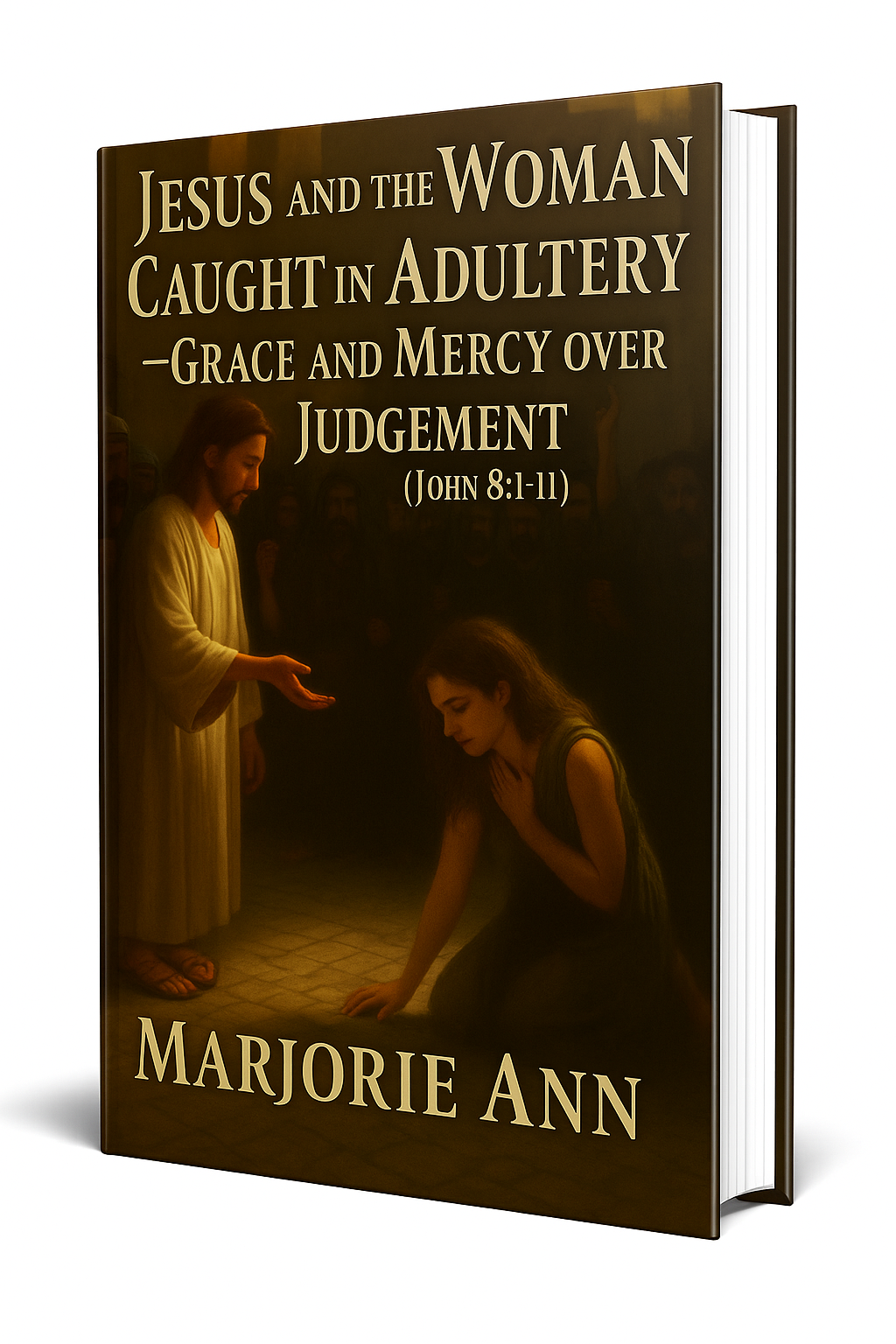
📘 Jesus and the Woman Caught in Adultery – Grace and Mercy Over Judgement
A powerful retelling of John 8:1-11. This book brings to life the depth of forgiveness, mercy, and God’s unwavering love.
👉 Check it now on Amazon 🛒💥

🔥 “Every great message deserves a home online.” 🌍💬🏡
Don’t let your calling stay hidden. Start a Christian blog or website using Hostinger — with 99.9% uptime, a free domain, and SSL, your voice can shine for God’s glory anytime, anywhere.
💥 Begin today. 🛒 Try it RISK-FREE! ✅

✝️ “Your body is God’s temple — care for it with purpose.” 💪💖🏛️
Renew your energy and restore balance naturally. Mitolyn helps support a healthy metabolism, giving you the vitality to live out God’s calling with strength and confidence.
🔥 Unlock Your Metabolic Power! ⚡Burn More Calories & Feel Great With Mitolyn. 💪
👉 Start Today. 🚀 Check Price Now. 🛒💰
💰 As a ClickBank & Amazon Affiliate, I earn from qualifying purchases.
📖 Acknowledgment: All Bible verses referenced in this article were accessed via Bible Gateway (or Bible Hub).
🚀 Want to explore more? 👉 Dive into our new post on Why Jesus? and experience the 🔥 life-changing truth of the Gospel!