

Introduction
You’ve probably felt small against the challenges life throws at you—fear, doubt, injustice, temptation. Maybe you’ve wondered what protection God offers when the storms come, or how you can stand firm when everything around you seems to shift. The Apostle Paul gives a powerful picture that answers that exact longing: the Armor of God. In Ephesians 6:10–18, Paul paints a vivid image of spiritual equipment designed to help you stand strong, not by your own strength but by God’s power. In this article, you’ll walk through the meaning of each piece of that armor, how the original audience would have heard it, why it still matters, and practical ways to wear the armor in your everyday life.
The Bible Verse Explained
Start by reading the passage closely: Ephesians 6:10–18. Paul’s words are short, vivid, and packed with metaphorical meaning. In these verses, he urges believers to be strong in the Lord and to put on the whole armor of God so they can stand firm against spiritual forces of evil. This passage is the capstone of a larger argument in Ephesians about unity, holiness, Christian relationships, and the cosmic scope of Christ’s work.
Who wrote it? The letter to the Ephesians is traditionally attributed to the Apostle Paul. Paul writes from a posture of pastoral authority and deep theological insight, addressing practical concerns while explaining spiritual realities.
Who was it written to? The immediate audience was the church in Ephesus and likely a wider circle of churches in Asia Minor. These were mostly Gentile believers living in a cosmopolitan Roman city, dealing with both cultural pressures and religious pluralism.
What was the historical setting? Paul penned Ephesians in the first century AD, around the time of his imprisonment in Rome. The early churches were still forming identity, doctrine, and ethics, and they faced real opposition—sometimes social ostracism, sometimes persecution, and also subtle cultural pressures that could pull believers away from Christ.
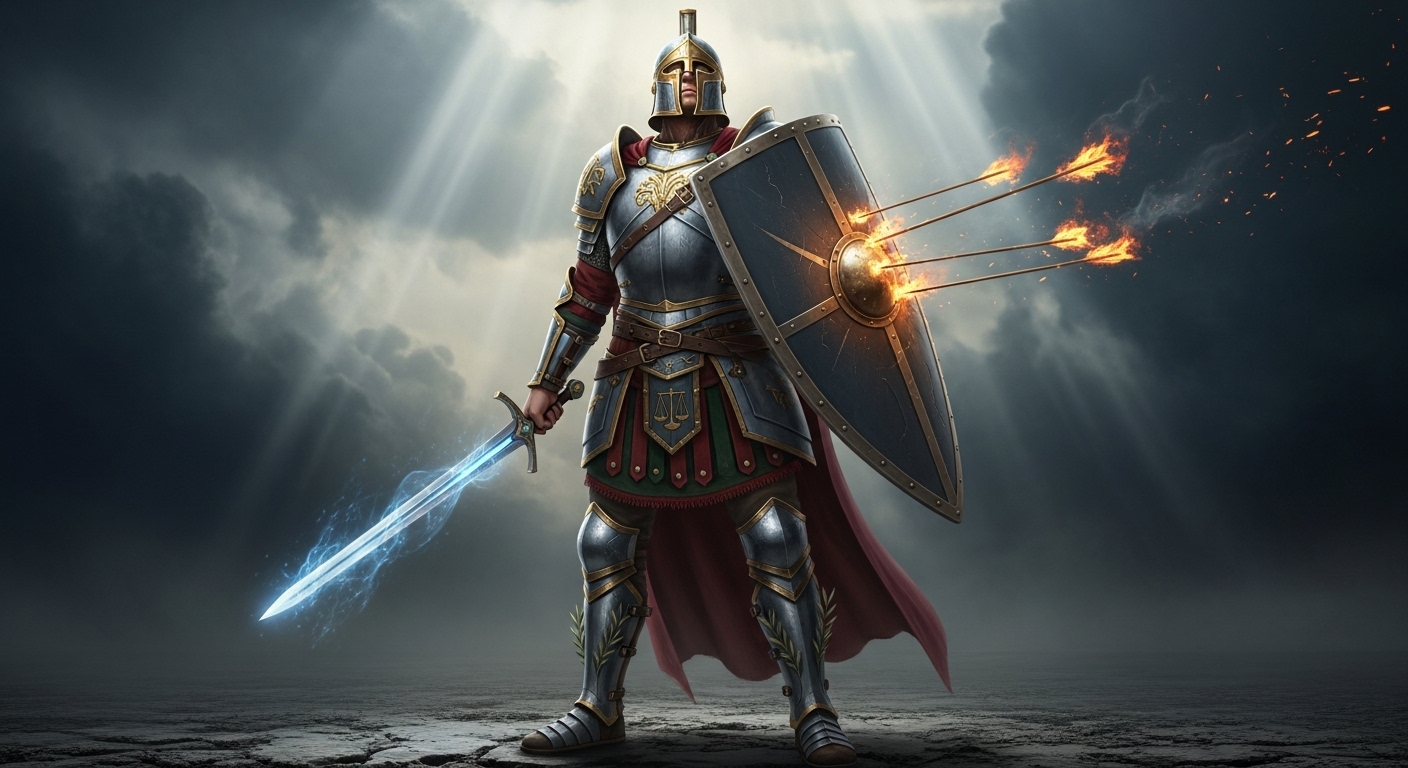
What is the key message of the passage? Paul wants you to recognize that your struggle isn’t primarily against people or institutions but against spiritual forces. He gives you spiritual equipment—metaphors drawn from the Roman soldier—to help you stand firm. The point is not fear, but preparedness: God supplies the means to resist and persevere.
What Does This Verse Really Mean?
When you go beneath the surface of Paul’s metaphor, the Armor of God reveals a theology of grace, identity, and spiritual practice. Each piece points to a spiritual reality you can put on and live by.
1. Understanding the Message of the Verse
At the core, Paul is telling you two things: (1) spiritual life involves conflict, and (2) God provides the resources you need to endure that conflict. The armor is not a checklist of works but a description of virtues and truths God gives and expects you to rely on. The imagery of standing—standing firm, standing your ground—indicates perseverance, vigilance, and a posture of faithful resistance rather than aggressive conquest.
2. Trusting God’s Wisdom and Guidance
This passage anchors your trust in God’s power rather than your own. Paul begins with, “Be strong in the Lord and in his mighty power,” which reframes strength as a relational quality—something you receive through union with Christ, prayer, Scripture, and the Spirit’s work. The armor pieces are not magic talismans; they are invitations to trust God’s wisdom, to adopt Christlike character, and to use the means God gives (truth, righteousness, faith, salvation, Scripture, prayer) to navigate spiritual realities.
3. Living Out This Truth in Everyday Life
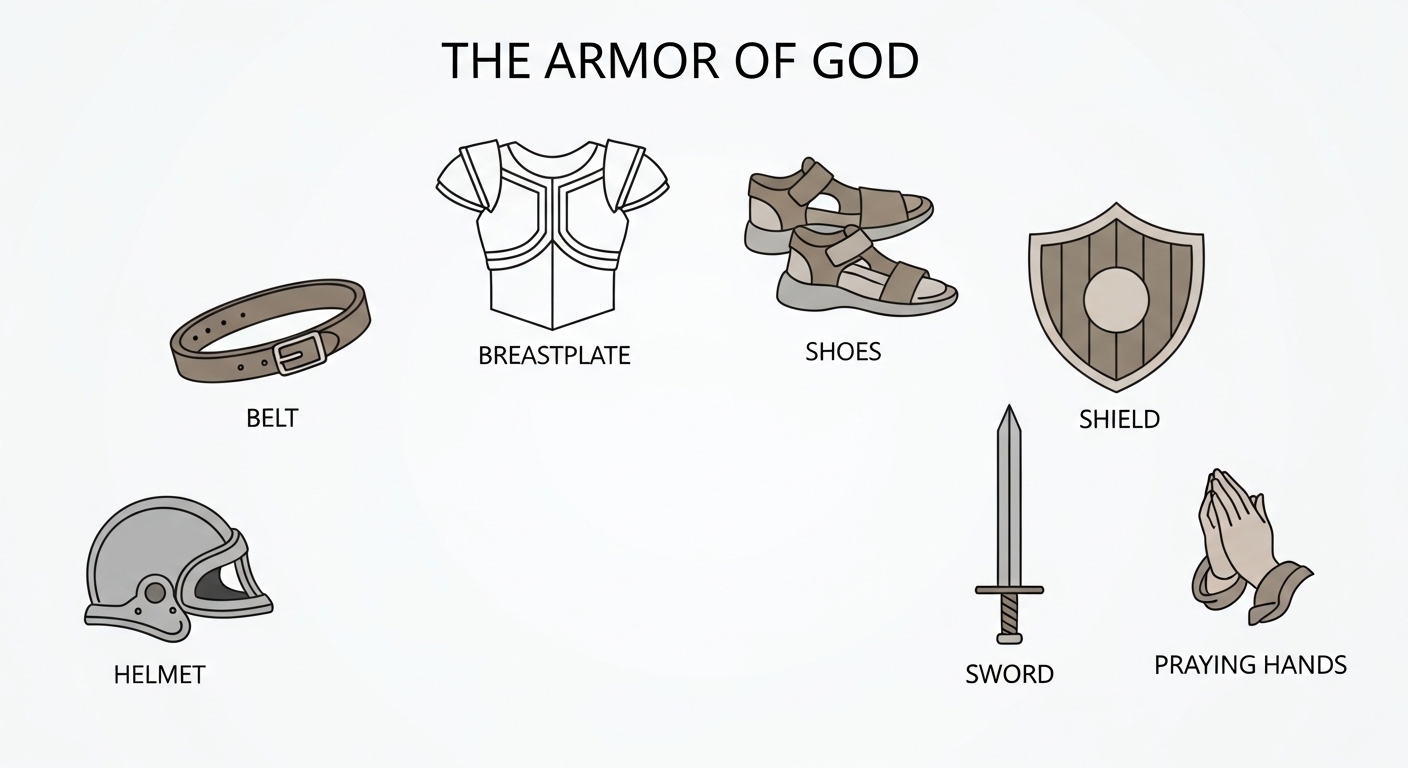
The implications are practical: when you face temptation, doubts, relational conflict, or cultural coercion, think of the belt of truth and the breastplate of righteousness. When fear or despair comes, remember the helmet of salvation; when you need to move with Gospel readiness, lace your shoes; when you’re under attack, raise the shield of faith; when confusion or lies tempt you, wield the sword of the Spirit. Living out this truth means daily disciplines—Scripture, prayer, community, repentance, and acts of love—that shape you into someone who can stand.
The Armor Piece Explained
Now you’ll look at each piece individually—what Paul meant by it, where it connects to other Scripture, and how you can put it into everyday life.
The Belt of Truth
Paul’s image of a belt echoes the Roman soldier whose belt secured his tunic and weapons. Spiritually, the belt of truth represents the foundational commitment to God’s truth—knowing, believing, and living by God’s Word and the truth of who you are in Christ. Truth holds everything together: identity, integrity, and coherence for action.
To put on the belt of truth, you practice honesty with God and others, deepen your grasp of Scripture, and reject the lies that try to redefine you. When lies of shame or fear pull you off balance, the belt keeps you steady.
The Breastplate of Righteousness
The breastplate protects vital organs. The breastplate of righteousness stands for the righteousness that comes from God—both imputed (Christ’s righteousness credited to you) and progressive (the growing righteousness you live out). It’s about moral integrity and a secure standing before God.
Putting on the breastplate means living in a manner consistent with your declared identity in Jesus: pursue justice, repent quickly, and let holiness shape your choices. You don’t earn salvation by wearing this breastplate; you wear it because salvation has been given.
Shoes of the Readiness of the Gospel of Peace
Soldiers needed sturdy footwear to march and fight. Paul’s shoes remind you that you are called to move—to carry the good news and to stand ready to act in peacemaking. The gospel gives you stability and purpose: it grounds you in peace with God and with others.
To lace up these shoes, cultivate a posture of readiness—learn the Gospel story so you can share it, practice peacemaking, and live with a feet-on-the-ground humility that shows the world the peace Christ brings.
The Shield of Faith
Roman shields could be large and protective; Paul’s image emphasizes faith as a collective and individual defense that extinguishes the flaming darts of the evil one. Faith is trusting God’s promises so completely that attacks cannot topple you.
You raise the shield of faith through repeated acts of trust: praying for the impossible, stepping into service, forgiving when it hurts. Faith is active trust—responding to God’s Word with obedience even when outcomes are uncertain.
The Helmet of Salvation
The helmet protects the head—the seat of identity and thought. The helmet of salvation reassures you of your secure standing in Christ and reorients your thoughts around hope. When you’re tempted to despair or to believe lies about your future, the helmet protects your mind.
Wear this helmet by reminding yourself regularly of what salvation means: forgiveness, reconciliation, and a living hope. Recite truth, memorize promises, and practice gratitude to guard your mind.
The Sword of the Spirit — The Word of God
Weapons in the Roman arsenal included the gladius (short sword). Paul names the Word of God as the offensive weapon—Scripture not only defends but also pierces and exposes falsehood. The Word equips you to respond to deception and to proclaim truth.
You wield the sword by knowing Scripture well enough to apply it in the moment. Read, meditate, and memorize passages that address your heart’s tendencies. Use Scripture in prayer and conversation to both fight error and bring healing.
Prayer — The Unseen Thread
Although not described as a piece of armor, Paul explicitly includes persistent prayer as integral to the whole strategy. Prayer is the communication and dependence that keeps every piece functioning. It’s how you ask for strength, put on the armor, and maintain readiness.
Practice prayer consistently: personal, intercessory, and corporate prayer keep you connected to the One whose power makes the armor effective.
Why This Verse Still Matters Today
This passage matters because the spiritual realities Paul addresses haven’t disappeared. Your world has different technology and cultural terms, but the challenges—fear, deceit, spiritual emptiness, moral confusion—persist. The Armor of God gives you an enduring framework for spiritual resilience.
Faith During Uncertainty
When your future feels shaky, the helmet of salvation and shield of faith give mental and spiritual steadiness. Paul’s message is that you don’t have to manufacture courage; you wear truths God supplies.
Trusting God in Difficult Seasons
The armor reframes trials as arenas where God’s power works through your trust. Instead of thinking safety equals absence of struggle, you can view trials as opportunities for spiritual growth as you rely on God’s provision.
Spiritual Growth
Putting on the armor isn’t a one-time act; it’s an ongoing formation process. Each piece points to disciplines and virtues that help you grow in holiness and maturity.
Encouragement from Scripture
Ephesians 6:10–18 gives you concrete imagery that makes abstract spiritual concepts tangible. That concreteness helps you remember and practice spiritual disciplines when life is messy.
How to Apply This Verse in Your Life
Below are practical steps you can take to integrate Paul’s teaching into daily rhythms so that the armor becomes your lived reality rather than a distant metaphor.
1. Reflect on God’s Word Daily
Make Scripture a daily habit. Even short readings can recalibrate your thoughts and strengthen your spiritual reflexes. As you read, ask what truth you need today and which piece of the armor is most relevant.
Daily reflection helps the belt of truth and the sword of the Spirit become second nature, so you can respond to life from God’s perspective.
2. Pray for Wisdom and Guidance
Pray intentionally for the strength to put on each piece. Ask God to reveal lies you believe, to cultivate righteousness in your heart, and to deepen your faith. Prayer also aligns you with God’s will so you don’t try to fight in your own strength.
When you pray, be persistent and honest—bring your hurts, fears, and hopes to God. Prayer fuels the whole armor.
3. Trust God Even When Life Feels Uncertain
Faith is a muscle you build by exercising it. Step out in small acts of trust—speak kind truth to someone, give generously, forgive—and watch how your confidence in God grows. Those acts are the active raising of your shield.
Trust doesn’t remove trials, but it changes how you face them: with courage rooted in God, not in yourself.
4. Live Out Your Faith Through Action
Obedience is the visible result of wearing the armor. Help a neighbor, stand for fairness at work, choose honesty when it’s costly—these actions embody the breastplate of righteousness and the shoes of peace. Your life becomes a testimony to the Gospel’s power.
Actions aren’t a way to earn God’s favor; they’re the natural outworking of a heart transformed by grace.

Common Misunderstandings About This Verse
Even faithful readers can misinterpret Paul’s metaphor. Clarifying common mistakes helps you use the passage correctly.
- Taking the verse out of context: Some treat the armor as a literal call to spiritual escapism or as a private checklist of piety. Paul intends communal, gospel-centered strength, not isolation or self-reliance.
- Misunderstanding the promise: The armor doesn’t promise a trouble-free life; it promises resources to stand amid battles. Expect opposition but also God’s sustaining presence.
- Applying the verse incorrectly: Using the armor language to justify passivity (e.g., never taking responsible action) misses the fact that Paul’s images require active engagement—faith that acts, truth that is spoken, righteousness that is lived.
Recognizing these mistakes keeps you anchored to Paul’s pastoral heart: equipping the church to stand in the living realities of God’s grace.
Bible Verses Related to This Passage
Here are supporting Scriptures that connect to the imagery and themes of Ephesians 6:10–18 and help you deepen your understanding.
- Proverbs 3:5–6 — These verses call you to trust the Lord with all your heart, which aligns with the shield of faith and the belt of truth, directing your paths by God’s wisdom rather than your own.
- Romans 8:28 — This promise that God works all things for your good bolsters the helmet of salvation and encourages you to stand firm in hope during suffering.
- Hebrews 11:1 — Faith’s definition as assurance of things hoped for complements Paul’s depiction of faith as the shield that quells the enemy’s attacks.
- Psalm 37:5 — Committing your way to the Lord links to the readiness of the gospel and living righteously, trusting God’s direction rather than wrestling for control.
Each of these passages reinforces that the Christian life is a trusting, active response to God’s promises, supported by the spiritual resources He provides.
Frequently Asked Questions About This Verse
These questions address common searches and help you apply the passage clearly.
What does this verse mean in simple terms?
In simple language, Paul tells believers to depend on God’s strength and to use spiritual tools—truth, righteousness, the gospel, faith, salvation, Scripture, and prayer—to stand firm against spiritual opposition.
Who wrote this verse in the Bible?
The Apostle Paul wrote the letter to the Ephesians while imprisoned, addressing churches in Asia Minor to encourage unity, faithfulness, and maturity.
What is the main message of this verse?
The main message is that your struggle is spiritual, and God has provided the means for you to stand—so rely on Him, practice the spiritual disciplines He prescribes, and stay alert and prayerful.
How should Christians apply this verse today?
Apply it by cultivating daily habits—Bible reading, prayer, worship, confession, community—and by actively trusting and obeying God in everyday decisions. Wear the armor by living the virtues Paul describes.
A Short Prayer Inspired by This Verse
Heavenly Father,
Thank You for the wisdom and truth found in Your Word. Help me understand and live out the message of this passage each day. Put on me the belt of truth and the breastplate of righteousness. Help my feet to be ready with the gospel of peace, and let my faith be a shield that extinguishes all doubts and fears. Guard my mind with the helmet of salvation and guide my tongue with the sword of the Spirit. Teach me to pray persistently and to rely on Your power, not my own. Strengthen my faith, guide my steps, and teach me to trust You more deeply in every season of life.
In Jesus’ name, Amen.
Explore Related Bible Lessons
Other Bible Character Stories
• Life Lessons From Esther: Courage and Trusting God’s Purpose → Explore Esther’s Story
• Life Lessons From Hannah: Faith, Prayer, and Trusting God’s Timing → Explore Hannah’s Story
• Life Lessons From Mary, Mother of Jesus: Humility and Obedience to God’s Plan → Explore Mary’s Story
Featured Lesson
• Prayer Practices: A Biblical Guide To Deepening Your Prayer Life → Learn How
Hub Collection
• Life Lessons From Bible Characters: 31 Powerful Examples of Faith and Obedience → Read the Full Collection
Studying the life of Ruth alongside leaders like Esther and Naomi helps you see how God works through different people in different seasons. Ruth’s story connects with theirs through themes of faith, obedience, trust, and perseverance—showing you that God’s purposes unfold when ordinary people respond with faithful hearts. Explore these stories to grow in courage, loyalty, and trust in God’s unfolding plan.
 Continue Growing in Your Faith
If this study of Bible characters encouraged your heart, keep growing with these powerful biblical teachings and devotionals:
• The 9 Fruits of the Spirit Explained (Galatians 5:22–23)
• 10 Biblical Promises of God That Bring Hop
• 12 Daily Christian Habits to Strengthen Your Walk With God
• 7 Daily Prayers for Peace of Mind and Heart – Philippians 4:6–7
• Lessons from Gideon – Trusting God Beyond Our Fear
• Lessons from Joseph – Trusting God’s Promises Beyond Our Lifetime
 These articles will help you continue exploring God’s Word, grow in faith, and apply biblical truths to your life today.
Final Thoughts
The Armor of God is more than a collection of metaphors; it’s a roadmap for spiritual resilience. When you take time to understand Scripture in its original context and then apply it thoughtfully, you discover practical wisdom that shapes your thoughts, speech, and actions. You aren’t called to wear the armor alone—this is a communal, God-powered way of life where Scripture, prayer, faith, and gospel living form a whole. May these truths encourage you to stand firm, to love boldly, and to trust deeply in the One who equips you.
 Recommended Christian Reading
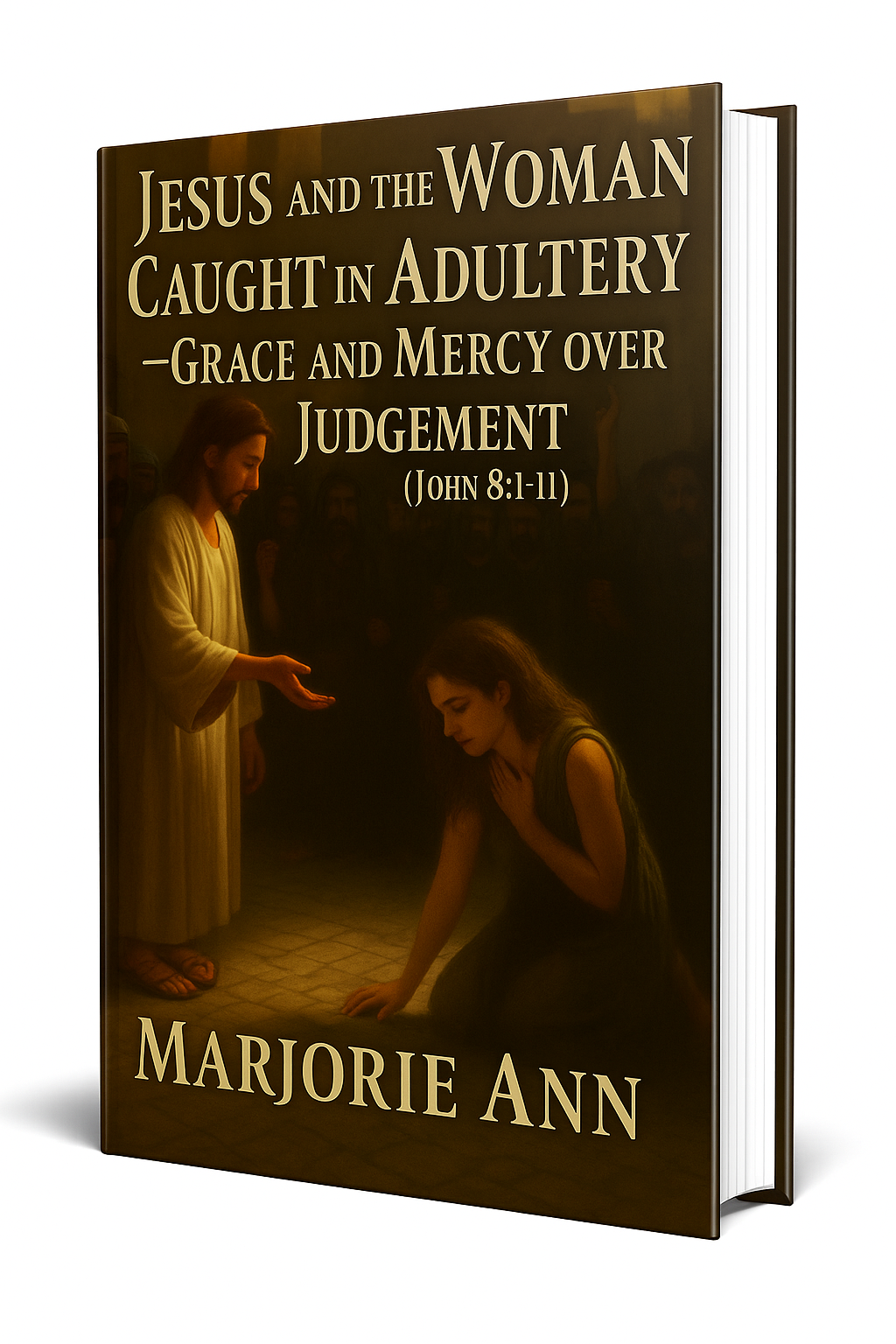
Jesus and the Woman Caught in Adultery — Grace and Mercy Over Judgment
A powerful retelling of the Gospel of John 8:1–11, exploring forgiveness, mercy, and Christ’s compassion.
If you’re reflecting on spiritual growth and obedience, this story will remind you that transformation begins with grace.

Sponsored recommendation

Acknowledgment: All Bible verses referenced in this article were accessed via Bible Gateway (or Bible Hub).
“Want to explore more? Check out our latest post on Why Jesus? and discover the life-changing truth of the Gospel!”