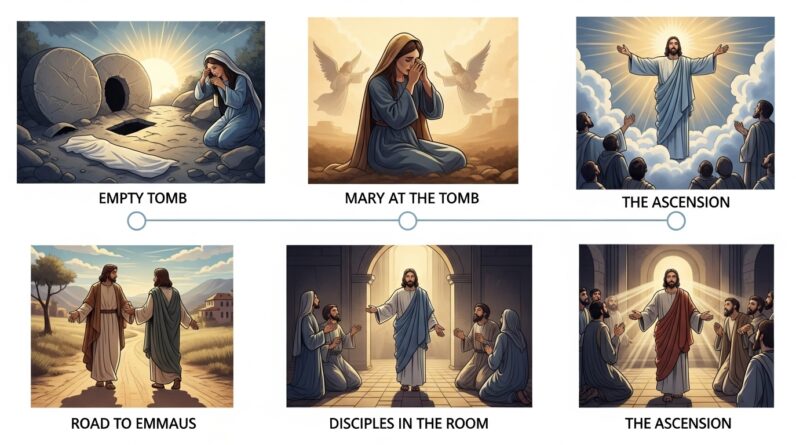



The resurrection of Jesus is more than a historical footnote or a doctrinal line in a creed. It’s a life-changing reality that reaches into your everyday decisions, your deepest fears, your hopes for tomorrow, and the way you relate to others. You don’t just remember the resurrection; you are invited to live in the light of it. This article will help you see how that reality reshapes who you are, how you live, and how you hope.
Quick Answer
The resurrection means that Jesus is alive, sin and death have been decisively defeated, and you can live with renewed identity, purpose, and hope. When you embrace the resurrection, you’re offered new life now and the assurance of eternal life to come. This truth changes your present patterns, strengthens you in suffering, and reorients your relationships and mission.
Key Bible Verse
A verse that captures this and points toward practical living is Romans 6:4: “Just as Christ was raised from the dead… we too may live a new life.” That short sentence ties the resurrection to daily transformation. It says the resurrection is not merely what happened to Jesus; it is the basis for what can happen in you.

Clear Explanation
Below are the core, life-impacting truths the resurrection brings. Each is explained so you can see how it matters to your daily life.
1. Victory Over Sin and Death
The resurrection demonstrates that sin and death are not the final authorities over you. When Jesus rose, the power of sin and the sting of death were confronted and broken. Scripture spells this out: Jesus’ rising means that, in him, death no longer has the last word (1 Corinthians 15:54-57; Romans 6:9). That reality gives you a profound freedom. When you sin or when you face loss, you’re not defined by those failures or that finality. The resurrection rewrites your ending.
This truth also changes the way you respond to fear. If death is not the end, your choices in life begin to reflect priorities that outlast temporal comforts. The resurrection assures you that the deepest problems—guilt, shame, alienation, and death—have been addressed by God’s decisive act.
2. New Life Begins for You
The resurrection is an invitation to begin again. Scripture says that because Christ was raised, you can “live a new life” (Romans 6:4). That means your identity is not permanently stuck in past mistakes, labels, or wounds. You are invited into a new way of being that grows out of Christ’s life.
Practically, this means you can make different choices. It means habits that felt inevitable can be changed, relationships can be repaired, and your sense of purpose can be recalibrated. The apostle Paul describes this as becoming “a new creation” in Christ (2 Corinthians 5:17). You are offered a fresh start, not because you earn it, but because new life has been given to you.

3. Living Hope in the Midst of Hardship
The resurrection gives you a hope that anchors you in suffering. It’s not wishful thinking; it’s a living hope grounded in Jesus’ rising from the dead. Peter calls it “a living hope” because it is both present and ongoing (1 Peter 1:3). When you face disappointment, grief, or uncertainty, that hope steadies you.
This hope also means confidence in God’s promises. You don’t hope in abstractions but in a person who overcame the final enemy—death—and who promises to be with you. The Spirit given to believers, the Scripture says, is the same Spirit that raised Jesus and now lives in you to give life (Romans 8:11). That fact gives hope a practical edge: you are not left to muster courage on your own.
How the Resurrection Shapes Your Identity
Your sense of who you are is deeply affected by the resurrection. When Jesus rose, he inaugurated a new creation. That new creation includes you. Your identity is no longer rooted primarily in success, failure, ethnicity, class, or role. Instead, you are rooted in Christ.
When you see yourself as someone who bears the image of a living Savior, your priorities shift. You begin to dress your days with values that reflect that belonging: mercy instead of judgment, generosity instead of hoarding, service instead of self-centeredness. The resurrection offers you an identity that is secure yet dynamic—secure because it’s grounded in Christ’s victory, dynamic because it calls you into ongoing transformation.
This identity is not theoretical. The New Testament writers repeatedly connect resurrection with transformation. Paul wanted to know Christ “and the power of his resurrection” and the fellowship of sharing in his sufferings, becoming like him in his death, so that somehow you might attain to the resurrection from the dead (Philippians 3:10-11). That desire to know resurrection power is a call for your life to be shaped by risen life.
Resurrection and Daily Living: Practical Implications
The resurrection affects your day-to-day life in ways that are practical and transformative. Here are the main areas where you’ll notice the difference.
Spiritual Formation and Habits
Because you’re invited into new life, spiritual disciplines aren’t just rituals; they’re practices that cultivate resurrection life. Prayer, study of Scripture, worship, and community are means through which the new life of Christ shapes your heart and mind. These practices don’t earn salvation; they train you to live out the life you already have in Christ.
You’ll find that disciplines become less about duty and more about entering into the reality of the resurrected life. When you pray, you pray to a living Savior. When you read Scripture, you are encountering the word of the risen Lord who speaks life.
Moral Choice and Growth
The resurrection empowers ethical growth. Because the final verdict over sin has been dealt with, you can pursue holiness not out of fear of condemnation but out of gratitude and new desire. The apostle Paul connects resurrection to death to sin and to a walk of righteousness (Romans 6:4). You are invited to reckon yourself dead to sin and alive to God—and then live accordingly.
This doesn’t mean you won’t stumble. It does mean you can repent, be restored, and continue forward with hope. The dynamic of falling and being restored is part of the new life’s learning curve.
Relationships and Community
Resurrection life changes how you relate to others: you’re tempted less toward domination and more toward service. The early church lived out a contagious hope that shaped community life, care for the poor, and radical generosity. When you live out resurrection truth, your relationships reflect forgiveness, reconciliation, and sacrificial love.
Belonging to a community that believes in the resurrection gives you resources to grow. You’re not meant to embody this life in isolation. The church is a place where the reality of the resurrection is lived, demonstrated, and passed on to others.
Resurrection and Suffering: A Different Lens
One of the most common objections you may face is: if God is good, why suffering? The resurrection reframes suffering. It doesn’t automatically remove pain from your life, but it gives your suffering purpose and hope. Jesus himself passed through suffering to the resurrection. Scripture teaches that suffering can produce perseverance and hope, and that God is at work even in hardship.
Because Jesus was raised, suffering does not ultimately signify abandonment by God. It’s woven into a larger story that moves toward redemption. Paul insists that nothing can separate you from the love of God in Christ Jesus—not trouble, hardship, persecution, famine, or sword (Romans 8:38-39). That is a lifeline when you face deep pain. You can endure with the assurance that your present troubles are temporary in light of the resurrection’s promise.

Resurrection and Death: Comfort for Grief
If you’ve lost someone you love, the resurrection matters profoundly. Jesus told Martha that he is “the resurrection and the life” (John 11:25). Because he rose, death does not have the final claim over the loved ones you grieve. The New Testament writers encourage grieving people with the hope of reunion and the assurance that Christ’s resurrection is the guarantee of your resurrection too (1 Thessalonians 4:13-14).
This doesn’t erase pain, but it gives grief a new posture. You can grieve honestly while holding on to the promise that the story doesn’t end in loss. The resurrection gives you the vocabulary and the confidence to mourn with hope.
Resurrection and Christian Worship: Memory and Presence
Worship in the Christian tradition is anchored in memory and anticipation. The Lord’s Supper, for instance, is a practice that remembers Jesus’ death and proclaims his resurrection until he comes (1 Corinthians 11:23-26). When you participate in practices like communion and baptism, you’re acting out the meaning of the resurrection: death-to-life transition, forgiveness, and the promise of Christ’s return.
These practices are more than symbolic; they are formative. They shape your imagination. They help you to embody the reality of the risen Christ—his body, his story, and his future—so you begin to live out that story in your neighborhood, workplace, and relationships.
Resurrection and Mission: Your Purpose Deepens
The resurrection shapes not just who you are but what you’re for. Because Jesus lives, the mission of his followers continues. You’re called to bear witness to his life by living differently and by inviting others into the hope you possess. Acts 2 shows the early church bearing witness to the risen Christ and forming communities marked by generosity, prayer, and proclamation (Acts 2:24 in broader context).
Your mission can be expressed in many ways: loving neighbors, seeking justice, caring for the poor, teaching children, mentoring younger believers, speaking truth with gentleness, and living a consistent ethic that reflects resurrection life. Mission flows out of identity: because you belong to the living Christ, you’re sent to be his hands and feet in a world that desperately needs resurrection hope.
Ethical and Social Implications
The logic of resurrection puts an emphatic weight on human dignity and the sanctity of life. If God intends to redeem and renew creation, then your actions toward people and the world matter eternally. This means pursuing justice, caring for creation, and honoring the dignity of every person are gospel imperatives, not optional extras.
Resurrection hope also calls you to resist despair-driven cynicism. You remain committed to restorative practices and institutions, even amid setbacks, because you believe in God’s power to bring life from death. This sustains long-term efforts to alleviate poverty, fight oppression, and cultivate flourishing wherever you can.
Obstacles to Living in the Resurrection
Even with these truths, you’ll face obstacles. Doubt, cynicism, shame, and entrenched habits can keep you from experiencing resurrection life. Fear of change or the discomfort of repentance may hold you back. Sometimes, personal identity is so wrapped up in past success or failure that the invitation to new life feels threatening.
To overcome these obstacles, you need both truth and grace. Truth reorients your mind—renewing your thinking by Scripture and testimony. Grace heals your heart—understanding that God meets you in your brokenness, not only in your polished piety. Community plays a key role here: you need people who will remind you of resurrection realities and encourage you in the messy work of transformation.
Practical Steps to Live the Resurrection
You don’t have to wait for a dramatic moment to start living differently. Here are practical, concrete steps to help the resurrection shape your life now:
- Accept the reality: Affirm that Christ is risen and that his life is for you. This can be a personal affirmation and a daily practice.
- Remember often: Use practices like the Lord’s Supper, baptismal reflection, Scripture reading, and worship to rehearse resurrection truth.
- Repent and receive grace: When you fail, confess, turn, and accept God’s forgiveness. That’s part of resurrection living.
- Build spiritual habits: Prayer, Scripture, sabbath-rest, and community are the means God uses to cultivate new life.
- Serve others: Look for small, daily ways to bear resurrection life in your relationships and neighborhood.
- Cultivate hope: Intentionally renew your mind with promises from Scripture and testimonies of God’s faithfulness.
- Engage your community: Don’t do this alone. Join a local church or small group that believes and lives out resurrection realities.
- Persevere in suffering: Anchor your story in the long view that the resurrection gives you, trusting that God is at work in hardship.
These steps are not a checklist to earn favor; they’re pathways into the life you’ve already been given.

Questions for Personal Reflection
Reflection helps you internalize resurrection truths and see where change is needed. Ask yourself:
- Do you live as if the resurrection is true in everyday decisions?
- What parts of your life still feel captive to fear, shame, or past failure?
- Where do you need to practice forgiveness or receive it from others?
- In what ways can you be a sign of resurrection in your family, workplace, and community?
- How does the reality of Christ’s rising shape your priorities and long-term plans?
Spend time journaling or discussing these questions with someone you trust. Honest reflection is fertile ground for change.
Quick Reflection
Living in light of the resurrection is an ongoing journey. It asks you to be honest about your obstacles, persistent in spiritual disciplines, and generous to others. When you ask, “Am I living like the resurrection is real?” you open the door for transformation. Small choices made consistently will grow into a life that radiates the hope and power of the risen Christ.
 Internal Resources to Explore
If you want to keep learning, consider reading more on these topics:
 Main Hub
 The Meaning of the Resurrection of Jesus Christ (Biblical Truth + Life Application)
Go deeper
- Resurrection Power in Daily Living
- Bible Verses About the Resurrection
These resources can help you move from head knowledge to heart transformation.
Final Encouragement and Assurance
You are invited into a story that begins with an empty tomb and extends into your life. The resurrection is not a past event locked in history; it is a living power that changes how you see yourself, how you endure suffering, how you practice love, and how you hope for the future. As the apostle Paul puts it, if Christ has not been raised, our faith is in vain—but Christ has been raised, and that changes everything (1 Corinthians 15:20-22). Walk forward with courage—your life matters in light of the risen Lord.
Short Prayer
Lord, help me live in the truth and power of the resurrection every day. Amen.
You might also pray: Father, remind me daily that death is not the final word. Shape my decisions, equip me for service, and help me reflect the hope I have in Christ’s rising. Amen.
Sponsored recommendation

Acknowledgment: All Bible verses referenced in this article were accessed via Bible Gateway (or Bible Hub).
“Want to explore more? Check out our latest post on Why Jesus? and discover the life-changing truth of the Gospel!”