

What Does The Bible Say About The Final Judgment? (Revelation 20:11–15)
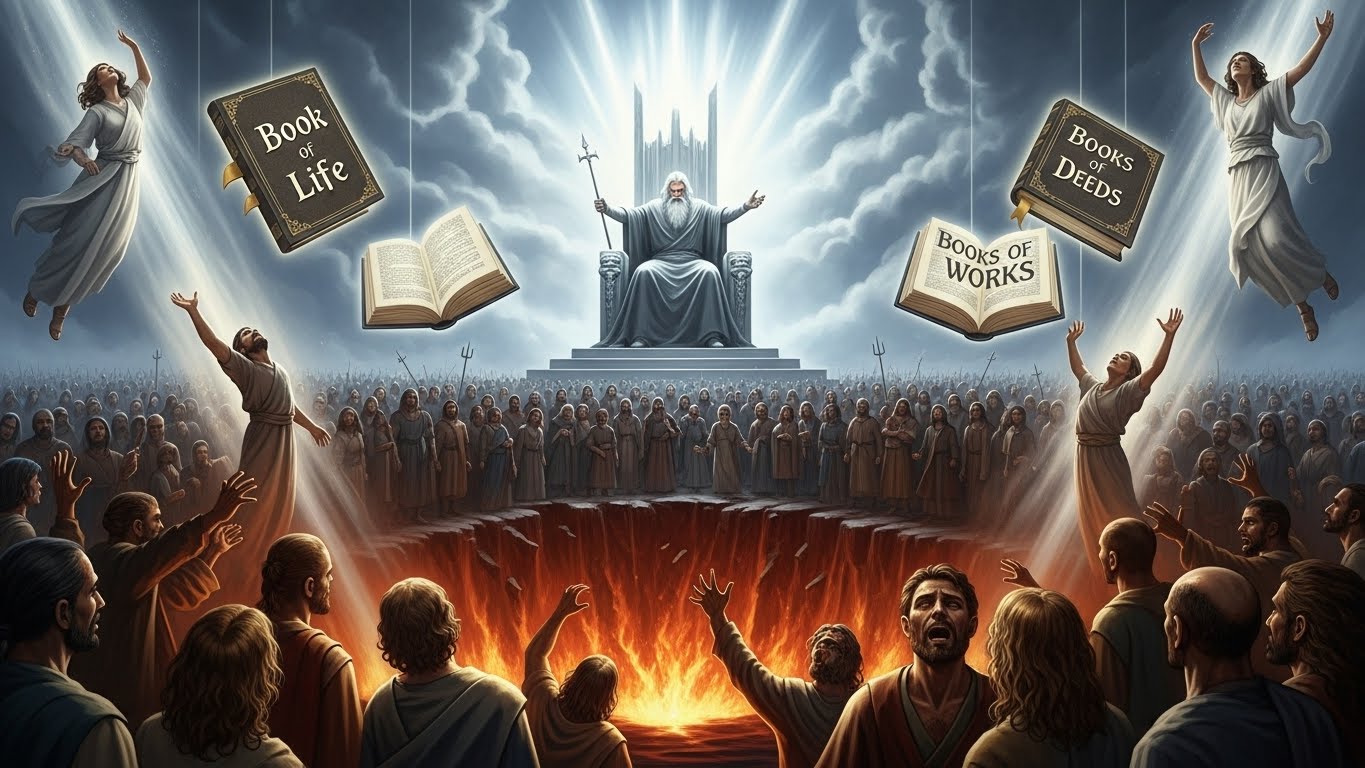
You’ve probably wondered what comes at the end of history. Maybe you’ve felt curious, uneasy, or even hopeful when you’ve read about Judgment Day. Revelation 20:11–15 paints one of the clearest pictures in Scripture of the final judgment — a scene of God’s justice, mercy, and the ultimate sorting of history. In this article, you’ll walk through the passage, see what the Bible says, and learn how this truth can shape your life now.
1. Introduction
Have you ever sat in church or read a Bible passage and felt a knot of questions form in your chest? What will happen at the end of time? Will things be fair? Will everyone get what they deserve? Revelation 20:11-15 is one of the Bible’s most famous descriptions of the final judgment, and it matters because it helps you understand God’s character — His justice, holiness, and the gravity of human choices.
You don’t have to be a theologian to get something meaningful out of this passage. You just need curiosity and a willingness to let Scripture speak plainly. Over the next sections, you’ll see what the Bible says, how to interpret it carefully, and practical ways it can change how you live today.
👉 “The scene of the final judgment reveals the seriousness of eternal accountability, urging us to understand the biblical meaning behind terms Jesus used to describe judgment.”
➡️ Learn more in What Is Gehenna in the Bible? (Matthew 5:22, Mark 9:43)
📖 Bible Passage (Primary) Revelation 20:11-15 (NIV) — “Then I saw a great white throne and him who was seated on it. The earth and the heavens fled from his presence, and there was no place for them. And I saw the dead, great and small, standing before the throne, and books were opened. Another book was opened, which is the book of life. The dead were judged according to what they had done as recorded in the books. The sea gave up the dead that were in it, and death and Hades gave up the dead that were in them, and each person was judged according to what they had done. Then death and Hades were thrown into the lake of fire. The lake of fire is the second death. Anyone whose name was not found written in the book of life was thrown into the lake of fire.”
2. The Bible Foundation
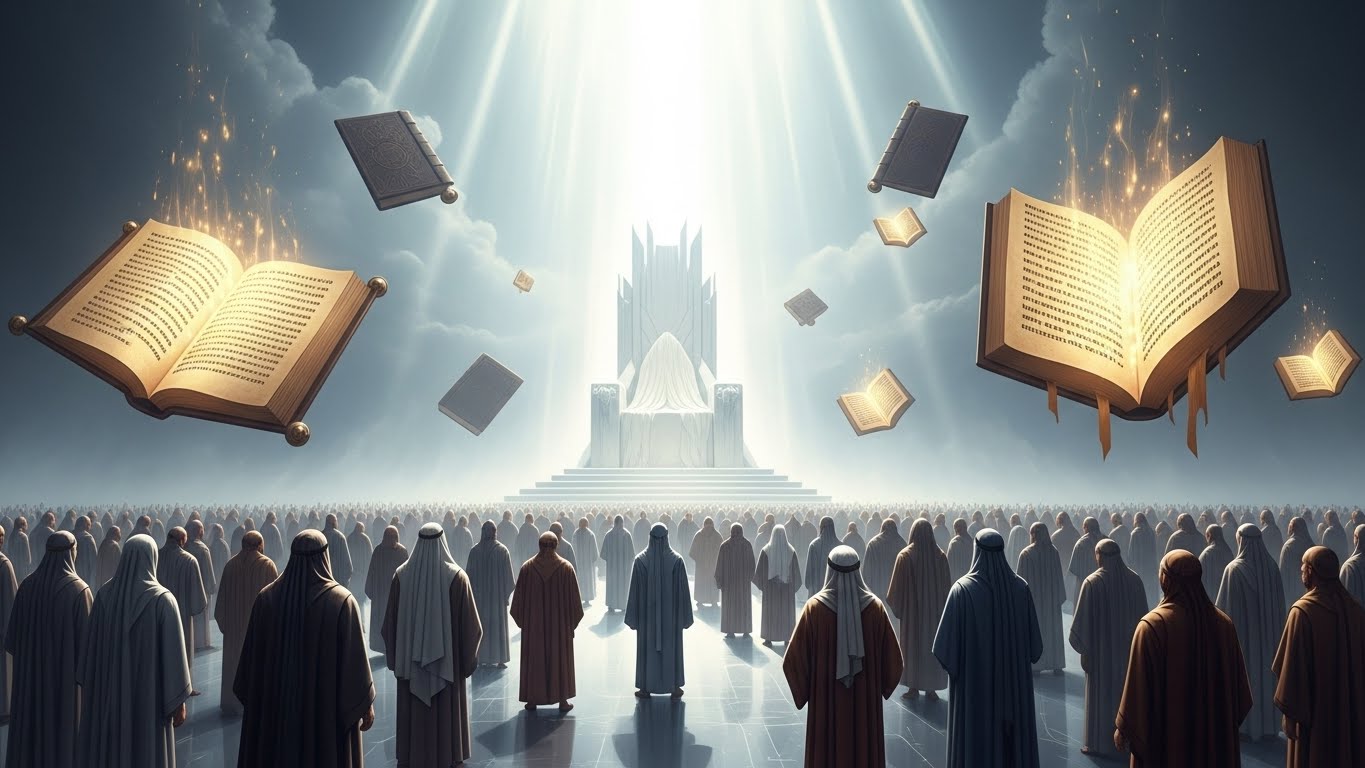
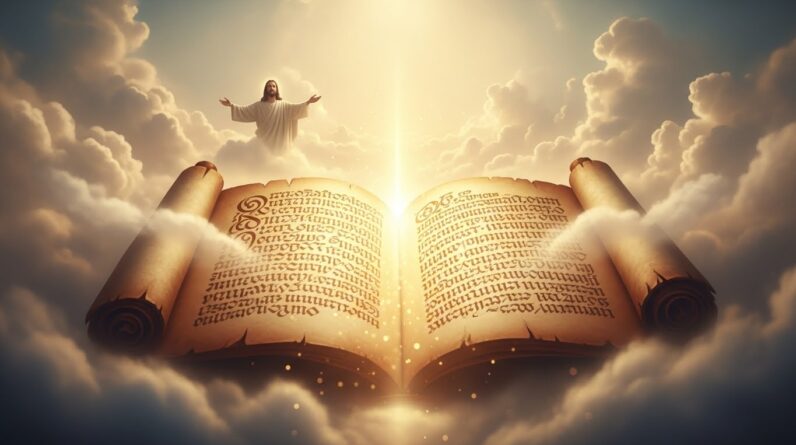
Let’s look slowly at the text you just read. The imagery is bold and weighty: a “great white throne,” books opened, the “book of life,” and the final verdict that separates those whose names are in that book from those who are not. This scene summarizes God’s closing act in history — the setting right of every wrong and the final unveiling of destiny.
The throne imagery communicates authority and moral clarity. The opened books indicate that actions and words are noticed and recorded. The “book of life” points to a relationship — a list of those who belong to God. The final sentence — being thrown into the lake of fire — is stark, emphasizing the seriousness of rejecting God.
To understand this fully, it helps to read other passages that echo the same themes. For example, Hebrews 9:27 says, “Just as people are destined to die once, and after that to face judgment”. Jesus’ teaching in Matthew 25:31-46 also speaks of a final separation based on how people lived and treated others.
3. Understanding the Core Truth
At its heart, Revelation 20:11-15 teaches that history has an end, and at that end God will judge all people impartially. This is not just a cosmic event; it reveals who God is — holy, just, and sovereign — and shows that human choices matter. Judgment isn’t merely punitive; it’s the final act of setting things right.
You should understand three core truths from this passage: (1) God holds authority and moral right to judge, (2) human lives and choices are meaningful and noticed, and (3) ultimate destiny is tied to whether a person is known by God, represented by the “book of life.” These ideas shape both awe and pastoral comfort — awe at God’s righteousness and comfort that justice will be done.
👉 “As Scripture describes the judgment of every soul, it also invites us to discern truth from myth about the spiritual realm and unseen beings…”
➡️ Learn more in What Does the Bible Say About Ghosts and Spirits? (Luke 24:39)
4. Going Deeper — The Hidden Meaning
When you look beneath the surface, Revelation 20:11-15 is less a cold legal document and more a revelation of God’s love turned fully toward righteousness. Consider the “books” imagery: they show transparency. Nothing is hidden. That might feel scary, but it also promises accountability and ultimately cleansing. The “book of life” isn’t just a registry; it’s a testimony of a relationship with God through Christ.
A helpful example is the parable of the sheep and goats (Matthew 25:31-46). In that story, Jesus links eternal destiny with concrete compassion shown to others — feeding the hungry, visiting prisoners, welcoming strangers. That doesn’t mean works save you, but it does show that genuine faith bears fruit. Your faith’s authenticity will be visible at the final judgment — not as a way to earn God’s favor, but as evidence of a transformed life.
5. Modern Connection — Relevance Today

So how does this ancient vision matter to your daily rhythms? It gives your choices weight. When you decide whether to be kind, when you choose integrity at work, or when you walk away from selfishness, you’re participating in a story that matters eternally. The final judgment reframes moral decisions: they’re not random acts in a closed loop, but threads woven into God’s final tapestry.
This truth also frees you from relativism. In a culture where “everything is subjective,” the Bible declares there is a final moral reality. That isn’t meant to squash freedom; it’s meant to direct it toward what truly matters. Living with an eternal perspective can fuel courage, generosity, and the pursuit of justice.
👉 “Standing before God’s throne makes it essential to understand how Christ rescues us—because salvation and redemption are central to our eternal standing.”
➡️ Learn more in What Is the Difference Between Salvation and Redemption? (Ephesians 1:7, Colossians 1:14)
6. Practical Application — Living the Message
How do you put this into practice? Here are simple, doable steps you can take this week to live in light of the final judgment:
- Evaluate priorities: Spend 10 minutes reflecting on whether your daily decisions point toward love and mercy.
- Practice accountability: Tell a friend one way you’ll show tangible compassion this week.
- Cultivate spiritual habits: Read Scripture passages about God’s justice and mercy (e.g., Micah 6:8 and Matthew 25).
- Pray for a heart change: Ask God to make your faith visible through acts of service and genuine repentance.
These aren’t legalistic checkboxes; they’re ways to let your faith be lived out. Remember, the final judgment highlights both justice and grace — so you’re invited into transformation, not perfection.

7. 🌿 Faith Reflection Box
Pause for a moment: If Jesus were to ask you, “Why should your name be in the book of life?” what would you say? Let that question sit without rushing into answers. Reflect on your relationship with God and one small step you could take today toward authentic faith.
Key Takeaways
- God’s final judgment is real and reveals His justice, holiness, and love.
- Your choices matter; genuine faith will produce visible, compassionate living.
- The “book of life” points to relationship, not mere moral performance.
- Live today with eternity in view: love, serve, repent, and trust Christ.
8. Q&A
Q1: Who will be judged at the final judgment — everyone or only believers? Answer: The Bible teaches that everyone will stand before God’s judgment. Revelation 20:12 says, “the dead were judged according to what they had done”. Hebrews 9:27 also says people face judgment after death. That judgment includes both believers and unbelievers, but the outcome differs because of a person’s relationship with Christ. For believers, judgment is about rewards and vindication rather than condemnation (see 2 Corinthians 5:10). For those without Christ, Scripture warns of separation from God. Ultimately, judgment reveals and confirms hearts rather than catching God unaware.
Related: The Final Judgment: When Books Are Opened — Revelation 20:12
Q2: What does “the book of life” mean — can a name be removed from it? Answer: The “book of life” symbolizes those who belong to God; it’s a biblical way to describe being known by Him. Revelation 20:15 contrasts the opened books with the book of life (https://www.biblegateway.com/passage/?search=Revelation+20%3A11-15&version=NIV). Several passages mention the book of life (Philippians 4:3; Exodus 32:32-33). Jesus’ teaching and apostolic writings suggest that being written in God’s book is tied to faith in Christ. As to removal, some texts raise questions, but the overarching New Testament assurance is that those in Christ are secure (see John 10:27-29). The heart of the matter is trust in God’s mercy through Christ, responding in repentance and faith.
Q3: Is the “lake of fire” literal or symbolic — should I be afraid? Answer: The “lake of fire” imagery in Revelation is powerful and sobering. Revelation 20:14-15 connects death and Hades being thrown into the lake of fire and describes it as the “second death”. Many interpreters read this as symbolic language representing final and irreversible separation from God. Whether interpreted literally or metaphorically, the passage communicates a serious reality: the consequence of turning away from God is ultimate loss. You don’t need to live in fear if you’ve trusted Christ; instead, let this motivate gratitude, faithful living, and evangelistic compassion for others. Remember Jesus’ invitation to abundant life (John 10:10).
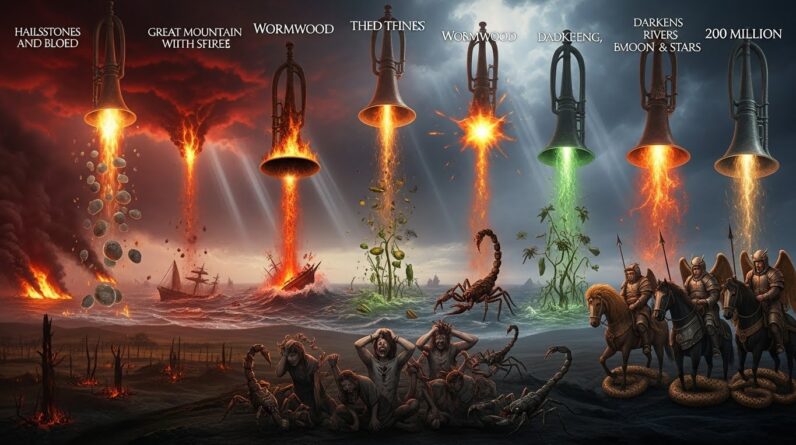
See also: The Seven Bowls Of Wrath: Final Judgments On A Fallen World — Revelation 16:1
9. Conclusion & Reflection
The final judgment scene in Revelation 20:11-15 may seem intense, but its message is intended to awaken you to the seriousness of life and the amazing mercy of God. You’re not left alone to face this truth — Jesus’ life, death, and resurrection are the bridge that allows sinners to be welcomed into God’s presence. This passage calls you to honest humility, courageous faith, and compassionate action.
A short prayer you can say now: Lord Jesus, help me live as someone whose name is written in the book of life. Give me courage to love, justice to act, and humility to repent. Teach me to hold eternity lightly and mercy dearly. Amen.

More Inspiration Awaits — Read These Next
 For deeper insight into Isaiah 40:31 and how it renews your strength in both faith and daily life
For practical lessons on compassion and neighborliness from the Good Samaritan
For a clear explanation of what we can learn from the Parable of the Good Samaritan
For meaningful insights from the Parable of the Pearl and its hidden treasures
For a deeper look at the Rich Man and Lazarus and what it reveals about the afterlife
For guidance on the Parable of the Ten Virgins and preparing for God’s Kingdom
For clarity on the Parable of the Lamp and how it calls us to shine our light
For insights from the Parable of the Wedding Feast and the meaning behind the invited guests
 Jesus and the Woman Caught in Adultery – Grace and Mercy Over Judgement
A powerful retelling of John 8:1-11. This book brings to life the depth of forgiveness, mercy, and God’s unwavering love. Check it now on Amazon 


 “Every great message deserves a home online.”


Don’t let your calling stay hidden. Start a Christian blog or website using Hostinger — with 99.9% uptime, a free domain, and SSL, your voice can shine for God’s glory anytime, anywhere. Begin today. Try it RISK-FREE! 

 “Your body is God’s temple — care for it with purpose.”


Renew your energy and restore balance naturally. Mitolyn helps support a healthy metabolism, giving you the vitality to live out God’s calling with strength and confidence.
Unlock Your Metabolic Power!  Burn More Calories & Feel Great With Mitolyn.
Start Today.  Check Price Now.
As a ClickBank & Amazon Affiliate, I earn from qualifying purchases.
 Acknowledgment: All Bible verses referenced in this article were accessed via Bible Gateway (or Bible Hub).
Want to explore more? Dive into our new post on Why Jesus? and experience the life-changing truth of the Gospel!