



Introduction
There are seasons when your faith feels harder than usual. You may still believe in God, pray sometimes, and want closeness with Him — yet emotionally or spiritually something feels distant, heavy, or flat. You might feel confused, guilty, ashamed, or simply tired of trying.
But spiritual struggle does not always mean spiritual failure.
Throughout Scripture, God’s people experienced silence, weakness, exhaustion, and dryness. This article explores reasons these seasons happen, what they may mean spiritually, and how you can keep seeking God with honesty, endurance, and hope. You’ll find biblical examples, practical next steps, and gentle encouragement to help you move forward without shame.

Why This Experience Happens
Spiritual dryness can feel isolating, but it has causes you can understand and respond to. In this section, you’ll see emotional factors, spiritual dynamics, and biblical examples that normalize the experience instead of turning it into condemnation.
Emotional Causes
Often what you call spiritual dryness starts in the heart and mind. When you’re emotionally depleted — through stress, grief, depression, or prolonged responsibilities — your inner capacity for devotion and delight shrinks. Emotional fatigue narrows your attention and dulls the sense of God’s presence, making prayer feel mechanical or empty.
Emotional burnout steals the energy needed for consistent spiritual rhythms. If you’ve been pouring care into others, juggling life changes, or carrying unresolved anxiety, those burdens will show up as dryness in your faith life. Recognizing the emotional root helps you treat the real need rather than just pressuring yourself to “do more” spiritually.
Spiritual Causes
Spiritually, dryness can be a season of refining, reorientation, or protection. God sometimes allows experiences of drought to remove spiritual shortcuts, expose idols, or refine your dependence. That doesn’t mean God has abandoned you; sometimes He withdraws a sense of immediacy to deepen genuine reliance on Him rather than on feelings.
Other spiritual causes include unresolved sin or relational distance with other believers. Habitual sin can harden your heart and interrupt communion with God, and isolation from a faith community can leave you without encouragement during testing. Finally, there are seasons where God seems silent as He leads you through growth — like a gardener withholding water briefly to strengthen roots.
Biblical Examples
Scripture includes honest portrayals of spiritual dryness so you’re not left thinking faith requires constant emotional fervor. David, in honest longing, cries out, “As the deer pants for streams of water, so my soul pants for you” (Psalm 42:1-2). His poetry reflects both desire and distance.
Elijah experienced exhaustion and despair after his triumph over the prophets of Baal; he fled and asked God to take his life (1 Kings 19:4-8). Yet God met him with rest and food — practical care that addressed his physical and spiritual depletion.
The writer of Hebrews exhorts believers to run with perseverance and to look to Jesus despite discouragement (Hebrews 12:1-3). Even characters who walked close to God felt weariness and needed reorientation.
Normalize the Struggle
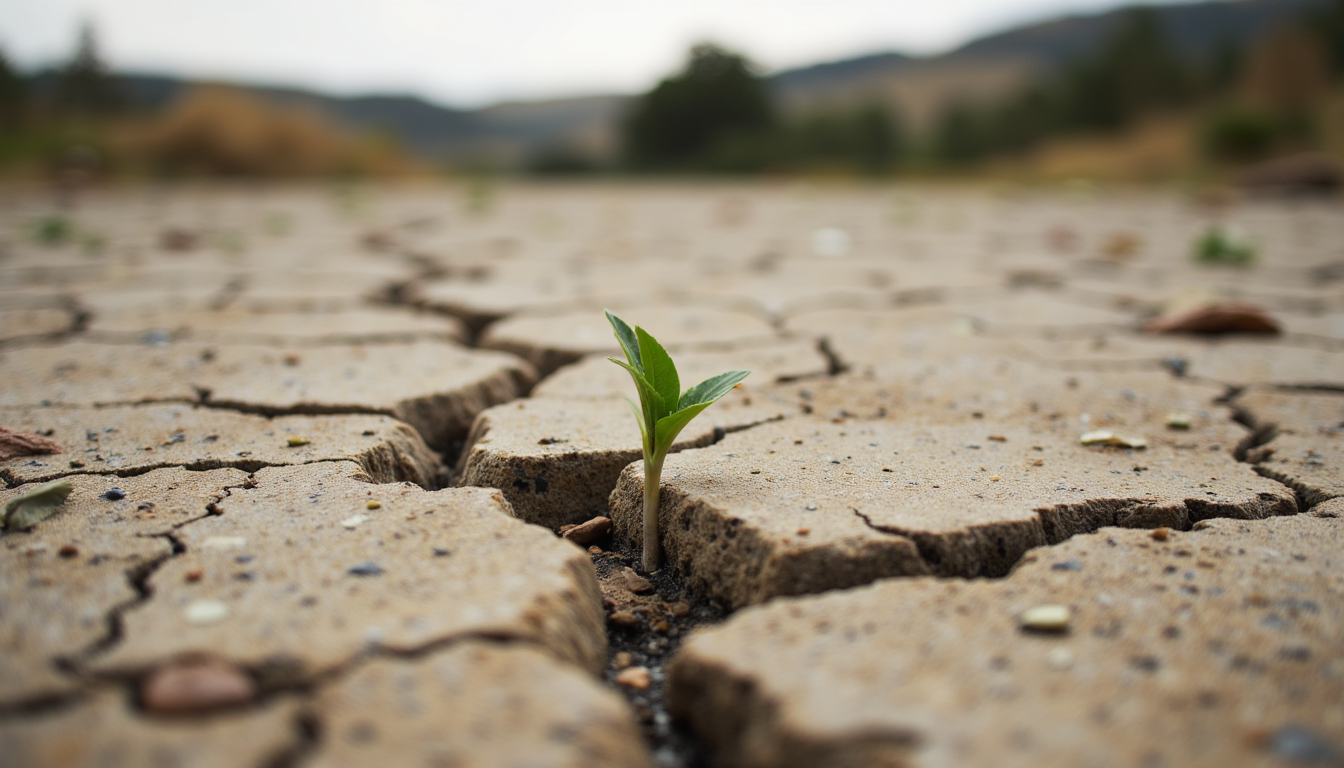
It helps to normalize dryness. It’s not a sign of unique failure or that God is punishing you. Many godly people through Scripture and church history went through arid seasons. Seeing spiritual dryness as a common experience frees you from shame and opens the way to honest prayer and practical steps.
When you stop labeling yourself a failure and instead name the struggle, you can act with compassion toward yourself and with faith toward God. Dry seasons can be a threshold for growth rather than a verdict on your spiritual life.
What the Bible Says About It
The Bible speaks to your feelings of dryness with both empathy and direction. It doesn’t minimize hardship; it offers promises, patterns, and practices that guide you through the desert.
Honest Laments and Persistent Longing
Scripture validates honest lament. The Psalms model how to bring longing, confusion, and sorrow to God. David’s repeated cries show that feeling distant doesn’t disqualify you from coming to God. Use the Psalms as language for your heart — they teach you how to bring dryness into prayer rather than hiding it.
If you feel physically and emotionally worn, Jesus’ invitation still stands: “Come to me, all you who are weary and burdened, and I will give you rest” (Matthew 11:28). That rest is not always a sudden feeling but an invitation to enter Jesus’ presence honestly.
Seasons as Testing and Growth
Some passages frame trials as opportunities for endurance and growth. Paul writes that suffering produces perseverance, character, and hope (Romans 5:3-5). A dry season can be fertile ground for developing spiritual muscle — patience, steadfastness, and deeper trust.
Isaiah gives a vivid image of those who wait on the Lord renewing their strength and rising with wings like eagles (Isaiah 40:31). Waiting doesn’t mean doing nothing; it often means remaining in active hope, worship, and obedience even when feelings lag.
God’s Presence Is Not Always Feelings
The New Testament teaches that God’s Spirit remains with you even when you don’t sense it. Jesus promised the Spirit as a Helper who remains with believers (John 14:16-17). This theological truth helps you hold two realities at once: your emotions and God’s consistent presence.
Scripture doesn’t base faith solely on emotions; it calls you to trust what God has revealed about Himself, even when your senses aren’t aligned. John’s vine-and-branches metaphor reminds you that abiding is about relationship and fruitfulness, not just feelings (John 15:5).
Practical Interpretation and Emotional Application
Biblical counsel often combines truth with simple practices: confession, community, Scripture, prayer, and rest. The Bible expects you to act faithfully — to confess when you sin, to reach out to others, to saturate your mind with God’s Word, and to accept God’s care when you’re tired. Emotionally, the Bible invites you to be honest with God and others about how you feel, not to mask or minimize pain in the name of spirituality.
What You Can Do Spiritually
When you’re in a dry season, actions matter. Small spiritual practices done faithfully create openings for God’s refreshment. This section outlines practical spiritual steps, prayer guidance, daily habits, and ways to practice emotional honesty.
Reframe the Season
First, reframe dryness from final judgment to a temporary state. Naming the season — “I’m in a dry season” — helps you move from shame to strategy. Remember that seasons are part of discipleship. You can hold steady and make faithfulness your focus rather than the sensation of God’s presence.
Simple, Sustainable Spiritual Habits
When emotions are low, choose practices you can sustain:
- Short, honest prayers: Keep prayer simple and truthful. You can say, “God, I feel distant; help me want You again.”
- Scripture in small bites: Read a verse or a short Psalm each day rather than forcing a long devotional you can’t absorb.
- Worship through songs: Let familiar hymns or worship songs carry your heart when you can’t form words.
- Sabbath and rest: Physical rest helps spiritual receptivity. Allow yourself breaks from striving.
Small, sustainable rhythms prevent guilt and build momentum that feelings often follow.

Honest Prayer Guidance
You don’t need grand theological words; honesty wins. Use the language of lament, longing, and trust. Tell God exactly how you feel — anger, boredom, exhaustion — and ask for help. Pray Scripture back to God. For example, pray Psalm 63:1’s desire: “O God, you are my God; earnestly I seek you” (Psalm 63:1).
Use the Lord’s Prayer as a skeleton when words fail. Allow silence to be prayerful. Sometimes sitting quietly and acknowledging God’s presence in stillness is itself an act of faith.
Reconnect with Community
Don’t suffer alone. Reach out to a trusted friend, mentor, or pastor and share your experience. Honest conversations with others who’ve walked dry seasons can normalize your struggle and provide practical help. Community offers accountability, encouragement, and prayer support that often jumpstarts spiritual renewal.
Physical and Emotional Care
Attend to your body and emotions. Adequate sleep, proper nutrition, gentle exercise, and counseling if needed are spiritual actions because God made you as a whole person. Elijah’s story shows God meeting physical needs first — food and rest — before addressing spiritual calling (1 Kings 19:4-8).
Act of Faith: Small Obedience
Obedience doesn’t always feel like worship, but small acts of faithful living can shift your heart. Serve someone, give, or practice kindness even if it feels dry. Often, doing God’s will in the ordinary invites His life back into your routine.
Keep a Spiritual Journal
Write down prayers, small answers, and honest reflections. Journaling helps you track God’s faithfulness over time and gives you evidence to look back on when feelings are flat. It’s a practical way to hold both struggle and hope.
What NOT to Believe During This Season
When you’re spiritually dry, your thoughts can drift toward harmful conclusions. Guard against beliefs that deepen your isolation and despair.
Don’t Believe Shame’s Lies
Shame will tell you that dryness equals failure, that God is angry, or that you’re spiritually defective. Those lies erode hope. Instead, remember that dryness is an experience, not an identity. God’s love does not fluctuate according to your feelings.
Don’t Believe “God Has Left Me”
Feelings of abandonment are powerful, but they are not the theological reality. God promises His presence in Scripture. Hold to promises such as Jesus’ gift of the Holy Spirit (John 14:16-17) and trust that absence of feeling doesn’t equal absence of God.
Don’t Believe You Must Perform to Earn Presence
Performance-based thinking — “If I pray more, read more, serve more, God will come back” — can lead to frantic striving. Faithful practices matter, but they are not transactional tools to buy feelings. Instead of performance, cultivate humble, obedient trust and let God lead the renewal process.
Don’t Believe Hopelessness
Hopelessness narrows your perspective. God often works slowly and incrementally. Expect small shifts rather than immediate fireworks. Hope is a decision as well as a feeling; choose to hope by continuing small acts of trust and gathering evidence of God’s faithfulness.
Encouragement for Moving Forward
You are not stuck. Spiritual dryness is usually a season, not a destination. The Christian faith contains resources to carry you through, build endurance, and yield spiritual growth.
God’s Consistency in the Long View
Scripture invites you to a long view. Even when today feels empty, God’s character — faithful, patient, loving — is constant. Psalms of lament often end with praise because the psalmist remembers God’s past goodness and trusts Him for the future. Remind yourself of God’s past faithfulness in your life and in Scripture.
Growth Through Endurance
Dry seasons can produce deeper roots. Paul’s language about tribulation producing perseverance and character (Romans 5:3-5) is a healthy framework: endurance doesn’t celebrate suffering but recognizes its potential to shape faith.
Practical Next Steps to Move Forward
- Keep showing up: Continue small spiritual habits even when they feel empty.
- Share with others: Confess and receive prayer from someone you trust.
- Rest and receive: Accept God’s practical care — rest, food, counseling.
- Re-engage Scripture through short passages and prayers based on them.
- Serve faithfully in small ways to redirect love outward.
These steps aren’t magic. They’re channels through which God often restores vitality.
Stories of Hope
Countless believers testify that seasons of dryness preceded renewed passion for God. Sometimes the dryness is followed by a deeper, more mature intimacy with Christ that wasn’t possible earlier. Your willingness to persist humbly is often the doorway to that growth.
Short Prayer
Lord, you know my heart and my weariness. I bring my honesty before you — the dryness, the doubts, the numbness. Meet me in this season with gentle care. Renew my strength, help me to rest, guide me back to faithful habits, and remind me of your constant presence. Thank you for not leaving me and for working even in this quiet season. Amen.
Related Spiritual Encouragement
If you’re navigating a difficult spiritual season, these related topics may encourage and strengthen your faith:
Why Do I Feel Far From God? — Practical explanations and gentle steps to reorient toward God when distance feels real.
How to Pray When You Feel Spiritually Empty — Helpful prayer structures and phrases for seasons when words fail.
Why God Feels Silent Even When You Pray — Biblical perspective on perceived silence and how to respond.
Each article explores practical ways to remain spiritually grounded even during emotionally difficult seasons.
Bible Verses for Reflection
Below are a few key verses to read slowly and pray back to God. Click each one to read it on Bible Gateway.
- Psalm 42:1-2 — A cry for God’s presence in seasons of thirst.
- Psalm 63:1 — Longing for God as a lifeline in the desert.
- Isaiah 40:31 — A promise of renewed strength for those who wait.
- Matthew 11:28 — Jesus’ invitation to the weary.
- Romans 5:3-5 — Growth through perseverance.
- Hebrews 12:1-3 — Running the race with endurance and focus on Jesus.
- John 14:16-17 — The promise of the Holy Spirit’s ongoing presence.
- John 15:5 — Abiding in Christ beyond feelings.
- 1 Kings 19:4-8 — Elijah’s exhaustion and God’s provision.
Suggested Next Steps for You This Week
- Pick one verse from the list above and read it each morning. Journal one line about how it feels to you that day.
- Tell one trusted friend or mentor about what you’re experiencing and ask for their prayer.
- Schedule a rest period — a short Sabbath — where you disconnect from busyness and practice receiving.
- Begin a small habit you can maintain: five minutes of honest prayer, one Psalm before bed, or a short walk with worship music.
These are small, practical choices that honor where you are and open space for God’s renewal.