



Introduction
Resurrection Day is the most powerful and hope-filled moment in the Christian faith.
After the suffering of the cross and the silence of the tomb, everything changes.
Jesus is no longer dead—He is risen.
The resurrection is not just an event—it is the foundation of hope, victory, and new life.
This guide will help you:
- Understand what happened on the day of Christ’s resurrection
- Discover the meaning of the resurrection
- Apply its truth to your daily life

🌅 The Key Bible Passage
Verse: Matthew 28:5–6
“He is not here; He has risen, just as He said.”
Context
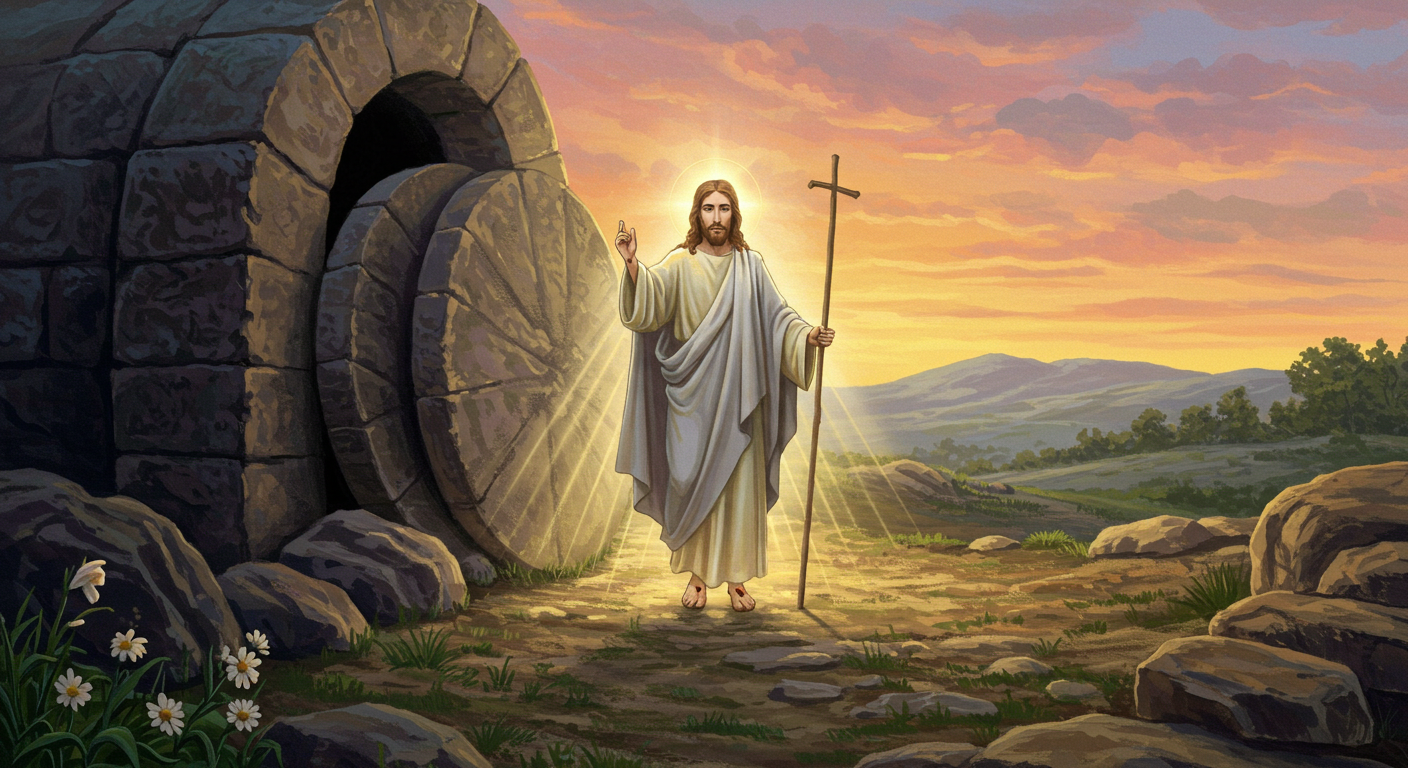
On the first day of the week, women came to Jesus’ tomb and found it empty. An angel announced that Jesus had risen from the dead, just as He promised.
The Scene at the Tomb
The Dawn of a New Beginning
The passage begins poignantly after the Sabbath, emphasizing a new dawn—not just in the literal sense but symbolically marking the new covenant between humanity and the divine. Mary Magdalene and the other Mary approached the tomb carrying grief but also a flicker of hope, rooted in the words Jesus had spoken before His crucifixion.
The Angel’s Arrival
An earthquake announced the arrival of an angel, underscoring the magnitude of the event. Picture a celestial being, appearance like lightning, clothes white as snow. The guards were petrified—paralyzed by awe. The angel’s proclamation that Jesus had risen was intended to inspire faith and courage.
The Instructions to the Women
Instructed by the angel, Mary Magdalene and her companion were entrusted to share the news with the disciples. Women were chosen as the first messengers—a bold cultural statement at that time. Their journey was an emotional whirlwind, blending fear and joy, demonstrating the transformative power of faith.
The Significance of Resurrection Day
A Celebration of Renewal
Resurrection Day transcends its biblical roots to embody a larger message of renewal and hope. It’s a celebration that prompts introspection and inspires individuals to reflect on their lives with an eye toward personal and spiritual growth. For Christians, Christ’s triumph over death serves as a powerful allegory for overcoming adversity, offering reassurance that new beginnings are always possible.
The Anchor of Christian Belief
The resurrection is not merely a footnote in the narrative of Jesus’ life; it’s the cornerstone of Christian doctrine. Without it, the entire belief system surrounding salvation and eternal life might not hold the same resonance. The empty tomb is a metaphor for the fulfillment of God’s promises, reinforcing the message that faith, even in the darkest of times, is never in vain.
A Unifying Event
Across the world, Christians of various denominations gather to commemorate this event, making it a rare moment of unity within the broader Christian community. While modes of celebration may vary—from solemn liturgies to joyous feasts—the core message remains the same: the victory of life over death, love over hatred, and hope over despair.
The Role of Women in the Resurrection Story
Subverting Expectations
The fact that women were the first to witness the empty tomb and encounter the risen Christ is not accidental but intentional. Throughout the Gospels, Jesus often subverted societal norms, and this event is no exception. At a time when women’s testimonies were commonly disregarded, their pivotal role in this narrative challenges the status quo and elevates their voices.
Mary Magdalene: The First Messenger
Mary Magdalene’s presence at the tomb is a subject of considerable interest. Her role as the first messenger of Christ’s resurrection highlights her steadfast faith and courage, qualities often overlooked in her broader biblical portrayal. Mary represents a blend of humanity and divinity, underscoring the inclusive nature of Christ’s message.
The Symbolism of the Resurrection
The Stone Rolled Away
The rolling away of the stone is evocative of the barriers that can often feel insurmountable in our own lives. It represents the breaking of chains—both literal and metaphorical—that bind individuals to old ways of thinking and being. This act shows that divine intervention is not only external but can also manifest within, empowering you to overcome personal obstacles.
The Angel’s Message
The angel’s declaration, “He is not here; he has risen,” is more than just an announcement. It’s a mantra for those seeking hope and change. This statement serves as a reminder that life’s challenges, however daunting, are not the end. You are invited to partake in this narrative of transformation, to rise above your circumstances, following in the steps of the resurrected Christ.
The Encounter with Jesus
Running into Jesus on their way back to the disciples, the women experienced a profound moment of recognition and worship. It’s here you realize that encounters with the divine are often unexpected and occur in everyday moments. This meeting captures the essence of Resurrection Day—the unlooked-for grace and unexpected joy that finds you when you least anticipate it.
Experiencing Resurrection in Daily Life
Finding Personal Renewal
The story of the resurrection isn’t just about an event that happened millennia ago. It’s an invitation to seek personal renewal in everyday life. Whether that process begins with forgiveness, embracing a new perspective, or searching for deeper meaning, Resurrection Day invites you to rise, metaphorically, from the tombs of past mistakes and fears.
Cultivating Community
Just as the resurrection led the disciples to regroup and fortify their mission, it serves as a call for you to foster community and connection. In a modern world fraught with division, the shared celebration of Resurrection Day offers a chance for unity and cooperative efforts toward a common good.
Encouragement in Daily Challenges
The resurrection provides a reservoir of strength when life’s challenges seem too daunting. The resurrection narrative is a beacon, illuminating the dark corners of doubt and despair with promises of hope and redemption. This can be especially comforting when facing personal trials, offering the reassurance that renewal is always possible.
Misconception
Many people confuse the biblical resurrection of Jesus with cultural or secular traditions that have been attached to the term “Easter.” Some common misunderstandings include:
- Believing that “Easter” itself is a biblical term—it is not. The Bible refers to the event simply as the resurrection of Christ.
- Associating the resurrection primarily with eggs, bunnies, or other cultural symbols, rather than its spiritual and salvific significance.
- Thinking the resurrection was merely a historical miracle, instead of the transformative foundation for new life in Christ.
Clarifying these misconceptions helps us focus on the true meaning: Christ’s victory over death and the hope it gives every believer.
🧭 Simple Reflection
Ask yourself:
- Do I truly believe in the power of the resurrection?
- Am I living in the new life Jesus offers?
- Is my life filled with hope and purpose?
 Internal Resources to Explore
 Internal Resources to Explore
To understand Resurrection Day within the full Holy Week journey:
Main Hub
Related Articles
- Evidence for the Resurrection of Jesus Christ
- Why the Resurrection Matters for Christians
- Bible Verses About the Resurrection of Jesus
- What Does “He Is Risen” Mean?
- Resurrection Devotional
Next Step in Holy Week Journey:
Palm Sunday (Matthew 21:5): Meaning, Story, and Why It Still Matters Today
Conclusion
The resurrection changes everything.
It proves that:
- Jesus is alive
- Sin is defeated
- Hope is real
Easter is not just something to celebrate—it’s something to live out every day.
🙏 Closing Prayer
Lord,
Thank You for the power of the resurrection and the hope it brings.
Help me live in the new life You have given me.
Fill my heart with faith, joy, and purpose each day.
In Jesus’ name, Amen.
Sponsored recommendation

Acknowledgment: All Bible verses referenced in this article were accessed via Bible Gateway (or Bible Hub).
“Want to explore more? Check out our latest post on Why Jesus? and discover the life-changing truth of the Gospel!”