

If you’re wondering how to pray effectively, you’re not alone. Many people pray but still feel disconnected, distracted, or unsure if their prayers are working.
Learning how to pray effectively is not about using perfect words—it’s about following a simple, biblical structure. This guide focuses on one simple method (ACTS).
For a complete step-by-step prayer system, read the full guide on how to pray. 👉 How to Pray (Step-by-Step for Beginners)
How to Pray Effectively (Simple Answer)
To pray effectively, follow a simple biblical method:
- Praise God (Adoration)
- Confess honestly
- Give thanks
- Ask clearly (Supplication)
This ACTS method helps you pray with focus, balance, and alignment with God.

What Effective Prayer Means
Effective prayer doesn’t mean you get everything you ask for. What it does mean is that your prayers reflect an ongoing relationship with God and are aligned with His will. When your prayers are effective, you feel closer to God, you grow in humility and clarity, and your requests increasingly reflect God’s priorities rather than just your immediate desires.
Think of prayer like tuning an instrument. You don’t control the sound of the orchestra; you tune your instrument so you’re ready to play your part. Effective prayer tunes your heart to God’s presence and purposes. It’s less about performance and more about posture—coming before God with honesty, reverence, and dependence.
How to Pray Effectively Using the ACTS Method
The ACTS method gives you a practical and balanced way to pray. Each letter stands for a key posture before God: Adoration, Confession, Thanksgiving, Supplication. This method comes from centuries of Christian practice and is rooted in Scripture, providing a rhythm that keeps your prayers from becoming one-dimensional.
A — Adoration
Start by praising God for who He is. Adoration centers your attention on God’s character—His holiness, love, sovereignty, and faithfulness. When you begin with adoration, you align your heart with truth instead of launching into requests from a needy place.
Use passages of Scripture to guide your adoration. For example, you might declare truths from the Psalms or say aloud phrases like, “You are holy,” “You are loving,” or “You are my shepherd.” This isn’t empty repetition; it’s a deliberate act of worship that helps you remember what you believe about God before you ask anything of Him.
A helpful verse for this posture is the invitation to worship in Scripture: Psalm 95:6. Let adoration create gratitude and humility in your heart before you move to confession and requests.

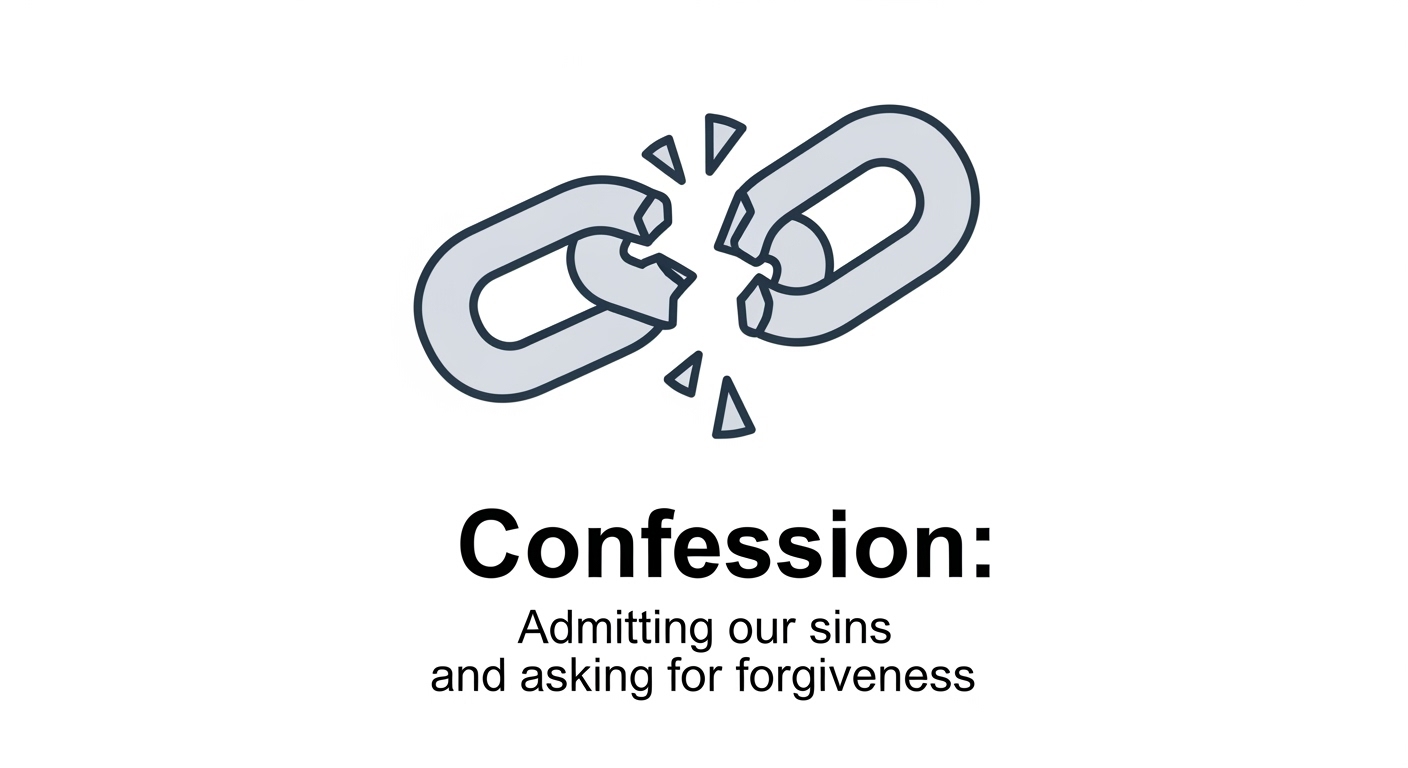
C — Confession
Confession clears the clutter of pride, guilt, and selfishness from your heart. When you confess, you acknowledge where you missed the mark and invite God’s cleansing. Confession isn’t meant to produce shame but to restore your relationship with God and others.
Be specific. Rather than saying, “I’m sorry for everything,” name the attitudes, actions, or omissions that weigh on you. Confession is practical and honest: “Forgive me for gossiping,” or “I repent of the anger I held yesterday.” You can use Psalm 51 as a model of honest, humble confession. See Psalm 51:1–4 for David’s example of honest repentance and pleading for mercy.
After confessing, pause to accept God’s forgiveness. The Bible reminds us that when we confess, God is faithful to forgive and restore our relationship (1 John 1:9—consider reading that passage if you want more assurance).
T — Thanksgiving
Thanksgiving reframes your view. Gratitude reminds you of God’s past faithfulness and opens your heart to trust Him in the present. Thanking God isn’t just for big blessings—it’s for small mercies, the breath you’re breathing, and the ways God is at work even when you can’t see it.
Be specific here too. Instead of a general “thank you,” recall concrete things—people who helped you, a moment of peace, provision you received this week. Practicing thanksgiving trains your mind to notice God’s activity and to respond in faith.
A verse that encourages this posture is 1 Thessalonians 5:18: “Give thanks in all circumstances; for this is God’s will for you in Christ Jesus.” Gratitude isn’t denial of hardship; it’s a posture that acknowledges God’s goodness amid difficulty.
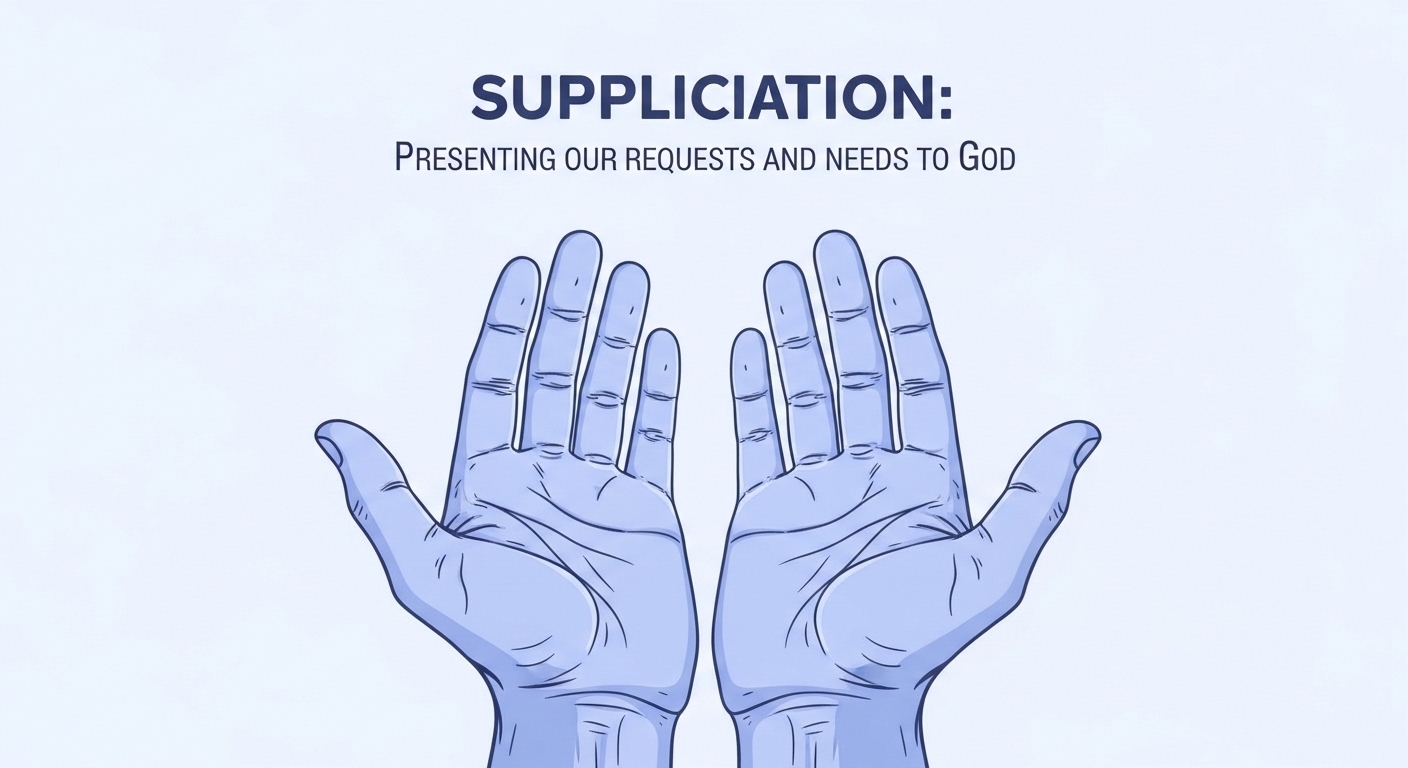
S — Supplication
Supplication is the place for requests—your needs, the needs of others, and broader concerns for the world. After adoration, confession, and thanksgiving, your requests are grounded in a realistic, worshipful posture rather than entitlement.
Organize your supplications: personal needs, family, community, church, leaders, and global concerns. Be honest and bold—bring your longings, fears, and petitions to God. At the same time, practice praying for God’s will: “Lord, I ask for healing, and I pray Your will be done.”
Philippians provides helpful counsel about prayer: Philippians 4:6 reminds you not to be anxious but to bring everything to God in prayer and petition with thanksgiving. Use that promise to combat worry as you bring your requests.
If you don’t know what to say:
👉 What to Say When You Pray
Why This Method Works
There are three core reasons the ACTS method is a powerful structure for prayer.
Balanced
ACTS keeps your prayer life from becoming a monologue of requests. When you separate adoration, confession, thanksgiving, and supplication, you intentionally balance worship, repentance, gratitude, and petition. Balanced prayer shapes your heart and keeps you from the two extremes of legalism and casualness.
Focused
A simple structure prevents wandering and distraction. When you follow ACTS, you know what to do next in your time with God. That focus leads to deeper engagement and less stress over “doing prayer right.” It also helps you develop spiritual muscle memory so prayer becomes a natural rhythm, not a sporadic event.
Biblical
ACTS aligns with biblical prayers throughout Scripture—from the Psalms to Paul’s letters. It echoes the Lord’s Prayer in Matthew 6:9–13: reverence, submission to God’s will, daily needs, forgiveness, and protection. Using a biblically-informed method connects your private devotions with the wider stream of Christian practice.
Common Mistakes People Make in Prayer
Even earnest prayer can miss the mark. Here are common mistakes you can watch for and correct.
You only ask If your prayers are mostly requests, you’ll likely feel distant or demanding. The remedy is to begin with adoration and thanksgiving so your asking flows from relationship, not entitlement.
You lack consistency Praying only sporadically makes you feel disconnected. Cultivate habit and routine so prayer becomes a consistent source of strength. See the section “Building the Habit” for practical steps—and read How to Start Praying Consistently (/how-to-start-praying-consistently).
You’re vague Vague requests are hard to track and easy to forget. Being specific (names, needs, situations) helps you pray with clarity and later notice answers or growth.
You ignore Scripture Prayer shaped by God’s Word is more likely to be aligned with His will. Bring Scripture into your prayers—read a verse, then respond to it with adoration or petition. Jesus’ invitation to persistent prayer is instructive: Luke 18:1 shows that consistent prayer matters.
You expect instant results Answered prayer sometimes takes time and sometimes comes in unexpected forms. Trust God’s timing and purposes. Hebrews gives you confidence to approach God with boldness: Hebrews 4:16 invites you to come confidently to God’s throne of grace.
How To Pray Step-by-Step (A Practical Session Using ACTS)
Here is a practical sequence you can use in a 10–20 minute prayer time. Adjust the time for each section based on how long you have.
- Quiet your heart (1–2 minutes)
- Sit in silence, breathe, and invite God’s presence. Ask the Holy Spirit to guide your time and to help you be honest.
- Adoration (2–4 minutes)
- Read a short Psalm or Scripture phrase. Speak praises to God aloud or silently. Let adoration set the tone.
- Confession (1–3 minutes)
- Name specific sins or attitudes. Ask for forgiveness and for a new heart. Accept God’s grace and move forward.
- Thanksgiving (2–4 minutes)
- List specific things you’re thankful for today, this week, or in your life. Remember small moments and big mercies.
- Supplication (3–6 minutes)
- Bring your requests in order: personal needs, family, friends, church, community, world. Ask God for wisdom in praying for others.
- Listen and close (1–2 minutes)
- Sit in silence again. Ask God if He has anything to say. Close with a short prayer or Scripture-based declaration.
This order respects the ACTS structure while giving you space to be honest and responsive. Over time, you might add journal notes about impressions, answered prayers, or Scripture that spoke to you.
👉 Simple Daily Prayer Routine (5–10 Minutes)
Using Scripture in Your Prayer Life
Prayer and Scripture go together like two sides of the same conversation. You can pray Scripture back to God, use short verses to guide each section of ACTS, or allow a passage to shape a longer prayer.
Examples:
- Use a Psalm for adoration (e.g., read a stanza and respond).
- Confess using Psalms of repentance like Psalm 51:1–4.
- Thank God with passages about His goodness and provision.
- Use Philippians 4:6 in supplication to combat anxiety and remind yourself to pray.
Remember John’s simple promise: when you live in Christ and His words remain in you, your prayers reflect His will. See John 15:7.
Building the Habit: From Occasional to Consistent
Prayer consistency rarely happens by accident. You build it with small, practical steps.
Start small Set a realistic daily goal—five minutes at the same time each day is better than an hour once a week. You can expand later, but consistency is the foundation.
Anchor to routine Pair prayer with an existing habit: after brushing your teeth, before your morning coffee, or during your commute. Anchoring creates reliability.
Use reminders and accountability Set phone alarms, leave your Bible open, or ask a friend to pray with you weekly. Community and external prompts help maintain momentum.
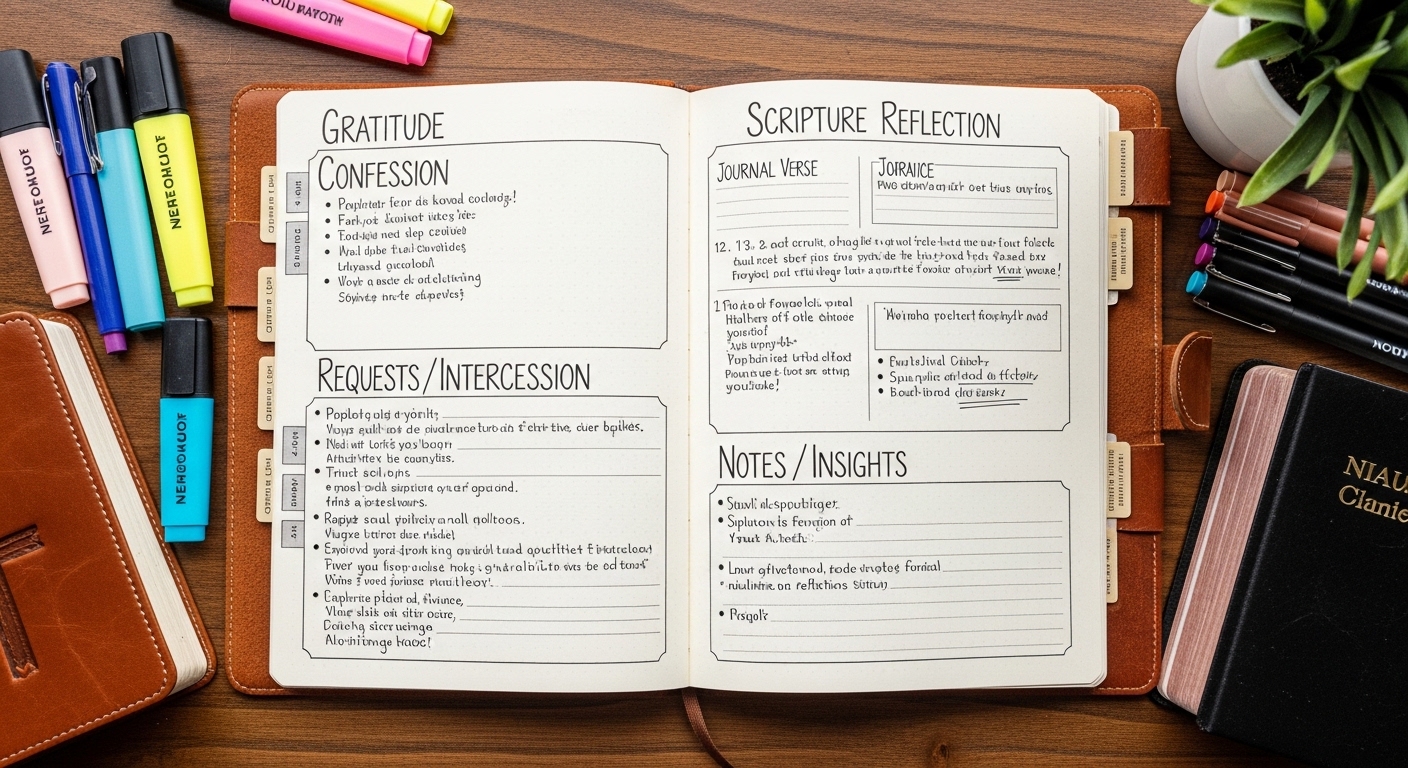
Keep a prayer journal Write dates, requests, Scripture readings, and answers. Journaling helps you remember and celebrate how God works over time.
Persist with expectant patience Jesus taught persistence in prayer: Luke 18:1 encourages you not to give up. Growth often comes slowly; don’t abandon the habit too soon.
Cultivate variety Consistency doesn’t mean monotony. Mix short focused prayers, longer reflective times, Scripture-based prayers, and listening prayer. Variety keeps your prayer life alive.
A helpful verse to encourage consistent devotion is Romans 12:12: “Be joyful in hope, patient in affliction, faithful in prayer.” Let that verse shape your expectation and endurance.
👉 How to Start Praying Consistently

Prayer When You Don’t Feel Like Praying
There will be seasons when you’re tired, distracted, or doubting. Effective prayer doesn’t depend on feelings; it depends on commitment to God’s presence.
Pray small When you don’t have energy, pray a single verse phrase—“Lord, have mercy”—or a one-line prayer that carries your burden.
Use the Psalms The Psalms give you words when you can’t find any. Read and pray a Psalm that fits your mood—lament, praise, or petition. The Psalms model honest, raw prayer.
Be honest with God Say how you really feel: “I don’t feel close right now,” or “I’m tired and I don’t know how to pray.” God welcomes your honesty and meets you in that place.
Trust God’s faithfulness Even when feelings lag, trust God’s unseen work in your heart. Hebrews gives confidence to approach God’s throne: Hebrews 4:16.
👉 What to Do When You Don’t Feel Like Praying

Short Sample Prayers You Can Use
Here are brief prayers for different needs that follow the ACTS pattern. Use these as starters, then personalize them.
Adoration & Confession “Lord, You are holy and good. I praise You for Your faithfulness. I confess my anger and impatience—please forgive me and change my heart.”
Thanksgiving “Thank You for this day, for family, for provision, and for the small mercies I often miss. Help me to live with a grateful heart.”
Supplication “Father, I bring [Name] before You. Give wisdom, healing, and peace. Meet them in their need and lead them to hope.”
Closing “Lord, I trust You. Help me to live in Your will today. In Jesus’ name, amen.”
For extra encouragement, remember the biblical reminder to give thanks in every circumstance: 1 Thessalonians 5:18.
👉 Why Is My Prayer Not Working?
A Short Prayer to Close
Use this short, simple prayer to finish your practice today:
“Father, I praise You and thank You. Forgive me where I’ve missed the mark. I bring my needs and the needs of others to You. Teach me to trust You more and to follow Your will. Amen.”
Keep It Simple
You don’t need a complicated system to pray effectively.
Focus on this:
👉 Follow the ACTS method
👉 Keep your prayers honest
👉 Stay consistent daily
That’s what makes prayer effective over time.
What Makes Prayer Effective?
Effective prayer is not about getting everything you ask for.
It’s about:
👉 Being aligned with God’s will
👉 Growing in faith and clarity
👉 Building a consistent relationship
When your prayer life changes you—that’s when it’s working.
Conclusion
Effective prayer is simple and biblical: come to God with adoration, confession, thanksgiving, and supplication. Use Scripture to guide your words, build the habit with small, consistent steps, and track your journey in a journal so you can see how God answers over time. Remember that prayer is less about controlling outcomes and more about aligning your heart with God’s. Start small, be consistent, and trust the One who hears you.
If you want a step-by-step plan to expand this practice, check the pillar resource: Step-by-Step Prayer Guide and the cluster resource on building routine: Consistency + Routine.
Next Steps: Build an Effective Prayer Life
Now that you know how to pray effectively, here’s how to grow:
👉 Start with the full guide:
How to Pray (Step-by-Step for Beginners)
👉 Learn what to say:
👉 Build consistency:
How to Start Praying Consistently
👉 Follow a simple routine:
Simple Daily Prayer Routine (5–10 Minutes)
The goal is simple:
Pray with structure. Stay consistent. Grow daily.