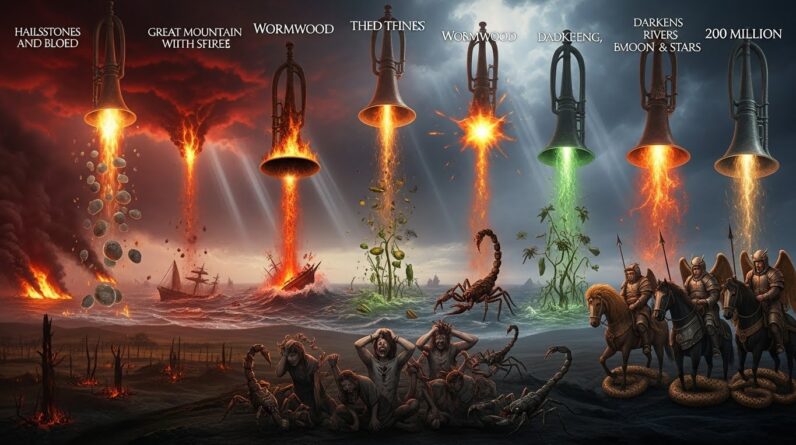


What Does The Bible Say About The End Times? A Clear, Scripture-Based Overview


Introduction
You’ve likely wondered, at one point or another, what the Bible actually says about the “end times.” Whether headlines or cinema stoke your curiosity, the Bible’s teaching on last things matters because it shapes how you live, hope, and bear witness today. This doctrine addresses God’s final purposes for creation, the coming of Christ, judgment, restoration, and the promise of a new heaven and earth. It comforts, warns, and calls you to faithful living.
A clear overview helps you separate speculation from sound biblical teaching. Throughout this article, you’ll get a Scripture-centered explanation that stays close to the text, avoids denominational biases, and points you toward practical faith and hope. You’ll find linked Scripture references so you can read the passages in context, and a simple, consistent framework to help you understand the major themes the Bible emphasizes.
Biblical Definition and Explanation
When the Bible speaks about “the end times,” it uses a range of terms and images—“coming” (parousia), “day of the Lord,” “last days,” “kingdom,” “judgment,” and “renewal.” At its core, the doctrine of the end times describes God’s climactic action to complete history: Christ’s return, the final judgment of sin, the renewal of creation, and the ushering in of God’s eternal kingdom.
Jesus taught about future events in passages like Matthew 24:3–14, where disciples asked about “the end of the age.” His teaching combines warnings about false messiahs and suffering with promises about the gospel reaching the nations. The apostle Paul described the return of Christ as a hope that shapes Christian identity and comfort, especially in passages like 1 Thessalonians 4:13–18, which reassures believers about those who have died in Christ. Revelation presents the ultimate consummation—a prophetic vision of Christ’s victory, the defeat of evil, and a new heaven and earth (Revelation 21:1–4).
Define terms briefly:
- “Parousia” — the coming of Christ (see Matthew 24:30).
- “Day of the Lord” — a biblical phrase for God’s decisive intervention in history (see Joel 2:31; 2 Peter 3:10).
- “Resurrection” and “Final Judgment” — central events described throughout New Testament teaching (see John 5:28–29; Revelation 20:11–15).
You’ll find the Bible doesn’t give a tidy timeline with dates. Instead, it gives theological anchors—you can trust Christ’s victory, be warned against deception, and live in readiness and hope.

Core biblical images and their basic meanings
The Bible uses vivid images—thrones, seals, bowls, trumpets, beasts—but each image is meant to point you toward theological reality: God’s justice, the temporary power of evil, Christ’s kingship, the suffering of the church, and the final renewal of creation. Read passages like Revelation 1:1–3 and Daniel’s visions (Daniel 7:13–14; Daniel 12:1–3) as prophetic portraiture rather than simple news reporting.
The Bible frames prophetic vision with pastoral purpose. It comforts persecuted believers (see Revelation 2–3), warns the complacent, and encourages holy endurance (see Hebrews 10:36). Interpretation should always honor the original intent: to call the church to faithfulness amid uncertainty.
Key Biblical Themes and Teachings
The Bible’s teaching on the end times clusters around a set of interrelated themes. Below you’ll find those themes with scriptural support and simple interpretive notes to help you see how they fit together.
1. The “Last Days” have already begun, and they will reach a climax
The New Testament speaks of the “last days” as the era inaugurated by Christ’s first coming (see Acts 2:16–21; Hebrews 1:1–2). Yet the full consummation—Christ’s return, resurrection, and new creation—remains future. This “already/not yet” tension explains why you see both fulfillment and expectation in the New Testament.
2. Christ will return visibly and decisively
The Bible affirms a visible, personal return of Jesus. Acts recounts angels telling the disciples that Jesus will come back “in the same way” they saw him go (Acts 1:11). Jesus described cosmic signs accompanying his return (see Matthew 24:29–31). Paul teaches that the Lord will descend from heaven and believers will be caught up to meet him (1 Thessalonians 4:16–17).
3. Resurrection and final judgment are central
The resurrection of the dead and final judgment are unavoidable themes. Jesus taught about a future resurrection and sorting of people (John 5:28–29). Revelation paints a scene of final books being opened and all being judged (Revelation 20:11–15). Judgment provides moral seriousness: your life now matters eternally.
4. The defeat of evil and Satan’s end
The Bible promises the decisive defeat of evil. Revelation depicts Satan’s doom and the removal of his power (Revelation 20:1–3; Revelation 20:10). Paul and Peter teach about God’s ultimate victory over rulers and powers (see Colossians 2:15; 1 Peter 5:8–11).
5. The promise of a new heaven and new earth
The Bible looks beyond restoration to transformation. Isaiah foresaw new creation (see Isaiah 65:17); John saw the new heaven and earth in Revelation (Revelation 21:1–4). The promise is not merely spiritual escape but the healing and glorification of creation itself.
6. The purpose: God’s justice, mercy, and worship
The end is not purposeless spectacle. Scripture shows that God’s final acts reveal his justice against evil, his mercy toward the redeemed, and his desire that creation worship him rightly (see Romans 11:36; Revelation 4:11). Everything converges on God’s glory and the restoration of all things under Christ’s lordship.
7. The pastoral tone: readiness, endurance, and hope
Prophecy in the Bible serves pastoral aims. Jesus repeatedly calls for watchfulness and faithful readiness (Matthew 24:42–51). Paul urges believers to encourage one another with the hope of Christ’s return (1 Thessalonians 4:18). Revelation ends with a prayerful call: “Come, Lord Jesus” (Revelation 22:20), reflecting longing, dependence, and confidence.
Addressing Common Questions and Misunderstandings
You may have questions or have heard common teachings that create confusion. Let’s address a few respectfully and biblically.
Will we know the exact time?
No. Jesus said that no one knows the day or hour—not the angels, nor the Son in his earthly state, but only the Father (Matthew 24:36). That statement discourages date-setting and encourages ongoing faithfulness.
Is the “rapture” in the Bible?
The language of being “caught up” is in 1 Thessalonians 4:17, and the New Testament teaches an expectation of meeting the Lord. Different traditions describe timing and details differently (pre-tribulation, mid-tribulation, post-tribulation). Scripture is clear that Christ will return and that believers will be raised and transformed; the exact sequence of some details is debated and not essential to core faith.
What about the “Antichrist” and “man of lawlessness”?
Paul warns of a “man of lawlessness” whose coming is marked by deception (2 Thessalonians 2:1–12). John speaks of the spirit of antichrist in the world (1 John 2:18). These passages call you to discernment; they are warnings that evil may appear powerful but will be exposed and defeated.
Does suffering mean the end is near?
Suffering and persecution are signs Jesus said would accompany the age (see Matthew 24:9–14). While suffering can be a sign within the broader biblical picture, Scripture resists simplistic cause-effect formulas. The faithful response is endurance, prayer, and witness.
Importance of This Doctrine for Christian Faith
This doctrine matters because it shapes your hope, ethics, and mission. If you believe Christ will return, then today’s actions are given eternal weight. You’ll live with patient endurance, pursue justice and mercy, resist idolatry, and invest in gospel mission.
Hope and comfort for suffering believers
When you read passages like 1 Thessalonians 4:13–18, you find consolation about those who have died. The promise of resurrection changes how you grieve and live; death is not the final word.
Ethical urgency and holiness
Belief in Christ’s return motivates holiness. Paul connects hope with moral living in Titus 2:11–14, urging believers to live soberly and righteously as they anticipate Christ’s appearing.
Mission and global urgency
Jesus tied future consummation to the global mission: the gospel will be preached to all nations before the end (Matthew 24:14). That gives you urgency to share the good news and support global mission efforts.
Practical confidence amid uncertainty
Doctrine of last things anchors you in God’s sovereignty. Peter reminds readers that God’s timing may seem slow, but it’s purposeful and designed for repentance (2 Peter 3:8–9). You’re called to live faithfully in the present because God is at work toward a future restoration.

➡️ 👉 Jesus Himself taught that the timing of the end is known only to the Father, not to humanity – for a clear biblical explanation of the end times and God’s timeline, read “What Does the Bible Say About the End Times?”
Practical Application: How This Doctrine Changes Daily Life
Doctrine of the end times isn’t just for speculation—it forms how you live now. Expect practical shifts in perspective.
Live with gospel urgency
The knowledge that Christ will return and judge all things should spur you to share the gospel and to value eternity over temporal comforts. You’ll invest in people and ministries that have lasting impact.
Practice holy waiting
Jesus calls you to watchfulness and readiness (Matthew 25:1–13). That means cultivating prayer, Scripture reading, community, and holiness—not fear-driven withdrawal but hope-filled anticipation.
Engage the world faithfully
End-times hope should not make you passive about injustice; it compels you to be an agent of God’s justice and mercy. Revelation’s images of God making all things new should inspire you to love well, pursue justice, care for the poor, and steward creation (see Micah 6:8; James 1:27).
Resist sensationalism
You’ll spot exaggerated claims and date-setting by comparing them to Scripture. The Bible’s tone is pastoral: to call the church to faithfulness. Beware of speculation that distracts from the gospel.
A Balanced Interpretive Approach
You can adopt a balanced approach that respects Scripture’s diversity of genres and purposes.
- Read prophecy as prophetic literature: symbolic, theological, and pastoral.
- Interpret difficult images with other Scripture: “interpret Scripture with Scripture.”
- Avoid letting non-essential debates (e.g., exact sequence of prophetic events) divide your fellowship.
- Focus on the central truths: Christ will come, evil will be judged, the righteous will be vindicated, and God will renew creation.
For instance, Daniel’s visions are best read alongside Revelation and Jesus’ teaching to form a biblical picture of God’s victory (see Daniel 7:13–14; Revelation 1:1–3; Matthew 24:29–31).
How Scholars and Traditions Differ (Briefly)
Scholars and Christian traditions have different emphases: futurist, preterist, historicist, and idealist readings of Revelation, for example. These perspectives differ in timing and application but often agree on the essentials—Christ’s return and God’s final victory. You don’t need to adopt a niche view to be faithful; prioritize the clear teachings of Scripture and the pastoral calls to readiness and faithful witness.
Modern Connection: Why This Matters Now
You live in a world where uncertainty, moral confusion, and global crises can breed despair. The biblical hope of Christ’s return addresses those anxieties with a future-oriented assurance that God will make things right. It guards you against nihilism and gives you a horizon of hope. At the same time, the doctrine warns against complacency and calls you to practical faith that loves your neighbor, seeks justice, and proclaims the gospel.
Understanding the end times reframes politics, activism, and personal choices: you act as a steward of God’s current kingdom, working now while living for the coming kingdom. You avoid aligning ultimate hope with transient ideologies and instead anchor hope in the person of Jesus Christ (see John 14:1–3).
➡️ 👉 Understanding what the Bible teaches about the end times should shape
How Christians live and respond today.
Frequently Cited Passages and How to Read Them
Here are several key passages and brief guidance for how you might approach them devotionally and theologically.
- Matthew 24:3–14: Read as Jesus’ teaching that combines warning and mission—recognize signs without date-setting.
- 1 Thessalonians 4:13–18: Use for pastoral comfort about those who have died; emphasize resurrection hope.
- 2 Thessalonians 2:1–12: Note pastoral concern about deception; the passage reassures and urges steadiness.
- Revelation 21:1–4: Meditate on the promise of new creation—this is the ultimate hope of the Bible.
- Daniel 12:1–3: See Daniel’s vision as encouraging perseverance and hope for vindication.
When you study these passages, read surrounding context, consult multiple translations, and allow the pastoral purpose to shape your response: faith, endurance, and mission.
Practical Steps for Growing in Biblical Understanding and Readiness
You don’t have to master every theological nuance to live faithfully. Here are practical steps you can take.
- Read key passages prayerfully (Matthew 24, 1 & 2 Thessalonians, Revelation 1, 21–22, Daniel 7 & 12).
- Study with others in a community to gain perspective and avoid eccentric readings.
- Prioritize texts that speak pastoral comfort and ethical formation (e.g., 1 Thessalonians, Revelation’s letters to the churches).
- Engage trusted commentaries that honor Scripture and historical interpretation.
- Practice spiritual disciplines—prayer, Scripture, community—so your faith is formed by steady spiritual rhythms, not sensational news cycles.
A Pastoral Word on Anxiety and Hope
The end-times doctrine can produce anxiety if it’s read as purely speculative or apocalyptic entertainment. Let Scripture soothe and steady you. Peter reminds believers that God’s delay is patient, not forgetful: “The Lord is not slow in keeping his promise… but is patient with you” (2 Peter 3:9). Trust shapes your response: you live in expectant hope, not panicked fear.
If you’re anxious about current events, turn to passages of comfort (e.g., Psalm 91 for contextually faithful reading), practice communal prayer, and seek pastoral counsel. The Bible’s vision is ultimately pastoral—meant to deepen faith, not to feed dread.
Conclusion
The Bible’s teaching on the end times centers on the person and work of Jesus Christ: his first coming inaugurated the last days; his return will consummate history. Scripture calls you to live with watchfulness, holy urgency, and hope. You don’t need every timeline mapped out to embrace the essentials: Christ will return, the dead will be raised, evil will be judged, and God will make all things new (Revelation 21:1–4).
Keep studying Scripture, interpret prophecy with Scripture, and let hope fuel your mission. As you await the Lord’s return, live faithfully, love generously, and proclaim the gospel courageously.
A short closing prayer: Lord Jesus, help you live in patient hope, faithful witness, and holy love as you await Christ’s return. Amen.
Explore More
 For deeper insight into Isaiah 40:31 and how it renews your strength in both faith and daily life
For practical lessons on compassion and neighborliness from the Good Samaritan
For a clear explanation of what we can learn from the Parable of the Good Samaritan
For meaningful insights from the Parable of the Pearl and its hidden treasures
For a deeper look at the Rich Man and Lazarus and what it reveals about the afterlife
For guidance on the Parable of the Ten Virgins and preparing for God’s Kingdom
For clarity on the Parable of the Lamp and how it calls us to shine our light
For insights from the Parable of the Wedding Feast and the meaning behind the invited guests
 Jesus and the Woman Caught in Adultery – Grace and Mercy Over Judgement
A powerful retelling of John 8:1-11. This book brings to life the depth of forgiveness, mercy, and God’s unwavering love. Check it now on Amazon 


 “Every great message deserves a home online.”


Don’t let your calling stay hidden. Start a Christian blog or website using Hostinger — with 99.9% uptime, a free domain, and SSL, your voice can shine for God’s glory anytime, anywhere. Begin today. Try it RISK-FREE! 

 “Your body is God’s temple — care for it with purpose.”


Renew your energy and restore balance naturally. Mitolyn helps support a healthy metabolism, giving you the vitality to live out God’s calling with strength and confidence.
Unlock Your Metabolic Power!  Burn More Calories & Feel Great With Mitolyn.
Start Today.  Check Price Now.
As a ClickBank & Amazon Affiliate, I earn from qualifying purchases.
 Acknowledgment: All Bible verses referenced in this article were accessed via Bible Gateway (or Bible Hub).
Want to explore more? Dive into our new post on Why Jesus? and experience the life-changing truth of the Gospel!