



Good Friday is one of the most significant and solemn days in the Christian year. You might feel the weight of the story even if you don’t know every detail: a man crucified on a hill outside Jerusalem, darkness at midday, a cry that echoes through history. Yet the question you’re asking—What exactly happened on Good Friday?—is more than curiosity. It touches on identity, suffering, forgiveness, and hope. In this article you’ll walk step-by-step through the events of that day, understand their spiritual meaning, and learn practical ways to let Good Friday shape how you live.
This guide will help you:
- Understand the events of Good Friday in historical and biblical context.
- Discover the spiritual meaning of each key moment.
- Apply those truths to your daily life so Good Friday is not just history but transformation.

The Key Bible Passage
The turning point of Good Friday is captured in one short but powerful phrase: “It is finished.” These are Jesus’ last recorded words before He yields up His spirit. Read them for yourself here: John 19:30. In that moment, Jesus declares the completion of His mission—to accomplish salvation for humanity. Everything that follows in Christian theology and worship radiates from that proclamation.
A Brief Timeline: The Main Events of Good Friday
Before we dive into each moment, it helps to have the sequence in view. You’ll find the story moves quickly from arrest to execution, but each scene carries deep meaning:
- Arrest and hurried trials before Jewish leaders and Pontius Pilate.
- Mockery, scourging, and humiliation at the hands of soldiers.
- The walk to Golgotha and the crucifixion.
- Jesus’ words from the cross, including a prayer of forgiveness.
- Darkness over the land and the veil of the temple torn.
- Jesus’ death and burial—followed by the stunned silence that sets the stage for Easter.
Now let’s explore each of these in detail so you see how history, prophecy, and theology converge on that hill called Golgotha.
1. Jesus Was Arrested and Condemned
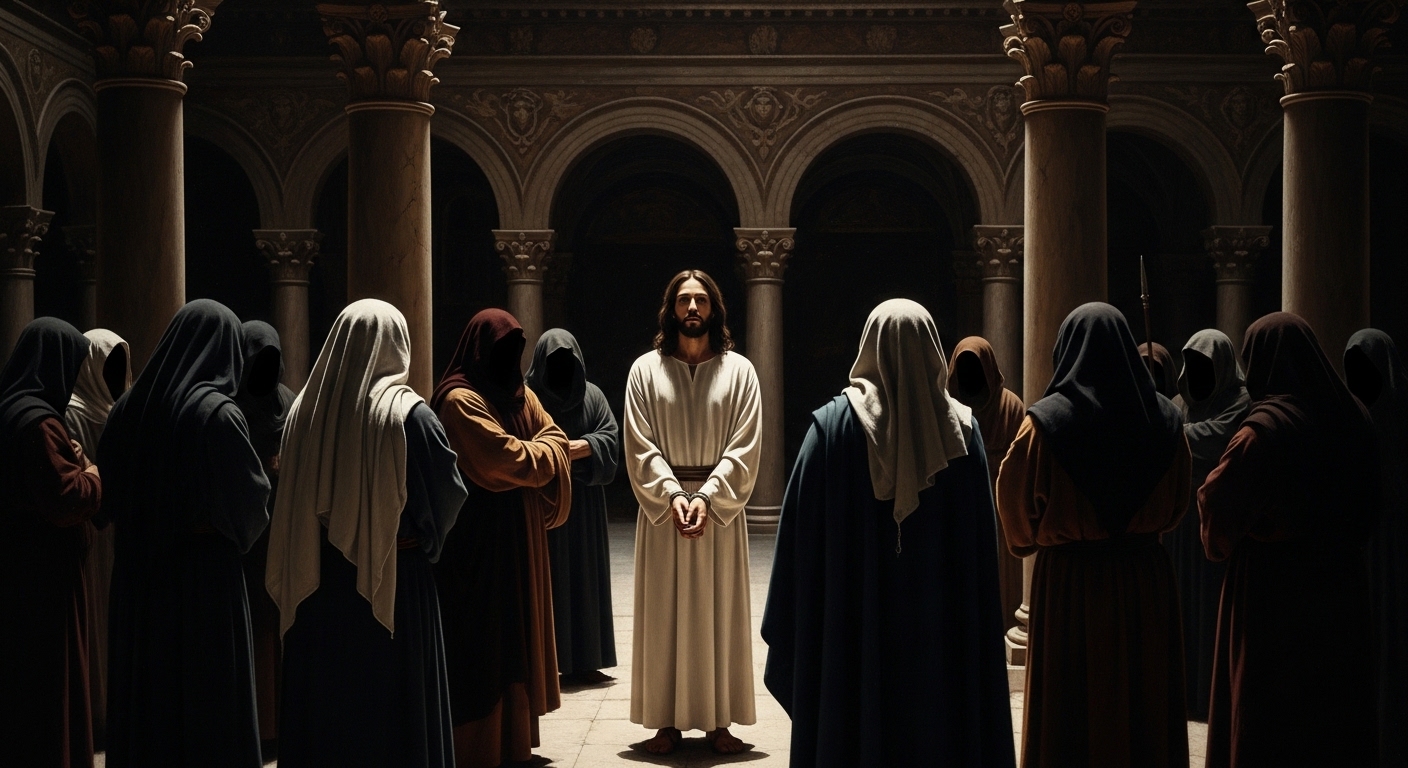
After the betrayal by Judas and the events of the upper room, Jesus was arrested in the Garden of Gethsemane. From there He was taken through a series of hurried hearings—first before Jewish religious authorities and then before Pontius Pilate, the Roman governor. The crowd was asked what should be done with Jesus, and their cry—“Crucify him!”—sealed His fate. Read the account of the choice presented to the crowd: Matthew 27:22–23. You notice how innocence and justice are inverted: an innocent man is condemned because of fear, political expediency, and the crowd’s rejection.
The story of Jesus’ condemnation shows you how rejection can be communal and institutional. Theologically, it highlights the scandal that God’s chosen Savior was rejected by those He came to save. Practically, when you face ignorance, hostility, or unfair treatment, the cross reminds you that suffering is not always a sign of God’s abandonment. Even in humiliation, there is a deeper plan at work.
2. Jesus Was Mocked and Beaten
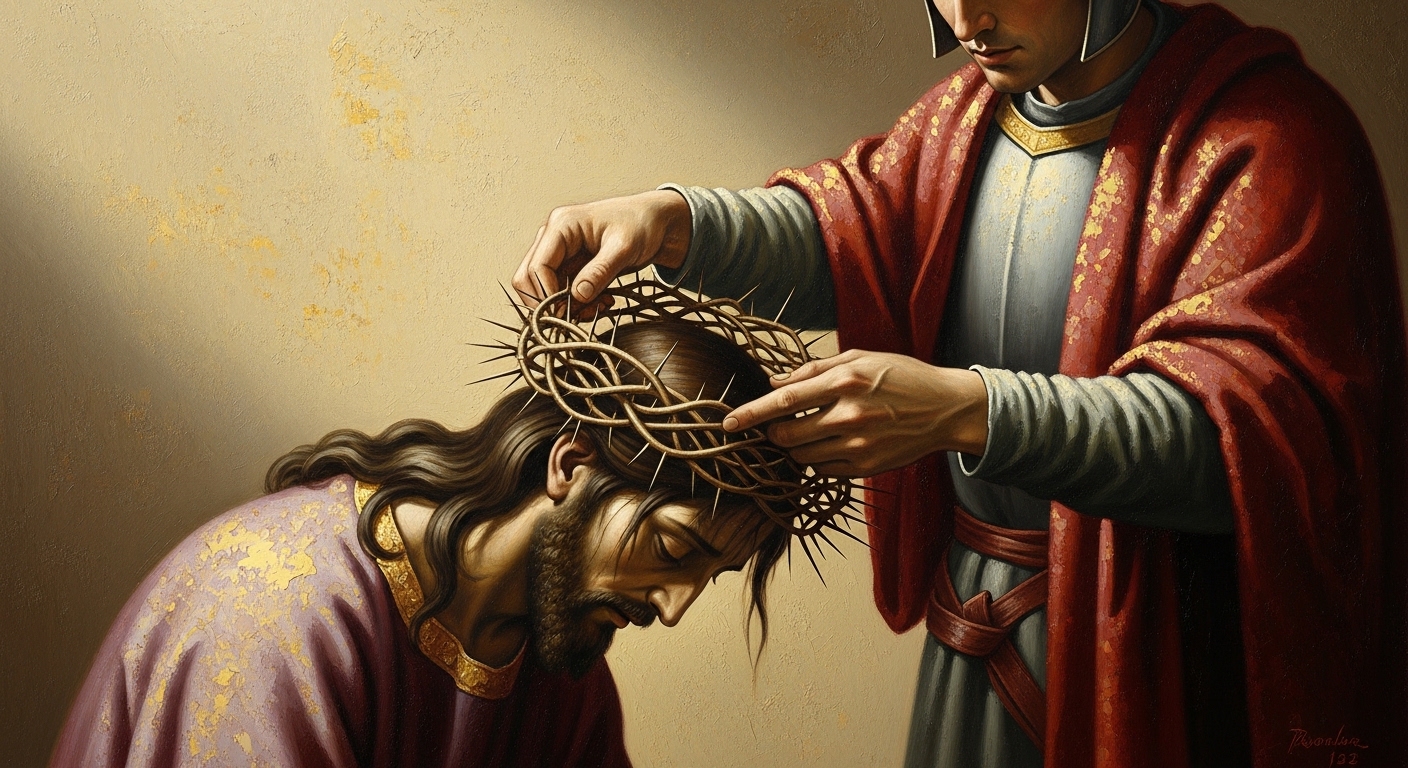
After the verdict, Jesus endured physical abuse meant to demean and degrade. Roman soldiers stripped Him, put a scarlet robe on Him, and fashioned a crown of thorns to mock His claim to kingship. The Gospel writer Matthew records this painful scene: Matthew 27:28–29. The point of their cruelty was to make a spectacle—to demonstrate their power and to humiliate Him.
This moment reveals two things to you: how deep human cruelty can be and how deep Jesus’ humility was. He allowed the mockery rather than using divine power to escape. That humility is central to Christian understanding of God’s character—God chooses to enter weakness rather than dominating by force. When you reflect on this, let it prompt gratitude and a rethink of how you view power, suffering, and compassion in your own life.
3. The Road to Golgotha and the Crucifixion
The path to the place of execution—Golgotha, meaning “place of the skull”—was a public road meant to display shame. Simon of Cyrene is pressed into service to carry the cross for Jesus, showing that sometimes others bear the visible burden with Him. When they reached Golgotha, Jesus was nailed to the cross and lifted between two criminals. The account of the actual crucifixion is brief and sober: Luke 23:33. Crucifixion was a brutal Roman form of execution designed to maximize pain and humiliation.
The cross becomes the central symbol of Christianity because it communicates sacrifice and substitution: someone took on the punishment you deserved. It’s a stark portrait of both the horror of sin and the depth of God’s love. As you picture the cross, don’t let it become merely an icon; allow it to call you to repentance and to a life that reflects the self-giving love it represents.
4. Even on the Cross, Jesus Forgave
One of the most striking moments on Good Friday is Jesus’ prayer for those who crucified Him. While in agony, He prayed, “Father, forgive them, for they do not know what they are doing.” See this extraordinary example of grace here: Luke 23:34. Jesus’ prayer shows you what perfect love looks like—love that prays for enemies and seeks restoration rather than retaliation.
This moment challenges you personally. When you’re hurt, offended, or wounded, forgiveness is your most countercultural option. The cross models radical forgiveness; it also shows that forgiving doesn’t mean ignoring justice, but it opens the way for reconciliation and healing in a deeper sense.
5. Darkness Covered the Land
A strange and vivid sign accompanies the crucifixion: darkness from noon until three in the afternoon. The Gospels record this detail as symbolic as well as historical. Read Matthew’s note about the darkness here: Matthew 27:45. The darkness suggests the weight of sin, judgment, and the cosmic significance of what was happening.
For you, this darkness can be a reminder that sin has consequences and that the world—even the created order—responded to the cosmic shift represented by the cross. Yet darkness is not the final word. You’re invited to see the darkness as a bridge to the light of Easter morning, where resurrection turns mourning into joy.
6. “It Is Finished” — Jesus Declares the Mission Complete
After hours on the cross, Jesus utters several short phrases, and one stands out as an announcement of completion: “It is finished.” That phrase is recorded in John 19:30. In that brief declaration you witness the fulfillment of prophecies, the completion of Jesus’ redemptive mission, and the opening of the way for reconciliation with God.
“It is finished” doesn’t mean nothing remains to be done; it means the essential work of atonement and redemption is accomplished. For you, that is life-transforming. The work you cannot do—paying for your sin, reconciling to God—has been completed by Christ. Your response is to rest in that finished work and to live in gratitude.

7. The Temple Veil Is Torn and the Centurion’s Confession
At the moment of Jesus’ death, the Gospel writers report additional dramatic signs: the curtain in the temple was torn in two from top to bottom, and the centurion standing nearby declared, “Surely he was the Son of God.” Matthew records the veil being torn: Matthew 27:51. And in Mark’s account, the centurion’s confession marks a surprising acknowledgment of Jesus’ identity by an outsider.
The torn veil symbolizes access. The separating curtain had divided the Holy of Holies—the presence of God—from the people. Its tearing means the way to God is now open because of what Jesus accomplished. The centurion’s statement invites you to consider how even unexpected people can recognize truth when they witness sacrificial love and divine authority. It’s a call to humility and faith.
8. Jesus Dies and Is Buried
After Jesus declares “It is finished,” He gives up His spirit: Luke 23:46. His death was real and final; it wasn’t a swoon or a temporary unconsciousness. Joseph of Arimathea, a secret follower, asks Pilate for Jesus’ body and arranges a burial in a nearby garden tomb. You can read about Joseph’s courageous act here: John 19:38. The burial completes the narrative of humiliation and prepares the story to move toward hope.
This part of the story shows you that death could not hold Jesus—the tomb would soon be empty. Yet for those hours and days between Friday evening and Sunday morning, grief and fear prevailed. If you’re in a season of waiting or loss, Good Friday understands that darkness feels real and thick. The promise is that this darkness is not final.
9. The Meaning: Jesus Died for Our Sins
At the heart of Good Friday is the theological claim that Jesus’ death was a sacrificial act for the forgiveness of sins. As Paul puts it, “While we were still sinners, Christ died for us” (see Romans 5:8). This is not merely an ethical example but a substitutionary sacrifice: Jesus took the penalty people deserved so that reconciliation with God could be possible.
Understanding this truth reshapes everything. You’re invited to receive forgiveness rather than try to earn it. The cross is both a place of suffering and the gateway to grace. When you accept that Jesus died for your sins, you gain a new identity, liberated from guilt and set free to live for God.
10. The Cross as Love, Not Just Law
Good Friday forces you to wrestle with two realities of God: justice and love. Justice demands that wrongdoing be accounted for; love provides a way for restoration. The cross is where justice and mercy meet. The doctrine of atonement can be explained in various ways—substitution, Christus Victor (Christ conquering the powers), moral influence—but each angle points to the radical love displayed on the cross.
When you internalize this, your understanding of God becomes less transactional and more relational. The cross shows you that God is willing to enter human brokenness, exercise perfect justice, and yet pay the cost Himself out of love.
11. Personal Application: Living in Light of Good Friday
How should Good Friday change your everyday life? There are practical ways to respond to the truth of the cross:
- Live in gratitude. Let the reality of being forgiven motivate your daily choices and attitudes.
- Practice forgiveness. If you’ve been forgiven so radically, extend that grace to others even when it’s costly.
- Embrace humility. Jesus’ willingness to suffer should reshape how you use power and influence.
- Worship with sincerity. Good Friday invites honest prayer that includes grief, confession, and trust.
Each of these responses is a practice: you’ll grow into them as you repeatedly choose them. The cross doesn’t only transform once—it reshapes a lifetime.
12. Reflection Questions to Guide Your Heart
Take time to reflect on these questions as you meditate on Good Friday. These questions help you convert knowledge into spiritual formation and honest self-examination. Ask yourself:
- Do you truly understand the cost of the cross for your life?
- Is there someone you need to forgive because of pain they caused you?
- How does the reality of your own sin and Jesus’ sacrifice change the way you relate to others?
These reflections are not meant to produce shame but to produce repentance and healing. Good Friday is a spiritual checkpoint that invites honest recalibration.
13. How Churches Remember Good Friday
Christian communities worldwide mark Good Friday in varied ways. Many churches hold solemn services with Scripture readings and silence, others practice tenebrae (services of shadows), while some fast or observe periods of quiet reflection. The common thread is remembrance—the community acknowledges the gravity of sin and the greatness of God’s remedy.
Attending a Good Friday service can help you engage with the story in a communal way. When you gather with others to remember the cross, you experience a shared spirituality that deepens personal faith and encourages mutual support.
14. Common Questions and Answers
You may have practical and theological questions about Good Friday. Here are a few concise answers to common queries:
- Why is it called “Good” Friday? The term “Good” may seem strange given the suffering it describes. But it’s “good” because it led to the ultimate good: redemption and restoration made possible through Jesus’ sacrifice.
- Did Jesus really die? Yes; the Gospels report eyewitness testimony and details of burial that affirm His death. See Luke 23:46 and the burial account in John 19:38.
- Who was responsible for Jesus’ death? The crucifixion involved multiple actors—religious leaders, the crowd, Roman authorities—but ultimately Christian theology points to human sin and God’s redemptive plan as the context for the event.
- Why was there darkness? The darkness reported in Matthew 27:45 can be read both as a historical sign and symbolically as the weight of divine judgment and sorrow. It signals that something cosmic was happening.
These answers are meant to help you wrestle honestly with the story and make sense of its paradoxes.
15. Good Friday in Light of Prophecy
Many Christians read Good Friday through the lens of Old Testament prophecy. Isaiah’s suffering servant passages are often linked to Jesus’ suffering. Consider Isaiah 53:5: “He was pierced for our transgressions…” Read it here: Isaiah 53:5. Prophecy helps you see Good Friday as fulfillment rather than an isolated tragedy—God’s plan threaded through history toward redemption.
Seeing Good Friday as prophetic fulfillment strengthens your confidence that God is sovereign and purposeful. If scripture foretold the suffering and its outcome, then your hope is not built on randomness but on divine promise.
16. How to Observe Good Friday Personally
If you want Good Friday to be more than a liturgical day, try simple, focused practices that help you remember and enter the story:
- Read the Passion narrative slowly (e.g., John 18–19) and pause at each scene to pray.
- Fast or simplify your day to cultivate attention and hunger for God.
- Spend time in confession and repentance; write down sins and lay them down before God.
- Meditate on the seven last words of Jesus, letting each phrase shape your prayers.
These practices are not a checklist to earn favor but tools to deepen your gratitude and to reorient your life around what the cross accomplished.
17. The Cross and Everyday Justice
Good Friday also speaks to social and systemic injustice. Jesus was condemned by a system that prioritized power and image over truth. When you remember the cross, you’re reminded to stand against injustice in all its forms—racial, economic, and political—because the God revealed on the cross champions the vulnerable and oppressed.
Let the cross fuel your compassion and action. Helping the marginalized and speaking truth to power become natural outworkings of a faith shaped by Good Friday.
18. Pastoral and Emotional Care on Good Friday
Good Friday can stir deep emotions—sorrow, anger, confusion, even relief. If you’re grieving a loss, wrestling with guilt, or feeling numb, the story of Good Friday meets you there. Pastoral care encourages you to bring your honest emotions to God and to seek community. The church’s liturgy of lament and intercession exists because God is present in suffering, not distant from it.
If you need support, let a trusted friend, pastor, or counselor know what you’re feeling. The cross invites community rather than isolation.
19. Good Friday and the Hope That Follows
Good Friday is not the final chapter—it’s the necessary preface to Easter. The silence of Saturday gives way to the proclamation of resurrection on Sunday. That hope is what transforms a day of horror into a moment of cosmic significance: the defeat of death and the promise of new life. Romans 6 and 1 Corinthians 15 unpack the implications of resurrection for your life, showing how Good Friday and Easter together shape Christian identity and mission.
So while you stand in the shadow of the cross, remember that it points you beyond itself to the empty tomb and the living Savior.
20. A Simple, Personal Reflection to End With
Take a few minutes now. Ask yourself:
- Do I really grasp what Jesus did on Good Friday?
- Am I living in the freedom His sacrifice offers?
- Who in my life needs the compassion and forgiveness modeled at the cross?
Answering these honestly can open you to transformation. Good Friday invites you into a posture of humility, repentance, and gratitude—attitudes that carry forward into every part of your life.
Closing Prayer
Lord Jesus, thank You for the sacrifice You made on the cross. Help me understand the depth of Your love and live in gratitude each day. Teach me to forgive as You forgave, to serve as You served, and to walk in the hope of the resurrection. Turn my sorrow into devotion and my doubts into trust. In Your name, Amen.
 Internal Resources to Explore
 Internal Resources to Explore
If you want to explore Palm Sunday, Holy Week, and related themes more deeply, these resources will help you understand how this moment fits into the larger story of Jesus’ mission:
Main Hub
Related Articles
- Maundy Thursday (The Last Supper – Matthew 26:17–30)
- Meaning of the Last Supper Explained
- The Theology of the Cross: Why It Matters
- Why Did Jesus Had to Suffer and Die?
- Resurrection Practices: Living in Easter Hope
Sponsored recommendation

Acknowledgment: All Bible verses referenced in this article were accessed via Bible Gateway (or Bible Hub).
“Want to explore more? Check out our latest post on Why Jesus? and discover the life-changing truth of the Gospel!”