



One of the deepest and most personal questions you can ask as a follower or seeker is: why did Jesus have to suffer and die? If God is loving and all-powerful, why would He allow—or even require—such a painful, public end for His Son? That question goes to the heart of the gospel and touches on the attributes of God you care about: justice, mercy, love, and holiness.
In this article you’ll walk through the biblical and theological reasons why Jesus’ suffering and death were necessary. You’ll see how Scripture explains sin’s consequences, how the cross reveals God’s love, and how the resurrection transforms suffering into victory. By the end you’ll have clearer answers you can hold with both head and heart, and practical steps to live in light of what Jesus accomplished.
Before we begin, hold this key prophecy close to your heart: Isaiah 53:5. It says, “He was pierced for our transgressions… by His wounds we are healed.” This ancient promise frames everything we’ll explore—Jesus’ suffering was neither random nor meaningless; it was deeply purposeful.
Introduction: The Question Behind the Cross
When you stare at the cross—whether in a church, in art, or in your imagination—you see both brutality and beauty. The brutality is obvious: a man executed in humiliation and pain. The beauty is less obvious but more profound: God’s heart laid bare. You may wrestle with the morality of substitutionary suffering, the fairness of God requiring a sacrifice, or the practical meaning for your everyday life.
This article is a step-by-step exploration. You’ll not only read theological reasons but also practical applications so you can carry the meaning of the cross into your relationships, daily choices, and spiritual life. Expect Scripture referenced and linked so you can read the texts in full for yourself.

✝️ The Key Bible Verse
The prophecy that points directly to Jesus’ suffering is a cornerstone of understanding the cross. Read it and let it shape your thinking: Isaiah 53:5. The prophet speaks of a suffering servant who takes on the penalty of others. When you read Isaiah in light of Jesus’ life and death, the painful scenes of the Passion take on a prophetic meaning: Jesus fulfills this role by accepting suffering on behalf of humanity.
This verse also introduces a theme that repeats throughout Scripture—redemptive suffering. It’s not merely pain; it’s pain with purpose. You’ll see this pattern again in the New Testament descriptions of Christ’s work.
⚖️ 1. To Pay the Penalty for Sin
The Bible is candid about the consequences of sin: “For the wages of sin is death…” See Romans 6:23. That is a simple, stark statement of spiritual reality—sin earns a penalty. In the biblical worldview, sin isn’t just breaking a rule; it’s breaking a relationship with a holy God. Justice demands that wrongdoing be addressed.
When justice is required, someone must bear the penalty. In human legal systems you might expect the guilty to pay, but Scripture shows that all people fall short. If humanity were left to pay its own penalty, the outcome would be separation from God. So why did Jesus take that penalty? Because justice and mercy meet at the cross.
Jesus’ death is a substitution: He takes on what you and I deserved so that God’s justice is satisfied while mercy is extended to the guilty. This doesn’t make God arbitrary or unjust; rather, it shows how justice can be honored and yet mercy offered. When you grasp that, the cross becomes both terrifying and freeing—terrifying for the seriousness of sin, freeing for the breadth of God’s grace.
Application: Let this reality shape how you see your moral choices. Recognize sin’s seriousness, but also let the cross free you from trying to earn forgiveness through your own efforts.

❤️ 2. To Show God’s Love
The cross is the clearest demonstration of divine love. Read Paul’s words: “But God demonstrates his own love for us in this: While we were still sinners, Christ died for us” (Romans 5:8). Love in Scripture isn’t sentimentalism; it’s costly, sacrificial, and active. Loving you meant acting on your behalf when you were least deserving.
This shows you two things about God’s heart. First, He doesn’t wait for you to be perfect before He acts. Second, His love is not abstract—it is incarnational and costly. The cup of suffering that Jesus willingly drank is the measure of how far God is willing to go to rescue you. That kind of love transforms how you relate to God: not as a distant judge, but as a Father who reached into your mess.
Application: Allow the cross to shape your identity. You aren’t loved because of your performance; you’re loved because Christ loved you. This changes your shame into gratitude and your performance-driven faith into responsive trust.
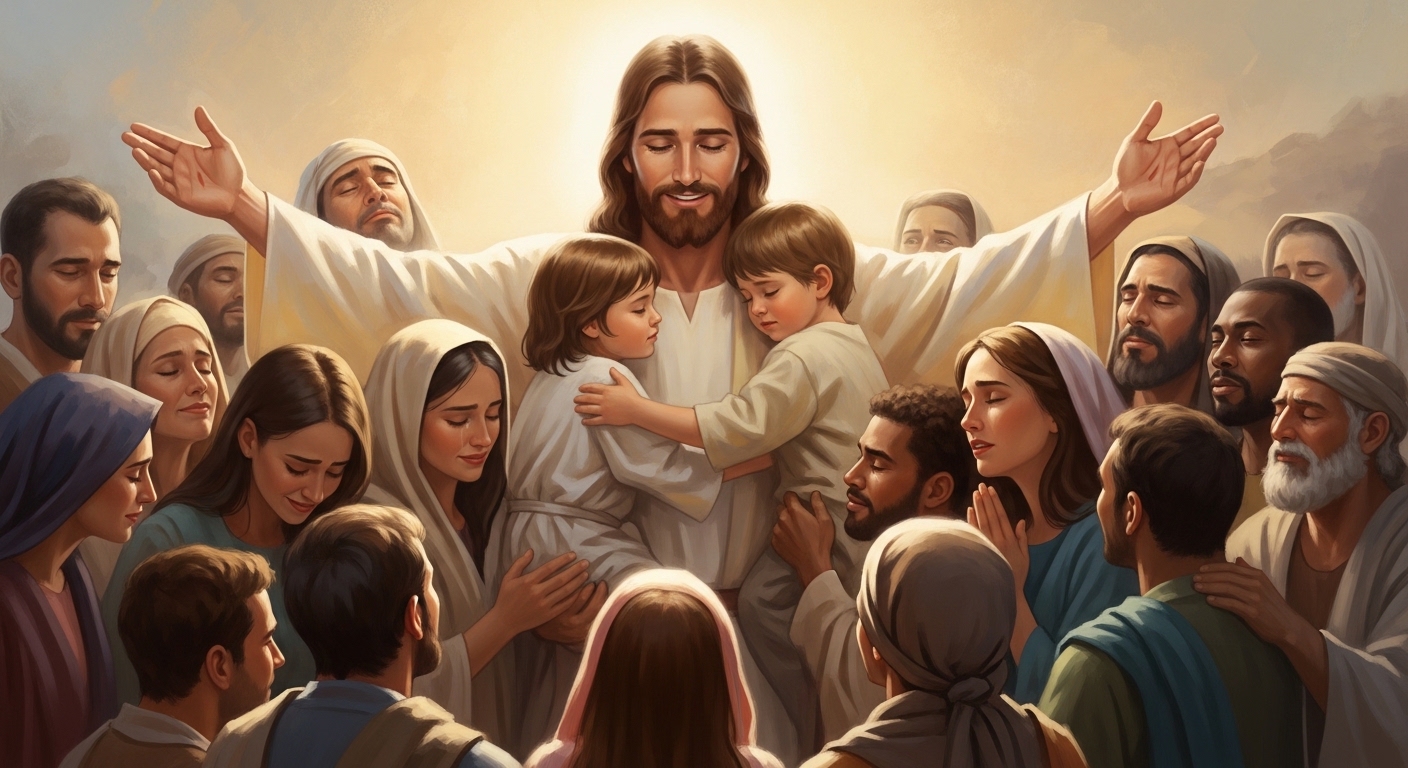
🩸 3. To Bring Forgiveness
The Old Testament sacrificial system made a clear point: forgiveness came through ordained sacrifice. Hebrews puts it bluntly: “Without the shedding of blood there is no forgiveness” (Hebrews 9:22). The law pointed forward to an ultimate, perfect sacrifice—a sacrifice that would not need repeating.
Jesus’ death is the fulfillment of that sacrificial system. He is the final, perfect sacrifice once and for all. Because of this, the forgiveness offered through Jesus is complete and effective. It doesn’t depend on ritual repetition but on the finished work of Christ.
When you accept Jesus’ forgiveness, your guilt does not evaporate by willpower but by divine declaration. The penalty has been paid; your slate is cleared. That clearance is not an abstract legal move—it also restores your moral standing and opens the way for real transformation.
Application: Receive forgiveness as a gift, not as something you earn. Let this alter how you handle guilt—confess, receive pardon, and move forward in new life.
🔗 4. To Reconcile Us to God
Sin did more than earn a penalty—it fractured your relationship with God. Paul explains, “All this is from God, who reconciled us to himself through Christ” (2 Corinthians 5:18). Reconciliation means restoration of a relationship that was broken. Jesus’ death bridges the gap that sin created.
Think of the cross as a bridge-builder. It addresses the legal problem (justice) and the relational problem (alienation). When you trust Christ, the barrier between you and God is removed. God doesn’t just forgive in a vacuum; He brings you back into fellowship. That’s why the New Testament speaks of adoption, access to God’s presence, and intimacy with the Father as results of Christ’s work.
Application: Live with confidence in your restored relationship. Approach God in prayer, worship, and fellowship—not as someone who must earn access, but as a child who has been welcomed home.
🕊️ 5. To Fulfill God’s Plan
Jesus Himself explained after the resurrection that suffering and death were not unexpected: “Did not the Messiah have to suffer these things…?” (Luke 24:26). The cross was never an afterthought or a cosmic accident. From the prophecies of the Old Testament to Jesus’ own predictions, the narrative shows a purposeful plan.
Understanding this helps you trust God even when suffering doesn’t make sense. If the cross was part of God’s redemptive strategy, then suffering in the present world can also have meaning within God’s sovereign purposes. That doesn’t make pain pleasant, but it places it within a larger story of hope and restoration.
Application: Let the cross teach you to trust God’s long-range purposes. When life is confusing, remember that God is working through history toward redemption.
🌅 6. To Give Us New Life
Jesus did not die merely to cancel a debt—He died to bring life. In His words, “I have come that they may have life…” (John 10:10). The cross opens the door to life that is both abundant now and eternal in the age to come.
This new life is multifaceted. It includes spiritual renewal—regeneration of your heart—moral transformation—putting off sin and putting on Christ—and relational restoration—being reconciled to God and fellow humans. Death could never be God’s final word. Through the resurrection, Jesus turns suffering into victory and opens the path for your own resurrection hope.
Application: Live in resurrection hope. Let the new life Jesus gives reshape your habits, priorities, and relationships. You aren’t called to mere moral improvement but to a transformed life anchored in the risen Christ.

The Cross and the Cosmic Battle
You may wonder whether the cross affects more than your individual salvation. Scripture presents the cross as a decisive event in a cosmic struggle. Jesus’ death and resurrection defeat powers that held humanity captive—sin, death, and darkness. The cross is a victory banner: it disarms hostile spiritual forces and inaugurates God’s reign.
When you see the cross this way, your daily trials aren’t random blows from a blind universe but skirmishes in a larger battle where Christ has already declared victory. That changes how you pray and fight—not in fear, but with courage grounded in the cross’s triumph.
Application: Approach spiritual challenges with the confidence that the decisive victory has been won. Pray for victory and live boldly, because Jesus has already broken the power of what once bound you.
The Scandal and Splendor of Substitution
The idea that one person would bear the penalty for others is scandalous to human sensibilities. It feels unjust: why should the innocent suffer for the guilty? The New Testament consistently affirms substitutionary atonement, not as a theological curiosity, but as the heart of the gospel.
This substitution is not divine cruelty; it is divine condescension. God entered human suffering—through Jesus—and absorbed the consequences of sin Himself. The splendor is that God did not remain distant. The scandal is that He paid the price Himself. If you find this hard, you are in good company: it’s meant to stretch your imagination about what love is capable of.
Application: Wrestle honestly with the difficulty, but don’t let intellectual unease keep you from responding to the grace the cross offers.
How the Cross Shapes Christian Living
The cross isn’t merely an explanation for how salvation works; it’s a shape for your life. The New Testament repeatedly calls believers to live cruciform lives—lives shaped by the cross. That means you’re called to sacrificial love, humility, forgiveness, and service.
When you internalize the cross’s logic, your moral choices change. You no longer measure life by self-preservation but by sacrificial love. You imitate the One who humbled Himself and served. The cross as pattern invites you into a life that reveals God’s character to the world.
Application: Consider practical ways to live cruciformly—forgive an offender, prioritize others’ needs, and choose humility in relationships. Let your daily choices reflect the cross.
Pastoral Comfort from the Cross
If you’re in the midst of grief, depression, or doubt, the cross offers pastoral comfort. It shows that God knows suffering; He entered it. Jesus’ suffering was not cosmetic—He felt betrayal, abandonment, physical pain, and spiritual desolation. Because Jesus experienced suffering, you can bring your pain honestly to Him.
At the same time, the cross promises redemption: suffering is not meaningless noise but a note in a larger symphony of redemption. The resurrection ensures that pain will not have the final word. You are invited to cast your burdens on a Savior who carried the heaviest burden of all.
Application: Bring your honest feelings to Jesus in prayer. Let the cross be a source of comfort that acknowledges pain and points toward ultimate healing.
Common Questions and Concerns
You might still have questions. Is the idea of substitution fair? How does God’s sovereignty interact with human responsibility? Why did purity require blood? These are good questions—worthy of careful reflection. Many theologians and counselors work through these mysteries by holding tensions: God is both just and merciful, Jesus is both fully God and fully man, and the cross is both a historical event and a cosmic turning point.
Don’t be discouraged if you don’t have all the answers. Faith often holds questions together with trust. Use Scripture as your main guide and engage with thoughtful resources that address these themes from biblical perspectives.
Application: Keep asking. Read Scripture, pray, and engage with wise teachers. Faith deepens as honest questions are brought into the light.
Simple Reflection
Pause and ask yourself:
- Do you truly understand why Jesus suffered?
- Are you living in response to His sacrifice?
- Have you accepted His forgiveness fully?
These questions are not meant to guilt you but to invite honest self-examination and deeper trust.
Conclusion: Where Justice and Mercy Meet
Jesus did not suffer and die without reason. The cross addresses the legal consequences of sin, demonstrates the depth of God’s love, provides forgiveness, reconciles a broken relationship, fulfills God’s redemptive plan, and gives you new life. In short, the cross is where justice and mercy meet.
As you live in the light of the cross, let it shape not only your theology but your everyday life—how you love others, how you carry suffering, and how you find hope. The cross is an invitation into a transformed life rooted in the risen Christ.
Closing Prayer
Lord, Thank You for the sacrifice of Jesus and the love shown through the cross. Help me understand the depth of what He has done for me. Teach me to live in gratitude, faith, and obedience. In Jesus’ name, Amen.
 Internal Resources to Explore
 Internal Resources to Explore
If you want to explore Palm Sunday, Holy Week, and related themes more deeply, these resources will help you understand how this moment fits into the larger story of Jesus’ mission:
Main Hub
Related Articles
- What Happened on Good Friday?
- The Theology of the Cross: Why It Matters
- Meaning of the Last Supper Explained
- Maundy Thursday (The Last Supper – Matthew 26:17–30)
- Resurrection Practices: Living in Easter Hope
Sponsored recommendation

Acknowledgment: All Bible verses referenced in this article were accessed via Bible Gateway (or Bible Hub).
“Want to explore more? Check out our latest post on Why Jesus? and discover the life-changing truth of the Gospel!”