


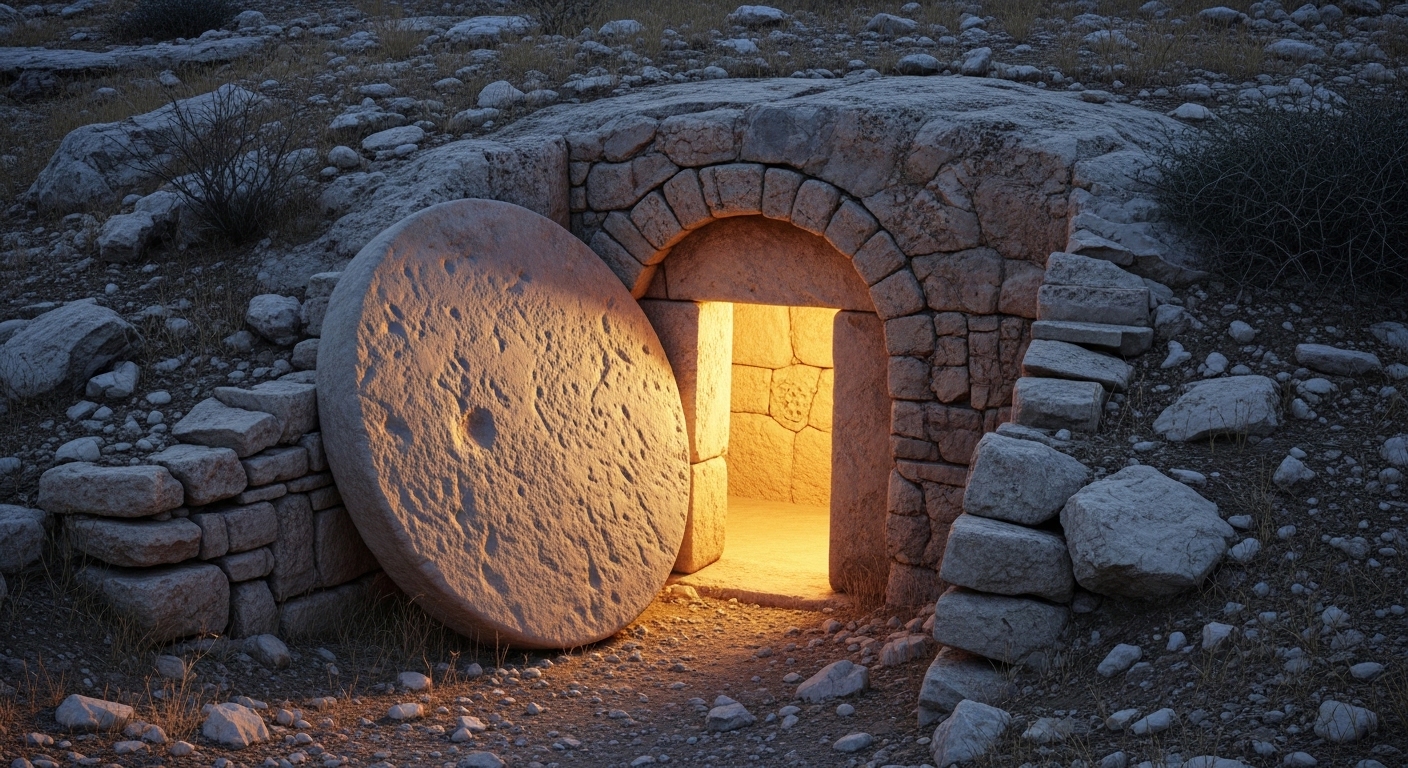
If you want to understand the resurrection more deeply, the best place to start is Scripture. You’ll find that the Bible doesn’t treat the resurrection as a single isolated fact but as the central truth that shapes hope, identity, worship, and mission. These verses reveal the resurrection’s truth, power, and meaning in ways that transform how you live now and how you expect the future to unfold.
Quick Answer
The Bible teaches that Jesus rose from the dead, proving His power over sin and death and offering new life to believers. The resurrection is the hinge of Christian faith: without it, Christianity loses its basis for forgiveness, victory over death, and the hope of eternal life. Because Jesus rose, you can trust that God’s promises are reliable and that death is not the final word.
Key Bible Verse
Verse: Matthew 28:6
“He is not here; He has risen, just as He said.”
You can read this moment as the decisive announcement that fulfills Jesus’ promise and ushers in a new reality. The angel’s words point to fulfillment and to a living Christ who continues to act in history and in your life today. Read the verse here on Bible Gateway: Matthew 28:6.
Clear Explanation
What the Resurrection Means
The resurrection means that death has been defeated in Jesus. It is not merely a spiritual metaphor; Scripture presents the resurrection as a historical event with lasting theological consequences. When you accept the reality of the risen Christ, you are invited into a life renewed by grace, empowered by the Spirit, and guaranteed by God’s faithfulness. This gives direction to your daily choices, your hope in suffering, and your understanding of eternity.
How Scripture Presents the Resurrection
The New Testament recounts the resurrection through eyewitness testimony, apostolic preaching, and theological reflection. The Gospels narrate the discovery of the empty tomb and Jesus’ post-resurrection appearances. Acts and the Epistles explain its meaning for the church. Paul, especially in 1 Corinthians and Romans, offers a theological synthesis showing how the resurrection secures your justification, newness of life, and final hope. Each passage adds facets to the one great truth: Jesus is alive.

Key Resurrection Bible Verses and What They Show
Below are several core passages that you can study. Each link takes you directly to the verse or passage on Bible Gateway (NIV).
Matthew 28:6 — He Has Risen
“I tell you the truth: ‘He is not here; He has risen, just as He said.’” Read it on Bible Gateway: Matthew 28:6.
This announcement at the empty tomb is the Gospel’s pivot. You can feel the shock and wonder: what was prophesied has arrived. For you, this verse is the foundational proclamation—your faith roots in a resurrected Savior, not a distant memory.
Luke 24:6–7 — Remember What He Told You
“He is not here; he has risen! Remember how he told you, while he was still with you in Galilee…” Read it on Bible Gateway: Luke 24:6-7.
Luke invites you to connect the resurrection with Jesus’ prior teaching. The empty tomb confirms Jesus’ own words about suffering, death, and rising on the third day. This linkage shows that Scripture and Jesus’ promises are trustworthy, encouraging you to live by what He said.
John 11:25 — “I Am the Resurrection and the Life”
“Jesus said to her, ‘I am the resurrection and the life. The one who believes in me will live, even though they die.’” Read it on Bible Gateway: John 11:25.
When you read Jesus’ claim to Martha, you hear the personal comfort and the universal scope of His power over death. This verse is tender and direct: Jesus is not only the source of future resurrection but the present source of life that overcomes fear and grief.
Romans 6:9 — Death No Longer Has Power
“For we know that since Christ was raised from the dead, he cannot die again; death no longer has mastery over him.” Read it on Bible Gateway: Romans 6:9.
Paul explains the irreversible nature of Jesus’ resurrection. For you, this means the victory is secure. Because Jesus rose, sin’s power and death’s sting are broken for those who are united with Him.
1 Corinthians 15:20 — The Firstfruits
“But Christ has indeed been raised from the dead, the firstfruits of those who have fallen asleep.” Read it on Bible Gateway: 1 Corinthians 15:20.
Paul uses agricultural imagery to describe Jesus as the “firstfruits,” guaranteeing a full harvest. You can take comfort in the order and faithfulness of God: Jesus’ resurrection assures your future resurrection.
1 Corinthians 15:3–8 — The Apostle’s Summary of Witnesses
“For what I received I passed on to you as of first importance: that Christ died for our sins… that he was buried, that he was raised on the third day according to the Scriptures, and that he appeared to Cephas, then to the Twelve.” Read it on Bible Gateway: 1 Corinthians 15:3-8.
This passage highlights the apostolic core: death, burial, resurrection, and eyewitness appearances. For you, the eyewitness list strengthens the historical credibility of the resurrection and grounds your faith in testimony.
Acts 2:24 and Acts 2:32 — God Raised Him Up; We Are Witnesses
“God raised him from the dead… This Jesus God raised up, and we are all witnesses of the fact.” Read these on Bible Gateway: Acts 2:24 and Acts 2:32.
Peter’s sermon links the resurrection to prophecy and to the apostles’ testimony. You see the resurrection as public history, not private persuasion. The early church’s conviction invites you to consider the evidence and the transformations that followed.
Mark 16:6 — Don’t Be Alarmed
“‘Don’t be alarmed,’ he said. ‘You are looking for Jesus the Nazarene, who was crucified. He has risen! He is not here.’” Read it on Bible Gateway: Mark 16:6.
Mark captures the raw emotion at the tomb. The angel’s reassurance can calm your own fears about loss and uncertainty: the God who acts in history continues to act on your behalf.
John 20:1–18 — Mary Magdalene and the Risen Lord
“Mary stood outside the tomb weeping… Jesus said to her, ‘Mary.’” Read the passage on Bible Gateway: John 20:1-18.
John’s narrative is intimate and personal. When Jesus calls Mary by name, you see resurrection ministry as relational: the risen Christ meets individuals in grief, confusion, and faith. This passage invites you to expect personal encounter with the living Lord.
John 20:29 — Blessed Are Those Who Believe
“Then Jesus told him, ‘Because you have seen me, you have believed; blessed are those who have not seen and yet have believed.’” Read it on Bible Gateway: John 20:29.
This verse addresses your faith directly. You are invited into blessedness when you trust without physical sight. The resurrection encourages faith that perseveres beyond evidence but is not without reason.
Romans 8:11 — Spirit and Resurrection
“And if the Spirit of him who raised Jesus from the dead is living in you, he who raised Christ from the dead will also give life to your mortal bodies through his Spirit, who lives in you.” Read it on Bible Gateway: Romans 8:11.
Paul links the Spirit’s present work to future bodily resurrection. For you, this means the power that raised Jesus is the same power at work inside you now—giving hope, endurance, and the promise of bodily renewal.
Philippians 3:10–11 — Know Christ and the Power of His Resurrection
“I want to know Christ—yes, to know the power of his resurrection and participation in his sufferings…” Read it on Bible Gateway: Philippians 3:10-11.
Paul’s longing shows that resurrection power is not only about the future; it shapes present discipleship. You’re invited to experience resurrection power in daily transformation and in sharing Christ’s suffering with hope.
1 Peter 1:3–5 — A Living Hope Through the Resurrection
“Praise be to the God and Father of our Lord Jesus Christ! In his great mercy he has given us new birth into a living hope through the resurrection of Jesus Christ from the dead.” Read it on Bible Gateway: 1 Peter 1:3-5.
Peter calls the resurrection the foundation of your living hope. This hope is not vague optimism; it is a grounded expectation based on God’s mercy and a secured inheritance that the resurrection guarantees.
Revelation 1:17–18 — The Risen Lord Holds the Keys
“‘Do not be afraid. I am the First and the Last. I am the Living One; I was dead, and now look, I am alive for ever and ever!’” Read it on Bible Gateway: Revelation 1:17-18.
John’s vision presents the resurrected Christ as sovereign over history and death. You can take comfort in Jesus’ eternal presence and authority over your life’s circumstances.
Psalm 16:10 — Foreshadowing in the Old Testament
“because you will not abandon me to the realm of the dead, nor will you let your faithful one see decay.” Read it on Bible Gateway: Psalm 16:10.
The New Testament quotes this psalm as prophecy about the Messiah’s resurrection. The Old Testament roots the resurrection in God’s covenant faithfulness, reminding you that God’s plan spans both Testaments.
Isaiah 25:8 and Ezekiel 37:12–14 — God’s Victory Over Death
“he will swallow up death forever” (Isaiah 25:8). Read it on Bible Gateway: Isaiah 25:8. Ezekiel’s valley of dry bones speaks of God giving life. Read it on Bible Gateway: Ezekiel 37:12-14.
These passages show that the theme of God bringing life from death is woven throughout Scripture. You gain confidence knowing the resurrection fits within God’s broader purpose to restore creation.

Why These Verses Matter for You?
These verses matter because they confirm the resurrection’s reality, strengthen your faith, and remind you of God’s promises. The biblical witness is both doctrinal and pastoral: it offers theological clarity about salvation and tender encouragement for everyday living. When you read these passages, you’re encountering a God who acts decisively to redeem, restore, and empower.
What the Resurrection Shows You?
The resurrection reveals several practical and spiritual truths that affect your life now:
- Jesus is alive: Your faith centers on a living person, not a dead teacher.
- Hope is real: God has initiated the final reversal of death and loss.
- Eternal life is promised: Resurrection means not only survival of the soul but future bodily renewal.
- Present power: Resurrection power motivates mission, moral courage, and endurance.
Each of these points translates into how you pray, serve, and face suffering.
The Resurrection and Your Daily Life
The resurrection isn’t only a remote future hope; it shapes your present. When you allow resurrection truth to inform your days, you find resilience in hardship, motivation for holy living, and a perspective that values eternity without dismissing present concerns. Practically, this looks like prayer informed by hope, generosity rooted in eternity, and courage that trusts God’s ultimate vindication.

Facing Doubts and Questions
You may wrestle with doubts: How can a body rise? Is the resurrection historically credible? Scripture engages these questions by offering testimony, fulfilled prophecy, and theological rationale. The New Testament’s eyewitness accounts, the apostles’ willingness to suffer for their testimony, and the transformative power seen in the early church all invite honest investigation. Wrestling with doubt can lead to deeper faith when you examine both the evidence and the personal implications of belief.
Historical and Theological Significance
Historically, the resurrection changed everything. The disciples who fled at the cross became bold proclaimers in a few weeks. Theologically, the resurrection validates Jesus’ identity and work—His atoning death, His victory over sin, and His lordship. For you, this means that the resurrection is the assurance that God’s justice and mercy meet in Christ and that your trust in Him isn’t misplaced.
How to Read Resurrection Passages Devotionally
Reading these passages devotionally involves attention and application. Slow down, read contextually, and let the text speak to your heart. Ask questions like: What does this reveal about Jesus? How should this change my life? Then respond in prayer, repentance, gratitude, or action. You’ll find that the resurrection passages are not just doctrinal statements but invitations to live differently.
Practical Application
You can apply resurrection truth in concrete ways. Read and reflect on Scripture daily to keep hope active. Stand on God’s promises when anxiety rises. Live with confidence and hope in your relationships, work, and trials. Let resurrection power influence how you forgive, serve, and prioritize eternal things over temporary gain.
Quick Reflection Questions
Which verse speaks to you most? How can you apply it today? Take a few moments to answer these honestly and let the Scriptures shape your next steps. Honest reflection helps moves truth from head knowledge to heart practice.
What Happened After Jesus Rose? (Short Overview)
After the resurrection, Jesus appeared to many—individuals and groups—over a period of forty days. He taught, gave final instructions, and commissioned the disciples to proclaim the Gospel. The apostles then received the Holy Spirit at Pentecost, empowering them to start the church. You can follow this timeline in Acts and Paul’s letters, which show the resurrection’s transformative effect on early Christian life and mission.
Common Objections and Respected Responses
People sometimes suggest the resurrection was hallucination, legend, or conspiracy. Scripture and historical study respond by pointing to multiple independent witnesses, early creedal statements, the empty tomb, and the disciples’ radical life changes. You can engage these objections honestly, considering both historical evidence and the personal testimony of transformed lives.
Resurrection and Eschatology (End Times)
The resurrection is integral to Christian eschatology. New Testament writers teach a future bodily resurrection for believers and final judgment for injustice. The hope you hold is not vague; it is personal and cosmic, promising renewal for you and for all creation. This shapes how you live ethically and how you steward creation in light of God’s coming restoration.
Further Reading and Study Tips
Study resurrection passages in context. Read the Gospel accounts together, then move to Acts and Paul’s letters for theological reflection. Use reputable commentaries and Bible study tools to deepen your understanding. Regular reading and prayerful reflection will make the resurrection more real and more powerful in your daily life.
Conclusion
The resurrection is a truth revealed clearly through Scripture. It anchors your hope, secures your identity in Christ, and empowers you for faithful living. As you study the verses above, allow them to shape your worship, your courage, and your expectation for God’s final renewal.

Short Prayer
Lord, help me hold onto Your Word and live by it daily. Grant me the faith to trust in the risen Jesus, the courage to live in light of His victory, and the hope that shapes every part of my life. Amen.
 Internal Resources to Explore
 Internal Resources to Explore
If you want to keep learning, consider reading more on these topics:
Main Hub
 Main Hub
 What Happened After Jesus Rose From The Dead? (Full Timeline Explained)
Go deeper
These resources can help you move from head knowledge to heart transformation.
Sponsored recommendation

Acknowledgment: All Bible verses referenced in this article were accessed via Bible Gateway (or Bible Hub).
“Want to explore more? Check out our latest post on Why Jesus? and discover the life-changing truth of the Gospel!”