



Introduction
You probably know the miracles of Jesus as astounding supernatural events recorded in the Gospels—storms calmed, blind eyes opened, the dead raised, bread multiplied. But those events are not just impressive demonstrations of power. They are intentional signs pointing to Jesus’ identity, God’s heart for people, and how you can relate to God today. In this article you’ll explore the main categories of Jesus’ miracles, what they meant in their original context, and practical lessons you can apply now.

Quick Answer
The miracles of Jesus show His authority and compassion: He has power over nature, sickness, spiritual forces, and death. More than spectacle, each miracle reveals who Jesus is — the Messiah and Son of God — and invites you to trust Him.
Key Bible Verse
Jesus performed signs so that people might believe in who He is. This purpose is stated clearly in Scripture: John 20:30–31.
How to Read the Miracles: Signs, Not Just Tricks
When you read the Gospels, notice that the authors often call these events “signs” rather than merely miracles. Calling them signs points you to meaning beyond the immediate act. Signs communicate a message about Jesus’ identity and God’s kingdom. The Gospel writers connect miracles to teaching and to prophecy fulfillment, urging you to see a coherent picture: God is breaking into the world to restore, reconcile, and heal.
1. Power Over Nature
Calming the Storm
When you face life’s storms—sudden crises, fear, or chaos—you can look to the moment Jesus stilled a storm to see what it teaches about His authority. Read the account where Jesus rebukes wind and waves and the disciples respond in awe: Mark 4:35–41. That episode shows that Jesus’ sovereignty extends even over creation’s forces, and His presence brings peace into chaos.
Walking on Water
Another striking scene is Jesus walking on the sea toward His disciples in a boat. This event illustrates two things: Jesus’ mastery of natural laws and the invitation to faith even amid fear. Peter’s attempt to walk to Jesus and his faltering demonstrates how faith connects you to Jesus’ power, while doubt can estrange you from it. See the story: Matthew 14:22–33.
Multiplying Food
Feeding thousands with a few loaves and fishes points to Jesus’ provision. The feeding of the 5,000 reveals God’s abundance and his care for physical needs, linked to deeper spiritual provision. The crowd’s reaction and Jesus’ later teaching about being the Bread of Life show that the miracle points beyond mere sustenance to a spiritual reality. Read this event here: John 6:1–14.

2. Power Over Sickness
Healing the Blind
When you read stories of blind people receiving sight, consider how physical sight becomes a metaphor for spiritual understanding. Jesus’ healing of a man born blind forces you to ask whether you see who Jesus is. The story in John is especially instructive, revealing opposition, misunderstanding, and the journey from ignorance to belief: John 9:1–7.
Healing the Lame
The healing of people who could not walk shows Jesus’ compassion and authority to restore broken bodies and lives. The pool-side healing at Bethesda challenges religious leaders and highlights Jesus’ boldness in bringing restoration on the Sabbath: John 5:1–9. These healings also model how restoration often has social and communal consequences, not just individual relief.
Cleansing Lepers
Leprosy was a disease that touched social identity and exclusion. When Jesus cleansed lepers, He restored them to community and dignity, showing that His miracles often addressed both physical and social alienation. One vivid account: Luke 5:12–16.

3. Power Over Spiritual Forces
Casting Out Demons
Jesus’ encounters with demons demonstrate His authority in the spiritual realm and His mission to liberate people from bondage. The Gerasene demoniac’s dramatic deliverance highlights both the destructive power of evil and the transformative freedom Jesus brings: Luke 8:26–39. These stories call you to recognize spiritual realities while trusting Jesus as the definitive authority.
Authority to Forgive Sins
Some miracles were accompanied by claims to forgive sins, revealing Jesus’ deeper claim to divine prerogatives. When Jesus forgave the paralytic and then healed him, He provoked questions about identity and authority: Mark 2:1–12. That miracle ties physical healing to spiritual reconciliation and stresses that restoration is holistic.
4. Power Over Death
Raising the Dead
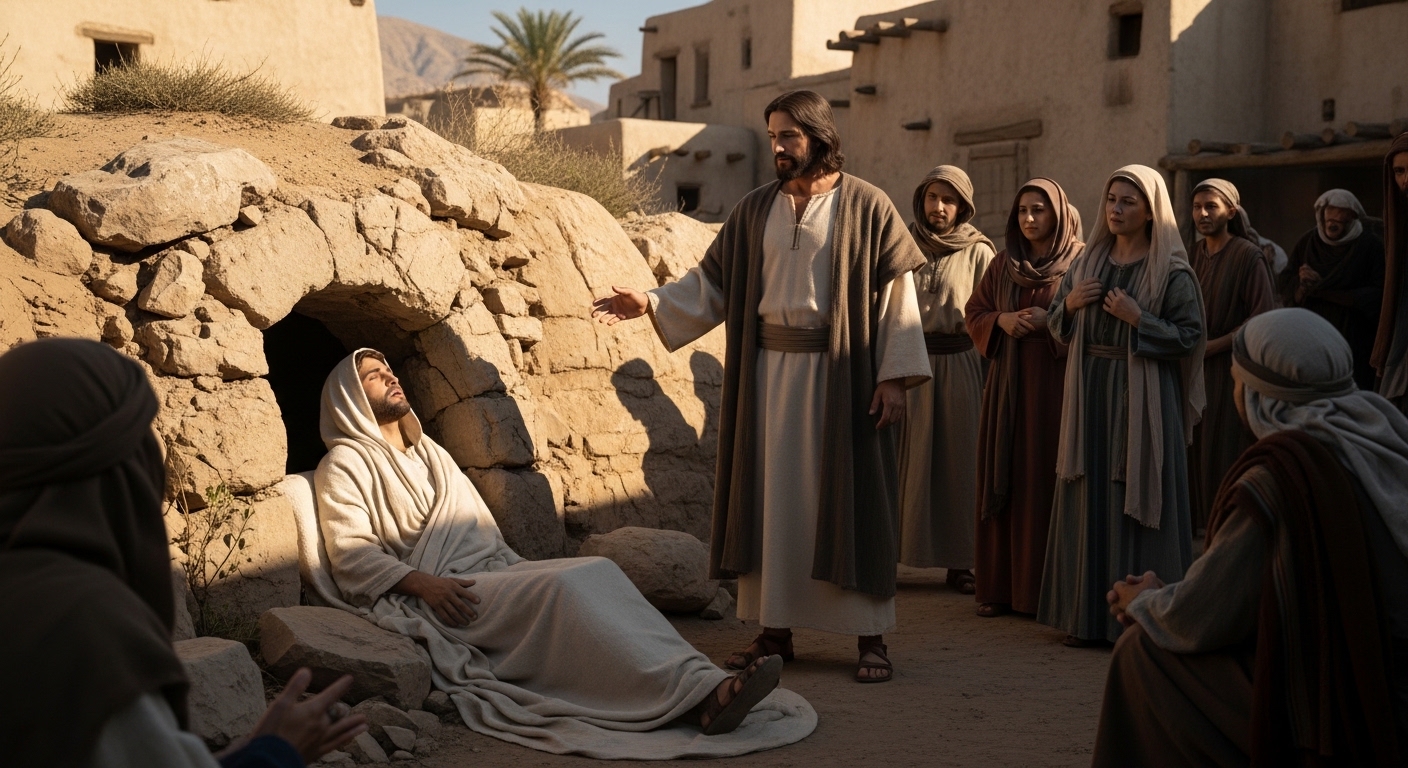
Perhaps the most dramatic demonstrations are the raisings of the dead. Jesus raised Jairus’ daughter: Mark 5:21–43. He also raised Lazarus after four days in the tomb: John 11:1–44. These events show that death is not the final word. They foreshadow Jesus’ own resurrection, the central miracle that anchors Christian hope.
The Resurrection: The Ultimate Sign
Jesus’ own resurrection is the climax of the miracle narrative and the foundation for Christian faith. The empty tomb and the appearances of the risen Christ are fundamental to the claim that God has conquered death. Read one of the accounts of the resurrection: Matthew 28:1–10. The resurrection confirms Jesus’ identity and mission, and it shapes your hope about life, justice, and God’s future restoration.
Why These Miracles Were Meaningful in Their Context
When you place the miracles in first-century Jewish context, several layers of significance emerge. Jews expected a Messiah who would restore Israel, reconcile humanity with God, and bring divine blessing. Jesus’ miracles often mirrored Old Testament motifs: prophets making rain, Elijah and Elisha healing and raising the dead, and God’s deliverance in the Exodus. Thus, the miracles functioned as signs that the long-promised kingdom had arrived in Jesus. They also confronted religious structures that had become more focused on rules than on mercy. Your reading of the miracles should account for both prophetic continuity and radical reinterpretation of what God’s rule looks like.
Common Themes in Jesus’ Miracles
Compassion
Across the Gospels, compassion is a clear driver. Jesus often responds to suffering with deep pity and action. You see this in feeding crowds, healing the sick, and raising the dead. These acts show that God’s kingdom cares about human need.
Authority
Jesus repeatedly demonstrates authority—over nature, disease, demons, and death. His words carry efficacy. This authority invites you to respond, to trust, and to follow.
Invitation to Faith
Miracles frequently elicit a question: Will you believe? Whether it’s a royal official seeking healing for his son or a woman pressing through a crowd to touch Jesus, the narratives show that faith is the human response Jesus calls for. That faith is not passive; it often involves risk, persistence, and humility.
Reversal and Restoration
Many miracles reverse a negative reality—sickness to health, exclusion to inclusion, hunger to abundance, death to life. These reversals are emblematic of God’s restorative purposes and give you hope for transformation in your own life and in the world.
How the Miracles Point to Jesus’ Identity
Each miracle functions as evidence that Jesus is more than a teacher or prophet. The Gospels present these acts as proof of divine identity and mission. For instance, when Jesus calms the storm, the disciples ask, “Who is this?” (see Mark 4:35–41). When He raises Lazarus, the people see unmistakable power over death and realize He is intimately connected to the Father (see John 11:1–44). The miracles validate Jesus’ teaching about the kingdom and support claims like “I am the way, the truth, and the life” (see John 14:6)—a verse you can consult for context.
Lessons for Today — What These Miracles Mean for You
God Cares About Physical Needs
The miraculous feeding of the crowds and the healing stories teach you that God cares about concrete human needs. Prayer, community action, and compassion are not secondary; they reflect God’s heart for people. You’re called to both trust God for provision and participate in meeting needs around you.
Faith Connects You to God’s Power
The Gospels repeatedly show people whose faith becomes the channel for God’s action. Whether you’re asking for healing, deliverance, or direction, the stories challenge you to bring faith into your situation—sometimes bold, sometimes humble, always persistent. Faith isn’t a magic formula, but it aligns your heart with God’s purposes.
God Is Not Limited to Your Expectations
Many miracles surprised people because they didn’t fit religious or social expectations. Jesus often crossed boundaries—touching outcasts, healing on the Sabbath, speaking to foreigners. These surprising moves remind you that God’s ways are higher than yours and that you should be open to unexpected forms of grace.
The Kingdom Involves Social Restoration
Miracles often returned people to community—healed lepers were restored socially, the paralyzed man walked into his family, the resurrected were reunited with loved ones. The kingdom Jesus inaugurates is social as well as spiritual. Your faith should lead to actions that heal relationships and societies, not just private piety.
Hope Beyond Death
The raisings of the dead and ultimately Jesus’ resurrection provide the ultimate hope: death does not have the final word. If you’re dealing with grief, injustice, or fear of mortality, the resurrection narrative grounds a hope that transforms how you live and grieve.

Practical Applications — How You Can Live Out These Lessons
Pray for Real Needs
Pray for physical and emotional needs with honesty and persistence. Miracles in the Gospels often start with someone bringing a real need to Jesus. You can do the same, trusting God to act in ways that may be immediate or long-term.
Serve Your Community
Let the compassion of Jesus shape how you treat needy people. Provide meals, visit the sick, fight for justice—practical acts align with the pattern of Jesus’ ministry.
Cultivate Faith
Engage in spiritual practices that build trust—scripture reading, community worship, honest prayer, and remembering past faithfulness. Faith grows in relationship and action.
Expect Surprising Grace
Be ready to see God work in unexpected ways. Don’t box God into your preferences. Openness can ready you to participate in the surprising work God is doing.
Hold Hope Firmly
When facing loss or grief, anchor yourself in the promise of resurrection. The Gospel accounts don’t minimize sorrow; instead, they bring hope into sorrow. Look for God’s presence amid pain and for signs of life even when circumstances are dark.
Common Misunderstandings
Miracles as Mere Magic
It’s easy to reduce miracles to magic tricks. But the Gospels present them as purposeful signs. They’re not ends in themselves but invitations to a relationship and trust.
All Miracles Are Identical in Meaning
While all miracles reflect God’s power, each narrative emphasizes particular themes—compassion, identity, restoration, or judgment. Read each story on its own terms and within the larger Gospel context.
Miracles Ignore Natural Means
Some assume miracles replace practical action; the Gospels portray both divine action and human responsibility. For instance, Jesus fed the crowd but also blessed what was available. You should pursue practical solutions while trusting God.
Miracles and the Church Today
If you’re part of a church, the miracle narratives can shape worship, mission, and pastoral care. They encourage ministries that heal, feed, educate, and liberate. They also invite theological reflection—how do you hold belief in God’s power alongside medical care and scientific understanding? The healthiest approach integrates prayerful dependence on God with responsible use of knowledge and resources.
Quick Reflection Questions
Take a few moments to think and journal about these questions:
- Do you believe God can work in your situation? Where is your faith strongest and weakest?
- Where in your life do you need to expect surprising grace rather than stick to comfortable expectations?
- What practical step can you take this week to show compassion and restoration to someone in need?
🔗 Internal Resources to Explore
If you want to understand the miracles of Jesus more deeply and how they reveal His mission and identity, explore these key resources:
Main Hub
Related Articles
👉 Birth of Jesus (The Full Story and Meaning Behind Jesus’ Birth)
👉 Ministry of Jesus (What Jesus Taught and Did During His Ministry)
👉 Crucifixion Meaning (Why Jesus Died and What It Means for You)
👉 Resurrection Timeline (What Happened After Jesus Rose From the Dead)
Conclusion
The miracles of Jesus do more than dazzle. They reveal Jesus’ character, announce God’s kingdom, and invite you to trust and participate in God’s restorative work. Whether you face physical need, spiritual struggle, or social brokenness, these stories offer both comfort and challenge: God cares, God acts, and your faith matters.
Prayer
Lord, increase my faith. Help me to see your signs in my life and to live with compassion, trust, and hope. Amen.
Recommended Bible Passages (for further reading)
- John 20:30–31 — Purpose of the signs.
- Mark 4:35–41 — Calming the storm.
- Matthew 14:22–33 — Walking on water.
- John 6:1–14 — Feeding the 5,000.
- John 9:1–7 — Healing the man born blind.
- John 5:1–9 — Healing at Bethesda (lame man).
- Luke 5:12–16 — Cleansing a leper.
- Luke 8:26–39 — Deliverance of the Gerasene demoniac.
- Mark 2:1–12 — Paralytic healed and forgiven.
- Mark 5:21–43 — Raising Jairus’ daughter.
- John 11:1–44 — Raising Lazarus.
- Matthew 28:1–10 — The resurrection.