


From Text To Tune: Worship Songs Inspired By Specific Bible Verses

Introduction
Have you ever read a verse in Scripture and felt the urge to sing it back to God? Maybe a single line sticks with you all day and becomes a melody in your mind. You’re not alone—many of the most-loved worship songs began the same way: a heart moved by a Bible verse that blossomed into a chorus, a melody, a congregation lifting words of Scripture back to heaven.
This article walks you through the journey from text to tune. You’ll see how specific Bible verses have inspired worship songs, understand the theological backbone behind those songs, and get practical steps for turning verses into singable worship in your own context. Whether you’re a worship leader, songwriter, or someone who loves to meditate on Scripture through music, you’ll find encouragement and concrete examples to help you sing Scripture more faithfully.
The Bible Foundation
Chosen Passage: Psalm 23:1–3 (NIV)
The LORD is my shepherd; I lack nothing.
He makes me lie down in green pastures, he leads me beside quiet waters,
he refreshes my soul. He guides me along the right paths for his name’s sake.
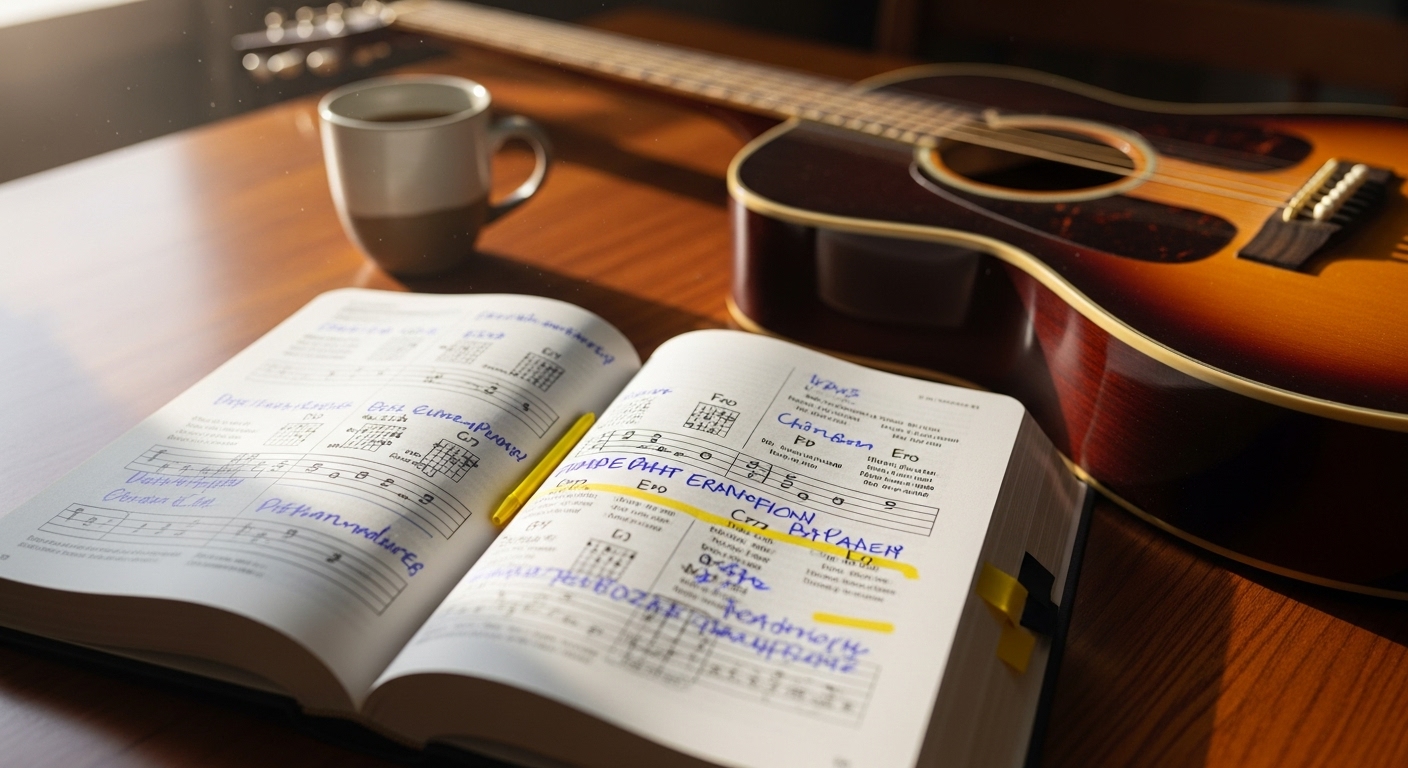
This passage is one of the Bible’s most comforting and image-rich texts. It presents God as a shepherd who provides, leads, comforts, and restores. Those images—green pastures, quiet waters, restored soul—have shaped centuries of worship and inspired countless songs that echo the Psalm’s trust and dependence on God.
Understanding the Core Truth
At its heart, Psalm 23 teaches that God cares for you personally. He’s not a distant ruler; He’s a shepherd who knows your needs and guides your steps. For you, that means you don’t face life alone—God provides rest when you’re weary and guidance when you’re uncertain. Worship songs inspired by verses like this often take those central images and transform them into a chorus or refrain you can sing when you need reassurance.
When you sing Scripture, you’re not just repeating a line; you’re reminding your heart and the hearts around you of God’s character. That reclamation of truth in melody helps people memorize Scripture, internalize theology, and respond emotionally to biblical promises.

Going Deeper — The Hidden Meaning
The deeper lesson behind Psalm 23 is relational: God’s leadership is caring and restorative. “He refreshes my soul” implies more than physical provision; it hints at spiritual renewal. The shepherd metaphor also carries a pastoral responsibility—God protects and guides, sometimes through dangerous valleys. In worship songwriting, that layered meaning gives you material: a line that describes provision might become a verse, while the soul-refreshing dimension becomes the emotional core of the chorus.
Think about the story of David, who likely wrote this Psalm from a place of experience—both trials and deliverance. Those lived realities give songs a rawness that neatly couples biblical truth with real human emotion. When you capture both the theology and the feeling, your songs resonate because they speak truth and experience at once.
Modern Connection — Relevance Today

You live in a noisy, fast-paced world where rest and guidance are rare commodities. Psalm 23’s images of rest and restoration are deeply relevant: people are hungry for spaces where they can pause and be led into peace. Worship songs inspired by verses offer a practical bridge—when you sing “He leads me beside quiet waters,” you can actually feel a measure of calm wash over you.
In families, at work, and in quiet moments at home, songs that bring Scripture into ordinary moments help you respond to life with faith. They turn Bible reading into breath and prayer into sound. When your church sings a Scripture-driven song, it trains congregations to think in biblical categories rather than cultural ones, equipping you to see everyday struggles through the lens of God’s promises.
From Text to Tune — Examples of Worship Songs Inspired By Bible Verses
Below are several well-known worship songs and the Bible verses they draw from. For each, you’ll find the scriptural source, a brief explanation of the connection, and a reflection on why that verse makes good lyrical material.
1. “10,000 Reasons (Bless the Lord)” — Psalm 103:1
This song echoes the Psalm’s call to bless the Lord and remember His benefits. The verse’s rhythm—bless the Lord, praise Him, remember—translates well into a repeating chorus that invites corporate participation. The Psalm’s tallying of God’s benefits (forgiveness, healing, redemption) provides lyrical content that flows naturally into multiple verses.
Why it works: The verse is both directive and descriptive—telling you to bless God while describing reasons—making it easy to craft call-and-response lyrics that congregations can memorize and sing together.
2. “Oceans (Where Feet May Fail)” — Matthew 14:28–29
Peter stepping out of the boat to walk on the water is an evocative visual. The song captures the tension between fear and faith, and the literal water imagery provides compelling metaphors for trust, surrender, and God’s sustaining presence.
Why it works: Narrative moments like Peter’s action are dramatic and cinematic, offering a storyline your congregation can step into. The verse’s immediacy makes it easy to write lyrics that feel like a conversation with Jesus.
3. “Reckless Love” — Luke 15:4–7
This modern worship song draws on the shepherd’s search for the one lost sheep. Luke’s parable paints God as the relentless seeker. The emotional core—God leaving the ninety-nine to find the one—lends itself to sweeping melodic lines and a passionate chorus about pursuit and rescue.
Why it works: Parables give images of character and action. When songwriters tap into those images, they create emotional movement in worship—longing, pursuit, rescue—that drives congregational response.
Related Post: Worship Songs Inspired By Bible Verses: Connecting Faith And Melody
4. “Cornerstone” — Psalm 118:22; Matthew 21:42
The cornerstone motif is foundational—literally and theologically. The verse about the stone the builders rejected becoming the cornerstone offers redemption-as-foundation imagery, suitable for a song that proclaims Jesus as the center and stability of faith.
Why it works: The metaphor is structural and memorable. It anchors theological claims (Christ as foundation) in a tangible image—helpful for congregational confession and identity.
5. “In Christ Alone” — 1 Corinthians 15:3–4; Philippians 2
This song compresses key gospel truths—Christ’s death and resurrection—into a narrative hymn. The Scripture passages spell out those gospel facts, and songwriters use them to craft lyrical statements that are doctrinal and devotional.
Why it works: Big theological truths benefit from strong melodic framing. Congregations can sing doctrinal clarity as worship, which doubles as catechesis.
6. “Blessed Be Your Name” — Job 1:21
Job’s declaration—“The LORD gave and the LORD has taken away; may the name of the LORD be praised”—is the seed for a song about praising God in both blessing and hardship. The verse’s honesty about suffering makes the song resonate in seasons of loss.
Why it works: Authentic lament paired with worship creates deeply relational songs. People don’t sing to deny sorrow; they sing to posture their hearts toward God amid pain.
7. “How Great Is Our God” — Psalm 145:3
This song takes Psalm 145’s simple declaration—God’s greatness—and expands it into a global, exaltational chorus. Short, declarative verses and a soaring chorus make it easy for congregations to lift praise.
Why it works: Short, repetitive biblical declarations are powerful because they’re easy to remember and punchy to sing.
8. “It Is Well With My Soul” — Themes of Peace (Philippians 4:7; Psalm 23)
Although written from tragedy, this hymn channels biblical peace that surpasses understanding. The hymn’s theology of peace echoes verses about God’s peace as a guarding presence.
Why it works: Historic hymns rooted in Scripture carry depth and familiarity. They connect generations through shared language of faith.
9. “Great Are You Lord” — Psalm 150:2; Psalm 145
Related Post: Singing Scripture: The Power Of Worship Songs Based On Bible Verses
The song loops praise around God’s breath, life, and greatness—concepts that appear across the Psalms. Its meditative structure makes it useful as both a reflective and corporate piece.
Why it works: Psalms supply language for every mood of worship—praise, lament, thanksgiving. Picking phrases from the Psalms helps songs feel timeless.
Practical Application — Living the Message
You can turn Scripture into song in ways that are faithful, singable, and spiritually nourishing. Start small: choose a short verse (a single line or short paragraph), identify its key image, and create a melodic motif that matches that image. Use these steps:
- Pick a verse with strong imagery or a clear directive.
- Identify the emotional core: Is it comfort, praise, confession, or petition?
- Write a short chorus that repeats the verse or a condensed paraphrase.
- Build verses around personal or biblical story details that expand the theme.
- Keep the melody singable—simple stepwise motion is easier for congregations.
- Test the song in small groups before bringing it to the whole congregation.
When you do this, you’re not creating a new theology—you’re offering Scripture back to God in a form that engages memory and emotion. That has pastoral benefits: congregations memorize Scripture, worship leaders model faithful interpretation, and your community grows in biblical language for life’s seasons.
Practical Tips for Worship Leaders and Songwriters
- Use direct Scripture quotations sparingly but reverently—respect copyright and biblical context.
- Preserve the verse’s meaning; don’t twist theology to fit a rhyme.
- Consider call-and-response formats to encourage congregational participation.
- Keep arrangements modest when introducing a new Scripture-based song so people can focus on the words.
- Encourage personal testimony: songs from Scripture often land harder when accompanied by a short story of how that verse met someone.
Faith Reflection Box
Pause for a moment. Which Bible verse has felt like a song in your heart but never made it to the page? How might you turn that single line into a chorus that helps you and others remember God’s character?
Key Takeaways:
- You can and should sing Scripture—melody helps memory and applies truth emotionally.
- Choose verses with strong images or clear directives when creating songs.
- Keep theological integrity and singability in balance—truth plus simplicity wins hearts.
Q&A
Q1: Can I paraphrase a Bible verse into a song, or should I always quote word-for-word? Answer: You can paraphrase, but do it carefully. Paraphrase when it helps natural phrasing for singing—shorten long sentences, smooth awkward syntax, and create memorable refrains. Make sure your paraphrase remains faithful to the verse’s meaning and context. Singing a paraphrase can make Scripture accessible without sacrificing truth, but always be transparent—mention the verse source when introducing the song in worship. For more guidance on prayerful reflection before songwriting, see this helpful resource: https://biblestorieshub.com/how-to-pray-for-peace-when-your-mind-feels-overwhelmed/. Also, consider Psalm 119:105 for how Scripture lights the path for creative work.
Q2: How do I choose the best verse to turn into a congregational song? Answer: Look for verses with vivid imagery, a clear emotional tone, and a message that’s both theologically rich and practically relevant. Psalms are a great starting place because they were written as songs and contain short lines fit for choruses. Also consider New Testament summaries of gospel truths (e.g., 1 Corinthians 15 or Philippians 2) for doctrinal clarity. Test the verse by reading it aloud—if a natural rhythm emerges, it’s a good candidate for a chorus or refrain. Remember, the goal is communal edification: pick verses that help the congregation articulate praise, lament, confession, or trust.
Q3: Is it okay to adapt biblical parables or narratives into songs? Answer: Yes, adapting parables and narratives—like the lost sheep or Peter walking on water—can create powerful worship moments because stories invite imagination. When you adapt a narrative, preserve the core teaching and avoid adding extra theological claims. Use literary details to craft verses and let a core Scripture line serve as the chorus. For example, Luke 15:4–7 (the parable of the lost sheep) gives clear imagery for a song about pursuit and rescue. Keep it scripturally honest and pastorally sensitive; songs based on narratives can deeply move people when handled well.
Conclusion & Reflection
You’ve seen how a single verse can move a heart, shape a melody, and form a congregation’s worship language. Turning text into tune is both an art and a ministry: you translate biblical imagery into communal song, helping people carry Scripture into their daily lives. Whether you’re writing the next worship chorus or simply learning to sing Scripture more often, remember this: faithful songs lift God’s Word and invite your heart to remember, rehearse, and respond.
A short prayer: Jesus, You are the Word come alive. Help us to hear Your Scripture and to sing it back with honesty and joy. Guide our words, guard our theology, and use our songs to point hearts to You. Amen.

Explore More
For further reading and encouragement, check out these posts:
👉 7 Bible Verses About Faith in Hard Times
👉 Job’s Faith: What We Can Learn From His Trials
👉 How To Trust God When Everything Falls Apart
👉 Why God Allows Suffering – A Biblical Perspective
👉 Faith Over Fear: How To Stand Strong In Uncertain Seasons
👉 How To Encourage Someone Struggling With Their Faith
👉 5 Prayers for Strength When You’re Feeling Weak
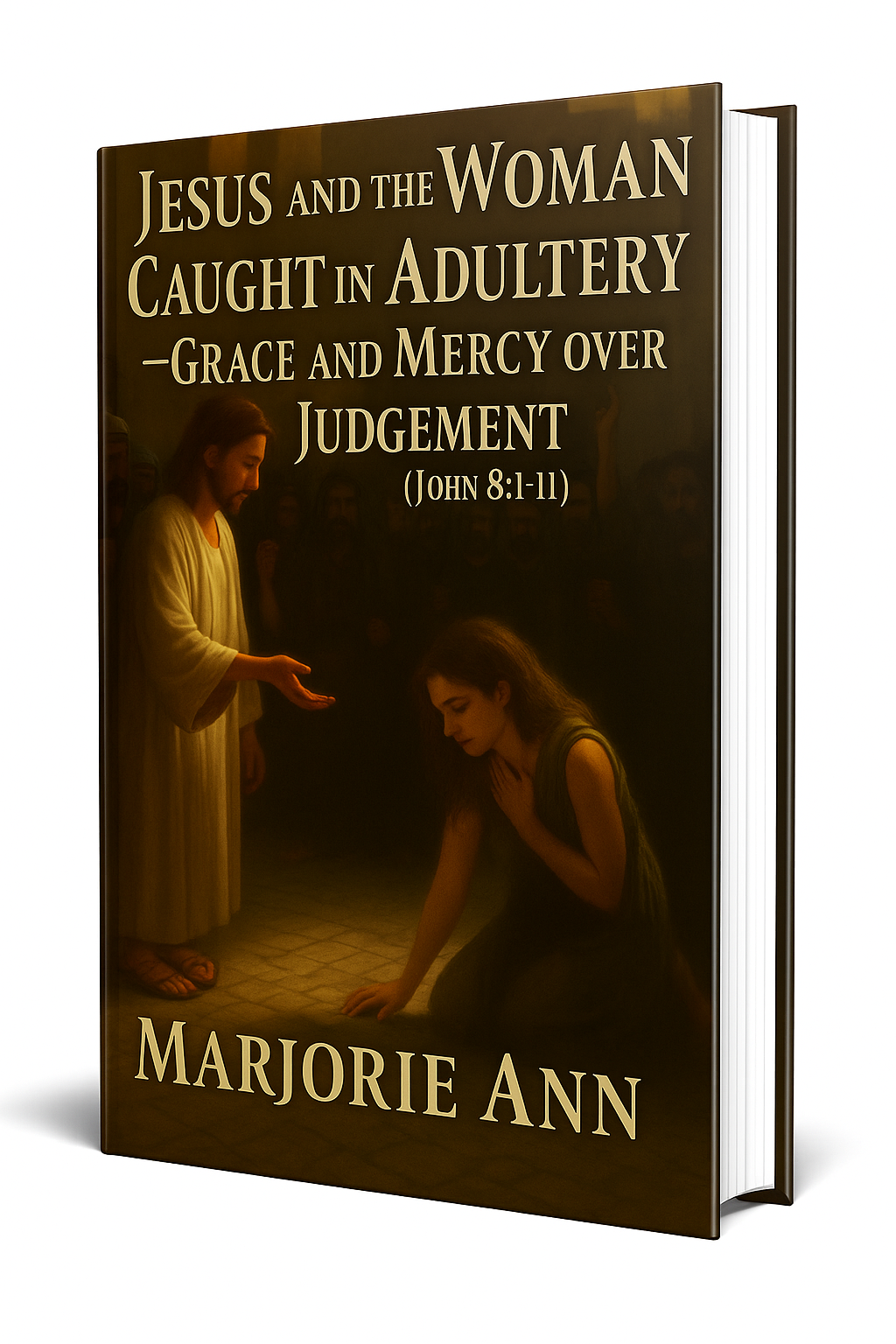
📘 Jesus and the Woman Caught in Adultery – Grace and Mercy Over Judgement
A powerful retelling of John 8:1-11. This book brings to life the depth of forgiveness, mercy, and God’s unwavering love.
👉 Check it now on Amazon 🛒💥

🔥 “Every great message deserves a home online.” 🌍💬🏡
Don’t let your calling stay hidden. Start a Christian blog or website using Hostinger — with 99.9% uptime, a free domain, and SSL, your voice can shine for God’s glory anytime, anywhere.
💥 Begin today. 🛒 Try it RISK-FREE! ✅

✝️ “Your body is God’s temple — care for it with purpose.” 💪💖🏛️
Renew your energy and restore balance naturally. Mitolyn helps support a healthy metabolism, giving you the vitality to live out God’s calling with strength and confidence.
🔥 Unlock Your Metabolic Power! ⚡Burn More Calories & Feel Great With Mitolyn. 💪
👉 Start Today. 🚀 Check Price Now. 🛒💰
💰 As a ClickBank & Amazon Affiliate, I earn from qualifying purchases.
📖 Acknowledgment: All Bible verses referenced in this article were accessed via Bible Gateway (or Bible Hub).
🚀 Want to explore more? 👉 Dive into our new post on Why Jesus? and experience the 🔥 life-changing truth of the Gospel!