



Have you ever wondered what really happened each day during Holy Week—and why it still matters today? For many, Holy Week is a collection of rituals and services you attend, but behind each day is a powerful story of love, sacrifice, betrayal, waiting, and ultimate victory. This is not just history—it’s a journey that speaks directly to your life.
In this guide you’ll discover what happened each day of Holy Week, the deeper spiritual meaning behind each event, and a simple daily devotional to help you reflect and grow. The primary biblical account we’ll lean on is Matthew chapters 21 through 28, which you can read in full here: Matthew 21–28. Throughout the article every Bible reference links to Bible Gateway so you can read the exact passage in context.
Key Bible Text
Primary Passage: Matthew 21–28 — these chapters take you straight through Jesus’ final week in Jerusalem, from the triumphant entry to the resurrection. Read them slowly and let the narrative sink in: Matthew 21–28. One memorable line from the crowd on Palm Sunday captures the atmosphere: “Blessed is he who comes in the name of the Lord!” (Matthew 21:9).
Holy Week Timeline — Day by Day
Below is a simple timeline followed by a short devotional and reflection you can use for each day. Read the Scripture passages, then use the devotional to make the events personal. Each day includes the passage link so you can read the original text.
Palm Sunday — Jesus Enters Jerusalem
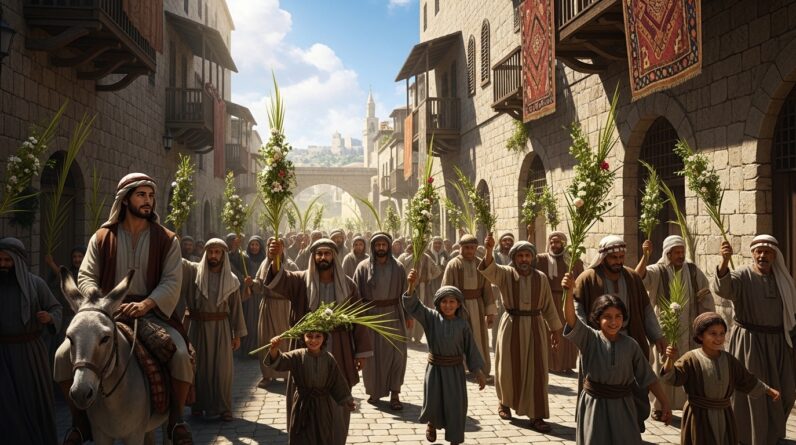
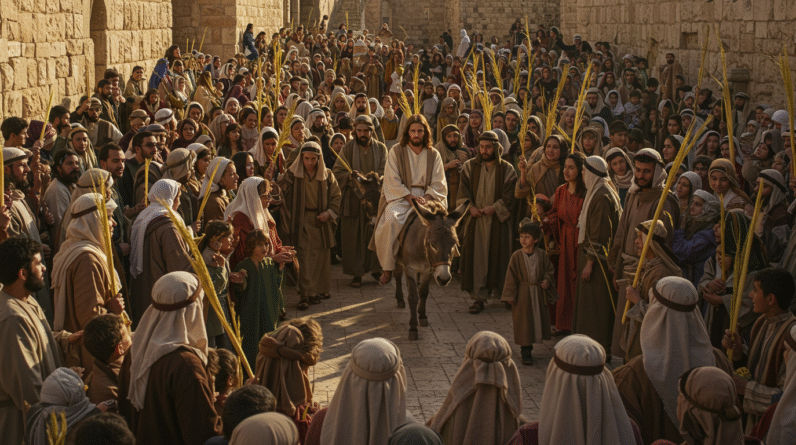
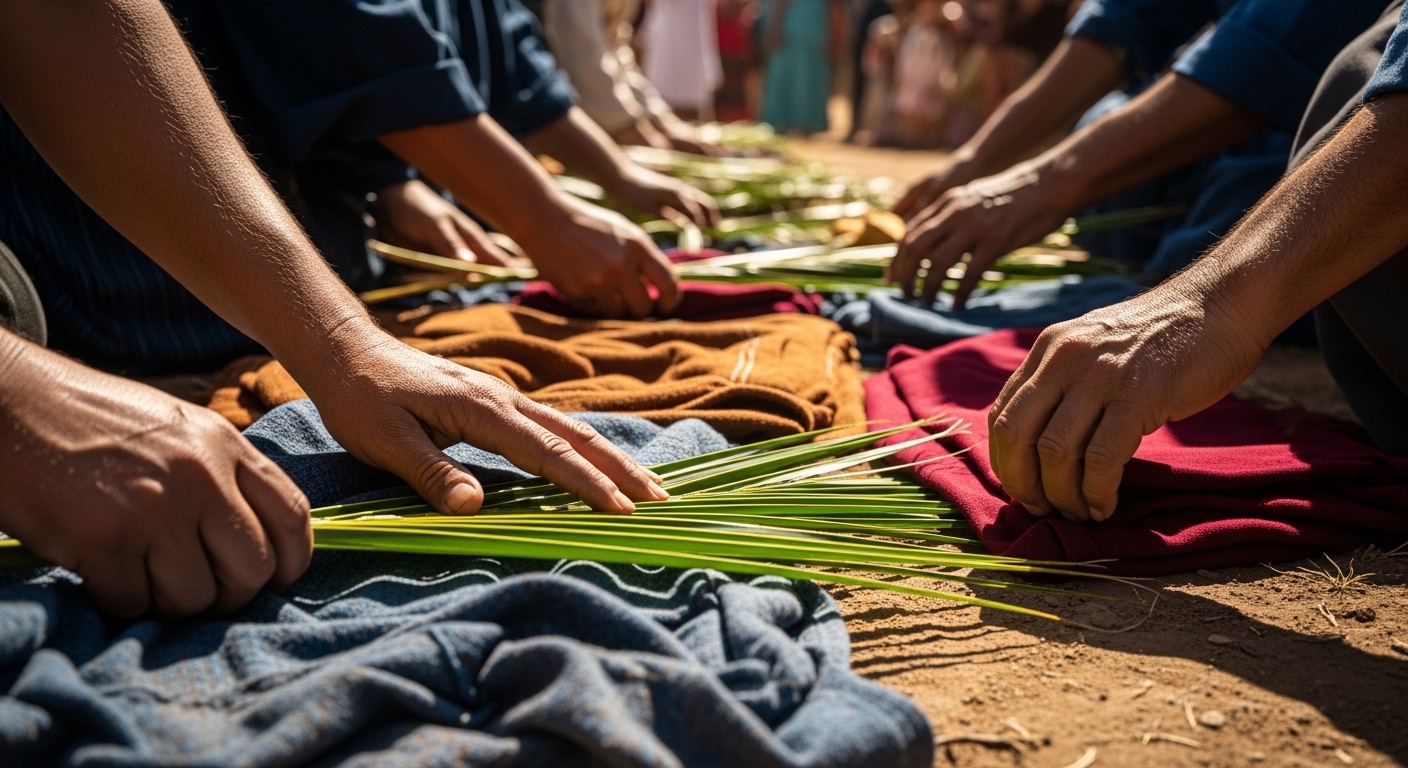
What happened: On what we call Palm Sunday, Jesus rides into Jerusalem on a donkey, and crowds lay cloaks and palm branches on the road, shouting praises and proclaiming Him as King. The crowd’s cry, “Blessed is he who comes in the name of the Lord!” is recorded in Matthew 21:1–11.
What it means: The arrival on a donkey fulfills Old Testament prophetic images of a humble king and signals that Jesus’ kingship looks different from worldly expectations. It’s a public declaration of who He is, but it also begins a tension between popular enthusiasm and the opposition that will build through the week.
Devotional for Palm Sunday: Take a moment to recognize who you publicly honor and who you worship privately. Are your praises seasonal—loud in good times and quiet in trials—or rooted in trust? Today, lay something before Jesus—an act, a decision, a part of your life—and say, “You are king here.”
Prayer prompt: Ask God to show you areas where you’ve divided your loyalty between Christ and comfort.
Monday — Jesus Cleanses the Temple
What happened: On Monday, Jesus enters the temple and turns over the tables of the money changers, driving out those who had turned the house of prayer into a marketplace. This confrontation is recorded in Matthew 21:12–17.
What it means: Jesus’ anger at corruption in the temple shows zeal for holiness and a refusal to let worship be perverted. It’s a reminder that devotion must be authentic—acts of worship should nurture sincere relationship with God, not serve selfish gain.
Devotional for Monday: Consider the “tables” in your life—habits, relationships, priorities—that distract you from authentic devotion. What would it look like for Jesus to cleanse those places? Invite Him to do that work gently but honestly.
Prayer prompt: Pray for courage to remove distractions and for a renewed passion for true worship.
Tuesday — Jesus Teaches and Confronts Leaders
What happened: Tuesday is filled with teaching, parables, and confrontation. Jesus engages religious leaders, exposes hypocrisy, and teaches about the kingdom through parables and clear rebukes for those who lead the people astray. Read the interaction and teachings in Matthew 21:23–23:39.
What it means: This day shows Jesus teaching truth in the face of opposition. He calls out spiritual leaders for their failures and models fearless faithfulness. His words challenge both leaders and followers to examine motives, not just outward performance.
Devotional for Tuesday: Reflect on the integrity of your faith. Are your actions consistent with your convictions? Ask God to reveal any hypocrisy and to strengthen your heart to follow His truth even when it’s costly.
Prayer prompt: Ask for a teachable heart and for humility to accept correction.
Wednesday (Spy Wednesday) — Judas Plans Betrayal
What happened: On Wednesday, often called Spy Wednesday, Judas goes to the chief priests and agrees to betray Jesus for thirty pieces of silver. The planning is recorded in Matthew 26:14–16.
What it means: Judas’ betrayal is a stark reminder of how easily closeness to Jesus can coexist with a divided heart. The episode forces you to confront the reality of human weakness, the pain of betrayal, and the fact that external proximity to faith doesn’t guarantee faithfulness.
Devotional for Wednesday: Consider the parts of your heart you might be selling for temporary gain—comfort, approval, status. Bring those to God and ask Him to protect you from compromises that hurt others and break trust.
Prayer prompt: Ask God to reveal hidden motives and to guard your heart against betrayal—both giving and receiving it.
Maundy Thursday — The Last Supper and Washing of Feet
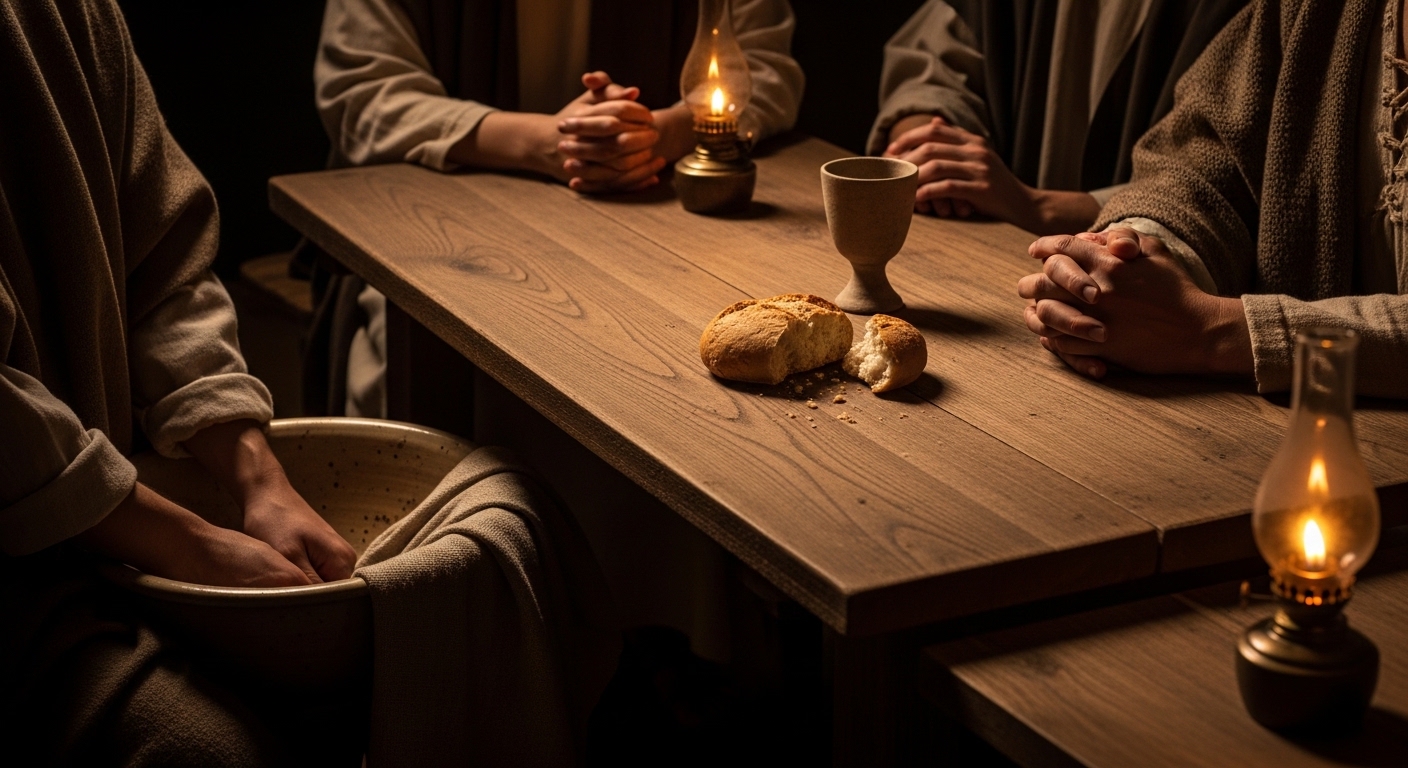
What happened: Maundy Thursday commemorates the Last Supper, Jesus washing the disciples’ feet, and His teaching about servanthood and love. The Last Supper is described in Matthew 26:17–30, while the humility of servant leadership is powerfully presented in John’s account (John 13:1–17).
What it means: Jesus gives a new commandment—to love as He loved—and models service by washing feet. This night binds love, sacrifice, and community together. Communion becomes a tangible reminder of Jesus’ body and blood given for the world.
Devotional for Maundy Thursday: Practice humility today. Serve someone without expectation of recognition. When you take communion, let it be a moment of personal thanksgiving for Christ’s sacrificial love and a commitment to love others in practical ways.
Prayer prompt: Pray for a servant heart and for the courage to love sacrificially.
Good Friday — The Crucifixion
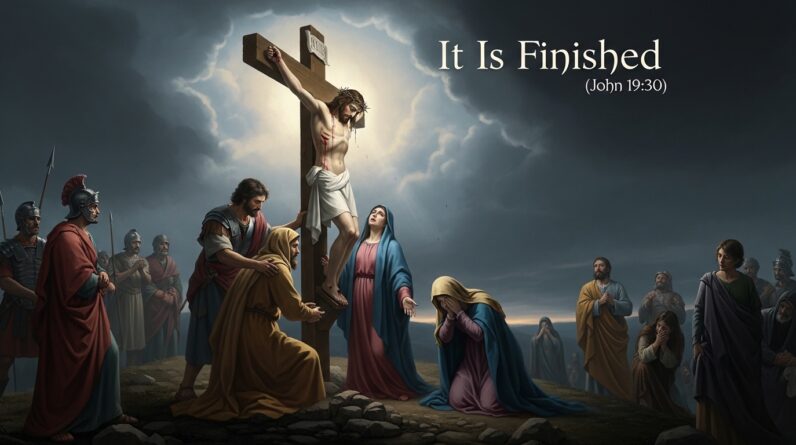
What happened: On Good Friday, Jesus endures trial, mockery, and crucifixion. He is condemned, crucified between two criminals, and dies on the cross. The crucifixion narrative is found in Matthew 27:32–56.
What it means: The cross is the center of Christian faith—God with us suffering the penalty for sin, reconciling humanity to Himself. Good Friday forces you to confront the cost of redemption and the depth of divine love that takes on our brokenness.
Devotional for Good Friday: Sit in silence and sorrow for a time. Let the magnitude of Christ’s sacrifice sink in. Bring your guilt, shame, and fears before the cross, and allow gratitude to rise in response.
Prayer prompt: Confess the ways you’ve missed the mark and thank Jesus for taking the consequence on your behalf.
Holy Saturday — Jesus in the Tomb
What happened: On Holy Saturday, Jesus’ body lies in the tomb, guarded and sealed. The disciples and followers experience grief, confusion, and waiting. The burial is recorded in Matthew 27:57–66.
What it means: Holy Saturday is a day of dark waiting—an emotional pause where questions and fears surface. It’s a reminder that God’s work sometimes includes a period of silence where hope has to be held by faith rather than sight.
Devotional for Holy Saturday: If you’re in a season of waiting, make this your day of honest lament and quiet trust. Acknowledge disappointment and cling to the promise that God’s silence is not absence.
Prayer prompt: Pray for patience and trust in God’s timing, especially when outcomes remain unknown.

Resurrection Sunday (Easter) — Jesus Rises
What happened: On the first day of the week, women visit the tomb and find it empty. An angel tells them Jesus has risen, and they encounter the risen Christ. The resurrection is recorded in Matthew 28:1–10.
What it means: The resurrection is the decisive victory over death, sin, and the powers that hold you captive. It turns mourning into joy, fear into boldness, and despair into hope. Resurrection shows that God brings life out of death—both spiritually and often, eventually, in the practical rhythms of your life.
Devotional for Resurrection Sunday: Celebrate boldly. Allow the reality of the risen Christ to transform your fears into hope and your inertia into action. Recommit to living in the newness Christ offers.
Prayer prompt: Thank God for the resurrection and pray for courage to live in the power of new life.
What It Means — Spiritual and Theological Insights
Holy Week is rich with meaning that invites reflection. Here are three clear, practical insights you can carry into your life.
1. The Kingdom of God Is Upside Down
Jesus’ actions—riding a donkey, washing feet, dying on a cross—redefine power and leadership. Where the world seeks dominance, Jesus models service and sacrificial love. This challenges you to rethink ambition, success, and influence through the lens of humility and service.
2. God Enters Suffering
The cross tells you that God doesn’t stand apart from your pain; He enters it. Jesus’ suffering means God knows what it is to be wounded and to endure injustice. That truth brings comfort when you face loneliness, grief, or persecution because God meets you in those places.
3. Hope Through Waiting
Holy Saturday teaches that waiting isn’t meaningless. God sometimes works beneath the surface. In your seasons of waiting—loss, unanswered prayer, stalled progress—Holy Week invites you to trust that God’s silence may be preparation for resurrection.
Why This Matters Today
Holy Week speaks directly into the struggles you face now: fear, doubt, betrayal, waiting, suffering, and the longing for hope. When you feel abandoned, like the disciples on Holy Saturday, remember the resurrection. When you are tempted to respond to hurt with retaliation, remember the cross. When your faith feels performative rather than real, Jesus’ cleansing of the temple calls you back to authentic worship.
Every moment of Holy Week mirrors a human experience you likely know. The betrayal of Judas echoes relational pain. The trial mirrors unjust systems. The crucifixion speaks into suffering and shame. The resurrection addresses the deepest human longing—victory over death and restoration of hope. Let these connections move you from passive memory to active transformation.
Life Application — Practical Steps You Can Take
Holy Week isn’t just for reflection; it’s for change. Here are three practical actions you can begin today.
- Practice a Daily Rhythm of Reflection and Repentance. Spend 10–20 minutes each day this week reading the day’s passage, journaling one honest thought, and confessing one area where you need God’s help. This practice cultivates honesty and spiritual growth.
- Serve Someone in Secret. Following Maundy Thursday’s example, pick one person to serve without seeking credit. It might be a neighbor, a coworker, or someone in your family. Small acts of hidden service rewire your heart toward humility.
- Create a Holy Saturday Space. Identify a time to sit with your questions and fears without rushing to fix them. Write them down and bring them to God in prayer. Practicing stillness helps you trust God’s timing and prepare for resurrection.
Personal Reflection
Spend a few minutes with these questions. They’re designed to move your reflection into real, personal application.
- What is God showing you through the events of this Holy Week?
- Is there something you need to surrender—control, reputation, comfort—to follow Jesus more fully?
- How is your faith being challenged right now, and what step of trust can you take this week?
Answering these questions honestly helps you move from knowledge to transformation. Write your answers in a journal, and revisit them at the end of the week to notice changes in your heart.
Short Devotional Thought
Holy Week invites you into a journey of truth: love looks like service, faithfulness can be hidden, and hope often comes after a season of waiting. You don’t have to have all the answers to worship well. You only need to be honest with God. Bring your doubts, your guilt, your joys, and your questions. Let the story that changed the world shape the way you live this week. Be encouraged: the same power that raised Jesus is at work in you—bringing renewal, courage, and life where there was once fear.
Related Bible Verses
Here are additional passages that echo themes of Holy Week and invite further reflection. Click each to read the verse on Bible Gateway.
- Isaiah 53:4–5 — Suffering and atonement: Isaiah 53:4-5
- Psalm 22:1 — The cry of forsakenness that appears in the cross narratives: Psalm 22:1
- John 13:1–17 — Foot washing and servant leadership: John 13:1-17
- Romans 5:8 — God’s love shown in Christ’s death for us: Romans 5:8
- 1 Corinthians 15:3–4 — The gospel summarized: death and resurrection: 1 Corinthians 15:3-4
- Hebrews 4:15 — Jesus understands your weaknesses: Hebrews 4:15
If you want to dive deeper, here are related articles and the next step in a Holy Week journey. Each title is a placeholder you can follow up with to learn more in context.
Main Holy Week Hub:
- Holy Week Timeline: Events and Meaning
Related Articles:
- How to Observe Lent: Practical Guide for Daily Devotion
- The Theology of the Cross: Why It Matters
- Resurrection Practices: Living in Easter Hope
Next Step in Holy Week Journey:
- How to Observe Resurrection Sunday with Meaningful Worship
Prayer
Use this short prayer to close your devotional times or to prepare for worship services this week.
God of grace, thank You for entering our suffering and for the gift of new life in Jesus. Help me to walk this week with honesty, humility, and hope. Reveal any divided loyalties, cleanse what needs cleansing, and give me courage to serve others. May I live out the truth of the cross and the power of the resurrection in daily, practical ways. Amen.
Conclusion
One key takeaway: Holy Week calls you to move from spectator to participant. Its events—praise and protest, service and suffering, loss and resurrection—are meant to shape your heart. One emotional reminder: God meets you in your lowest moments and brings life from death. One faith-based encouragement: this Holy Week, don’t just remember the story—live its truth.