


You’ve probably heard the phrase “many are called but few are chosen” more than once—maybe as a warning, maybe as a puzzle. It’s short, striking, and a bit unsettling. When Jesus said it, He wasn’t delivering a neat maxim to tuck away; He was closing a parable that confronts how people respond to God’s invitation. In this article you’ll explore what the verse means in its original context, how it reaches into the heart of Christian faith, and how it should shape your decisions, trust, and actions today. You’ll get clear explanations, practical steps, answers to common misunderstandings, and related Scripture that helps this teaching come alive in everyday life.
The Bible Verse Explained
“For many are called, but few are chosen.” — Matthew 22:14
This short sentence finishes the Parable of the Wedding Banquet in Matthew 22. To get what Jesus meant, you need to look at the whole scene and the people listening. The verse was written by Matthew, a tax collector turned disciple, and recorded as part of the Gospel aimed primarily at a Jewish audience familiar with the Hebrew Scriptures and the social dynamics of first-century Palestine. Matthew composed his Gospel to show that Jesus is the promised Messiah and that the kingdom of heaven comes with both invitation and demand.
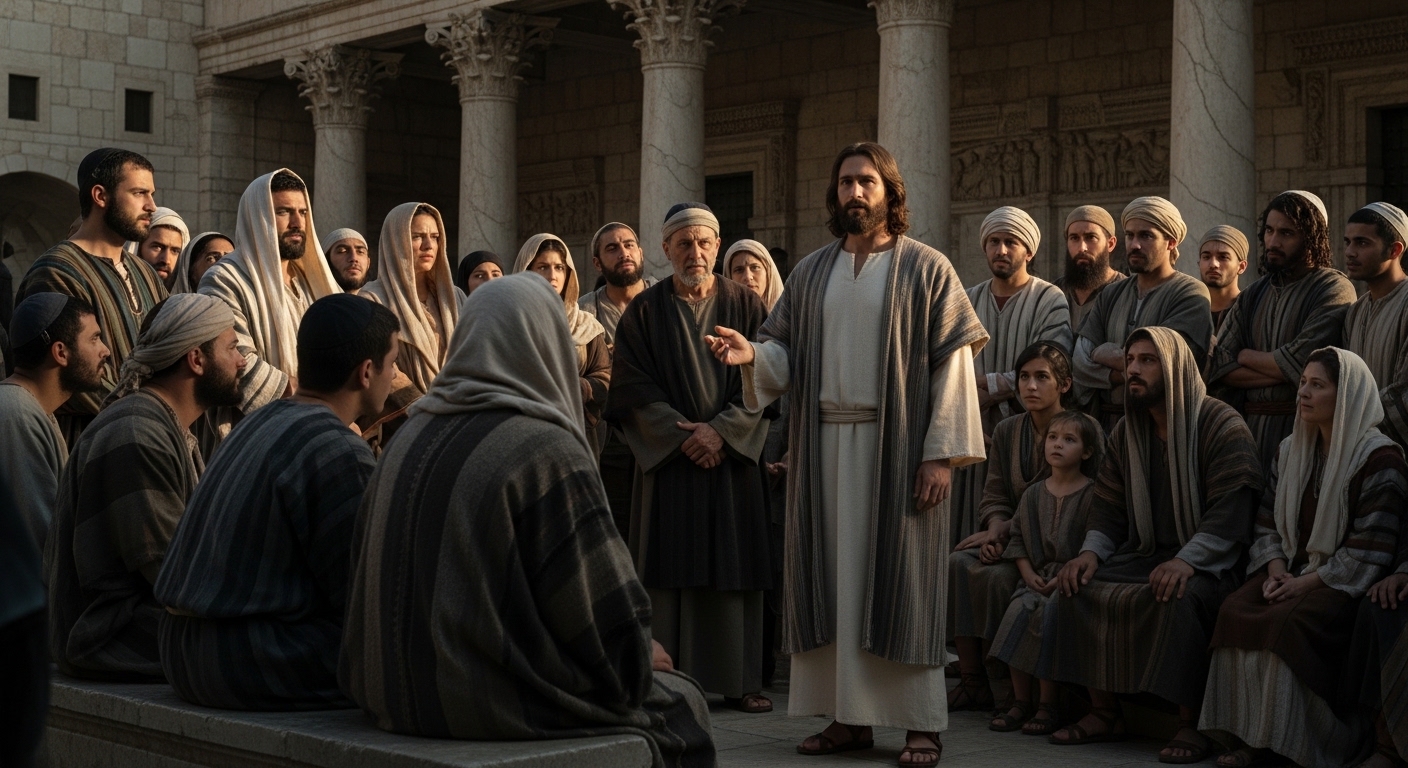
The historical setting is important. Jesus is in Jerusalem, teaching in the temple courts, and confronting religious leaders who are increasingly hostile. He tells parables to expose the spiritual blindness and hypocrisy of those who think they control God’s story. In the Wedding Banquet parable (Matthew 22:1–14), a king prepares a wedding for his son and invites many guests. When invited guests refuse or mistreat the king’s messengers, the king opens the invitation to others—“both bad and good” from the streets. But someone without proper wedding clothes is judged and cast out. The parable confronts presumptuous rejection of God, the broadening of God’s invitation beyond ethnic Israel, and the expectation that those who accept must respond appropriately.
The key message is layered: God invites many, the invitation extends widely, but acceptance requires more than presence—it requires the right disposition, repentance, and transformation. Jesus isn’t being fatalistic; He’s warning that simple hearing or invitation isn’t the same as being chosen in a way that bears lasting fruit.
What Does This Verse Really Mean?
When you unpack Matthew 22:14, you’ll see both immediate and far-reaching implications. The verse isn’t a cosmic lottery; it’s a pastoral and prophetic statement about human response to God’s call.
1. Understanding the Message of the Verse
At the surface, the verse distinguishes between being “called” and being “chosen.” Being called refers to God’s invitation—His outreach to people through preaching, prophets, invitations, and the gospel. Being chosen refers to those who respond in genuine faith and obedience. Jesus’ point is that the kingdom invitation is wide, but not everyone who hears it will enter. That’s because the invitation requires a change of heart. In the parable, the guest without wedding clothes represents someone who assumes privilege without repentance—or who treats the invitation as a social pass rather than a transformative covenant.
The parable also targets superficial religiosity. You can attend, participate, or even claim insider status and still fail to live under God’s kingly rule. Being chosen involves humility, repentance, and recognizing the worth of the invitation itself.
2. Trusting God’s Wisdom and Guidance
When you wrestle with this verse, you’re confronted with the tension between divine initiative and human responsibility. God calls—you respond. God’s wisdom is that He invites broadly because His heart is for people to come; His justice and holiness require that those who enter do so in the right spirit. Trusting God here means believing that His invitations are genuine and that His standards are loving, not arbitrary. It means trusting His ways even when the outcome is that some accept and some don’t.
This teaching should deepen your dependence on God’s grace. If being chosen involves transformation, you rely on God for the work of heart-change, and you trust His timing and means—preaching, sacrament, community, prayer—to shape you. You trust that God’s call is sincere and that He equips those who truly seek to follow Him.
3. Living Out This Truth in Everyday Life
Practically, the verse challenges you to move beyond passive faith. You can be “called” by attending church, reading Scripture, or enjoying Christian culture; but being “chosen” will show itself in how you live—how you love, how you repent, how you serve. The wedding clothes in the parable symbolize righteousness and readiness; in your life they translate into repentance, obedience, humility, and love.
This means your faith should be active and visible: you prioritize spiritual formation, sacrificial love, honest self-examination, and ongoing repentance. It means you don’t rest on the idea that simply being invited or baptized guarantees final acceptance. Your relationship with God should bear fruit that confirms that you’ve genuinely received and been transformed by His call.

Why This Verse Still Matters Today
This teaching is not an archaic admonition—it’s powerfully relevant for contemporary faith and the questions you face.
First, it frames how you understand evangelism and discipleship. If many are called, then evangelism is urgent, expansive, and grace-filled. If few are chosen, discipleship matters deeply: it’s not enough to bring people through a program—you’re helping people respond properly to God’s call.
Second, it addresses faith during uncertainty. In times when the church seems weak or when faith is culturally marginalized, this verse reminds you that God’s invitation continues. You’re part of ongoing work: God calls many, and He calls you to respond with steady faith.
Third, the verse addresses spiritual growth realistically. It warns against complacency and encourages intentional transformation. If the invitation is free, the expected response is costly. That cost looks like commitment, character development, and persistent faithfulness during hardship. For you, this means practicing spiritual disciplines, engaging community, and allowing trials to refine faith rather than extinguish it.
Finally, the verse brings encouragement from Scripture. It affirms that God’s character is both inviting and holy. You can take comfort that God seeks people—that His kingdom is available—but you should also take responsibility to be formed by the gospel so your calling results in being chosen.
How to Apply This Verse in Your Life
The truth of Matthew 22:14 becomes life-giving when it leads to concrete steps you can practice today. Here are practical ways to live out the meaning of being called and chosen.
1. Reflect on God’s Word Daily
Make Scripture reflection a daily practice so the call you hear isn’t just background noise. Daily reading, even a short passage, helps you internalize God’s standards and notice where your life doesn’t match them. Use prayerful reading to ask, “Where am I resisting change?” and “How is God calling me to deeper obedience?”
Spiritual formation is a habit; the more you let Scripture shape your thoughts, the more your life will align with the wedding clothes of humility and righteousness that the parable implies.
2. Pray for Wisdom and Guidance
Pray specifically for the grace to respond rightly to God’s call. Ask for discernment to see areas of self-reliance, pride, or comfort that keep you from taking the call seriously. Pray for the humility to trust God’s correction and the courage to change.
Prayer is not just about asking for certainty; it’s about cooperating with God in the process of transformation that makes you “chosen” in the biblical sense.
3. Trust God Even When Life Feels Uncertain
When circumstances shake your faith, remember the wider context: God invites even in the midst of chaos. Your trust is expressed by continuing to follow Christ when the rewards aren’t immediate or obvious. Being chosen doesn’t mean a life exempt from trouble; it means a life whose identity is anchored in Christ despite trials.
Let challenges refine your faith rather than serve as reasons to abandon the call. Trust that God is at work—even in losses—to conform you to the image of Christ.
4. Live Out Your Faith Through Action
Obedience is the visible sign that you’ve answered the call. Engage in acts of mercy, serve where you’re gifted, confess when you fail, and seek reconciliation where you’ve wronged others. The church is not simply a place to be seen; it’s a training ground for righteousness.
Your practical faith shows that the call has become a transformation. It’s the difference between being an invited guest who ignores the host’s rules and a true participant who honors the invitation with gratitude and humility.

Common Misunderstandings About This Verse
Because the phrase is compact and potent, people often interpret it in a few unhelpful ways. Let’s clarify misconceptions so you don’t get stuck in fear or false assurance.
One common mistake is treating the verse as a deterministic statement about salvation: that God arbitrarily chooses some and not others, and there’s nothing to do about it. The context of the parable argues against this reading. Jesus emphasizes human response—refusal, acceptance, and the requirement of proper attire—so you can’t reduce the verse to fatalism. God’s choice and human response interact: God initiates, and people either accept or reject.
Another misunderstanding is taking the text out of context and using it to excuse laziness in discipleship. If “many are called,” you might be tempted to think that mere attendance or nominal profession secures your status. The parable warns against that. Being chosen involves an inward change expressed outwardly.
A third error is assuming the verse is an exclusive gatekeeping line that should foster pride among those who claim to be “chosen.” The parable’s force is against self-righteousness. If you find yourself looking down on others to prove your chosen status, you’ve missed the point; the parable condemns presumption and complacent privilege.
Correct biblical understanding holds both God’s sovereignty and human responsibility. The invitation is wide; the transformation required is real. You respond in humility, repentance, and faithful obedience.
Bible Verses Related to This Passage
These supporting passages help illuminate the themes of invitation, trust, and the need for faithful response. Each one complements Matthew 22:14 by reinforcing the call to trust, repent, and live faithfully.
• Proverbs 3:5–6 — These verses emphasize trusting the Lord with all your heart and acknowledging Him so He can direct your paths. They connect to the wedding clothes theme by showing that trusting God reshapes how you walk in life.
• Romans 8:28 — Paul’s assurance that God works all things for good for those who love Him encourages you to trust God’s sovereign work even when the process of being chosen includes suffering and refining.
• Hebrews 11:1 — Defining faith as assurance of things hoped for and conviction of things unseen, this verse underscores that being chosen involves steadfast confidence in God that is more than outward sign; it is inward conviction.
• Psalm 37:5 — To commit your way to the Lord and trust in Him is to live out a posture that aligns with the call—relying on God and letting Him act on your behalf, which results in being guided and preserved.
Each of these passages fleshes out the relationship between God’s calling and your response: trust, faith, and committed living make the invitation effective in your life.
Frequently Asked Questions About This Verse
These short, clear answers will help you feel confident explaining and applying Matthew 22:14.
What does this verse mean in simple terms?
- In simple terms, it means God invites many people to enter His kingdom, but only those who respond with genuine faith and transformed lives will be accepted. The call is broad; the requirement is real.
Who wrote this verse in the Bible?
- The verse appears in the Gospel of Matthew, written by Matthew the apostle, a former tax collector. You can read the verse in context at Matthew 22:1–14, where Jesus tells the Parable of the Wedding Banquet.
What is the main message of this verse?
- The main message is that God’s invitation is extended widely but requires an authentic, obedient response. Invitation alone is not enough; true acceptance demonstrates transformed character and humility.
How should Christians apply this verse today?
- Christians should respond by deepening their faith through Scripture and prayer, demonstrating repentance and obedience, engaging in faithful discipleship, and avoiding complacency or self-righteousness. The verse pushes you toward active, visible faith.
A Short Prayer Inspired by This Verse
Heavenly Father,
Thank You for inviting me into Your kingdom. Help me to respond not with mere words but with a heart changed by Your grace. Give me humility to receive correction, courage to live in obedience, and steadfast faith when trials come. Teach me to trust You more and to reflect Your love to others, so that my life shows I have answered Your call.
In Jesus’ name, Amen.
Explore Related Bible Lessons
Other Bible Character Stories
• Life Lessons From Ruth: Loyalty, Faithfulness, and God’s Redemption → Explore Ruth’s Story
• Life Lessons From Deborah: Courageous Leadership and Faith in Action → Explore Deborah’s Story
• Life Lessons From Mary, Mother of Jesus: Humility and Obedience to God’s Plan → Explore Mary’s Story
Studying the life of Esther alongside leaders like Deborah and Ruth helps you see how God works through different people in different seasons. Their stories reveal timeless lessons about faith, obedience, leadership, and trusting God’s guidance — and they encourage you to persevere in faithful action when it matters most.
Featured Lesson
• Prayer Practices: A Biblical Guide To Deepening Your Prayer Life → Learn How
Hub Collection
• Life Lessons From Bible Characters: 31 Powerful Examples of Faith and Obedience → Read the Full Collection
 Continue Growing in Your Faith
If this study of Bible characters encouraged your heart, keep growing with these powerful biblical teachings and devotionals:
• The 9 Fruits of the Spirit Explained (Galatians 5:22–23)
• 10 Biblical Promises of God That Bring Hop
• 12 Daily Christian Habits to Strengthen Your Walk With God
• 7 Daily Prayers for Peace of Mind and Heart – Philippians 4:6–7
• Lessons from Gideon – Trusting God Beyond Our Fear
• Lessons from Joseph – Trusting God’s Promises Beyond Our Lifetime
 These articles will help you continue exploring God’s Word, grow in faith, and apply biblical truths to your life today.
Final Thoughts
Matthew 22:14 is a beautiful and sobering reminder that God’s kingdom is both invitation and transformation. You can be called without being chosen if you treat the invitation as an occasion for complacency rather than conversion. But take heart: God’s call reaches the many because He desires relationship with people. Your role is to respond—daily, intentionally, and humbly—allowing faith to grow into the righteousness and love the parable symbolizes by the wedding clothes.
When you approach Scripture carefully, understanding the historical context and the audience, the message becomes less cryptic and more actionable. Let this verse motivate you to pursue spiritual growth, to trust God through uncertainties, and to serve others out of genuine devotion rather than mere appearance. As you live, pray, read, and serve, you’ll find God’s invitation turning into transformation—a life that looks less like a guest who merely showed up and more like a chosen participant in the feast of God’s eternal love.
 Recommended Christian Reading
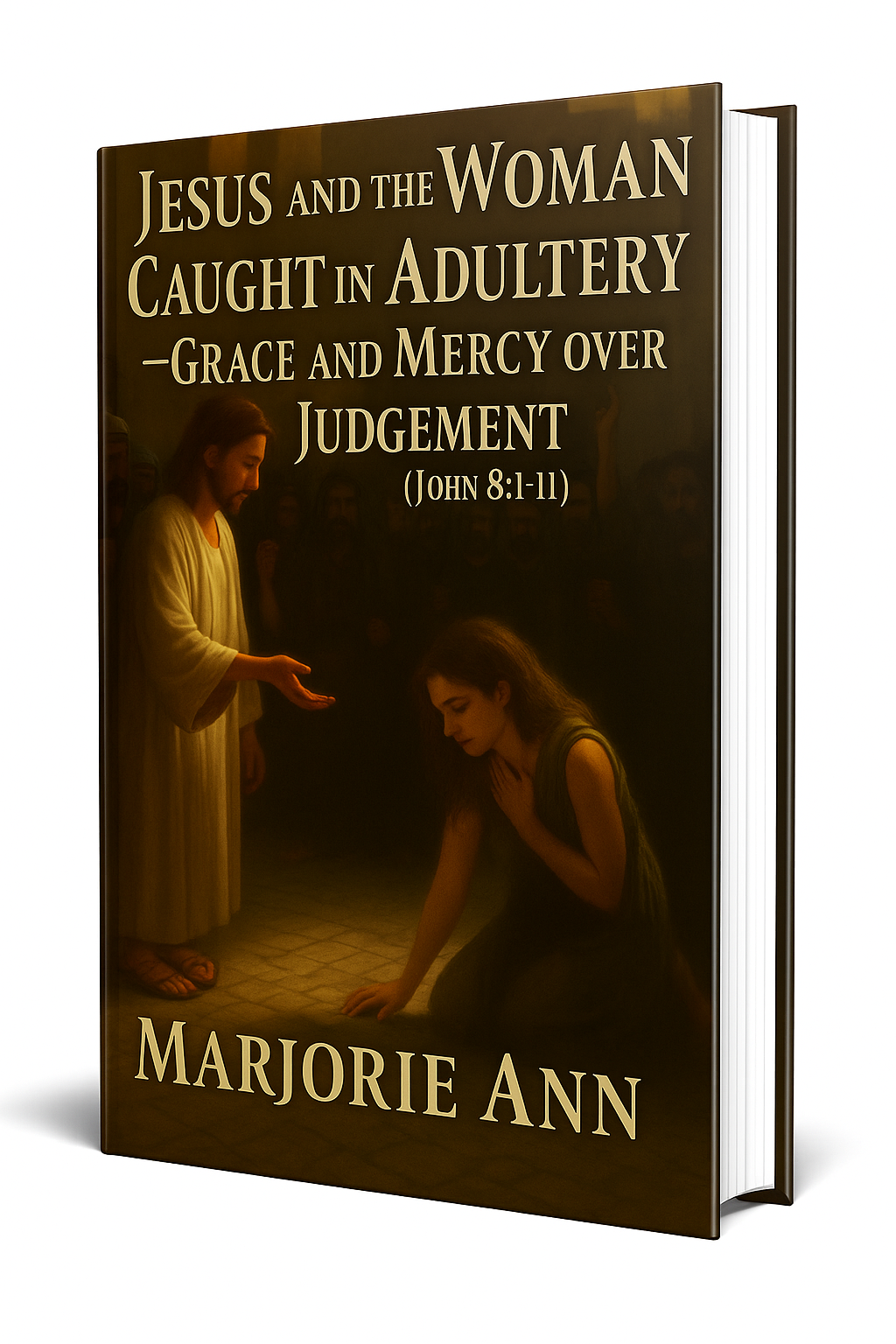
Jesus and the Woman Caught in Adultery — Grace and Mercy Over Judgment
A powerful retelling of Gospel of John 8:1–11, exploring forgiveness, mercy, and Christ’s compassion.
If you’re reflecting on spiritual growth and obedience, this story will remind you that transformation begins with grace.

Sponsored recommendation

Acknowledgment: All Bible verses referenced in this article were accessed via Bible Gateway (or Bible Hub).
“Want to explore more? Check out our latest post on Why Jesus? and discover the life-changing truth of the Gospel!”