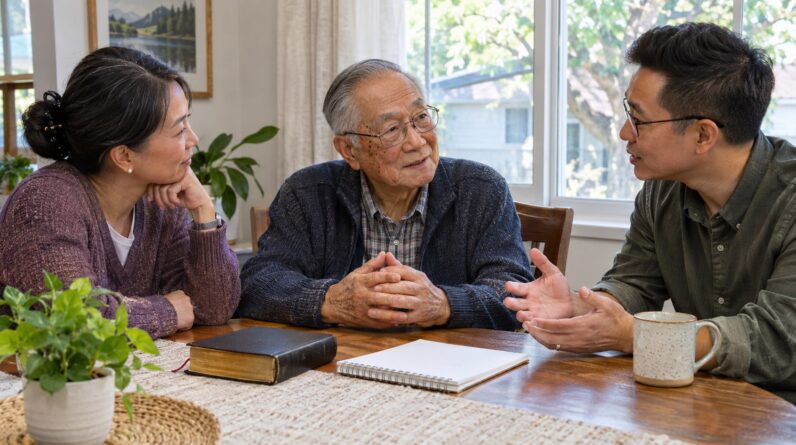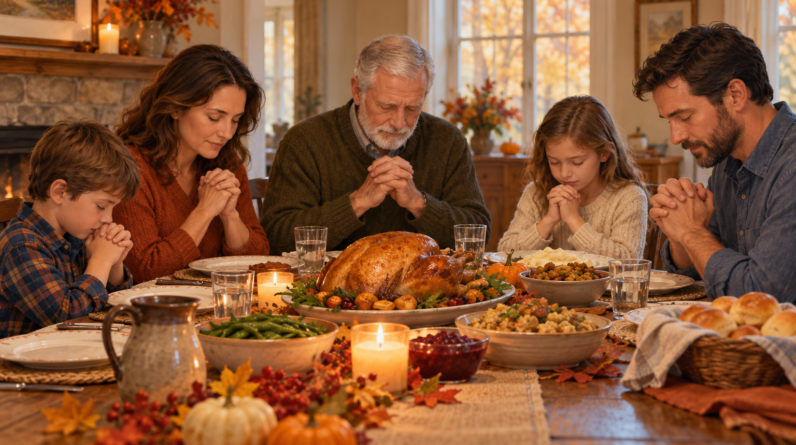



The shopping lists and holiday invitations may arrive before you feel ready. A familiar recipe can bring back a voice you miss, and an ordinary question about Thanksgiving plans can suddenly feel difficult to answer.
Thanksgiving after losing a loved one can hold sorrow, gratitude, exhaustion, affection, and moments of laughter in the same day. You do not have to manufacture a cheerful mood to honor God. Christian hope gives you somewhere to bring your grief, even when the holiday looks very different this year.
This guide offers gentle ways to prepare, remember, and receive support. Take what fits your circumstances. You do not have to turn every suggestion into another responsibility.
Can grief and gratitude exist together?
Yes. You may be grateful for the years you shared and deeply distressed that there will be no new memories together. A good moment does not mean you have forgotten the person who died. Tears do not mean that every blessing has become invisible.
In John 11:17–37, Jesus meets Martha and Mary after Lazarus’s death. The account includes his promise concerning resurrection and life, and his tears in the presence of grief. The passage does not present confidence in God and sorrow as emotions that cannot occupy the same scene.
Our reflection on Jesus as the resurrection and the life explores that hope more fully. You can return to it slowly, without expecting one reading to remove the ache of absence.

Let this Thanksgiving be different if it needs to be
Some people want to preserve the whole meal exactly as it was. Others cannot bear to cook it. You may not know what feels possible until the day is close. There is no single arrangement that proves you loved someone enough or are grieving correctly.
Begin with one practical question: what would make this day a little more manageable? The answer might be a shorter visit, a smaller gathering, dinner at a different home, or help with the food. It might be keeping one much-loved dish while changing almost everything else.
Decide what to keep, change, and leave undecided
Choose one tradition you would like to keep if you can. Then name something you are willing to simplify. Leave room to change your mind about one part of the day. A plan can give you support without becoming a promise you must fulfill at any cost.
For example, you might say, “I would like to make Dad’s pie, but I cannot host the meal. Could we eat at your house?” Or, “I can come for dinner, but I may leave before dessert.” These are practical descriptions of your capacity, not statements about how much you value the family.
Tell one trusted person what might help
A friend or relative may want to support you but be unsure what to offer. Give them something specific: a ride, a check-in message, help with dishes, or company on a short walk. You can also tell them what is unhelpful, such as being pressed to explain your feelings in front of everyone.
If broader questions about trusting God feel heavy, our guide to keeping faith during difficult seasons may offer language for taking one faithful step without pretending certainty about everything.
Ways to remember your loved one without forcing a tribute
Remembering can be comforting, painful, or both. Ask the people most affected before planning a public moment. A surprise speech, slideshow, or empty place setting may be meaningful to one person and overwhelming to another.
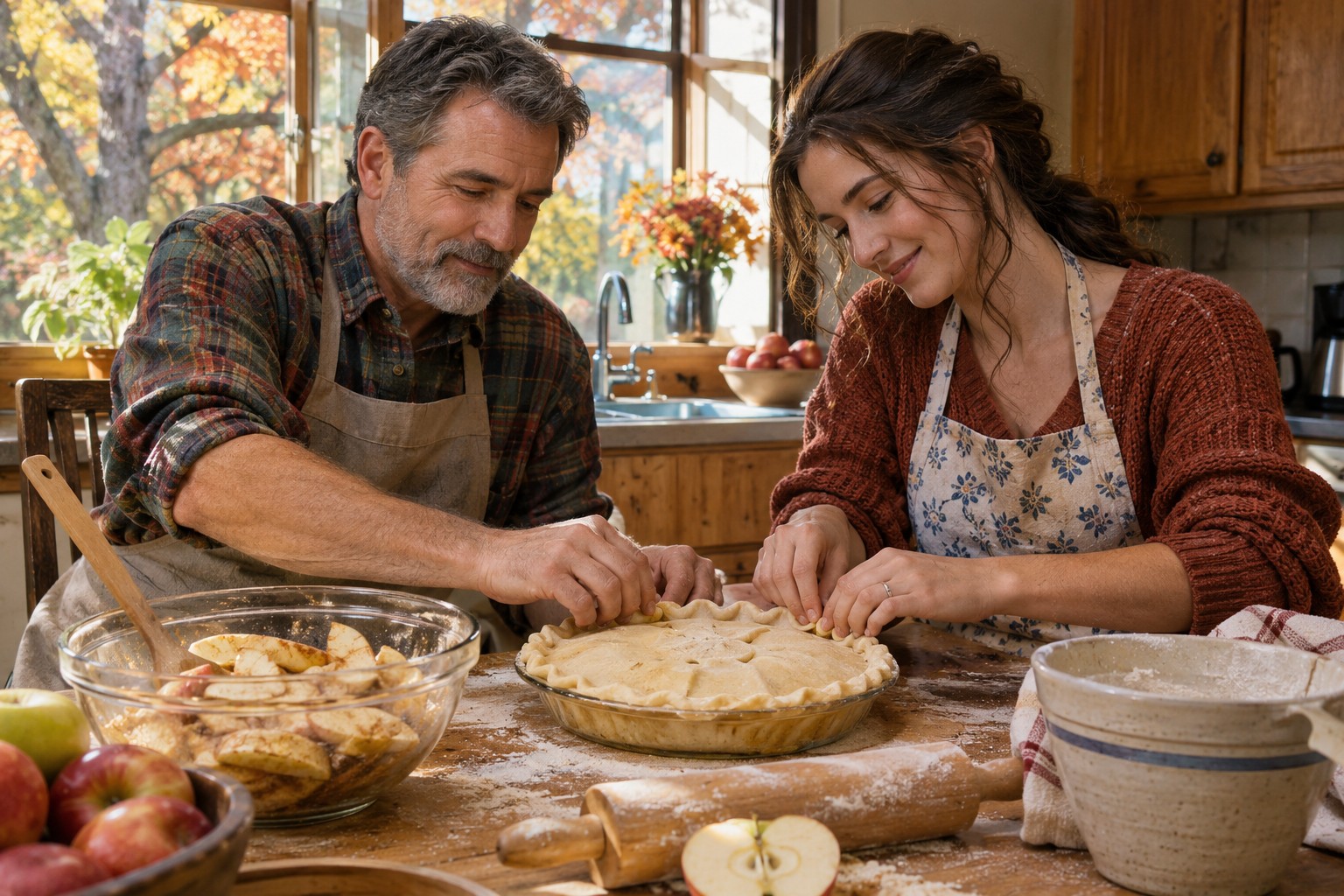
You might prepare a favorite recipe, invite people to share a brief memory if they wish, or look through a few photographs with someone who understands. You could write a private letter about what you miss. A quiet walk may feel more appropriate than a formal observance.
Leaving an empty chair is an option, not a requirement. So is setting the table differently. You can remember someone deeply without displaying your grief in a particular way.
Make room for different responses in the same family
One relative may talk freely about the person who died while another becomes quiet. Someone may welcome a story and still need to step away afterward. Try asking, “Would you like to hear a memory, or would another time be better?”
When children are part of the gathering, let a parent or trusted caregiver guide how they participate. They can be invited to remember without being required to speak, perform, or comfort the adults. Ordinary play and conversation can continue alongside a family’s sadness.
For reflection beyond the holiday itself, where God meets you in emotional pain offers further encouragement to bring hurt honestly into prayer.

What does giving thanks mean when you are grieving?
1 Thessalonians 5:16–18 calls believers to prayer and thanksgiving throughout life’s circumstances. It does not require you to describe death as pleasant, or to deny that the loss has changed your life.
Your thanksgiving might be very specific and very small: someone drove you to the gathering; a friend remembered the person’s name; there is food you can manage to eat. Naming that gift does not cancel what is missing. You may also find that all you can say today is a request for help.
Gratitude should not become a tool for silencing someone else. If a grieving relative says they feel lonely, listen before offering a list of reasons they should be happy. Romans 12:15 calls for shared sorrow as well as shared rejoicing.
Our article on joy as a fruit of the Spirit considers a life rooted in God without treating every difficult feeling as spiritual failure.
Christian hope does not demand a deadline for grief
In 1 Thessalonians 4:13–18, Paul comforts believers who are concerned about Christians who have died. His encouragement rests on Jesus’s death and resurrection and the future he promises his people. He does not tell them that they must stop grieving.
That passage offers Christian hope concerning those who belong to Christ. It should not be turned into an unsupported promise about every person’s eternal state, or used to pressure a grieving person to feel ready for a celebration. Questions and sorrow can be brought to a trusted pastor with care and honesty.
Psalm 34:15–18 describes God’s attention to the cries of his people and his nearness to the brokenhearted. Read the surrounding psalm as an invitation to turn toward him. It is not a timetable for when pain will disappear.
A prayer for Thanksgiving after losing a loved one
Father, You know who is missing from our table and from the ordinary moments of our lives. Thank You for the love we have received and for the kindness that is carrying us today. Help us make room for tears, quiet, memories, and unexpected moments of joy. Give us patience with one another’s grief. Keep us near to Jesus and help us receive the care we need. Amen.
You can shorten this prayer or change the words to fit what you can honestly say. For other prayers around the meal, our collection of Thanksgiving prayers for family offers choices for different circumstances.
How to support someone grieving at Thanksgiving
Offer a clear invitation with room to decline: “You are welcome to join us, and you do not have to decide today.” Explain who will be there and whether anything is planned to remember the person who died. Let your friend help shape what would feel supportive.
Use the person’s name when appropriate, and listen if your friend wants to talk about them. Avoid explaining why the death happened or predicting how soon things will feel normal. A simple “I miss them too” can be more companionable than trying to resolve the loss.
Practical help also matters. Offer to bring food, take care of an errand, or walk with them after dinner. Check in after the holiday, when the invitations have ended but the absence remains.
Receive support beyond the holiday
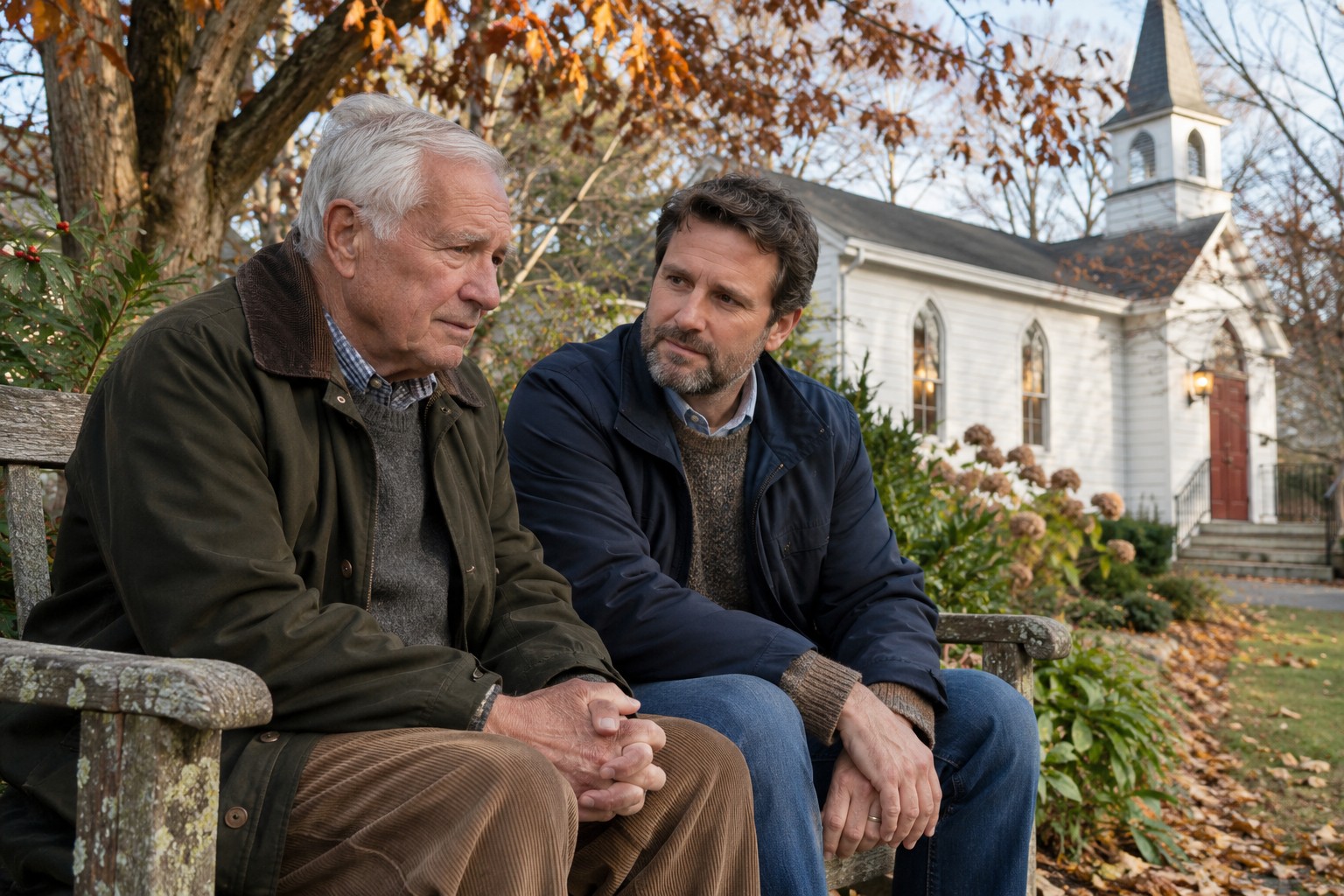
The National Institute on Aging’s guide to grief and loss explains that people respond to loss differently and describes support from trusted people, faith communities, and grief support groups. If grief is making daily life difficult to manage, a healthcare professional or grief counselor can help you consider additional support.
You do not have to wait until you can explain everything clearly before reaching out. You can start with, “The holiday is bringing up more than I expected, and I need someone to talk with.” A pastor, trusted friend, counselor, or support group may offer a place where you do not have to carry the whole conversation alone.
Continue Growing
Choose one kind step for this Thanksgiving: ask for help, simplify a plan, share a memory with someone willing to listen, or leave time to rest. You are allowed to love the person who died, receive today’s care, and move through this holiday at a human pace.
When you feel ready, explore these related articles for further encouragement:
When Your Heart Feels Heavy: Finding Peace in God’s Promises (Psalm 34:18) — Reflect on God’s nearness to the brokenhearted without putting a deadline on your grief.
Walking Through the Valley — Trusting God in Psalm 23:4 — Consider the comfort of God’s presence as you walk through sorrow and uncertainty.
Praying Scripture: Simple Templates to Turn Bible Verses into Powerful Prayers — Find a simple way to bring your sadness, questions, and needs to God when words are difficult.