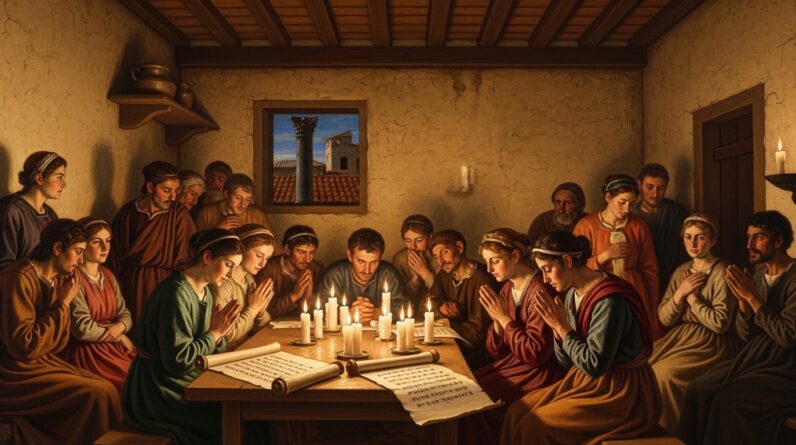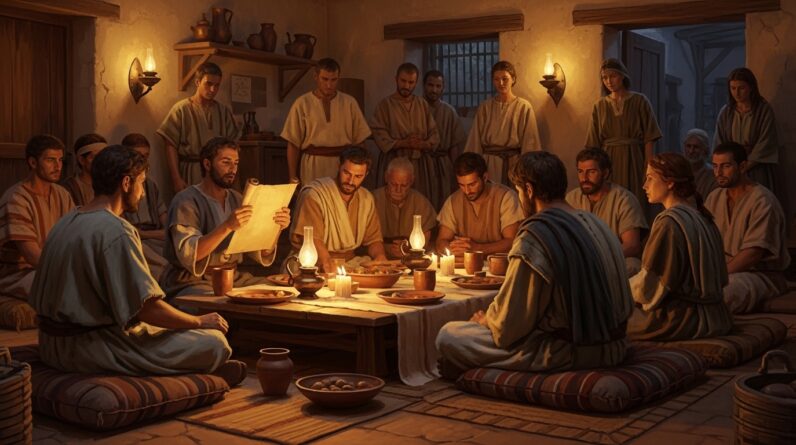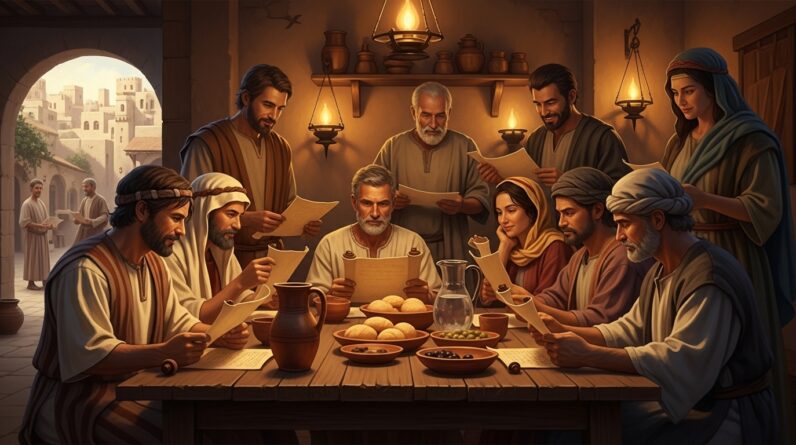



Quick answer: If you want a short, clear response, Acts 2:42–47 summarizes what the first Christians practiced daily. They devoted themselves to teaching, fellowship, breaking bread, and prayer. They met in homes, shared possessions to care for others, and relied on the Holy Spirit as they lived out their faith. See Acts 2:42–47 for the full snapshot of their daily life: Acts 2:42–47.
This guide walks you through what the early church did every day, why it worked, and how you can adopt practical rhythms that reflect those first believers. You’ll get biblical connections, simple takeaways, and concrete suggestions for your life and community.

Why Acts 2:42–47 matters for daily Christian living
Acts 2:42–47 gives a short but rich description of the early church’s habits and heart. When you read it, you’re looking at an everyday rhythm shaped by devotion rather than a one-off event. That passage says they devoted themselves to the apostles’ teaching, to fellowship, to the breaking of bread, and to prayer, and it goes on to describe their life together: sharing resources, meeting in homes, praising God, and seeing growth. Read the passage for yourself here: Acts 2:42–47.
What makes this snapshot so powerful is that it’s both descriptive and prescriptive. It describes what those first Christians actually did, and it offers you a blueprint for daily life shaped by community, spiritual disciplines, and practical care. When you want to know how to live out faith day-to-day, this passage gives you an accessible, biblical answer.
The four daily habits of the early church
Acts 2:42–47 highlights four core practices the early church embraced regularly. Each one shaped identity and community in tangible ways.
Teaching: learning from the apostles
The early church “devoted themselves to the apostles’ teaching” (Acts 2:42). That meant listening to apostolic instruction about Jesus, Scripture, and the life of discipleship. Teaching was not only information; it formed a worldview and provided ethical direction grounded in the gospel.
For you, this says the daily life of faith includes consistent learning: reading Scripture, hearing faithful teaching, and letting the truths you learn shape how you think, speak, and act. The early church prioritized teaching because truth directed their worship, work, and witness.
Fellowship: sharing life deeply
Acts says they devoted themselves to fellowship (Acts 2:42). The Greek word here (koinonia) conveys partnership, sharing, and deep relational interdependence. Fellowship wasn’t surface-level small talk; it was a daily commitment to live life together in a way that reflected Christ’s love.
You can translate this into your life by intentionally investing in relationships where faith is openly shared, burdens are carried together, and encouragement flows freely. When fellowship becomes a daily practice, you’ll find spiritual growth that’s relationally rooted.
Breaking bread: meals and communion
The early church devoted itself to the breaking of bread (Acts 2:42). That phrase likely covered both shared meals and the Lord’s Supper. Eating together sealed relationships and shaped a shared identity as followers of Jesus who remembered his life, death, and resurrection.
For you, breaking bread can be a spiritual habit—regular meals with other believers where you celebrate God’s provision and remember Christ through simple rituals like communion. Those meals become a liturgical, everyday expression of the gospel.
Prayer: constant dependence on God
They devoted themselves to prayer (Acts 2:42). Prayer was central to decision-making, worship, and dependence. The early church prayed corporately and likely individually throughout the day, seeking God’s guidance and power.
If you want to emulate this practice, make prayer an integrated rhythm: short, frequent conversations with God during your day, as well as longer communal times. The early church’s example shows that prayer fuels mission and sustains the community.
How they lived beyond the four habits
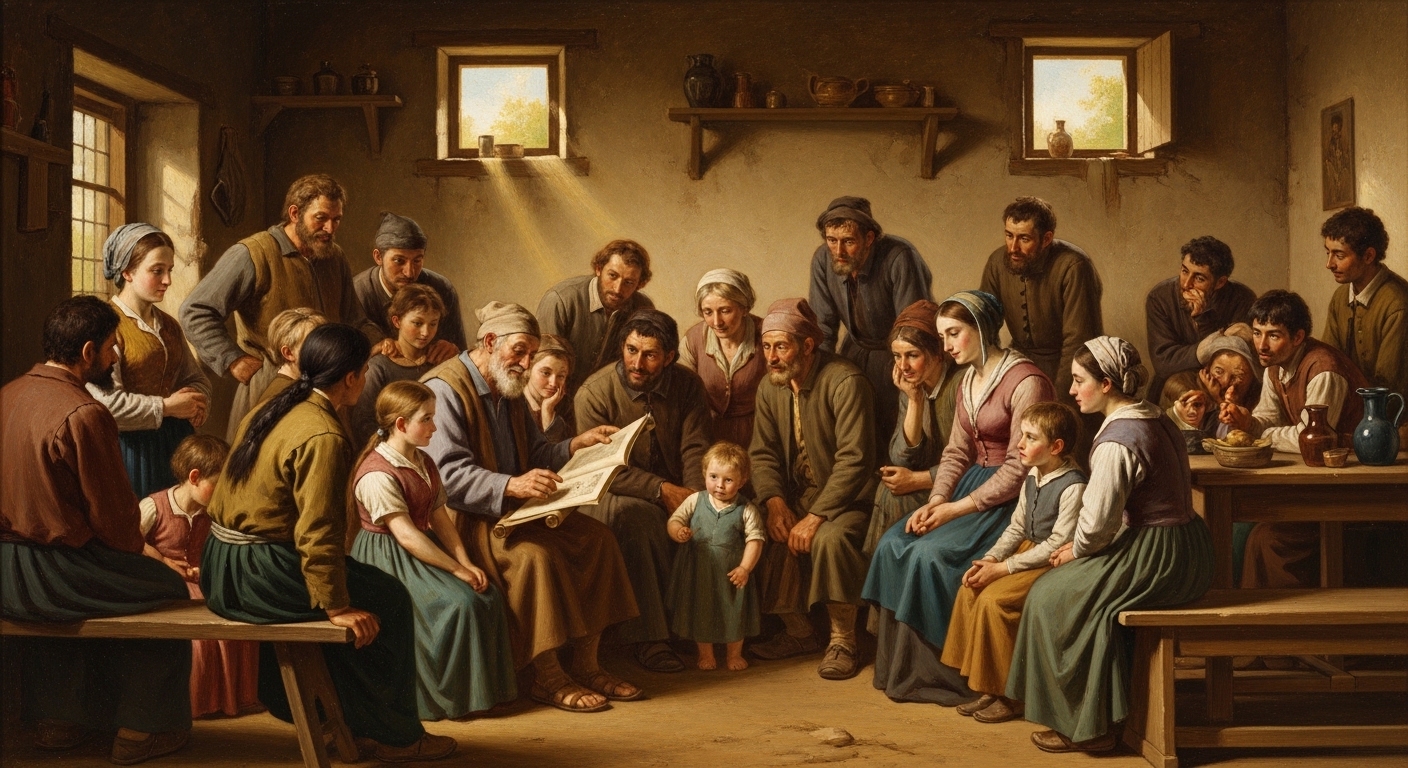
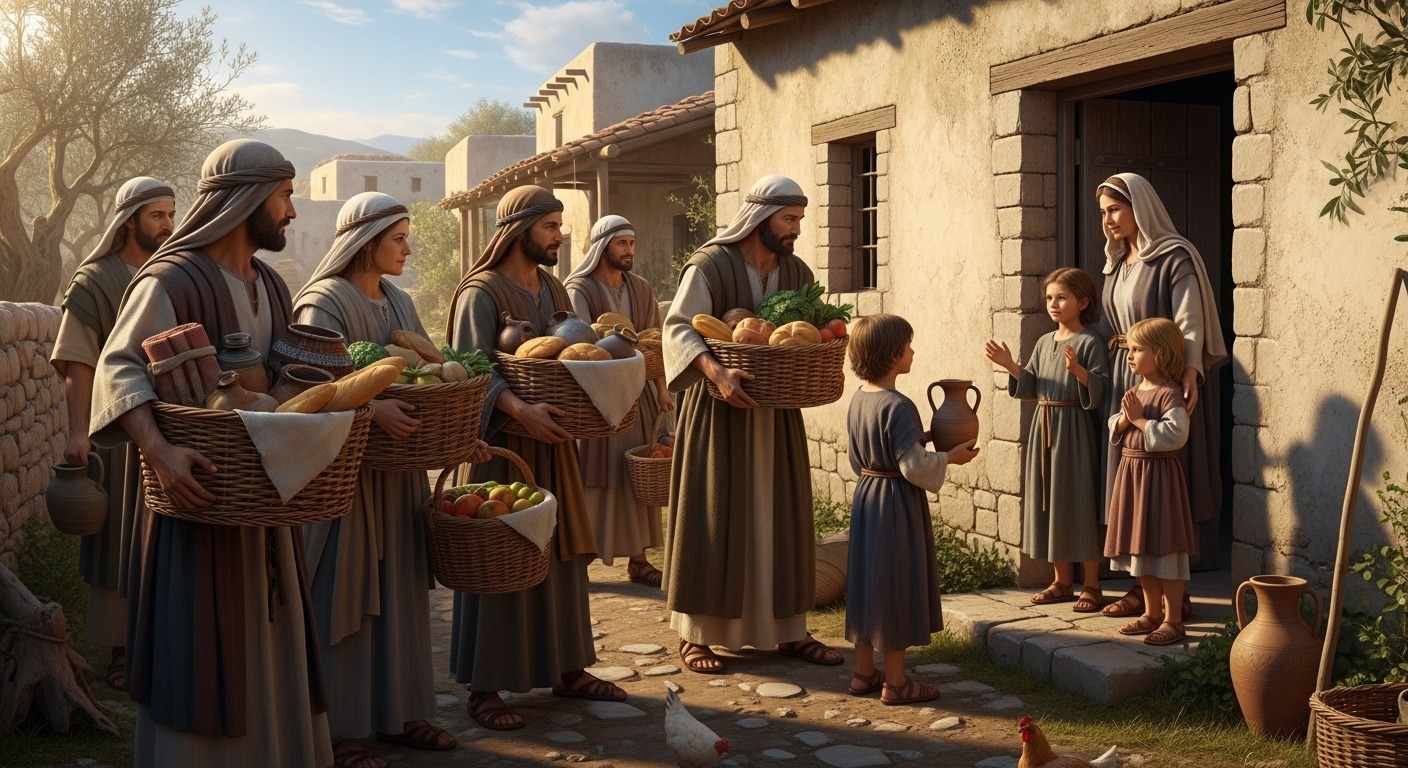
Acts 2:44–47 describes how those daily habits translated into real-life practices: meeting in homes, sharing possessions, helping those in need, and praising God together. Each habit formed a behavior that overflowed into societal impact.
Meeting in homes
The earliest believers often met in homes rather than large buildings. Acts notes they broke bread in their homes and ate together with glad and sincere hearts (Acts 2:46). Smaller settings created intimacy and allowed faith to be lived out practically.
For you, this suggests that spiritual growth can happen in small, intimate gatherings—house churches, small groups, or shared meals—where you can be known and equipped to live out your faith daily.
Sharing possessions and helping the needy
Acts states that “all who believed were together and had all things in common” and that those who owned lands or houses sold them and gave the proceeds to anyone in need (Acts 2:44–45). This radical generosity isn’t necessarily a command for everyone to sell everything, but it shows an ethic: the community’s possessions were used to meet real needs.
You can apply this ethic by practicing sacrificial generosity, by saying “enough” to accumulating, and by ensuring your community cares for its most vulnerable.
Praise, gladness, and favor
Acts highlights the emotional and social atmosphere: they praised God and enjoyed the favor of all people, resulting in exponential growth as the Lord added to their number daily (Acts 2:46–47). Their joy and integrity drew others in.
If you want to reflect that same attractiveness, cultivate joy, integrity, and generosity in your daily life. Authentic faith lived out wins the attention of a watching world.
Why this daily pattern worked
There are practical and theological reasons the early church’s rhythms were effective. When you understand these, you can more intentionally shape your day-to-day faith.
Consistency rooted in devotion
The early church’s habits weren’t sporadic; they were devoted. The word “devoted” implies repeated, disciplined practice. Consistent habits shape character and community more than occasional events.
For you, it’s a reminder that spiritual formation is a process. Small, faithful practices over time are more transformative than occasional emotional highs.
Authentic community
They did life together—sharing meals, resources, and burdens. Authenticity made their witness persuasive. People noticed when their lives matched their message.
You can build community that matters by being real—sharing struggles, celebrating wins, and intentionally caring for one another.
Spirit-led power
Acts repeatedly shows the Holy Spirit at work—empowering preaching, healing, and community transformation. Their practices weren’t mere human methods; they were contexts where the Spirit could move.
When you pray and practice spiritual disciplines, ask for the Spirit’s presence. Your efforts become meaningful when empowered by God.
Practical generosity
Their sharing met basic needs and freed the community to live missionally. Resources were used for people, not prestige.
You can design financial habits—giving, mutual aid, and shared resources—to ensure the vulnerable are cared for, and the community stays mission-focused.
How the early church’s rhythms shaped mission and growth
Acts 2:47 says, “The Lord added to their number daily those who were being saved” (Acts 2:47). Their life together became a testimony. Growth followed not because they marketed themselves, but because their daily practices embodied truth, love, and power.
When you live consistently in teaching, fellowship, breaking bread, and prayer, your life becomes a living sermon. People are drawn less to polished programs and more to authentic communities that reflect God’s love.
Practical ways you can adopt early church rhythms today
You don’t need to replicate first-century culture to embody the same principles. Here are practical, modern translations of those early habits that you can start practicing today.
Create a daily learning rhythm
Set aside time each day to read Scripture and a bit of trusted teaching. If you’re short on time, even 10–15 minutes daily will form your mind over months. Use a reading plan, listen to reliable sermons, and discuss what you learn with a friend or in a small group.
Make teaching part of your daily life so your decisions and conversations flow from biblical truth.
Invest in fellowship intentionally
Schedule regular, recurring times to meet with others. Prayer walks, meal nights, or a weekly small group can be consistent ways to practice fellowship. Aim for depth rather than breadth; it’s better to be deeply known by a few than superficially liked by many.
Fellowship is a daily posture, not just a weekly meeting.
Practice breaking bread meaningfully
Invite others to your table. Share meals and include prayer and simple remembrances of Christ’s work—especially when you gather. If your community celebrates communion, make it a regular part of your gatherings so confession, remembrance, and hope are part of your shared life.
Meals are discipleship opportunities—use them.
Build a prayer rhythm
Pray short prayers throughout your day, and establish set times for corporate prayer with others. Use simple formats: praise, confession, thanksgiving, and request. Keep a list of needs and updates so your group prays with focus.
Prayer keeps dependence on God central.
Practice generosity and mutual aid
Look for neighbors in need. Create funds or systems within your group to help those who face hardship. You don’t have to mirror Acts by selling all you own, but you can adopt a habit of sacrificial giving and resource-sharing.
Generosity becomes a witness when it’s intentional and repeated.

Common questions and misconceptions
Addressing a few common questions will help you apply the early church model wisely.
Did the early church require communal living?
Acts 2:44–45 notes many believers “had all things in common” and sold property to support those in need (Acts 2:44–45). That passage describes radical generosity but doesn’t impose a single lifestyle on all believers. The takeaway for you is not compulsory communal living, but a radical willingness to use your resources for others.
Was their model legally or culturally mandated?
The early church operated in a specific cultural and historical setting. Their house church model fit first-century realities. Today, you can adapt the principle—intimacy, shared life, generosity—into contexts like apartment groups, small churches, and neighborhood networks.
Did the apostles run everything?
The apostles provided teaching and leadership early on (Acts 2:42). As the church grew, leadership diversified. You can rely on gifted leaders while recognizing that every believer is called to participate in teaching, service, and mutual care.
Stories and examples to inspire you
Hearing concrete examples helps you imagine how these rhythms work in real life. Here are a few short scenarios illustrating the early church’s habits in today’s terms.
- A group of neighbors meets on Monday evening for dinner, Scripture reading, and prayer. They pool funds to help a family who lost income, demonstrating fellowship and generosity.
- A workplace Bible study meets during lunchtime to discuss Scripture and to pray for colleagues. They model daily devotion in an everyday setting, creating a place where coworkers can ask spiritual questions.
- A small church practices monthly simple communion in homes, followed by a shared meal. Young families, elderly members, and singles rotate hosting, building deep connections and mutual care.
These stories show that practical commitment, not perfect systems, produces the life you see in Acts.
Practical checklist: daily and weekly habits you can try
Here are a few concrete rhythms to adopt this week. Each one echoes the early church and can be scaled to your context.
- Read a short passage daily and share one insight with a friend.
- Invite someone to a meal this week and listen to their story.
- Pray three short prayers during your workday: morning, midday, and evening.
- Establish or join a small group that meets biweekly in a home.
- Give intentionally to a fund that helps those in your community.
These actions are small but consistent, and they lead to meaningful transformation when repeated.
Theological heart: why these practices matter spiritually
At the center of these practices is a theological commitment: the church is a body formed by Christ, sustained by the Spirit, and called to live out the gospel visibly. Acts 2:42–47 isn’t merely social programming; it’s a spiritual formation blueprint. Teaching grounds you in truth. Fellowship displays the gospel. Breaking bread remembers Christ’s sacrifice and hope. Prayer opens you to divine power. Together, these form a Christian daily life shaped by grace and mission.
If you keep these habits, you’ll find your life reshaped: less self-centered, more communal, and increasingly witness-bearing.
A brief devotional reflection
Pause and reflect with a short prayer: Lord, help me live like the early church—devoted to learning, to deep fellowship, to remembering You at the table, and to praying without ceasing. Make my generosity reflect Your heart. Use my life to draw others to You. Amen.
This simple devotion captures the posture the early believers modeled: dependence, community, remembrance, and mission.

Simple takeaway
If you’re asking what the early church did every day, Acts 2:42–47 gives a plain model: they lived their faith daily through teaching, fellowship, breaking bread, and prayer. They met in homes, shared resources, cared for the vulnerable, and praised God with glad hearts—all within the empowering presence of the Holy Spirit. Read the passage again here: Acts 2:42–47.
Adopt one small habit this week that reflects those rhythms—an intentional meal, a daily Scripture habit, or a shared prayer time—and let consistency shape your life.
Related passages you might read
- Acts 2:42–47 (main snapshot): Acts 2:42–47
- Acts 4:32–35 (further example of sharing): Acts 4:32–35
- 1 Thessalonians 5:16–18 (pray without ceasing): 1 Thessalonians 5:16–18
- Hebrews 10:24–25 (encourage one another): Hebrews 10:24–25
These passages deepen your understanding of the early church and give biblical anchors for daily practice.
Prayer
Lord, help me follow Your teachings daily. Teach me to love truth, to love people, and to depend on You. Give me courage to share, generosity to give, and humility to serve. Amen.