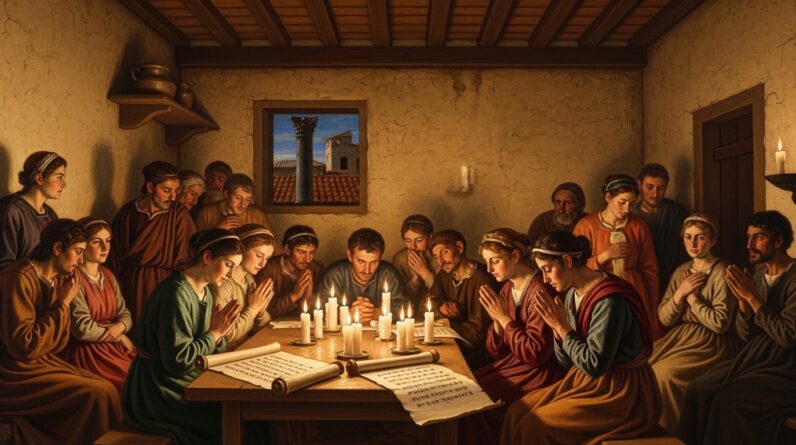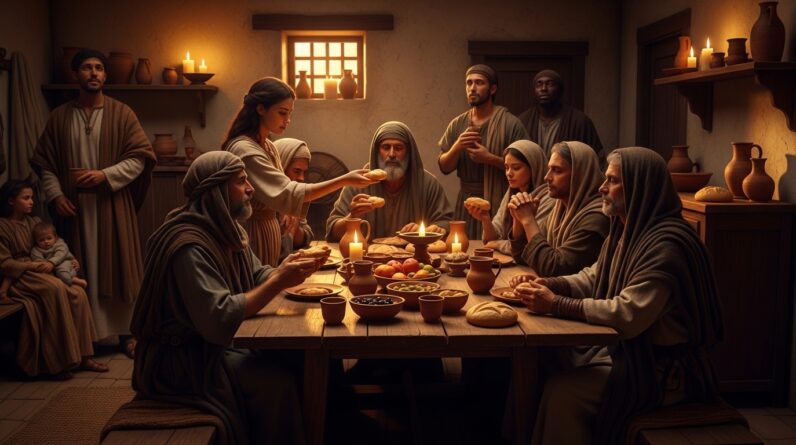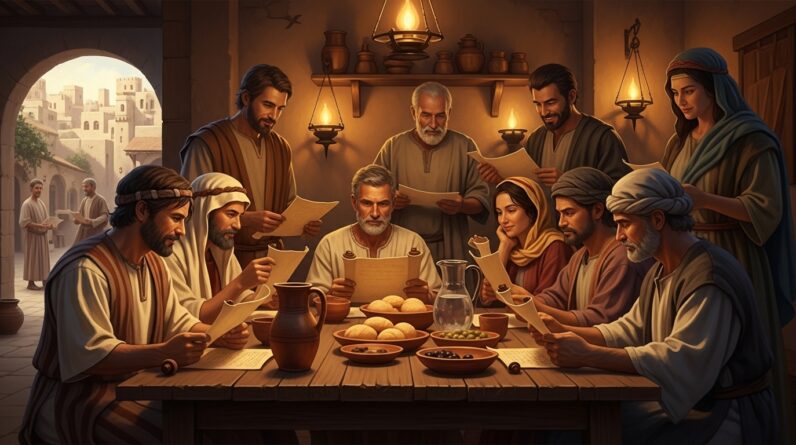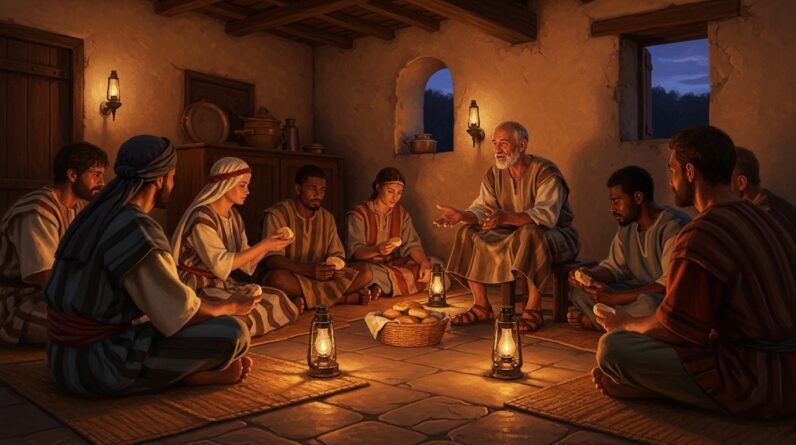


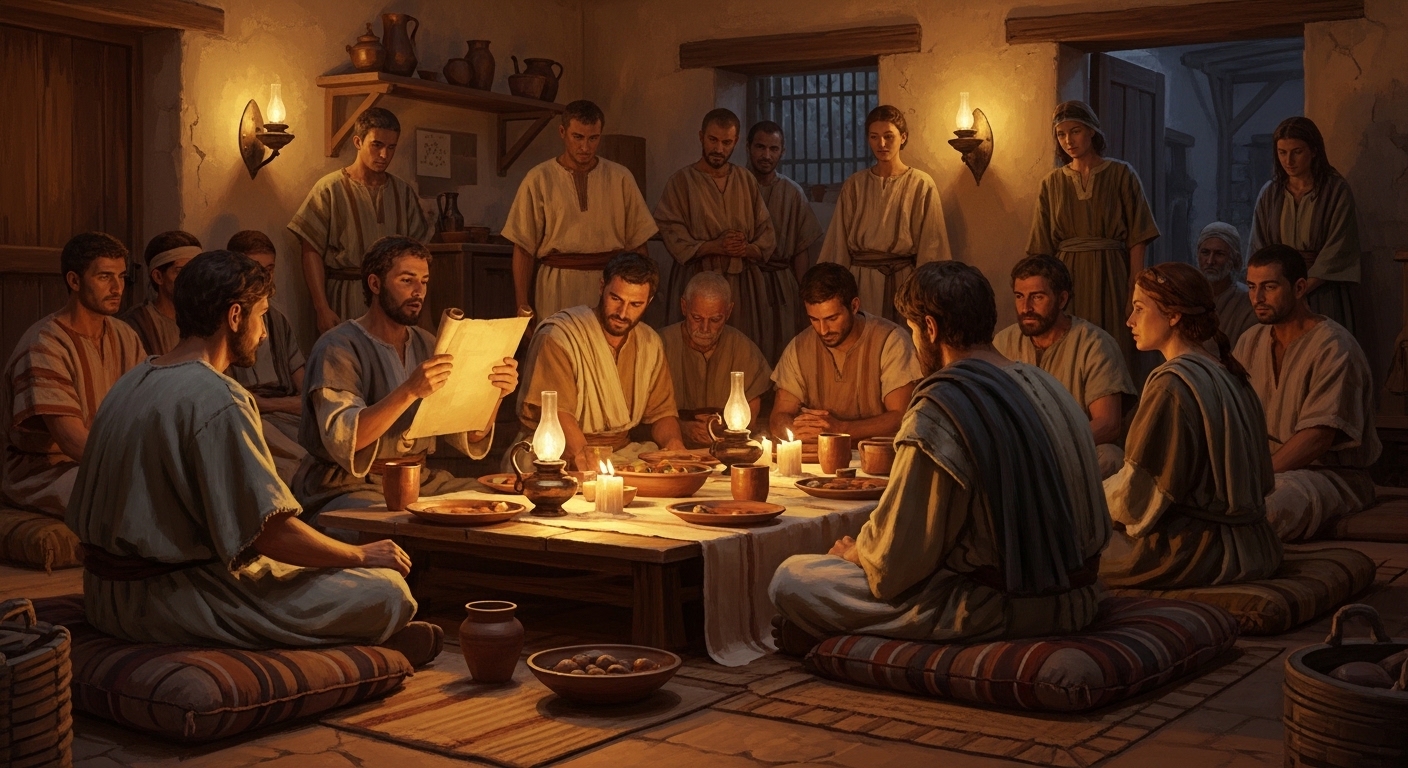
Before you imagine large cathedrals, stained glass, or megachurch auditoriums, picture a handful of people gathered around a table in someone’s home—sharing a meal, praying, learning Scripture, and caring for each other. That simple scene was the lifeblood of the earliest Christian communities. In this article you’ll explore what house churches were, why early Christians preferred meeting in homes, how those gatherings shaped the movement’s growth, and what you can learn from that model today.
You’ll see key Bible passages linked so you can read the text in context, and you’ll get practical suggestions if you’re considering forming or joining a house church in your community.

Introduction: Why homes, not halls?
The New Testament paints a clear picture: early Christians met in private dwellings as a primary pattern for fellowship, worship, teaching, and mission. A snapshot verse captures the rhythm of ordinary life in those first communities: “They broke bread in their homes and ate together with glad and sincere hearts” (Acts 2:46). That domestic setting wasn’t an accident. It flowed from theology, culture, necessity, and strategy.
You’ll discover that meeting in homes shaped Christian identity—emphasizing relationships, hospitality, accountability, and reproducible discipleship. It also helped the movement survive persecution and expand rapidly. As you read, consider how these ancient practices might refresh your approach to community, worship, and mission today.
What exactly were house churches?
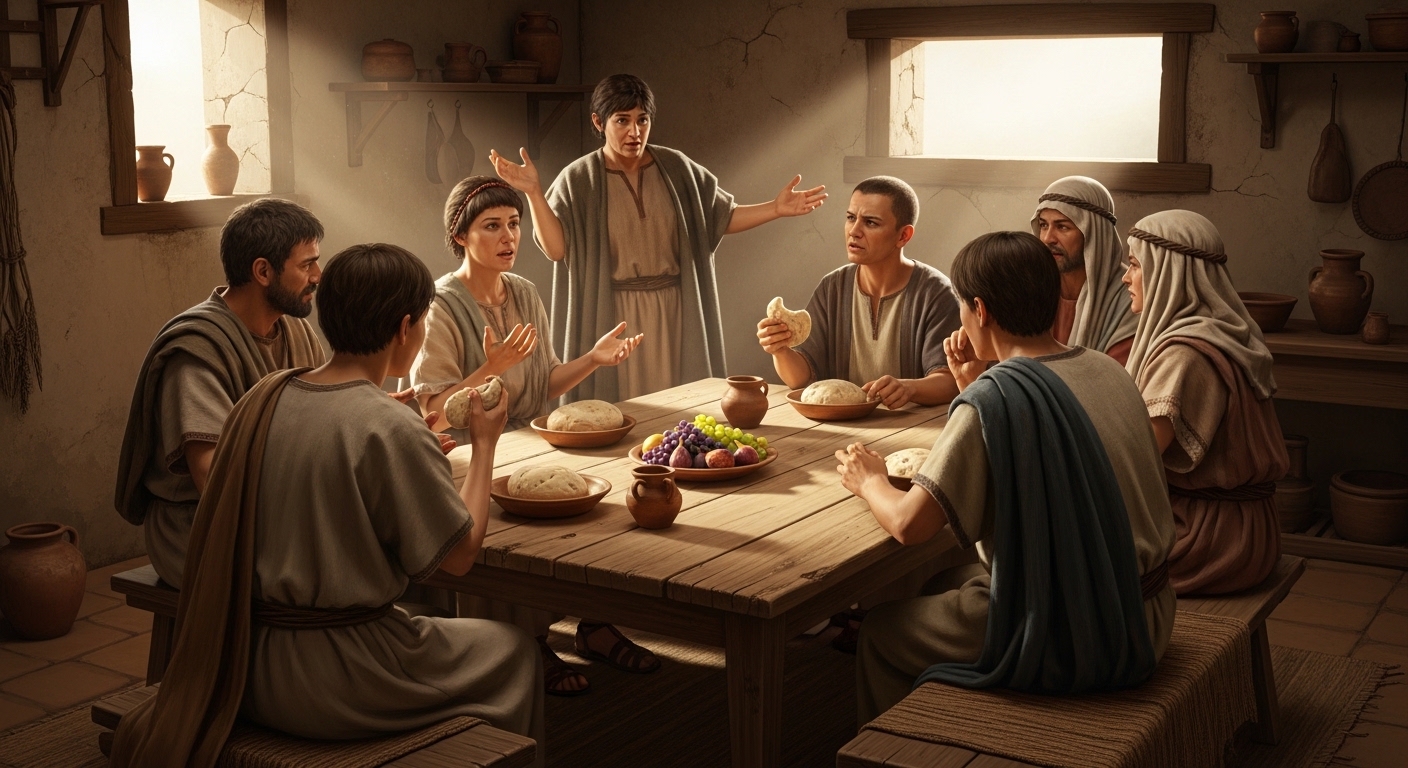
Historians and biblical texts use several terms—house churches, house fellowships, domestic churches—to describe small Christian communities that met in private homes rather than purpose-built church buildings. In the first century, these gatherings could range from a few friends meeting around a meal to dozens assembling in a larger household.
The New Testament gives multiple references to churches meeting “in houses,” where household heads host gatherings of prayer, teaching, communion, and mutual care. For example, Paul sends greetings to “the church that meets at their house” (Colossians 4:15), and he refers to churches meeting in the homes of Aquila and Priscilla (1 Corinthians 16:19). When you picture a house church, imagine an intimate, participatory worship setting rooted in everyday life.
Biblical evidence for house churches
The Bible doesn’t present the church primarily as a building; it presents it as people gathered. Besides Acts 2:46 and Colossians 4:15, several passages point to the domestic character of early Christian gatherings.
- You can read about the consistent habits of the new community in Acts 2:42–47, where teaching, fellowship, breaking of bread, and prayer were centered in daily life.
- Paul greets many house-based gatherings in Romans 16:3–5, including “the church that meets at their house” (Romans 16:5).
- Paul and others taught “house to house,” as Paul reminds the Ephesian elders about his ministry in Acts 20:20.
- In a time of pressure, the movement dispersed from public spaces into private ones: you can read about persecution and house-to-house searches in Acts 8:3.
- Even sacramental life occurred at home; the “breaking of bread” in context is discussed in 1 Corinthians 11:20–34.
When you read these texts, it becomes clear that the domestic setting was foundational—not incidental—for how the first believers lived out their faith together.
1. A place for fellowship and community
House churches were relational by design. In the intimate setting of a home, people didn’t just attend a program; they shared life.
You’ll find that the early church emphasized “devotion to fellowship” alongside teaching and prayer. The domestic context made personal connection and regular contact natural. When you gather in someone’s living room or around a family table, the barriers between the “sacred” and the “secular” blur: faith becomes lived within family rhythms, meals, work, and personal crises. The early example encourages you to prioritize close relationships: listening, hospitality, confession, and mutual encouragement become practical expressions of your faith.
Application for you: if you want deeper spiritual growth, invest in regular, small-group time where people know your joys and struggles. The home setting invites vulnerability and long-term mutual care.
2. A space for worship and teaching
Meeting in homes didn’t mean a lack of theology or formal teaching. On the contrary, house churches were key venues for instruction, spiritual formation, prayer, and worship. Paul wrote greetings to churches meeting in houses (Colossians 4:15), indicating that these gatherings were recognized centers for the life of the church.
When you meet in a home, worship can be more participatory. Teaching is often dialogical rather than lecture-based, and prayer arises naturally out of life’s needs. In the early church, apostles and teachers expected that the gospel would be taught in domestic settings; Paul reminded leaders that his ministry involved teaching “from house to house” (Acts 20:20). For you, that means your kitchen table can be a classroom for discipleship and a chapel for communal praise—church is not confined to a building but carried wherever believers meet in Jesus’ name.
3. A response to persecution and safety
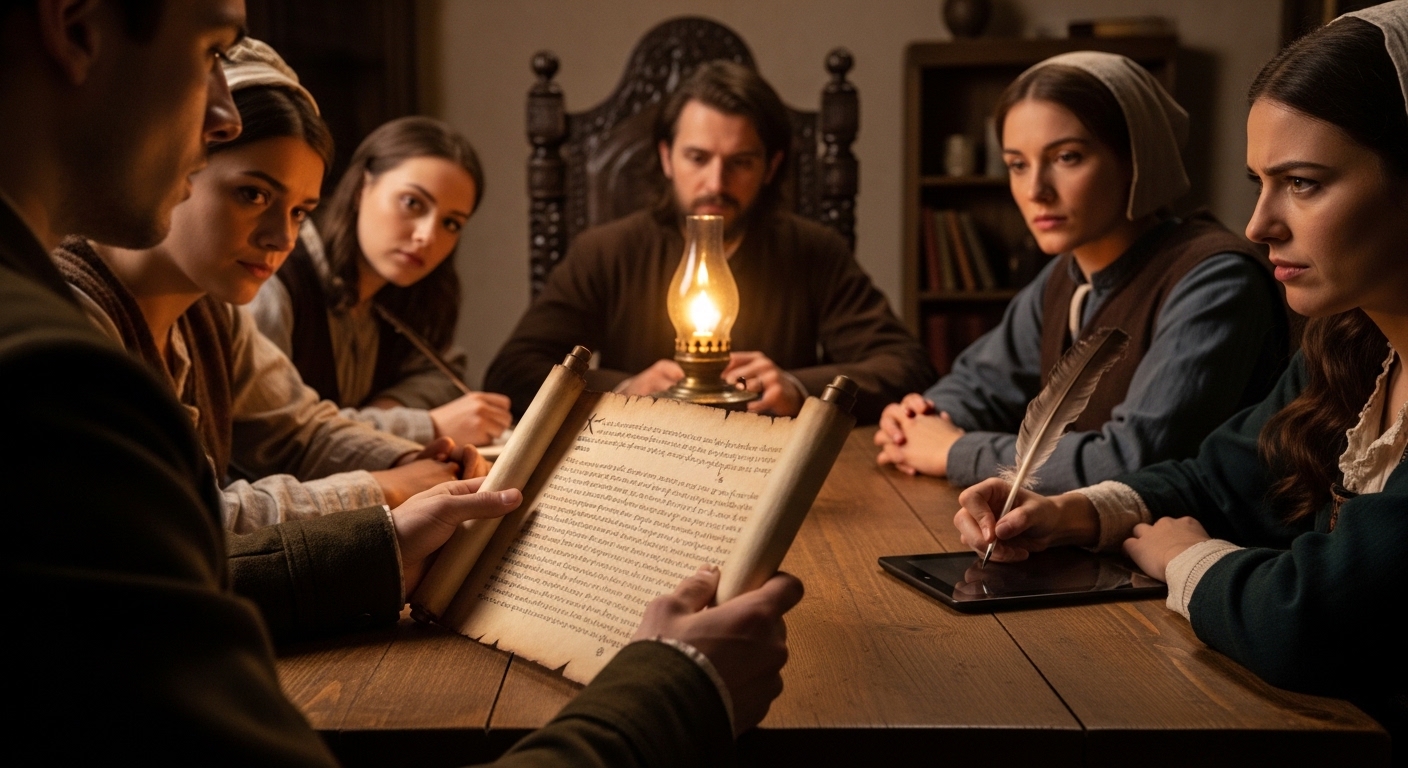
Sometimes the reason for meeting in homes was urgent: safety. In seasons of persecution, meeting publicly could endanger lives, so believers met privately. Acts describes a period when Saul (later Paul) “began to destroy the church. Going from house to house…” (Acts 8:3). That image shows both vulnerability and resilience—home gatherings provided flexibility and protection.
For your context, this history reminds you that the church can survive and even thrive in constrained circumstances. When public expression of faith is limited, personal networks and home-based gatherings become strategic for sustaining teaching, sacraments, and mutual support. You learn that sturdy faith is not dependent on institutional grandeur but on the resilience of committed communities.

4. A model for rapid growth and multiplication
House churches were a highly reproducible model. They required no expensive construction, formal staff, or large budgets—just hospitality, willing leaders, and open homes. That simplicity helped Christianity spread rapidly across cities and regions.
When you think about multiplying disciples, small gatherings are easier to reproduce. A home-based group invites others to join and then empowers participants to start similar gatherings. The early church multiplied because ordinary people hosted neighbors and friends. For your mission, don’t underestimate the power of small beginnings: a few consistent gatherings in homes can ripple outward, especially when those gatherings intentionally equip others for leadership.
5. A focus on authentic, relational faith
House churches encouraged authenticity, accountability, and real love. Paul’s appeal that believers “be devoted to one another in love” (Romans 12:10) fits the domestic model well. In a living room, you can know people’s names, histories, struggles, and spiritual gifts. Accountability becomes lived—not imposed.
When you meet around a table, it’s easier to distribute ministry: multiple people can teach, pray, and care rather than relying on a single professional leader. That distributed model nurtures maturity and helps prevent the isolation and burnout that sometimes accompany centralized leadership. If you’re seeking honest discipleship, a house church setting can provide both the safety and challenge needed for growth.
How house churches typically met: a snapshot of a gathering
A house church gathering often blended the ordinary with the sacred. Here’s how a typical evening might unfold in the early church—and how you could model it today.
- Meal and hospitality: Food was central. Sharing a meal created warmth and inclusion, and the Lord’s Supper often happened around this meal (Acts 2:46; 1 Corinthians 11:20–34).
- Scripture and teaching: Someone read and explained Scripture, often with questions and discussion, reflecting how the apostles taught (see Acts 2:42–47 and Acts 20:20).
- Prayer and worship: Prayer, singing, and testimonies were communal and participatory rather than performance-based.
- Care and giving: Practical needs were met—food, lodging, mercy for widows and the poor—as seen in the early church’s priorities (Acts 2–4).
- Discipleship and sending: People were encouraged, taught to share faith, and sometimes commissioned for mission—house churches were nodes in a wider network.
When you replicate this rhythm, the domestic setting becomes a place where spiritual formation is part of everyday life.
Leadership and structure in-house churches
House churches were not leaderless, but their leadership looked different from that of modern institutional models. Household heads, elders, and those gifted in teaching and hospitality played roles, but the responsibility for ministry was broadly shared.
The New Testament mentions itinerant teachers and apostolic oversight while also recognizing local elders. Paul’s greetings to many individuals and references to “house” churches (Romans 16:3–5) show personal networks of influence. Leadership in the house church context often emphasized shepherding, teaching, pastoral care, and selecting trusted members for specific responsibilities.
For your context: consider a leadership pattern that values gifted laypeople, fosters accountability, and encourages shared responsibility. That approach builds resilience and helps avoid over-reliance on a single personality.
House churches and theology: church as family, not facility
The domestic model shaped Christian self-understanding. Rather than imagining church primarily as a building, early Christians framed the church as a family—koinonia, fellowship, mutual belonging. This theology emerges in passages that speak of believers as brothers and sisters, the household of God, and members of one another. The house church embodied that theology physically.
You’ll find that this theological framework affects mission and ethics: care for the poor, unity across social divides, and sacrificial generosity all flow naturally from a family-like community. Your spiritual identity shifts from spectator to participant when church is family—your gifts, presence, and mutual submission matter.
House churches and sacraments: table-centered worship
The Lord’s Supper and baptism were central to early gatherings. The breaking of bread in homes was both a meal and a theological act. Acts describes believers sharing meals with “glad and sincere hearts” (Acts 2:46), and Paul addresses the Lord’s Supper in domestic settings in 1 Corinthians 11:20–34.
For you, that means sacraments can be integrated into everyday rhythms—not confined to a program. Celebrating the Lord’s Supper in smaller groups invites reflection, confession, and personal participation in ways that large, formal services may not. Baptisms and teachings in close-knit communities also provide tangible accountability and celebratory support.
Practical reasons they met in homes
Beyond theology, there were practical reasons for house churches:
- Cost and accessibility: Homes were free and available, making gatherings accessible across social classes.
- Social networks: Hospitality allowed immediate sharing with neighbors and friends, aiding evangelism and care.
- Flexibility: Meetings could be scheduled and moved easily in response to circumstances, including persecution.
- Reproducibility: A model that required little infrastructure could multiply rapidly when new believers hosted gatherings.
Understanding these practical advantages helps you see why home-based gatherings were more than nostalgia—they were strategic and effective.
Lessons for today: what you can take from the house church model
You don’t have to become a revivalist or reject current church structures to learn from the early pattern. Several practical takeaways can reshape how you build community and make disciples.
- Prioritize relationships: Invest in regular gatherings where people can be known and cared for.
- Embrace hospitality: Opening your home for a meal creates natural bridges for evangelism and discipleship.
- Make worship participatory: Encourage everyone to use gifts rather than relying on a professionalized program.
- Reproduce disciples: Intentionally equip people to host and lead simple gatherings that multiply.
- Prepare for resilience: Small, home-based networks can sustain faith through crises and pressure.
When you put these lessons into practice, your local Christian life can become more incarnational—lived in homes, workplaces, and neighborhoods.
Before you build community with others, it starts with your personal walk with God.
Practical steps to start a house church
If you’re thinking of starting a house church, here are practical steps to get you started:
- Pray and seek wisdom: Ask God for guidance and a clear sense of mission for your group.
- Invite a core group: Start with a small, consistent group of people committed to a weekly gathering.
- Choose a simple rhythm: Begin with a meal, Scripture reading, time for sharing, prayer, and a short teaching or discussion.
- Share responsibilities: Rotate hosting, teaching, and pastoral care to develop shared ownership.
- Focus on discipleship: Encourage members to read Scripture, pray, and invite others to join.
- Plan for multiplication: When the group grows, vision-cast for new gatherings and leaders.
You’ll find that a patient, relational approach yields more sustainable growth than forcing rapid expansion.

Challenges and cautions
While the house church model has many strengths, it’s not without risks. You’ll want to guard against common pitfalls:
- Insularity: Small networks can become closed and resistant to correction. Stay connected to wider bodies of believers and theological accountability.
- Leadership problems: Without training and oversight, leaders can misuse influence. Encourage mentorship and external accountability.
- Theological drift: Intimacy doesn’t replace sound doctrine. Prioritize consistent Scripture teaching and adherence to orthodox beliefs.
- Practical limits: Certain ministries (e.g., large-scale outreach, social services) may require broader infrastructure and coordination.
Awareness of these risks helps you design safeguards, such as partnerships with other churches, shared training resources, and regular evaluation of spiritual health.
House churches under persecution and in restricted contexts
When public expression of faith becomes dangerous, house churches become lifelines. The early church survived hostile environments by dispersing into homes and small groups, continuing to teach, baptize, and worship discreetly (Acts 8:3). For believers in restricted settings today, house churches provide a model of faithful perseverance and contextual mission.
You can learn from their flexibility: low-profile gatherings, decentralized leadership, and a focus on reproducible discipleship become critical tools for survival and growth.
House churches in modern contexts: integration with larger churches
You may wonder whether house churches should replace traditional congregations. They don’t necessarily have to. Many healthy movements use both models: larger congregational gatherings for corporate worship and mission, and house-based groups for community and discipleship. Using both allows you to enjoy the strengths of each: the resources of a larger church and the relational depth of a house fellowship.
If you’re part of a larger congregation, consider encouraging house groups as a primary vehicle for discipleship and care while retaining larger gatherings for corporate worship and mission.
Frequently asked questions
- Are house churches biblical? Yes. The New Testament contains multiple references to home-based gatherings (Acts 2:42–47; Romans 16:5; Colossians 4:15).
- Were house churches a temporary response to persecution? No. They were both practical in crisis and a preferred pattern for everyday life and worship.
- Can sacraments be done in house churches? Absolutely. The Lord’s Supper and baptism occurred within early Christian communities, often around household gatherings (1 Corinthians 11:20–34).
- How do house churches handle leadership training? They often rely on mentoring, rotating responsibilities, external theological resources, and partnerships with other churches for oversight.
If you have more questions about starting or joining a house church, reach out to experienced leaders and local denominations you trust for guidance.
 Internal Resources to Explore
 Internal Resources to Explore
To help you place house churches inside the broader early-Christian story, explore these related resources from this cluster:
Main Hub
Related Articles
- Pentecost Explained (What Happened + Why It Matters Today)
- What Happened to the Apostles After Jesus? (Their Mission and Legacy)
- The Early Church Explained (How Christianity First Spread)
- Early Church Persecution (Why Believers Were Opposed)
These pieces will help you see how house churches fit into the narrative of Jesus’ life, the apostles’ mission, and the church’s expansion.
Conclusion: People over buildings
House churches weren’t merely a stopgap; they were a theologically rich, practical, and missional expression of church. They teach you that:
- Church is primarily about people gathered in Christ’s name.
- Community, hospitality, and shared life are central to spiritual growth.
- Simplicity and reproducibility can unleash rapid, resilient growth.
- Authentic relationships foster deeper discipleship than programs alone.
When you practice faith in a domestic setting, you’re following a pattern deeply rooted in Scripture and church history. The heart of the church—mutual love, worship, instruction, and mission—remains the same whether you gather in a hall or a home.
Closing Prayer
Lord, thank You for the example of the early church and their faithful gatherings in homes. Help you build strong relationships, grow in faith, and live out Your truth daily. Make your home a place where Your presence is honored, and Your love is practiced. In Jesus’ name, Amen.
If you want to grow deeper in your walk with God and stay consistent in your faith, start with a simple daily habit: