

What Is The Great White Throne Judgment? (Revelation 20:11-15)
Introduction
Have you ever wondered what happens at the very end of the story? You’ve probably heard phrases like “final judgment” or “the end of days,” and maybe they felt distant or even a little frightening. The Great White Throne Judgment described in Revelation 20:11-15 is one of those moments the Bible paints in powerful, unforgettable terms — and it matters for how you understand God, justice, and hope.
In this article, you’ll get a clear, approachable look at what the Great White Throne Judgment is, why it’s important for everyday faith, and how its message invites you to live differently now. You won’t need scholarly degrees to follow this; just bring an open heart and the willingness to think about the end of the story from God’s perspective.
📖 The Bible Foundation
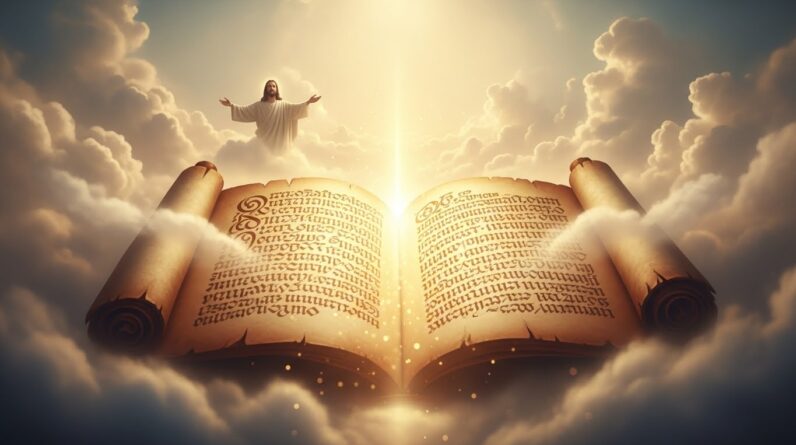
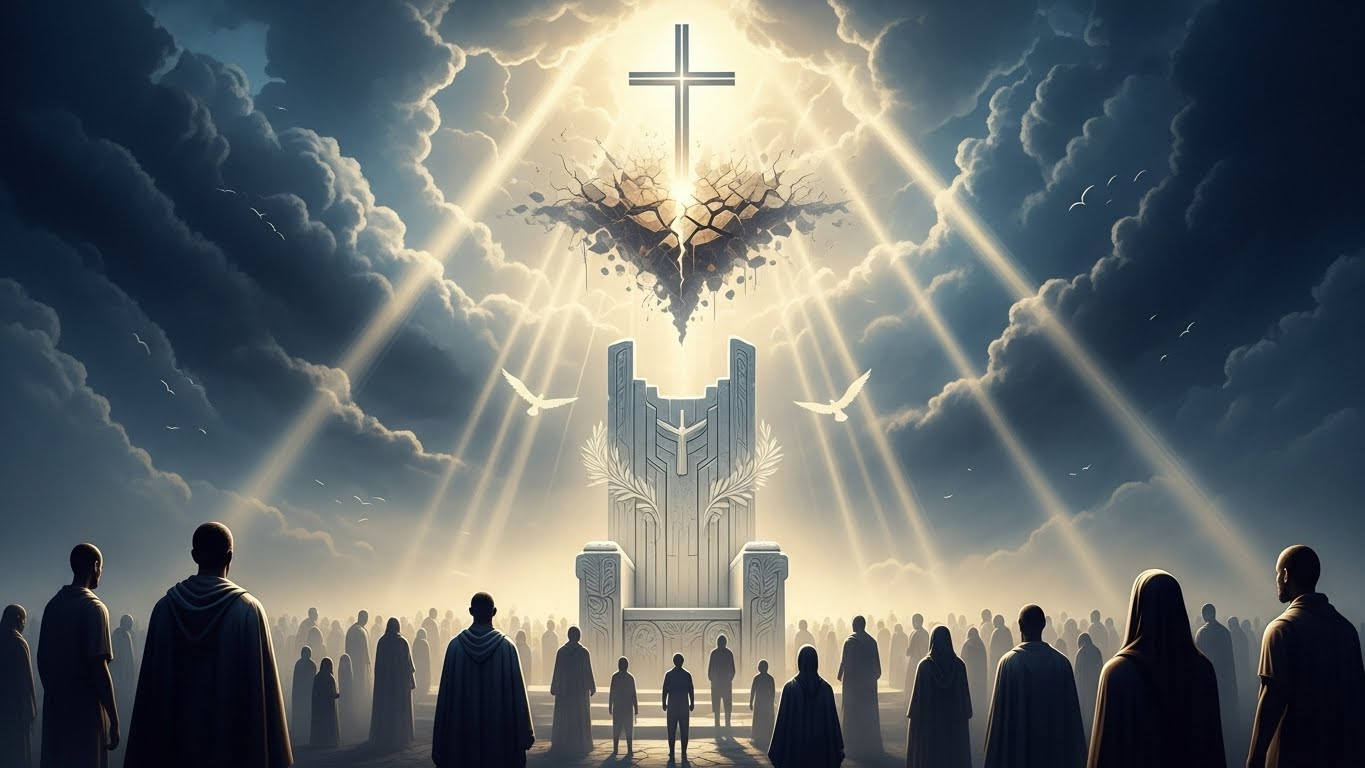
Revelation 20:11–15 (NIV): “Then I saw a great white throne and him who was seated on it. The earth and the heavens fled from his presence, and there was no place for them. And I saw the dead, great and small, standing before the throne, and books were opened. Another book was opened, which is the book of life. The dead were judged according to what they had done as recorded in the books. The sea gave up the dead that were in it, and death and Hades gave up the dead that were in them, and each person was judged according to what they had done. Then death and Hades were thrown into the lake of fire. The lake of fire is the second death. Anyone whose name was not found written in the book of life was thrown into the lake of fire.”

This passage is the most direct biblical description of the final, universal judgment. In John’s vision, you see a throne, a record of lives, and a clear separation based on whether someone’s name is in the “book of life.” The language is vivid — earth and heaven flee, books are opened, and the finality is unmistakable. But vivid images don’t always tell the whole pastoral story, so let’s walk through the meaning simply.
👉 “The Great White Throne judgment underscores the finality of God’s verdict, reminding us that Scripture presents judgment as a decisive moment with eternal consequences.”
➡️ Learn more in Can People in Hell Repent? (Luke 16:19-31, Hebrews 9:27)
🧠 Understanding the Core Truth

At its heart, the Great White Throne Judgment teaches three core truths: God is just, God holds all people accountable, and God’s plan includes both mercy and final justice.
- God’s justice: The throne represents God’s righteous authority. Justice isn’t arbitrary; it reflects God’s moral character.
- Accountability: Every person stands before God; deeds are not ignored. The “books” suggest that actions and choices have real weight.
- Finality of judgment: The imagery of the lake of fire as the “second death” tells you this is not a temporary correction — it’s the ultimate, decisive outcome for those outside the book of life.
This matters because it frames how you think about morality, grace, and the significance of your relationship with Jesus. It’s not just about fear; it’s about understanding the seriousness of God’s holiness and the hope offered in Christ.
👉 “As we consider the final judgment, many wonder about the awareness of those already in eternity and whether communication across realms is possible…”
➡️ Learn more in Can Loved Ones in Heaven Hear Us? (Luke 16:26)
🌊 Going Deeper — The Hidden Meaning
There are deeper spiritual and pastoral layers here that often get overlooked if you only focus on the scary imagery.
First, the “book of life” is the primary hinge. In biblical thought, being written in that book means belonging to God. Other scriptures connect this with eternal life through Christ (see John 10:27–28). The judgment scene serves to expose what is already true: those who belong to Christ are known by him and secure, while those outside face the consequences of separation from God.
Second, the books that detail deeds suggest transparency and fairness. Nothing is hidden; God’s justice operates on truth. This doesn’t eliminate grace — the New Testament is clear that salvation is by grace through faith (see Ephesians 2:8-9) — but it shows that grace and responsibility coexist. Mercy doesn’t make God careless about evil, and justice doesn’t cancel God’s offer of pardon.
Third, the defeat of “death and Hades” points to God’s victory over the powers that hold humanity in fear. For believers, this is comforting: final enemies are overcome. For those who reject God, the imagery warns of complete separation. The scene is both courtroom and cosmic restoration.
A relatable example: imagine a courtroom where the judge knows every motive and every choice. That feels intimidating, but for someone wrongly accused, it’s a relief—truth prevails. Likewise, for someone who has trusted Christ, the Great White Throne is not unexpected condemnation but confirmation of God’s final righteous order.
💡 Modern Connection — Relevance Today

How should this message shape your daily life? The Great White Throne Judgment has practical relevance:
- It helps you weigh priorities. If every choice matters, you’ll likely choose differently at work, in relationships, and online.
- It stirs urgency for compassion and evangelism. Knowing that some are outside the book of life motivates you to share the gospel with care and love.
- It shapes your understanding of justice. When systems fail, you remember a final, perfect judge who sees every wrong. That can fuel both righteous action and patient hope.
You don’t live in fear of a cosmic scoreboard so much as you live with healthy reverence. Your faith becomes a lens for ethical decisions, a source of courage to speak truth, and motivation to offer grace to others while staying faithful yourself.
👉 “Standing before God’s throne ultimately points us to one unshakable truth—only through Jesus Christ can anyone be saved.”
➡️ Learn more in What Role Does Jesus Christ Play in Salvation? (John 14:6, Acts 4:12)
❤️ Practical Application — Living the Message
You can translate this teaching into simple, daily practices that shape your heart and habits.
- Make time for honest reflection. Once a week, ask: “Where have I chosen comfort or convenience over faithfulness?” Pray and seek small changes.
- Prioritize the relationships God gives you. The judgment underscores that people matter eternally. Invest in family, friends, and neighbors with both practical help and gospel conversation.
- Live with integrity in small things. The “books” suggest that deeds count — so choose integrity at work, generosity in finances, and kindness in speech.
- Be intentional about biblical faith. Read Scripture frequently, commit to a church community, and talk openly about what Jesus means for life now and forever.
These actions aren’t about earning favor but about living as people who belong to God — evidence of a life transformed by grace.
👉 🌿 Faith Reflection Box
Take a moment now: If you stood before the Great White Throne, what would you want Jesus to say about your life? Sit with that question for a few minutes and let it shape a small, faithful step this week.
Key Takeaways
- God’s final judgment is real, righteous, and comprehensive.
- Belonging to God is secured by being in the book of life — a relationship, not merely good deeds.
- Live with reverence, integrity, and urgency to share the good news.
👉 Q&A
Q1: If the Great White Throne Judgment is final, does that mean God has no mercy?
Answer: No — God’s mercy and justice are both true. The final judgment shows God’s justice, but the Bible also makes clear that mercy is available. Salvation comes through faith in Jesus (see Ephesians 2:8-9). The invitation to be written in the book of life is extended throughout Scripture and is grounded in Christ’s work for you. So while the judgment is solemn, the gospel is your doorway to mercy. Trusting Christ is the means by which you receive God’s mercy and escape final separation.
Related: The Judgment Seat: Confronting Eternity’s Final Reckoning — Revelation 20:13
Q2: Are the “books” literal records, or are they symbolic?
Answer: The Bible uses vivid imagery, and the “books” may be both symbolic and real in the heavenly sense. Symbolically, they represent God’s perfect knowledge and the moral accounting of lives. Literal or not, the point is theological: God knows you fully and will judge rightly (see Romans 2:16). Whether you picture celestial ledgers or metaphorical records, the takeaway is the same — your actions and choices have weight, and God’s justice will be exact and fair.
Q3: How should the possibility of the second death influence my daily faith?
Answer: The “second death” motivates you to cling to Christ and to live intentionally. It’s less about fear-driven behavior and more about a grateful response to God’s grace. Let it push you into deeper trust, regular repentance, and loving action toward others. The Bible encourages persistent faithfulness (see Revelation 2:10), not perfection, and reminds you that your security is in Christ. Live like someone who knows eternity matters, and let that shape how you use time, talent, and treasure.
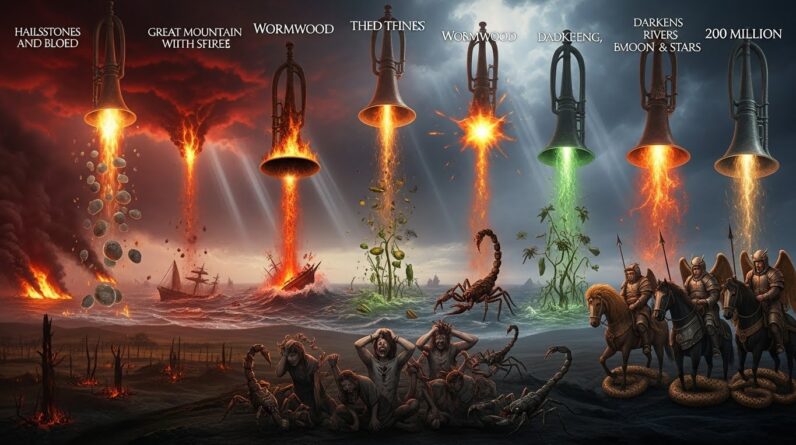
See also: The Seven Trumpets: What They Reveal About God’s Judgment (Revelation 8:6–13)
🙏 Conclusion & Reflection
The Great White Throne Judgment is a solemn, powerful portrait of God’s final and righteous rule. It reminds you that God is holy, that choices matter, and that mercy through Jesus is your hope. As you leave this article, hold both truths: that God will judge justly and that you are invited into life through Christ.
A short prayer you can pray now: “Lord, help me live with eternity in view. Thank You for mercy through Jesus. Shape my heart to seek You, to love others, and to live with integrity. Give me the courage to share Your good news and peace about the future. Amen.”

More Inspiration Awaits — Read These Next
 For deeper insight into Isaiah 40:31 and how it renews your strength in both faith and daily life
For practical lessons on compassion and neighborliness from the Good Samaritan
For a clear explanation of what we can learn from the Parable of the Good Samaritan
For meaningful insights from the Parable of the Pearl and its hidden treasures
For a deeper look at the Rich Man and Lazarus and what it reveals about the afterlife
For guidance on the Parable of the Ten Virgins and preparing for God’s Kingdom
For clarity on the Parable of the Lamp and how it calls us to shine our light
For insights from the Parable of the Wedding Feast and the meaning behind the invited guests
 Jesus and the Woman Caught in Adultery – Grace and Mercy Over Judgement
A powerful retelling of John 8:1-11. This book brings to life the depth of forgiveness, mercy, and God’s unwavering love. Check it now on Amazon 


 “Every great message deserves a home online.”


Don’t let your calling stay hidden. Start a Christian blog or website using Hostinger — with 99.9% uptime, a free domain, and SSL, your voice can shine for God’s glory anytime, anywhere. Begin today. Try it RISK-FREE! 

 “Your body is God’s temple — care for it with purpose.”


Renew your energy and restore balance naturally. Mitolyn helps support a healthy metabolism, giving you the vitality to live out God’s calling with strength and confidence.
Unlock Your Metabolic Power!  Burn More Calories & Feel Great With Mitolyn.
Start Today.  Check Price Now.
As a ClickBank & Amazon Affiliate, I earn from qualifying purchases.
 Acknowledgment: All Bible verses referenced in this article were accessed via Bible Gateway (or Bible Hub).
Want to explore more? Dive into our new post on Why Jesus? and experience the life-changing truth of the Gospel!