

What Is The Significance Of The Two Witnesses In Revelation? (Revelation 11:3-12)
TL;DR — Simple Answer
The two witnesses in Revelation 11:3–12 are God-appointed prophetic witnesses who testify faithfully amid persecution, symbolizing the church’s witness and God’s power to vindicate His servants.
Introduction
This passage matters because Revelation isn’t merely about distant events — it’s about who God is and how you live as His follower now. The story of the two witnesses links faith and discipleship: it shows God’s faithfulness under persecution, the cost and power of testimony, and the way Christ’s victory gives you hope in suffering. Exploring these verses will help you see not only prophetic imagery but practical truth that shapes prayer, witness, and your confidence in God’s justice and timing. You’ll find Jesus at the center — the One whom Scripture points to and who gives courage to those who proclaim His name.
👉 “The bold testimony of the two witnesses points beyond earthly opposition to the eternal city God is preparing, where access is granted by His authority alone.”
➡️ Learn more in What Does the Bible Say About the Gates of Heaven? (Revelation 21:12–27)
SIMPLE BIBLICAL MEANING
At its simplest, Revelation 11:3–12 describes two divinely appointed witnesses who prophesy for 1,260 days, perform signs (like shutting heaven so it won’t rain and striking the earth with plagues), are killed by “the beast,” lie dead for three-and-a-half days, and are then raised and taken up before their enemies. You should understand this scene as symbolic language communicating that God’s truth will be proclaimed even in hostile times, that supernatural protection and judgment can accompany that testimony, and that apparent defeat is not the final word — God vindicates His witnesses.
The passage teaches you that witness is costly but purposeful. God’s mission includes faithful testimony, visible confrontation of evil, and a sure, public vindication that points back to God’s power and honor. This story encourages endurance and proclamation, not idle speculation about dates or secret identity games.

WHAT DOES THE BIBLE SAY?
Revelation 11:3–12 (NIV) presents the narrative. Read it as John’s vision delivered under the inspiration of the Spirit. The speaker is the risen Lord revealed to John (the book begins with Jesus’ revelation to John — Revelation 1). John is the one addressing the seven churches through the vision, and the text describes what happens to the two witnesses and the reaction of the world.
Key elements you’ll find in the text:
- They prophesy for 1,260 days (three-and-a-half years), a symbolic period linked to other biblical figures and times of testing.
- They have power to perform dramatic signs (shutting heaven, turning water to blood, striking the earth with plagues).
- The beast from the Abyss kills them, and their bodies lie in the streets, then after three-and-a-half days God breathes life, and they ascend in sight of their enemies.
- Their vindication leads to fear for those watching and a declaration of God’s glory.
All of this is text-driven: John reports what he sees and hears; the Bible gives the imagery and sequence. See the passage here: Revelation 11:3–12 (NIV).
Who is speaking
The immediate narrative voice is John the Revelator, recounting his vision. The presence of the authoritative commands that precede the vision (verses 1–2) reflect the Lord’s commissioning of the witnesses.
Who is addressed
The vision is addressed to the churches, to the church age, and to you — the covenant people living under persecution, doubt, or temptation. It’s both a prophetic message and a pastoral encouragement.
What is happening
A vivid demonstration of testimony, opposition, apparent defeat, and miraculous vindication — all meant to reveal God’s sovereignty and to call people to worship Him.
The Bible Foundation
Bible verse: Revelation 11:3–12 (NIV) Text: “And I will appoint my two witnesses, and they will prophesy for 1,260 days, clothed in sackcloth.” (Revelation 11:3)
Revelation 11:3–12 (Full passage): Revelation 11:3–12 (NIV)
QUICK ANSWERS PEOPLE ASK (PAA SECTION)
- What do the two witnesses represent? Many biblical readers see them as symbolizing faithful prophetic testimony — the church or prophetic witnesses who speak God’s truth boldly. They demonstrate that God works through witness even amid opposition.
- Are they Moses and Elijah? The passage echoes Moses and Elijah in signs and imagery, but the text doesn’t explicitly name them. It’s safest to say the witnesses recall those prophetic ministries and their authority without insisting on a single identity.
- Does this apply to the church today? Yes. The scene models faithful witness, endurance under trial, and trust in God’s vindication — principles applicable to your life and ministry now.
- Is this passage meant to make you fear the end times? No. Revelation’s intent is pastoral: to encourage steadfast faith, clear witness, and worship of God amid trials, not to foster fear or date-setting.
👉 “The death and resurrection of the two witnesses naturally raise questions about consciousness after death and what Scripture truly teaches about the soul…”
➡️ Learn more in What Is Soul Sleep? (2 Corinthians 5:8)
GOD’S PURPOSE, PROTECTION & PROMISE
God’s sovereignty undergirds the entire scene. The two witnesses are appointed by God — they do not act on their own initiative. That commission shows God’s purpose: to call people to repentance and to reveal truth in dramatic ways when necessary. Their miracles and authority (shutting heaven, plagues) are stamps of divine commissioning, reminiscent of God’s work through Moses and Elijah, and emphasize that God uses both word and deed to call people back to Himself.
Christ’s role is central. The witnesses point to the Lord’s victory: their vindication mirrors the resurrection and ascension of Jesus, and their final triumph brings worship and fear of God among observers. You should see in this an assurance: even if you suffer for the gospel now, Christ’s work brings ultimate vindication and restores honor to God’s name.
The spiritual promise is not prosperity but presence: God promises to be with His faithful witnesses, to honor the truth they bear, and to ultimately triumph over evil. The warning is sober: opposition will be real, costly, and sometimes violent — yet it will never have the final word over God’s truth or the people who faithfully proclaim it.
GOING DEEPER — BIBLICAL CONTEXT
To understand Revelation 11, place it within Scripture’s larger witness.
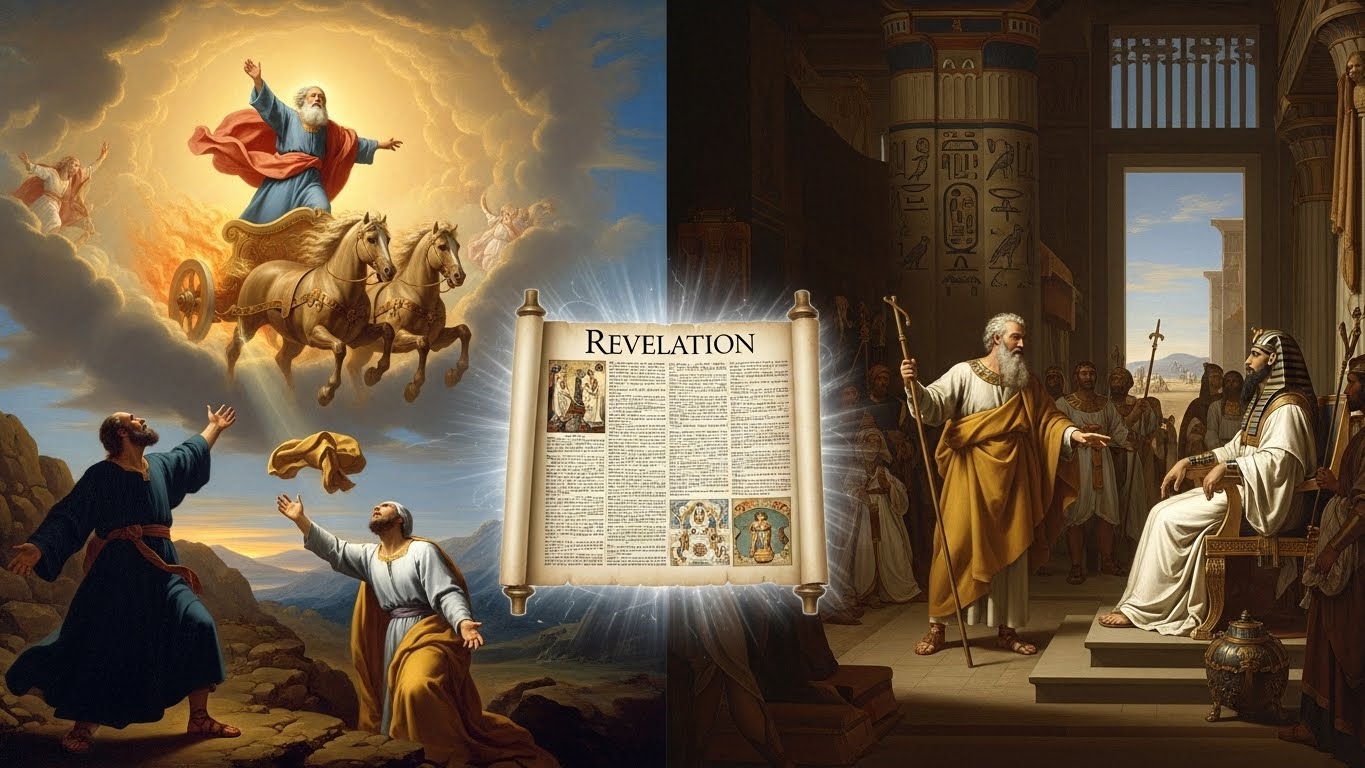
- Old Testament echoes: The signs recall Moses (Exodus 7–11, plagues) and Elijah (1 Kings 17–19, 2 Kings 1–2; especially Elijah’s control over rain and fire). See Exodus 7–11, 2 Kings 2:11, and 1 Kings 17.
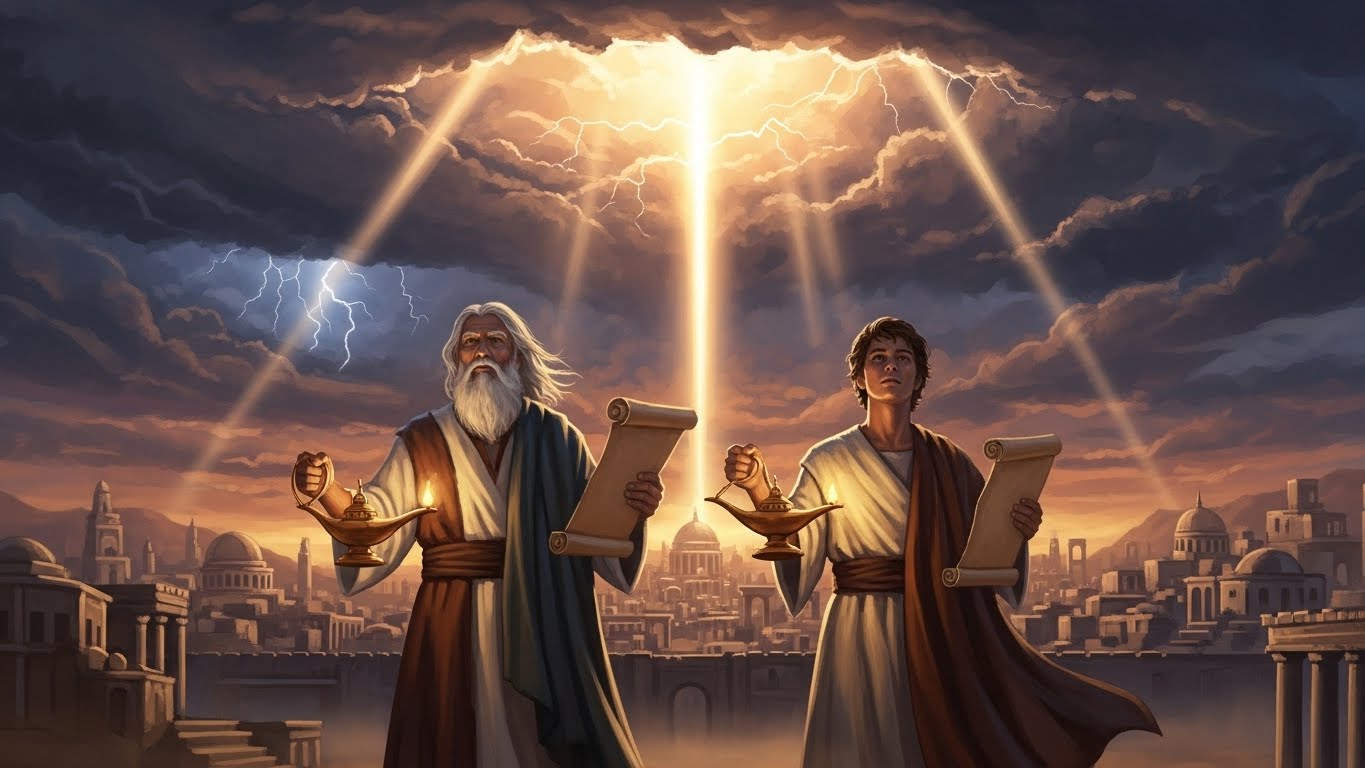
- Zechariah’s olive trees and lampstand: Revelation’s imagery links to Zechariah 4, where two olive trees supply oil to a lampstand — a picture of Spirit-fueled ministry that sustains God’s people (see Zechariah 4:11–14).
- New Testament continuity: Jesus promises the Spirit’s power for witness (Acts 1:8 — Acts 1:8) and warns that His followers will face persecution (John 15:20 — John 15:20). The pattern of death and resurrection that marks the witnesses echoes Christ’s own path and vindication (see Luke 24 and Acts 1).
Seeing these connections helps you avoid ad-hoc interpretations: the two witnesses belong to a biblical tradition of prophetic testimony, divine signs, sacrificial suffering, and resurrection vindication — all ultimately centered on Jesus.
MODERN CONNECTION — DAILY LIFE APPLICATION
How does Revelation 11:3–12 shape your everyday Christian life? First, it calls you to be a faithful witness. You may not perform visible miracles, but your life, words, and deeds testify to Christ. When you face opposition, remember the passage’s pastoral purpose: to strengthen faith, not to freak you out.
In situations of anxiety or persecution, these verses say: keep witnessing, pray confidently, and expect God’s faithfulness. Your testimony can take many forms — service, preaching, evangelism, justice, and sacrificial love. The models of Moses and Elijah teach you that prophetic faith includes both bold confrontation of injustice and humble dependence on God.
Also, this passage helps your decision-making: prioritize faithful obedience over safe popularity. When tempted to shrink from speaking truth for social or professional gain, the witness of Revelation invites you to risk faithful witness, trusting God’s vindication rather than immediate reward.

PRACTICAL APPLICATION
Here are practical steps you can take to live out the lessons of the Two Witnesses:
- Commit daily to Scripture reading and prayer so your witness is rooted in truth and Spirit-led prayer.
- Cultivate courage for plain, loving testimony — start with one honest conversation this week about what Christ means to you.
- Practice non-anxious presence in opposition: when criticized, respond with humility and clarity, resting in God’s vindication.
- Serve visibly in your community; practical love often opens ears to spiritual truth.
- Learn church history and biblical examples (Moses, Elijah) so you see patterns of faithful witness across time.
- Join a small group where you can rehearse witness, pray for protection, and encourage perseverance.
- Keep an eternal perspective: measure success by faithfulness, not applause.

 “Every God-given message deserves to be shared.”


Don’t let your calling stay hidden. Start a Christian blog or website using Hostinger — with 99.9% uptime, a free domain, and SSL, your voice can shine for God’s glory anytime, anywhere. Begin today.
  Try it RISK-FREE!
FAITH REFLECTION BOX
Take a moment: In what area of your life are you shrinking back from speaking truth or demonstrating Christ-like love because of fear? Consider one practical, faith-filled step you can take this week to be a faithful witness.
Key Takeaways:
- Stand faithful: your witness matters more than popularity.
- Trust God’s timing: God vindicates His servants even when the world seems to win.
- Center on Jesus: all prophetic testimony points to Christ — keep Him first.
👉 “God’s end-time witnesses remind us that standing righteous before Him does not come through works or martyrdom, but through faith in Christ alone.”
➡️ Learn more in What Does It Mean to Be Justified? (Romans 5:1, Galatians 2:16)
FREQUENTLY ASKED QUESTIONS (SCHEMA-READY)
Q1: Are the two witnesses literal people or symbolic? Answer: The text of Revelation uses rich symbolism, and the two witnesses can be read as both historical/individual figures in the vision and symbolic representatives of faithful witness across the church. The passage intentionally echoes Old Testament prophets (Moses and Elijah, Zechariah’s olive trees) to show continuity of God’s method of calling people back to Himself. Whether you read them as literal or symbolic, the pastoral point is the same: God sends faithful testimony, empowers it, and vindicates it. See Revelation 11:3–12 and Zechariah 4:11–14.
Related: Why God Allows Suffering – A Biblical Perspective
Q2: Why do they prophesy for 1,260 days? Answer: The figure 1,260 days (three-and-a-half years) appears elsewhere in Scripture and often symbolizes a time of testing, trial, or persecution (see Daniel and other Revelation passages). The length is symbolic more than a literal calendar-so-long; it signals that witness can be sustained through a prolonged season of difficulty by God’s power. The point for you is endurance under God’s enabling, not calendar predictions. See Daniel 7 and Revelation 12:6.
Q3: Do the two witnesses teach us about the end times and timing? Answer: Revelation uses symbolic visions to convey theological truth, not to give a timetable. The two witnesses show that God assures faithful testimony amid opposition and ultimately vindicates it. While the imagery has eschatological overtones, avoid date-setting or panic. Instead, apply its pastoral lessons: faithful witness, endurance, and worship. See Revelation 11:3–12 and John 15:18–21.
See also: How To Develop A Consistent Prayer Life? (1 Thessalonians 5:17, Philippians 4:6)
Conclusion & Prayer
Main truth summary: The two witnesses in Revelation 11:3–12 teach you that God appoints faithful testimony, equips it with authority, permits trials, and finally vindicates His servants — all to point people back to God and secure worship. This passage reassures you that suffering for truth does not mean defeat; in Christ, death is never the final word.
Prayer: Lord Jesus, you are the faithful witness and the risen King. Give me courage to speak your truth with love and humility. Help me to trust your timing when opposition comes, to draw strength from Scripture and the Spirit, and to seek your glory above personal safety. May my life reflect your sacrificial witness so that others might be drawn to you. In your name, Amen.
 RELATED BIBLE TEACHINGS
Why Salvation is a Gift You Cannot Earn
What Is The Fruit Of The Spirit? (Galatians 5:22-23)
What Is The Book Of Life? (Revelation 20:12, Philippians 4:3)
Can The Dead See Us? (Hebrews 12:1)
 As a ClickBank & Amazon Affiliate, I earn from qualifying purchases.
Acknowledgment: All Bible verses referenced in this article were accessed via Bible Gateway (or Bible Hub).
 Want to explore more?
  Dive into our new post on Why Jesus? and experience the life-changing truth of the Gospel!