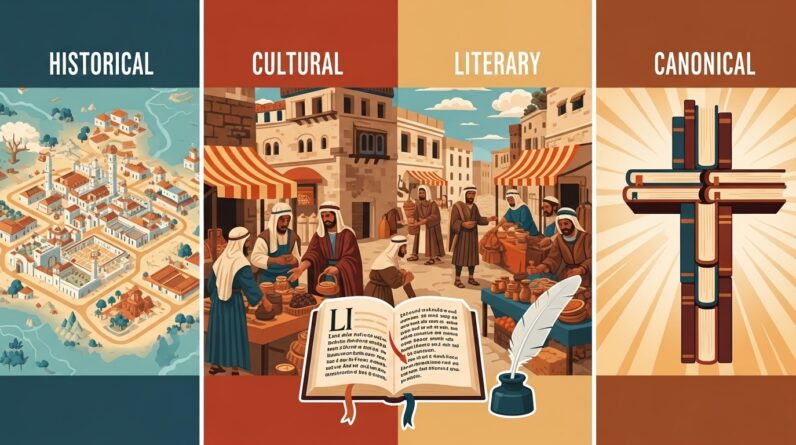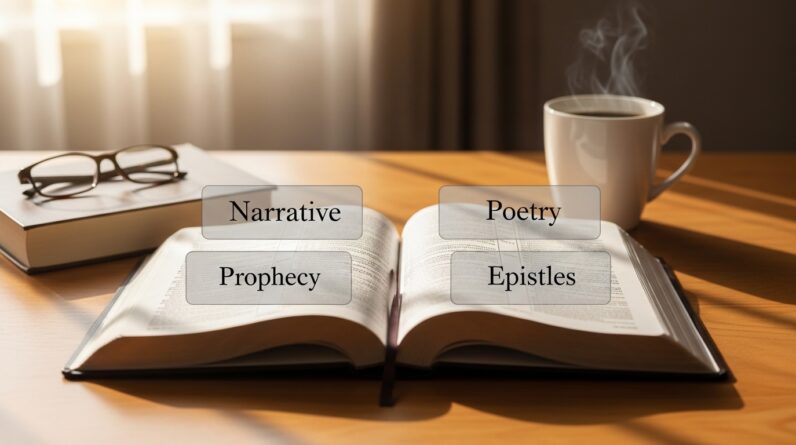



One of the most common questions people ask when they decide to read the Bible is simple and honest: “Where should I start reading the Bible?” If you’ve been staring at a Bible on the shelf, opening an app, or feeling nervous about where to begin—this plan is made for you. You’ll get a clear, practical, and compassionate roadmap that focuses on the heart of the Christian story: Jesus. You’ll also get daily habits that actually work, tips for handling confusing passages, and a path forward after the first month.
Why do people ask, “Where should I start reading the Bible?”
It’s normal to feel overwhelmed. The Bible is a library of books written across centuries, genres, and cultures. You might worry you’ll pick the “wrong” place, miss something important, or not understand ancient customs. But the best starting place doesn’t require perfect knowledge—it requires one decision: to start with Jesus. Reading about Jesus first helps you understand the rest of Scripture through the lens of his life, teaching, death, and resurrection.

Best Starting Point: The Gospel of John
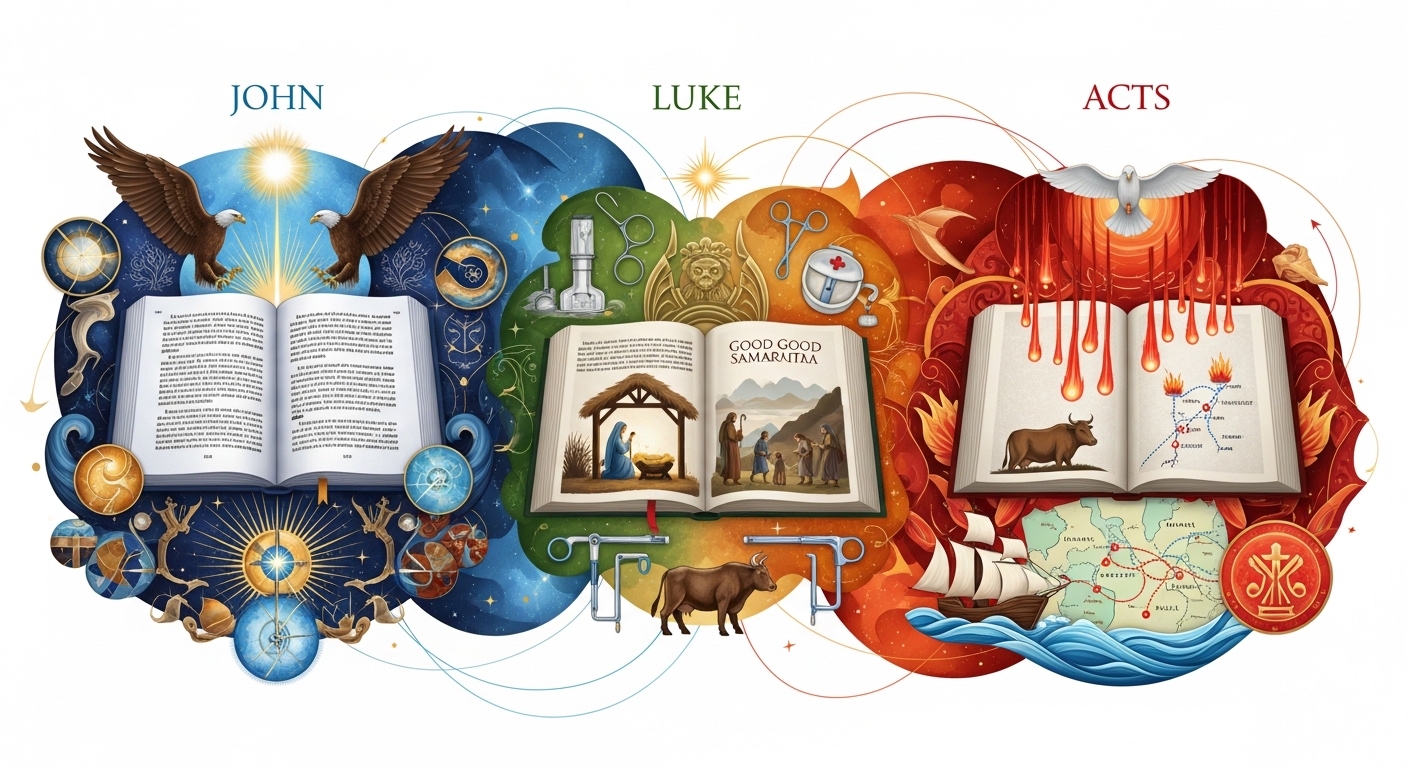
When people ask where to start, a simple answer is: start with the Gospel of John. John was written to point people to who Jesus is and why that matters for your life. If you want to hear the story of Jesus in a way that’s both devotional and theological, John gives you space to meet him, ask honest questions, and see the big themes that run through the whole Bible.
Why John before the other Gospels?
John focuses on identity and relationships. It begins with a profound theological statement—“In the beginning was the Word…”—that ties Jesus to God and creation. Reading John first helps you see Jesus as the center; his “I am” statements, personal encounters, and signs are designed to build belief and understanding. If you want a Gospel that reads like an invitation to know Jesus personally, start here.
- Read the opening: John 1:1 and the incarnation in John 1:14 to begin with the big theological heartbeat of the book.
- Consider John 3:16 as a summary of the Gospel’s message: God’s love and the gift of new life through Jesus.
Short, Simple Reading Plan That Actually Works
You don’t need a long, intimidating schedule. The goal is consistent, meaningful reading that forms a habit and understanding. Here’s a beginner-friendly plan you can follow for the first month.
Day 1–7: Read the Gospel of John (bite-sized)
Spend the first week on John. Break it into manageable daily readings—about 2–4 chapters a day—so you can read, reflect, and return the next day without feeling rushed. John’s chapters are rich but accessible; you’ll get the narrative of Jesus’ ministry alongside teaching that points to his identity.
- Begin with John 1 and finish John 21 over the week at a comfortable pace. Make sure you pause to reflect on key passages such as John 1:1, John 1:14, and John 20:31.
Day 8–14: Read the Gospel of Luke
After John, move to Luke. Luke gives you a clear, orderly account of Jesus’ life that emphasizes compassion, teaching, and Jesus’ interactions with everyday people. Luke’s narrative helps you see how Jesus fulfills prophecy and embodies God’s mission.
- Pay attention to passages like the birth announcement in Luke 2:11 and Jesus’ teachings that shape a life of mercy and humility.
Days 15–30: Read Acts (the story continues)
Once you’ve seen Jesus in the Gospels, start Acts. Acts is the sequel: it shows how the early church lived, shared the message of Jesus, and relied on the Holy Spirit. It will help you connect what Jesus said with how his followers put it into practice.
- Read through Acts with an eye for how the church prays, preaches, and cares for one another. Key passages include Acts 1:8 and Acts 2:42.
Why this plan actually works
This sequence—John, Luke, Acts—works because it places Jesus at the center. You’re not starting with law codes, genealogies, or prophetic visions that can feel distant or confusing. Instead, you learn who Jesus is, what he taught, and how those teachings were lived out by his followers. You’ll build a foundation before you dive into the rest of the Bible.
How focusing on Jesus sets you up for the rest of Scripture
Jesus is the key to interpreting other parts of Scripture. By starting with Him, you gain a lens for reading the Old Testament prophecies, the Psalms, and the letters in the New Testament. You’ll see how later texts reflect back to the person and work of Christ, which helps you avoid getting lost in details and keeps your reading spiritually centered.
How to read daily: A simple habit you can keep
Reading the Bible becomes life-changing when it’s consistent. You don’t need huge chunks every day—small, intentional time beats sporadic marathon sessions. Commit to a daily rhythm that fits your life. Aim for 10–20 minutes early on, then build from there.
Practical daily structure (10–20 minutes)
Start small. Use a predictable rhythm: read, reflect, and respond. This keeps your reading from being purely informational and turns it into a spiritual practice.
- Read: Choose 1–3 chapters and read slowly.
- Reflect: Ask, “What is God saying to me?”
- Respond: Pray, journal, or tell someone what stood out.
This simple rhythm helps you remember what you read and lets it shape your day.
Use the OIA method for deeper engagement
If you want a practical tool, try the OIA method: Observation, Interpretation, Application. Observation means noting facts and themes. Interpretation asks what the text meant in its original context. Application is personal—how does it change your life today? For a step-by-step guide, see the OIA method.
Choosing a translation that helps you understand
There are many English translations, and some are easier to read than others. Choose a translation that balances accuracy and readability. If you’re new, a translation like the New International Version (NIV) or the English Standard Version (ESV) can be helpful. If you prefer something more contemporary and conversational, the New Living Translation (NLT) or the Contemporary English Version (CEV) might work better.
Why the translation matters but isn’t everything
Translations aim to bring ancient texts into contemporary language. Choose a version you can read without getting stuck on words or sentence structure. As you grow, compare translations to get a fuller meaning, but don’t let translation debates keep you from reading.
What to do when a passage is confusing or difficult
You will hit hard passages—genealogies, laws, difficult prophecies, or verses that seem harsh. That’s normal. When you encounter something confusing:
- Pause and note the question.
- Use a study Bible note or commentary for historical context.
- Ask how the passage connects to Jesus and the broader message of Scripture.
Remember, Scripture is complex and sometimes requires guidance. Verses like Hebrews 4:12 remind you that God’s Word is living and sharp, and sometimes you’ll need help to understand and apply it.
The role of prayer and the Holy Spirit in reading
Reading the Bible isn’t just an academic exercise. It’s spiritual formation. Ask God to open your heart and mind as you read. The New Testament views the Holy Spirit as the one who helps you understand and apply Scripture. Begin your reading time with a short prayer asking for wisdom, humility, and clarity.
An example of a simple prayer before reading
“Lord, help me understand your Word. Open my eyes to see Jesus and apply what I learn today.” You can repeat this each time you sit down to read.
Applying what you read: It changes you when you do this
The goal of Bible reading is transformation. Scripture shapes how you think, act, and relate to God and others. After a reading session, ask: How should I think differently? What action does this call me to take? Who should I forgive, love, or reach out to today? Scripture itself encourages action: James 1:22 says you should be doers of the word.
Simple ways to apply Scripture daily
You don’t need a dramatic life overhaul every day. Small, faithful steps compound. Try memorizing a verse, practicing a short habit inspired by what you read, or sharing what you learned with a friend.
- Memorize a verse (start with something like Psalm 119:105 or John 3:16).
- Practice a single instruction (for example, showing kindness or patience).
- Reflect in a journal about how the reading shaped your day.
Using study tools without losing the heart of reading
Study Bibles, commentaries, podcasts, and sermon series can enhance your understanding. Use them to clarify background, culture, and language. But don’t let study replace personal encounter. The aim is to know God, not just information. If you want suggested resources, check internal guides like the Genre guide and longer content in our Pillar articles.
How to use notes and commentaries responsibly
Start with short, trusted notes—don’t drown in technical detail. If a passage is unclear, read a paragraph of commentary or a short article that explains the cultural context. Then return to the text and ask: How does this increase my love for God and neighbor?
Dealing with doubts and tough questions
Doubt is not the enemy of faith—it can be a doorway to deeper trust. If you struggle with historical questions, apparent contradictions, or theological puzzles, approach them with curiosity. Use reliable resources, talk with a pastor or mentor, and keep reading. Scripture doesn’t promise to answer every question immediately, but it promises to meet you and shape you.
Where to find help for big questions
Seek out reputable scholars, trusted pastors, or good books that tackle the issues you’re facing. A theological or apologetic resource can help when you need deeper historical or doctrinal answers. Meanwhile, keep reading the Gospels to maintain a steady focus on Jesus.
What to expect after the first month
After completing John, Luke, and Acts, you’ll have a solid foundation. You’ll know Jesus’ story, hear his teaching in two different Gospel styles, and see how the early church responded. From here, you can choose a second-month plan that dives into:
- The letters (Romans, 1–2 Corinthians, Galatians) for theology and church life.
- The Psalms and Proverbs for prayer and wisdom.
- The Old Testament narratives (Genesis, Exodus) provide the roots of the story.
A suggested next step (month two)
Try reading Romans and a Psalms rotation for the next month. The Romans give you theological clarity about sin, grace, and how to live, while the Psalms give you language for prayer and emotion. Verses like Romans 12:2 and Psalm 119:11 can guide spiritual growth and transformation.
Common beginner questions answered
You’re likely to have practical questions. Here are quick answers to questions many beginners ask.
How long should I read each day?
Start with 10–20 minutes. Consistency matters more than duration.
Do I have to understand everything?
No. It’s okay to not understand every verse. The goal is to meet Jesus and grow; meaning deepens over time.
Should I read the Old Testament first?
You can, but starting with the Gospels centers you on Jesus and makes the Old Testament’s prophecies and promises clearer.
Is memorizing necessary?
Not necessary, but helpful. Memorizing a few key verses anchors you during tough times.
Tips to keep reading when life gets busy
Life will interrupt your reading. Make the habit as simple as possible so you can return quickly. Anchor your reading to an existing routine—morning coffee, evening wind-down, or a lunch break.
Practical tips that help
- Use a physical Bible or an app with a reading plan.
- Keep a simple journal for one sentence of reflection after each reading.
- Find an accountability partner or a small group to discuss what you’re reading.
These small supports significantly increase follow-through and help you turn reading into a lifelong habit.
Examples of short reflections you can use
If you’re not sure how to reflect after reading, try a short template:
- One verse that stood out.
- One question you have.
- One thing you’ll do differently today.
This structure keeps reflection focused and actionable, and you’ll notice growth over weeks.
Why the Gospel-centered approach changes how you read everything else
When Jesus is your lens, Old Testament laws and prophetic imagery begin to make sense in light of his life and mission. The letters in the New Testament feel alive because they show how churches applied Jesus’ teachings. Starting with the Gospels makes the whole Bible feel like one story rather than a collection of disconnected parts.
A scriptural reminder for the center of the story
The New Testament shows that Jesus is the fulfillment of Scripture. For example, Luke 24:44 points out how everything written in the law, the prophets, and the psalms concerns Jesus. Let that reality guide your reading and interpretation.
Reading plans for different seasons of life
Your season of life affects how you read. If you’re overwhelmed, shorter readings and audible Bible can help. If you’re seasonally reflective (vacation, sabbatical), longer blocks of reading and study are possible. Adjust the rhythm, but don’t abandon the habit.
Ideas for busy seasons
- Use audio Bibles on commute or chores.
- Do one chapter and one short devotional each day.
- Pair readings with prayer walks or daily tasks.
These flexible rhythms keep Scripture central even in hectic times.
The role of the community in Bible reading
You’re not meant to read in isolation. Community amplifies understanding and encourages perseverance. Share discoveries with friends, join a study group, or attend a Bible study at a church. The book of Acts shows believers learning together, breaking bread, and supporting one another as they followed Jesus Acts 2:42.
How to join or start a reading group
Ask a few friends to read the same chapter and meet weekly for 20–30 minutes to discuss. Keep it simple: share what stood out and how you’ll apply it this week.
Choosing a study Bible and other resources
A study Bible gives helpful notes, maps, timelines, and brief explanations that can accelerate your understanding. Choose a study Bible suited to your theological background and reading goals. Combine it with reliable commentaries, podcasts, and short articles when you need more context.
Recommended types of resources
- A study Bible with notes and cross-references.
- A basic commentary or short book on the Gospels.
- Short devotionals that align with your reading plan.
Pair these tools with prayer and community for balanced growth.
How Scripture transforms life: a final encouragement
Reading the Bible isn’t just about finishing books; it’s about being formed by a story that changes hearts. As you read Jesus’ life and teachings, expect small but steady transformation—new priorities, increased compassion, and a deeper hunger for God. Verses like 2 Timothy 3:16-17 remind you that Scripture equips you for every good work.
Keep coming back
Don’t judge your progress by perfection. Return each day with humility, curiosity, and trust. The Bible is a long-term companion—its benefits unfold over months and years.
🔗 Start Reading the Bible—But Don’t Stop There
👉 Want to actually understand what you read? Start here:
How to Understand the Bible (Simple Guide for Beginners)
👉 Feeling confused as you read? This will give you clarity:
How to Study the Bible in Context (Beginner-Friendly Guide)
👉 Need a simple step-by-step method while you read? Don’t skip this:
Observe–Interpret–Apply Method (Easy Bible Study System)
Conclusion
Start simple. Start with Jesus. Follow a manageable plan like John → Luke → Acts. Use a short daily rhythm—read, reflect, respond—and rely on prayer and community. The Bible is meant to be read in a way that draws you toward Christ and forms your heart. You don’t need perfect answers, only persistent faithfulness.
🙏 Short Prayer
Lord, thank you for your Word and for sending Jesus to show us your heart. Open my eyes to see, soften my heart to receive, and give me the discipline to read and apply what I learn. Help me love you and my neighbor through what I read today. Amen.