


Introduction
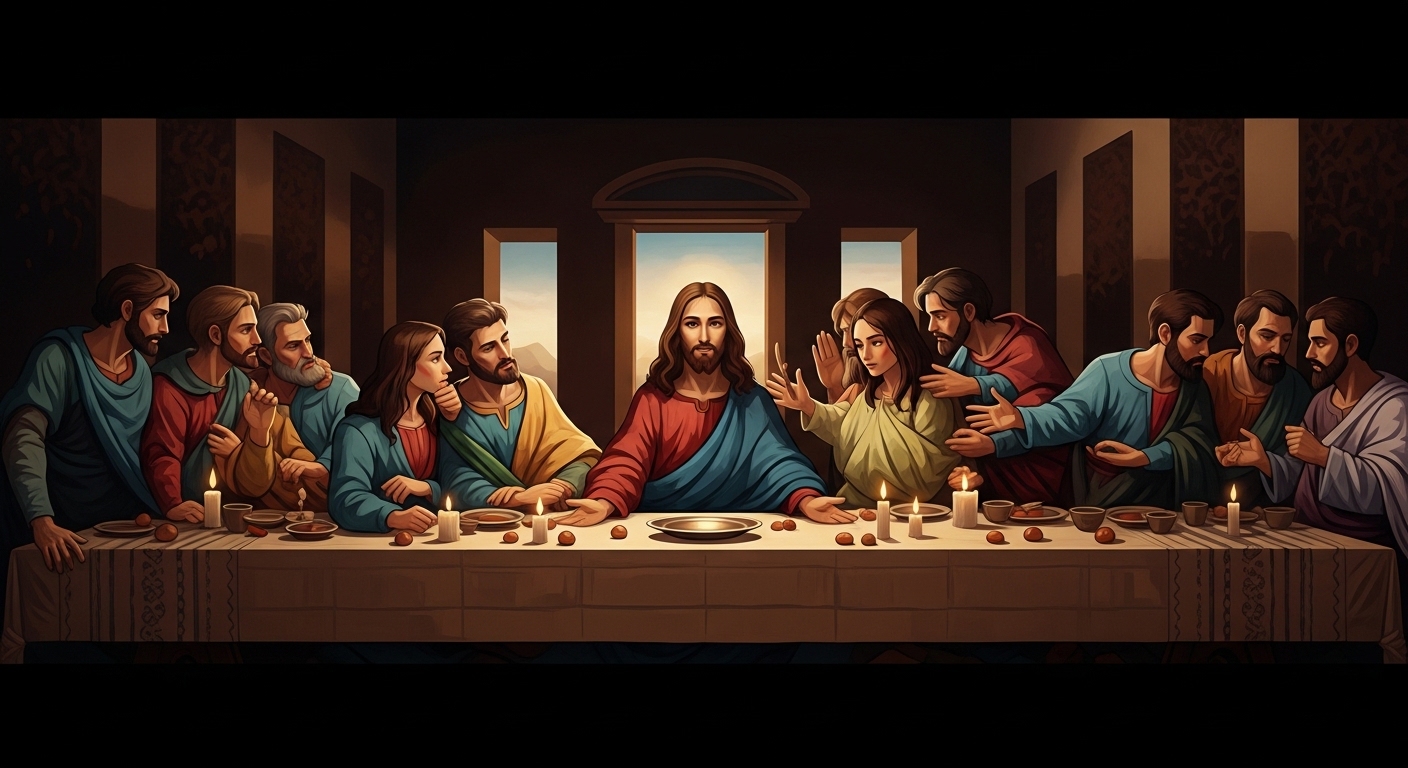
You’ve probably heard the phrase “the Last Supper” many times—on paintings, in sermons, and around Communion tables. But when you stop and really think about it, the Last Supper is more than a historical dinner; it’s a dense moment of scripture, symbolism, and a life-changing invitation. You might struggle with questions like: What exactly did Jesus mean when He broke the bread? How should that moment reshape your faith and daily life? This article promises to walk you through the biblical text, unpack the theology, and give you practical ways to let the Last Supper shape your relationship with God and others.
You’ll be guided through the key passages, the historical and liturgical context, the spiritual significance of the bread and cup, and how remembrance and sacrament tie into your faith walk. By the end, you’ll see the Last Supper not as a distant event but as a present reality that invites you into grace, community, and sacrificial love.

The Key Bible Passage
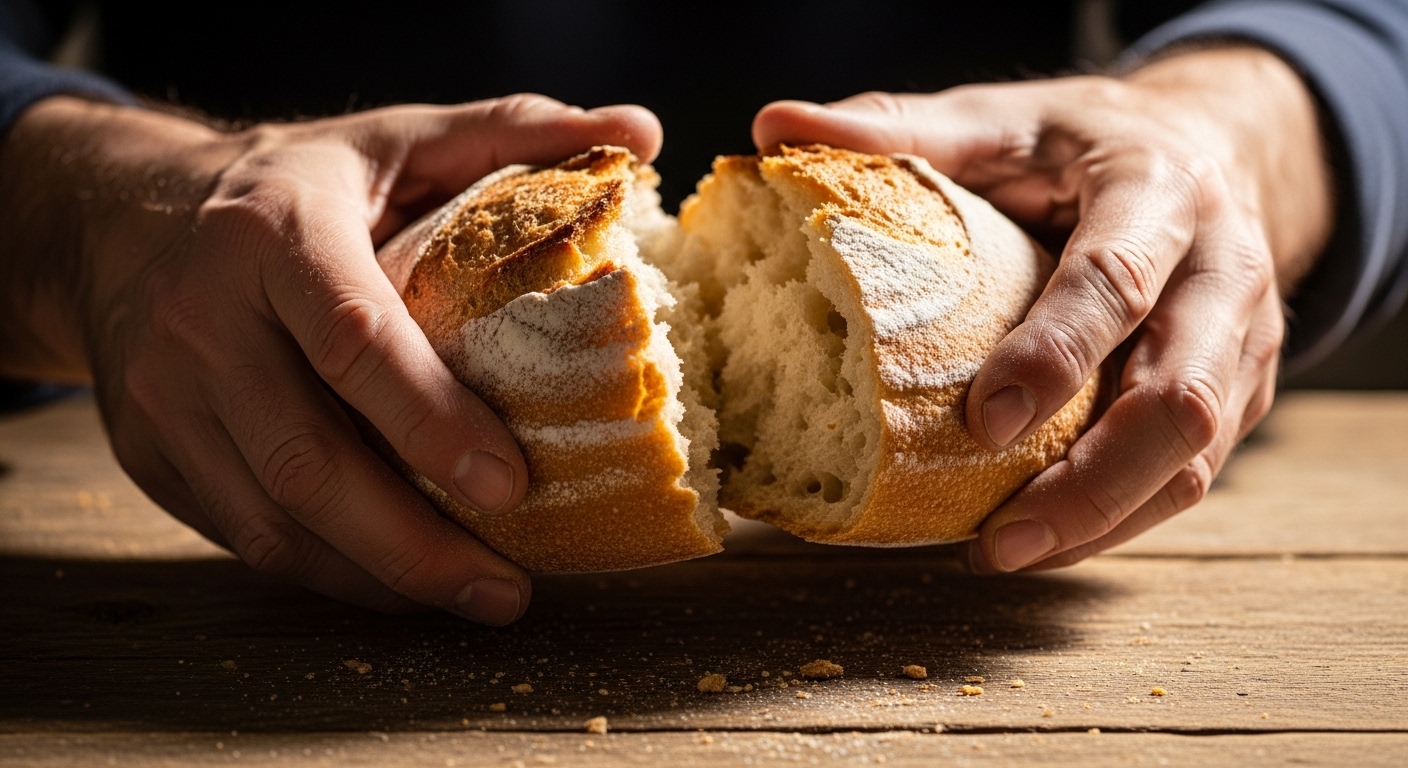
The clearest account of Jesus’ words at the meal is found in Luke 22:19–20, where He takes bread and the cup and says, “This is My body given for you… This cup is the new covenant in My blood…” Read it yourself: Luke 22:19–20.
Context matters. Jesus is celebrating the Passover meal—a ritual rooted in Israel’s deliverance from Egypt (see Exodus 12:1–14)—and He gives the bread and wine a new meaning, pointing forward to His own sacrifice. When you read these verses slowly, you’ll notice a shift from remembrance of past deliverance to anticipation of a new, deeper deliverance that He accomplishes.
1. A New Covenant Between God and Humanity
Meaning
When Jesus says the cup is “the new covenant in My blood” (see Luke 22:20), He deliberately echoes the language of God’s covenants throughout Scripture. A covenant in the Bible is more than an agreement; it’s a binding promise initiated by God to bless, restore, and be faithful to His people. The Last Supper announces a new phase in God’s relationship with humanity: one not grounded primarily in the law’s demands but in the person and work of Jesus.
This new covenant isn’t a removal of God’s holiness or moral intent; rather, it reframes how you enter into relationship with God—through grace and by faith. The bread and wine symbolize what Jesus gives: His body for you and His blood poured out for you. It’s an exchange—you receive mercy and forgiveness because He gives Himself.
Application
You don’t earn God’s favor through your performance; you receive it through faith in Christ. That changes how you approach daily life. Instead of striving to secure God’s approval, you can rest in it and respond in gratitude. Practically, this means:
- Letting grace shape your self-expectations and spiritual rhythms.
- Approaching Scripture and obedience from a place of relationship, not law-driven fear.
- Allowing the memory of Jesus’ gift to reshape how you relate to others—generous, patient, forgiving.
2. A Foreshadowing of the Cross
Context and Verse
Jesus was preparing His followers for events that would soon unfold on Golgotha. At the table He said, “This is My blood of the covenant, which is poured out for many for the forgiveness of sins” (Matthew 26:28). That language directly connects the meal to His impending death.
Meaning
The Last Supper points directly to the cross. The bread becomes a sign of His body given, and the cup becomes the sign of His blood shed. Jesus isn’t speaking metaphorically in a detached sense—He is announcing the reality that His life will be poured out as the cost of redemption. The image of pouring out is deliberate: it conveys generosity, completeness, and sacrificial action. The cross is the place where the new covenant is established, and the Last Supper is its foreshadowing.
Your salvation hinges on this sacrificial act. The forgiveness Jesus speaks of is not just a legal pardon; it’s a restoration that addresses the relational breach between you and God. His sacrifice frees you from condemnation, gives you a new identity, and establishes the basis for a transformed life.
Application
Take time to reflect on the cost of your salvation. Think about how the cross reverses things in your life:
- Gratitude: Let the reality of what was paid change how you live and worship.
- Repentance: Recognize the seriousness of sin and the depth of God’s response.
- Mission: The cross motivates you to love sacrificially and to share the gospel with urgency.
3. A Call to Remember
Scripture and Context
Jesus commands His followers, “Do this in remembrance of Me” (1 Corinthians 11:24–25). That instruction makes remembrance a formative practice for the community of believers.
Meaning
Communion (or the Lord’s Supper) is designed to be a repeated, communal memory of Jesus’ sacrifice and presence. Memory in the biblical sense doesn’t mean merely thinking about something once; it means to make that reality present, to let it shape your identity and actions. When you take the bread and cup as instructed, you are participating in a ritual that keeps the gospel alive in the worshiping community.
Remembering here is both retrospective and prospective: you look back to what Jesus did on the cross and forward to the final fulfillment of God’s kingdom. The meal binds the local church to the story of redemption and reminds you that you are part of a larger, global, and historical family.
Application
Make remembrance intentional in your spiritual life:
- Participate in Communion with reflection—think on what Jesus did and what it means for you.
- Incorporate short daily or weekly practices (breath prayers, gratitude lists, short Scripture readings) that keep the gospel central.
- Use the meal as motivation to live in holiness, love, and service—remembrance should lead to transformation.
4. A Picture of Love and Fellowship
Verse and Context
John tells us that “Having loved His own… He loved them to the end” (John 13:1). Even knowing the betrayal, pain, and death that awaited Him, Jesus stayed and shared the meal.
Meaning
The Last Supper is saturated with love. It’s not an abstract theological point; it’s embodied fellowship—Jesus sitting with friends, washing feet, speaking words of comfort, and offering a means for ongoing connection. The meal communicates that the gospel isn’t solo spirituality; it’s deeply communal.
Fellowship here means vulnerability, service, and mutual care. Jesus models servant leadership by washing His disciples’ feet (see John 13:4–17), showing that greatness in His kingdom is measured by humility and love.
Application
Value the spiritual community God has given you. Let the Last Supper inspire how you relate to others:
- Prioritize the regular rhythms of gathering, breaking bread, and praying with fellow believers.
- Practice humility and service in leadership and relationships.
- Use meals and shared spaces as times for discipleship, confession, and encouragement.

5. A Moment of Decision
Verse and Context
At the meal Jesus declares, “One of you will betray Me” (Matthew 26:21). Even within this sacred setting, choices are apparent—loyalty and betrayal, belief and denial.
Meaning
The Last Supper is also a moment that highlights human freedom and responsibility. You see the full spectrum of human response: devotion (John), doubt (Thomas), fear (Peter), and betrayal (Judas). That stark contrast reveals that even sacred encounters don’t eliminate the need for personal decision.
This meal forces you to face the question: what will you do with Jesus? It’s a present-tense invitation to align your life with His. The presence of betrayal doesn’t nullify God’s purpose; instead, it underlines the depth of God’s love—He chooses to love even while being betrayed.
Application
Let the Last Supper prompt honest self-examination. Ask:
- Am I truly committed to Christ, or is my faith more nominal?
- Where in my life am I tempted to betray my own convictions through compromise?
- What practical steps will you take to follow Jesus more faithfully?
Make decisions today that reflect a sustained, intentional commitment to Christ—small daily habits, community accountability, and clear spiritual priorities.
Historical and Cultural Background: Why Passover Matters
The Passover Framework
Jesus chose the Passover meal for a reason. Passover commemorated Israel’s liberation from slavery in Egypt, where a lamb’s blood marked houses so the angel of death would pass over them (Exodus 12:1–14). By positioning Himself as the fulfillment of that story, Jesus reinterpreted Israel’s central memory through the lens of the cross.
Theological Significance
Understanding Passover helps you see the Last Supper as continuity and fulfillment. God’s pattern of redemption is consistent: deliverance through sacrifice. The Passover lamb pointed forward to the Lamb of God whose blood takes away the sin of the world (see John 1:29). By drawing together past deliverance and future hope, the Last Supper anchors Christian worship in a story that spans generations.
Application
When you observe Communion or read the Last Supper, think about the continuity of God’s purposes. Let the story of Israel’s deliverance and Christ’s fulfillment deepen your worship and theological imagination. Recognize that your salvation is part of a grand narrative of rescue and restoration.
Communion Across Traditions: Differences and Unity
Varied Christian Practices
Christians have celebrated the Lord’s Supper in diverse ways across history—some emphasize the real presence of Christ in the elements (sacramental traditions), while others stress remembrance and symbolism (memorial traditions). The frequency of observance varies: daily, weekly, monthly, or occasionally.
Meaning in Diversity
These differences matter but shouldn’t overshadow the central truth: Christians gather to remember Christ’s sacrifice and to renew their covenant life. The diversity reflects different theological emphases, but at the heart is the same gospel memory. Your particular practice will be shaped by your tradition, but the biblical call to remember and live out the implications of Jesus’ death remains constant.
Application
Respect differences within the body of Christ while holding fast to core truths. If you worship in a tradition different from another person, seek to learn from them and to be humble about your own practices. The Last Supper calls for unity in essentials and charity in non-essentials.
Practical Ways to Live the Last Supper Today
Personal Remembrance
You can bring the Last Supper into your daily rhythm without turning it into a ritualistic checklist. Simple practices help:
- Take a moment each morning to remember Jesus’ gift and pray with gratitude.
- Use bread and a cup once a week at home with family to focus on the gospel story.
- Memorize key verses like Luke 22:19–20 to center your mind on the gospel.
These small acts help you internalize the gospel’s implications and keep you rooted in grace.
Communal Practices
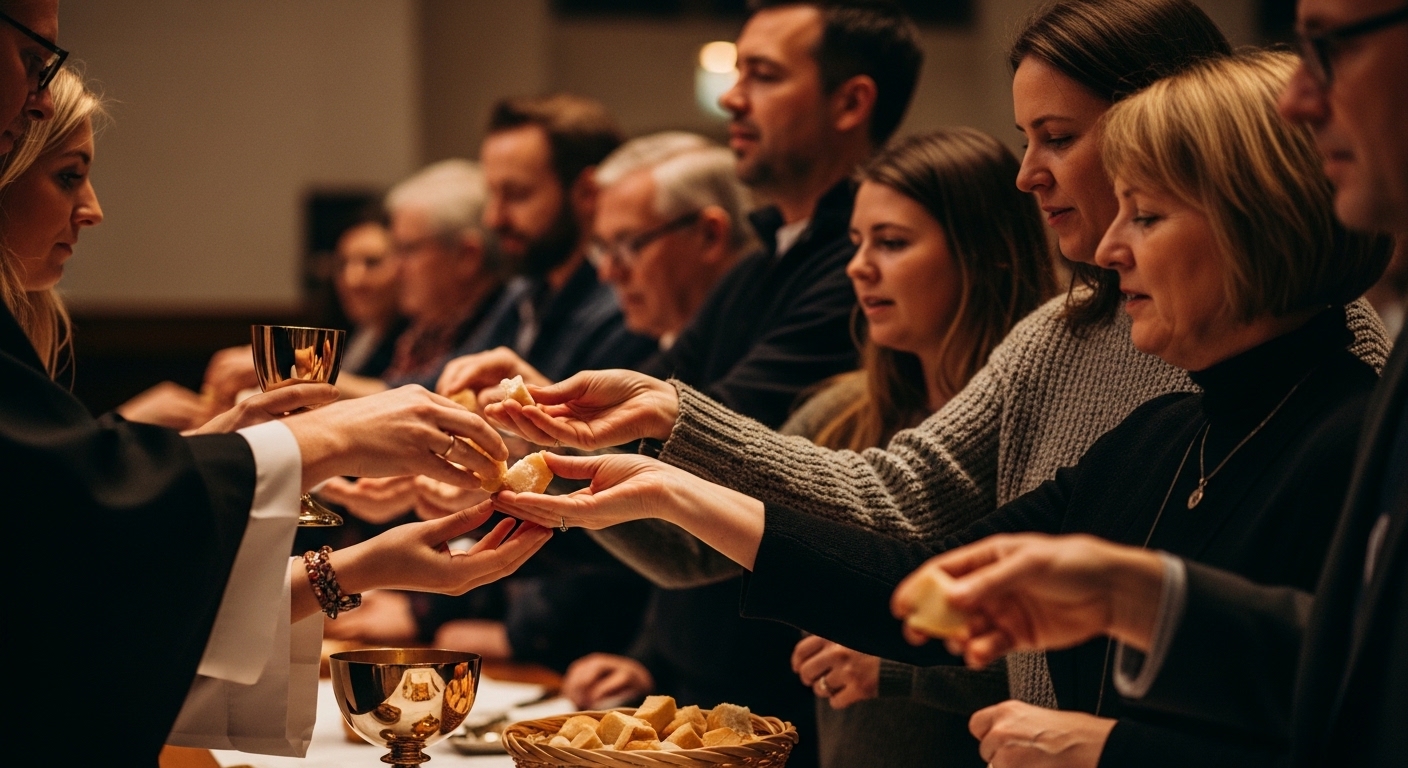
Your church’s celebration of Communion should be more than routine. Advocate for moments of silence, explanation of the sacrament, and teaching that helps people enter the meaning of the meal. Encourage:
- Clear words that connect the elements to Christ’s sacrifice.
- Time for confession and reconciliation before participating.
- Hospitality that welcomes all who profess faith in Christ to partake.
Missional Impulse
The Last Supper is not only inward-facing; it propels you outward. Remember that Jesus’ broken body and poured-out blood call you to be a people of sacrificial love in the world. Let this motivate you to serve the poor, reconcile broken relationships, and share your faith boldly.
Common Misunderstandings and Clarifications
Is the Last Supper Only a Symbol?
Some argue that the bread and cup are only symbolic. While symbolism is true—words and actions point to greater realities—Scripture also teaches that the meal conveys spiritual realities that deeply affect your life. Different traditions articulate this in different ways, but all agree that the meal is a means of grace that reminds, seals, and strengthens faith.
Did Jesus Invent a New Ritual That Replaced the Law?
No. Jesus fulfilled and reinterpreted the law. The Last Supper does not abolish God’s moral will but reframes how covenantal relationship with God operates—centered on grace in Christ. The old covenant’s moral teachings remain authoritative for holy living, but the ground of the relationship is now Christ’s redemptive act.
Must You Be “Perfect” to Take Communion?
No one is perfect. The meal is for those who confess Christ and seek to live under His lordship. However, Jesus’ call to holiness means you should receive the sacrament with sincerity and a spirit of repentance (see 1 Corinthians 11:27–29). The goal is not to exclude but to invite honest hearts to renewed faith.
Art, Culture, and the Last Supper
The Last Supper in Art
The Last Supper has inspired countless artists—Leonardo da Vinci’s painting is famous, but the meal has been depicted in countless cultures, reflecting local aesthetics and theological emphasis. These images help people encounter the story emotionally and intellectually.
Cultural Relevance
Because meals are universal, the Last Supper speaks powerfully across cultures. It communicates hospitality, vulnerability, and belonging in ways that words alone cannot. For you, thinking about Jesus breaking bread can shape how you host, listen, and love in everyday life.
Application
Use art, music, and storytelling to deepen your understanding. A painting, a hymn, or a sermon can provide fresh perspectives on what the meal means for your context.
Simple Reflection Questions
Ask yourself:
- Do I understand the meaning of Jesus’ sacrifice as more than a historical fact?
- Am I living with gratitude and remembrance?
- Is my faith active and genuine, or marked by passivity?
- How do my relationships reflect the sacrificial love modeled at the Last Supper?
Take time to journal or discuss these with a trusted friend or small group.
 Internal Resources to Explore
 Internal Resources to Explore
If you want to explore Palm Sunday, Holy Week, and related themes more deeply, these resources will help you place these verses within the full story of Jesus’ journey:
Main Hub
Related Articles
- Maundy Thursday (The Last Supper – Matthew 26:17–30)
- What Happened on Good Friday?
- The Theology of the Cross: Why It Matters
- Why Did Jesus Have to Die?
- Resurrection Practices: Living in Easter Hope
These resources will help you situate the Last Supper in the broader narrative of salvation and in practical devotion.
Conclusion
The Last Supper is more than history—it’s a message that continues to speak to you. It reminds you of Jesus’ sacrifice, God’s covenantal faithfulness, and the call to remember and follow Him. Whether in private reflection or in a gathered meal, let the Last Supper shape how you live: with gratitude, humility, sacrificial love, and a deep sense of belonging to God’s family.
Closing Prayer
Lord, Thank You for the sacrifice of Jesus and the meaning of the Last Supper. Help me remember Your love daily and live in gratitude for what You have done. Teach me to follow You with a faithful and sincere heart. In Jesus’ name, Amen.
Sponsored recommendation

Acknowledgment: All Bible verses referenced in this article were accessed via Bible Gateway (or Bible Hub).
“Want to explore more? Check out our latest post on Why Jesus? and discover the life-changing truth of the Gospel!”