


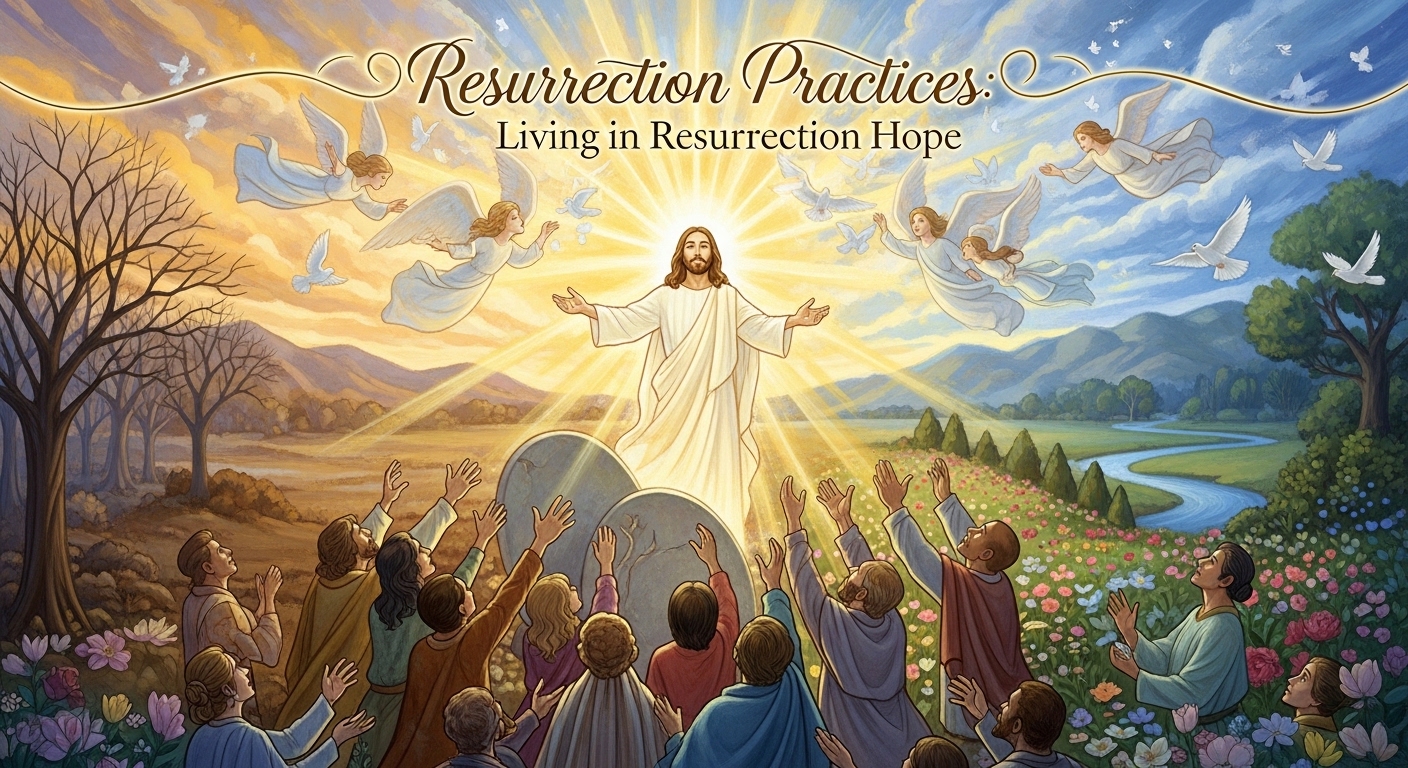
Easter is not just a one-day celebration—it’s a daily invitation to live in the power of Jesus’ resurrection. Because Jesus rose from the dead, everything changes: your past is forgiven, your present has purpose, and your future has hope. But how do you actually live into that hope every day? This guide helps you understand the meaning of the resurrection, discover practical ways to embody it, and apply Easter truth to your daily life so you can walk in resurrection power all year long.
Introduction: Hook, Struggle, Promise
You’ve felt it—the tug between what you know spiritually and how you actually live. You celebrate Easter, say the right words, maybe even sing the hymns, but Monday morning arrives and old fears, habits, and frustrations reassert themselves. The resurrection is supposed to usher you into new life, yet the “new” can feel distant when routines, regrets, and anxieties keep shaping your day.
Here’s the promise: the resurrection isn’t a past event you only remember once a year. It’s a present reality you participate in. The same power that raised Jesus from the dead invites you into a transformed life. This article will show you how to cultivate practices—spiritual, practical, and relational—that keep you living in Easter hope. You’ll leave with concrete rhythms for daily surrender, habits that reflect transformation, and ways to carry resurrection hope into your relationships and decisions.
The Key Bible Verse
At the heart of living in Easter hope is a simple, profound invitation: “Just as Christ was raised from the dead… we too may live a new life.” Read Paul’s promise and let it shape your expectation that resurrection life is participatory, not merely theoretical. See Romans 6:4 for the verse and immediate context.

1. Live a Transformed Life
Meaning: Your old life is gone; a new life has begun
The resurrection signals a radical break with mere survival Christianity. When Jesus rose, He inaugurated a way of living that displaces the old rhythms of fear, shame, and self-centeredness. That doesn’t mean your past vanishes like it never happened; it means the authority of your past over you is gone. You are offered a new identity: forgiven, accepted, and empowered to live differently. This is not just spiritual optimism; it is a theological claim that affects your choices, relationships, and daily priorities.
Application: Choose growth over old habits; walk in your new identity
Practically, living a transformed life looks like regular choices that reflect who you are in Christ. Small shifts matter: replace a habitual complaint with a prayer of gratitude, open a difficult conversation instead of avoiding it, choose honesty in financial or relational matters where you once compromised. You can design simple daily habits that reinforce new patterns—a brief morning reflection on one area God is transforming, a weekly confession and accountability check-in, and a commitment to learning (a book, a sermon series, a mentor) that nudges you forward. Transformation is incremental but intentional; your consistency matters more than dramatic moments.

2. Practice Daily Surrender
Verse and Context
Jesus invites you into a daily posture of surrender: “Whoever wants to be my disciple must deny themselves and take up their cross daily…” Read this invitation and its fuller context at Luke 9:23. Surrender is not a one-off decision but a rhythm you enter into each morning and moment.
Meaning: Surrender, obedience, trust
Resurrection life flows from relinquishing control—your plans, your pride, your agendas—to the One who defeated death. Surrender doesn’t mean passivity; it means oriented trust. You choose to align your desires with God’s purposes. This posture frees you to obey in love, to risk for the gospel, and to accept God’s timing even when it contradicts your timetable.
Application: Start your day with prayer and surrender
Make surrender practical by structuring the first five to fifteen minutes of your day as a surrender ritual. Before checking emails or social feeds, pray: name one thing you are tempted to control, ask God to take it, and invite Him to shape your steps. Use short phrases—“I surrender my plans for today”—and let them become breath prayers throughout the day when anxiety or control resurfaces. Pair this with simple spiritual disciplines: brief Scripture meditation, a written one-sentence commitment for the day, and a nightly reflection on where you surrendered well and where you didn’t. Over time, surrender becomes a muscle you can strengthen.
3. Walk in Hope, Not Fear
Verse and Context
Peter anchors your identity in a living hope: “He has given us new birth into a living hope through the resurrection…” Read the full passage at 1 Peter 1:3. This hope is dynamic and resilient; it changes how you face uncertainty.
Meaning: You don’t have to live in fear, uncertainty, or despair
The resurrection shifts the anchor of your life from circumstances to the person of Jesus and the future He secured. Hope becomes a practical orientation—informing how you pray, how you allocate your time, and how you engage community. Living hope doesn’t remove grief or hardship, but it transforms how you hold those realities: you grieve with purpose, you act with courage, and you endure with expectation.
Application: When life feels overwhelming, remember the resurrection and choose hope
When anxiety spikes—financial strain, illness, relational strain—pause and rehearse the resurrection. Pray Scripture aloud: name God’s promises and recount where He has been faithful. Make a list of “resurrection realities” you believe (forgiveness, new identity, divine presence) and post it where you’ll see it during crises. Practice “hope habits” like regular worship, community confession, and testimonies—sharing stories of God’s faithfulness with friends. These rhythms help rewire your emotional responses so you instinctively choose hope over fear.
4. Love and Serve Others
Verse and Context
Jesus’ resurrection life is designed to overflow in love: “Love one another. As I have loved you…” See the full command and context in John 13:34. The love you received motivates the love you give.
Meaning: Resurrection life is expressed outwardly
Your faith is made visible when love moves from internal conviction to external action. Resurrection living is not content with private piety; it compels you to sacrificial service, to listening ears, and to hands that heal. Loving like Jesus means you prioritize others’ flourishing even when it costs you comfort or convenience. It’s the tangible sign that the new life within you is real.
Application: Serve, show kindness, be intentional in love
Translate resurrection into service by identifying one visible way to love in your immediate context: neighborly acts, mentoring someone younger, volunteering at a local shelter, or simply being consistent in hospitality. Small, consistent acts—bringing a meal, calling someone in pain, intentionally listening without fixing—demonstrate resurrection power. Schedule a monthly day to serve in your community or church, and cultivate practices of generosity (time, resources, attention). When you serve regularly, you break the isolation that chokes hope and you become a conduit of Jesus’ love.

5. Share the Message of Hope
Verse and Context
After His resurrection, Jesus commissions you: “Go and make disciples of all nations…” The mission is both an invitation and a responsibility; read the Great Commission in Matthew 28:19. The resurrection is not private good news—it’s public hope.
Meaning: The resurrection is meant to be shared, lived out, and proclaimed
When you truly live in resurrection power, it compels you outward. Sharing the message is more than evangelism techniques; it’s about making your life a testimony of hope. Your actions, authenticity, and steady presence communicate the gospel as much as words do. People are often more convinced by a life that looks different—marked by forgiveness, perseverance, and radical love—than by arguments.
Application: Tell others about God’s love and the hope found in Jesus
Start simple: practice telling your story—how you encountered God, what transformation looks like, and what hope means in your life—in a two-minute conversational way. Cultivate relationships that allow you to be present rather than pushy. Use invitations, not pressure: invite friends to a meal, a church event, a volunteer project, or a conversation about real life. Train yourself to listen first; often, people open up when they sense you genuinely care. Consider equipping yourself with basic apologetic responses and a few trusted resources to share. As you live out this practice, your confidence to speak about resurrection hope will grow.
6. Live with an Eternal Perspective
Verse and Context
Paul urges you to fix your gaze upward: “Set your hearts on things above…” See the fuller direction and context in Colossians 3:1–2. Resurrection life reorients your priorities toward what lasts.
Meaning: This life is not all there is; eternity matters
When you internalize resurrection truth, the trivial anxieties that can dominate your days lose their grip. Decisions about money, relationships, vocation, and rest look different when eternity is in view. Living with an eternal perspective doesn’t mean escaping the present; it means engaging the present with a view toward what endures. You invest in things that have divine, lasting value: character formation, spiritual fruit, reconciliation, and ministry.
Application: Make decisions with eternity in mind
Practice evaluating choices through an “eternity filter.” Before major decisions—career moves, major purchases, relational commitments—ask: How does this shape my capacity to love God and others? What fruit will this produce that lasts beyond my lifetime? Maintain regular rhythms—Sabbath rest, sacrificial giving, discipleship investments—that keep your heart anchored in eternity. Setting boundaries with entertainment, work hours, and digital consumption helps ensure your life is aligned with long-term spiritual priorities.

Practical Rhythms to Practice Resurrection Daily
Cultivate daily, weekly, and seasonal rhythms that keep resurrection truth present in your life. These rhythms create scaffolding for spiritual growth and help prevent drift back into old patterns.
- Daily: Start with a 10–20 minute rhythm—Scripture reading (a short passage), prayer of surrender, a gratitude list, a simple confession, and a one-sentence intention for the day. These small practices center you in the reality of new life.
- Weekly: Observe a Sabbath rhythm (rest and worship), engage in community (a small group, service, or accountability meeting), and perform a tangible act of service.
- Seasonal: Use Lent and Easter intentionally as times to re-center on the cross and resurrection. Set aside retreats or focused study periods to recalibrate your motives and commitments.
Each rhythm supports the other; daily practices fuel weekly worship, and seasonal reflection renews long-term vision.
Overcoming Common Obstacles to Living Resurrectionally
You’ll face obstacles—familiar sins, discouragement, busyness, and doubt. These barriers are real, but they aren’t final. Recognize the common patterns so you can respond wisely.
- Busyness and distraction: The pressure to produce can crowd out spiritual formation. Counteract this by making non-negotiables—morning surrender, Sabbath boundaries—and by simplifying your commitments periodically.
- Shame and guilt: Resurrection means forgiveness, but you might keep replaying past failures. Use confession, accountability, and the declaration of gospel truths to break shame’s hold.
- Fear and risk-aversion: Living hope often requires risk—loving someone hard, forgiving, or stepping into ministry. Practice small acts of obedience to build courage and trust.
- Isolation: Hope thrives in community. Don’t try to live resurrection life alone. Invest in relationships where you can be honest, encouraged, and corrected.
Addressing obstacles requires both spiritual practices and practical adjustments. Identify one barrier you’re facing now and choose one concrete step to move forward this week.
Spiritual Practices That Embody Resurrection
Below are key practices you can weave into your life to embody resurrection truth. Spend time experimenting with what fits your season.
- Daily Scripture meditation: Read a verse slowly and ask how it reorients your story. Let the Word shape your imagination.
- Confession and forgiveness: Regularly bring sin and struggles into light—either privately in prayer or with a trusted person—and receive God’s grace.
- Eucharistic remembrance / Communion: If your tradition observes the Lord’s Supper, participate as a regular reminder of Christ’s death and resurrection.
- Worship and celebration: Sing, celebrate, and rehearse the story of Jesus with a community. Celebration is a spiritual discipline that reinforces hope.
- Testimony and storytelling: Share how God has worked in your life; telling your story helps make gospel truth credible and concrete.
Each practice helps you internalize resurrection into the fabric of daily living.
Living Resurrection in Relationships
Resurrection life reshapes how you relate to others. It invites you to embody forgiveness, patience, transparent love, and courageous truth-telling. When you forgive someone, you participate in resurrection by releasing the power of past wrongs to define either of you. When you reconcile, you mirror the reconciling work of Christ.
Choose to practice resurrection love in small ways: apologize when you’re wrong, listen without formulating a defense, offer your time to someone who’s lonely, and set boundaries that protect both parties’ flourishing. These actions cultivate communities where the living hope of Easter can be seen and felt.
Resilience, Suffering, and Resurrection
One of the hardest places to live resurrectionally is in suffering. The cross and the resurrection are inseparable; suffering doesn’t negate hope but can deepen it. When you experience pain, allow the resurrection narrative to frame your suffering: it is not the final word. Hope gives you the strength to endure with meaning, to trust that God is working even when outcomes aren’t yet clear.
Practically, cultivate habits that support resilience: community care, honest lament, spiritual direction, and professional help when needed. Lament is a resurrection practice; bringing your pain before God keeps you honest and open to God’s restorative work.
Measuring Growth Without Legalism
You want to measure spiritual growth, but metrics can become legalistic. Instead of counting only external behaviors, track inward changes—peace under pressure, increased generosity of heart, deeper dependence on God. Use both qualitative and quantitative markers: journal reflections, testimonies from friends, and a few simple metrics like weekly prayer time or acts of service.
Set realistic, grace-filled goals and celebrate small victories. Growth is often slow but steady; patience and persistence matter.
Simple Reflection: Questions to Guide You
Ask yourself these questions regularly to stay honest and intentional about living resurrectionally:
- Am I living like the resurrection is real?
- Do I walk in hope daily?
- Is my life reflecting transformation?
- Where have I surrendered control recently?
- Who in my life needs to see resurrection hope through my actions?
Use a journal or voice memo to answer these questions monthly. The practice of reflection keeps you attentive to where the Spirit is nudging you.
Practical Next Steps: A 30-Day Resurrection Challenge
If you want to move into resurrection habits intentionally, try this 30-day challenge focused on simple, sustainable practices:
- Week 1: Surrender—start each morning with a five-minute surrender prayer and a one-sentence daily intention.
- Week 2: Scripture and Hope—read a short resurrection passage each day and write one line of how it applies.
- Week 3: Service and Love—perform at least one intentional act of kindness or service each day.
- Week 4: Share and Reflect—tell one person your two-minute testimony and keep a daily journal of grace moments.
This structured approach helps make theological truth practical. Adjust the challenge to fit your life and commitments, but keep the core rhythm: surrender, Scripture, service, and sharing.
Conclusion: Don’t Just Celebrate Easter—Live It
The resurrection is not merely an event to commemorate. Because Jesus lives, you have hope, purpose, and new life today. Living resurrectionally changes daily choices, realigns relationships, and reshapes your decisions with eternity in view. You don’t have to wait for perfect circumstances to begin; the power that raised Jesus is at work in you now. Start small, be consistent, and invite the community to walk with you. Through daily surrender, intentional service, courageous sharing, and an eternal mindset, you can live every day in Easter hope.
Closing Prayer
Lord, thank You for the power of the resurrection and the hope it brings. Help me live a transformed life that reflects Your love and truth. Teach me to walk in faith, hope, and purpose every day. In Jesus’ name, Amen.
Bible Verses Referenced
- Romans 6:4 — Romans 6:4
- Luke 9:23 — Luke 9:23
- 1 Peter 1:3 — 1 Peter 1:3
- John 13:34 — John 13:34
- Matthew 28:19 — Matthew 28:19
- Colossians 3:1–2 — Colossians 3:1-2
 Internal Resources to Explore
 Internal Resources to Explore
If you want to explore Palm Sunday, Holy Week, and related themes more deeply, these resources will help you understand how this moment fits into the larger story of Jesus’ mission:
Main Hub
Related Articles
- What Happened on Good Friday?
- Why Jesus Had to Suffer and Die
- The Theology of the Cross: Why It Matters
- Meaning of the Last Supper Explained
Sponsored recommendation

Acknowledgment: All Bible verses referenced in this article were accessed via Bible Gateway (or Bible Hub).
“Want to explore more? Check out our latest post on Why Jesus? and discover the life-changing truth of the Gospel!”