



There are seasons when you feel stretched thin emotionally, spiritually, and mentally. Maybe you’re carrying disappointment, grief, or a long-running struggle that doesn’t seem to ease. In those moments you can start to wonder whether the fruit of the Spirit—those Christlike qualities Paul mentions—are still possible for you. You might even question your identity in God: “If I feel exhausted, impatient, or angry, does that mean I’m not a Christian? Has God abandoned me?” Those questions come from a place of honest pain, not failure.
Grace meets you here. Your momentary emotions or behaviors don’t erase who you are in Christ. Throughout Scripture, God invites people back to Himself, restores identity, and grows character even through hardship. This article will help you see what the Fruits of the Spirit look like when life is hard, how your identity in God frames those seasons, and practical, gentle ways to grow in character without shame.

Why Identity Struggles and Spiritual Distance Happen
You don’t have to be in a dramatic moral failure to feel spiritually distant. Identity struggles often begin quietly: a series of small hurts, unmet expectations, or repeated disappointments that slowly erode your spiritual confidence. When you experience shame, guilt, or persistent feelings of inadequacy, you may begin to hide from God or avoid spiritual practices because they feel too fragile or too exposing.
Comparison also feeds distance. When you look at others who seem to handle hardship with more grace, you can start to define yourself by what you lack rather than by who you are in Christ. That leads to cycles of discouragement—trying harder, failing, and then feeling even more distant. In these moments, your worth is at risk of being measured by performance rather than by the identity Jesus already purchased for you. Grace reframes that story: your value is rooted in Christ, not your temporary emotional state or behavior.
What the Bible Says About Grace and Restoration
Scripture is filled with stories and promises that emphasize God’s restorative heart. You are not outside of God’s reach no matter how far you feel. The promise of forgiveness is clear: 1 John 1:9 assures you that if you confess, God is faithful to forgive and to cleanse. God’s love is not transactional; it is rooted in His unchanging character: Jeremiah 31:3 reminds you that God loves you with an everlasting love.
Stories of restoration—like the prodigal son or Peter’s comeback—show God’s willingness to restore identity even after failure. Jesus invites the weary to come to Him for rest (Matthew 11:28-30), and Paul reminds you that your identity is “in Christ” (see Romans 8:1). These aren’t just platitudes; they’re invitations to receive grace and to let God remake your heart over time.
God’s desire is not simply to forgive you but to restore you. If you’re learning how to return after seasons of discouragement or failure, Does God Still Love Me After I Keep Failing? explores how God’s grace restores both your confidence and your identity in Christ.

Signs You Are Experiencing Identity or Distance Struggles
When your identity in God is blurred, you’ll notice subtle patterns: shame that refuses to lift, avoidance of prayer because it feels vulnerable, or spiritual withdrawal where you avoid community or Scripture because it feels too heavy. You may feel emotional heaviness—persistent sadness, irritability, or numbness—that colors how you see God and yourself.
You might also notice a shrinking of spiritual practices: prayer becomes irregular, worship feels empty, or you stop opening the Bible because each page seems to highlight your shortcomings. These are not proof that you’ve been abandoned; they’re signs that you need a gentle restoration of identity and a grace-centered reconnection with God.
The Foundation: The Fruits of the Spirit and Your Identity
Paul names the Fruits of the Spirit as the natural character that grows in people who are connected to the Spirit: love, joy, peace, patience, kindness, goodness, faithfulness, gentleness, and self-control (Galatians 5:22-23). When life is easy, these traits may be more visible. In hard seasons, these qualities don’t disappear—they often change form, become quieter, or show up as endurance rather than immediate emotional responses.
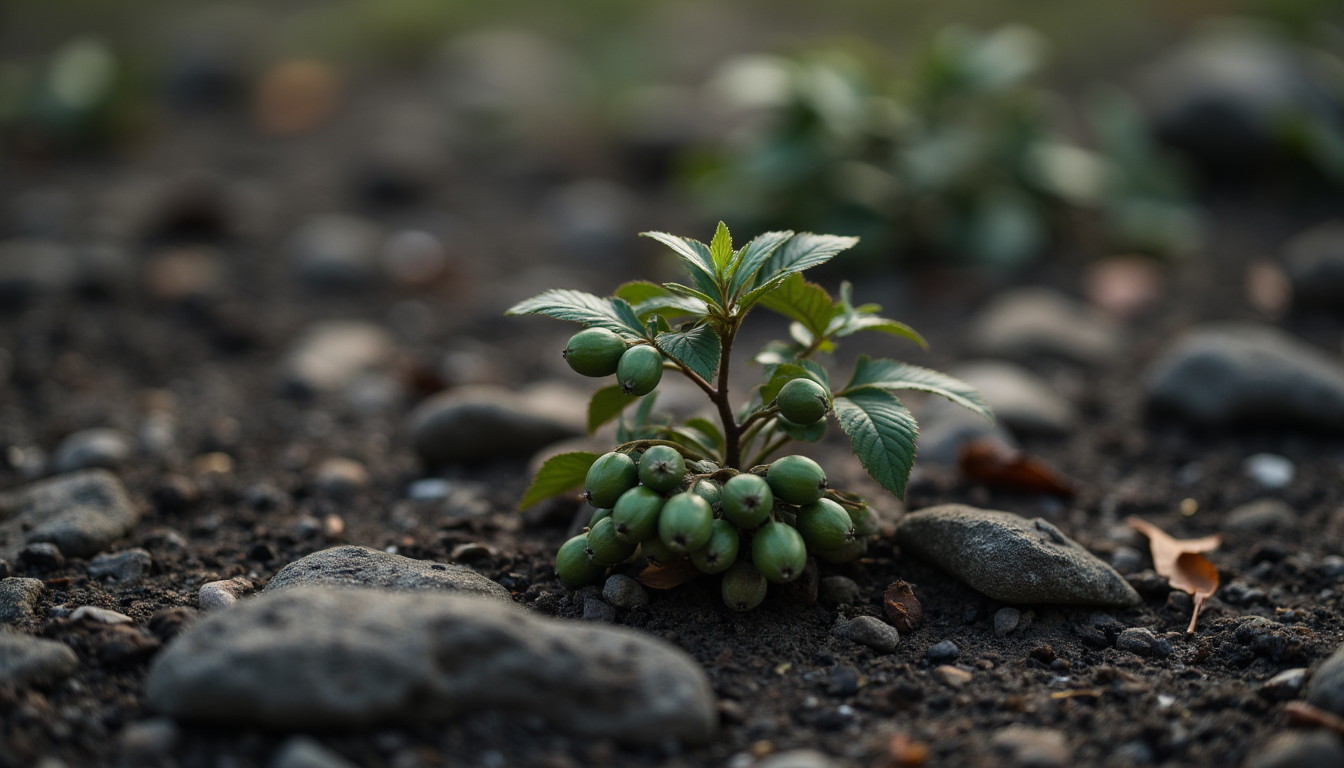
Your identity in God is the soil in which these fruits grow. If you believe you are loved, accepted, and forgiven, you’ll be more likely to respond from that identity instead of from fear. Growth during hardship is less about achieving a polished exterior and more about being formed into Christlike character through trials, with grace guiding each step.
What the Fruits of the Spirit Look Like During Difficult Seasons
The following section walks through each of the Fruits of the Spirit and gives you concrete, identity-centered ways they can show up when you’re under pressure. These descriptions are not checklists of perfection but invitations to notice God’s work in you, even when it looks different from the easy seasons.
Love: Choosing to Stay
In a difficult season, love often looks less like grand gestures and more like the quiet decision to remain present—to listen rather than withdraw, to forgive again even when it’s hard, and to care for others when you feel depleted. You won’t always feel affectionate; sometimes love is a steady, sacrificial commitment that trusts God’s purposes. Scripture calls you to love even through suffering because love reflects the heart of God (1 John 4:7-8). When you act out of identity—“I am loved by God”—you can choose love even when feelings lag.
Joy: Hope That Holds On
Joy in hard times is often a quiet, persistent hope rather than constant happiness. It looks like choosing gratitude for small mercies, remembering God’s promises, and finding moments of light amid the darkness. Jesus said that no one can take your joy away if it is rooted in Him (John 16:22). When you anchor your joy to identity—“I belong to Christ, who brings eternal hope”—even a small spark of joy can sustain you through long nights.
Peace: Resting Under God’s Sovereignty
Peace during a crisis is less about the removal of stress and more about a settled confidence that God is present. It looks like slower breathing, fewer frantic decisions, and a willingness to release what you cannot control to God’s hands. Paul’s promise of God’s peace guarding your heart and mind (Philippians 4:7) is especially relevant: peace becomes an inner posture that coexists with difficulty because it rests on your identity as God’s child.
Peace often grows slowly during difficult seasons rather than arriving all at once. How to Keep Faith During Difficult Seasons offers practical biblical encouragement for continuing to trust God while His peace matures within you.
Patience: Enduring Without Losing Hope
Patience in a hard season is endurance with expectation. It looks like tolerating delay, slow healing, or long conversations without lashing out. Patience asks you to trust that God is working even when results are slow. The Bible encourages you to be patient in suffering, to be constant in prayer, and to let patience shape your response (Romans 12:12). When you see yourself as someone God is faithful to, patience grows because you expect His timing, not yours.
Kindness: Small Mercies That Show God’s Heart
When energy is low, kindness often becomes small acts done without fanfare—listening, offering a hot drink, or sending an encouraging text. These micro-mercies matter because they reveal God’s compassion through you. Scripture calls you to be kind and compassionate to one another (Ephesians 4:32). Your identity in Christ reminds you that kindness is a natural overflow of being loved, not a behavior you must manufacture.
Goodness: Choosing Right Even When You’re Hurt
Goodness in hardship can look like a commitment to integrity, generosity, and moral courage even when you feel justified to retaliate or retreat. It’s choosing what honors God over what simply relieves your resentment. The presence of goodness in your life is less about being perfect and more about consistently choosing what is wholesome and God-glorifying. When your identity is grounded in Christ’s goodness toward you, you can extend goodness to others despite your pain.
Faithfulness: Steady in Word and Action
Faithfulness during trials means continuing to show up—prayer, community, humble service—even if your heart feels dry. Faithfulness is the stubborn trust that God is present and that your commitments matter. Hebrews exhorts believers to hold fast to their confession and to encourage one another (Hebrews 10:23-25). Your identity in God helps you persevere; you are not defined by a single season but by a lifelong relationship with Christ.
Gentleness: Strength Tempered by Tenderness
Gentleness in hard times often looks like firmness with compassion. You can be honest about boundaries and needs without being harsh. Gentleness turns conflict into conversation and defensiveness into curiosity. Paul’s instruction to let your gentleness be evident to all (Philippians 4:5) reminds you that gentleness is a posture of humility that trusts God with outcomes. Your identity in Christ supports gentleness because you don’t have to prove your worth.
Self-Control: Wisdom When You’re Tempted
Self-control in pressure-filled seasons may be the most visibly strained fruit. It looks like small, deliberate choices: choosing rest instead of numbing, speaking truth instead of lashing out, and keeping commitments even when you want to give up. The Spirit gives you strength for self-control; it’s not only about willpower (2 Timothy 1:7). When you remember your identity—redeemed and empowered by the Spirit—you gain access to resources beyond your own.
The fruit of self-control is one of the many ways the Holy Spirit transforms everyday life. The Work of the Holy Spirit in Our Daily Lives explains how He strengthens believers to live with wisdom, endurance, and spiritual maturity.
How Growth Under Pressure Differs From “Fixing” Yourself
When you’re in a hard season, there’s a temptation to treat spiritual growth like a checklist: pray more, read more, do more. But identity-centered growth looks different. It doesn’t start with behavior modification alone; it begins with receiving grace. You grow because you rest in who you are in Christ and then cooperate with the Spirit’s work. That avoids performance-based spirituality and the exhausting cycle of trying to earn God’s acceptance.
Growth under pressure is often slower and more subterranean. It may not produce showy results immediately, but it cultivates deeper roots. Trials refine character; they expose areas where your identity needs strengthening and invite you to rely more on God’s transformative power rather than your own efforts.
Practical Ways to Reconnect With God During Hard Seasons
Reconnection is rarely dramatic. It’s made up of small, repeatable practices that return you to your identity in God.
- Start with a simple return prayer: “Lord, I don’t feel close right now. Help me to trust You.” This honest prayer models humility and invites God’s presence. If prayer feels difficult because you’re emotionally drained or spiritually discouraged, How to Pray When You Feel Spiritually Empty provides simple, grace-filled ways to reconnect with God without feeling pressured to have the perfect words.
- Read short, steady passages of Scripture that speak to identity and grace, such as Psalm 23 or Romans 8. Let a single verse sink in for several days.
- Rebuild trust slowly: choose one spiritual habit you can keep—five minutes of prayer, a short devotional, or a walk where you talk to God.
- Practice grace-centered reflection: when you notice failure, ask “What does God’s grace say about this?” instead of rehearsing guilt.
- Rely on community: tell a trusted friend or small group something honest about your struggle; letting someone pray with you is powerful.
- Take practical care of your body—sleep, hydration, sunlight—because physical health supports spiritual resilience.
These small practices cultivate the soil of your identity, allowing the Spirit to produce fruit even when you’re tired or overwhelmed.
What You Should Not Believe About Yourself
When hardship clouds your vision, false thoughts try to settle in. Here are some lies to reject and the truth to embrace instead.
- Lie: “I’ve gone too far for God to love me.” Truth: God’s grace covers the deepest regrets (1 John 1:9). Restoration is possible.
- Lie: “God is done with me.” Truth: God pursues you persistently (see Luke 15:11-32 on the prodigal son). Your distance doesn’t cancel His care.
- Lie: “I am my shame.” Truth: Your identity is not your worst moment; it’s being known and loved by God (see Psalm 139:13-14).
- Lie: “This failure defines my future.” Truth: God uses failures to shape perseverance and compassion—forging character that lasts beyond the season (Romans 5:3-5).
Reject these lies gently. Replace them with Scripture-driven truths that re-anchor your identity.
Signs the Fruits Are Growing, Even If You Don’t Feel Different
It’s common to miss subtle growth because you’re looking for dramatic change. Look for these small indicators that the Spirit is at work:
- You pause before reacting and find a quieter response than you might have previously.
- You notice a willingness to forgive small offenses instead of holding grudges.
- You find moments of gratitude in otherwise hard days.
- You keep showing up to community or spiritual practices, even inconsistently.
- You feel a small but steady shift from self-protection toward care for others.
These are not proof that you’re “fixed,” but they are evidence of root work. Celebrate them as signs of identity being reshaped by grace. Spiritual growth is often quieter than we expect. If you’re wondering whether God is still at work even when progress feels slow, What the Bible Says About Feeling Spiritually Lost offers biblical reassurance for seasons when your faith feels uncertain but God remains faithful.
Encouragement for Restoration and Identity Healing
Restoration is not a single event but a journey. God’s heart is to restore your identity, not to shame you for how far you wandered. The Bible is full of people who were deeply loved and restored after failure. Paul, who wrote about the Fruits of the Spirit, also wrote about the transforming power of God’s mercy (1 Timothy 1:15-16). You are included in that mercy.
Take each day as an opportunity to receive grace and to offer yourself the same kindness God has offered you. Growth often looks like vulnerability, steady obedience in small things, and resting in the truth that your identity is secure in Christ. Hope is not a blind optimism; it’s the confident expectation that God, who began a good work in you, will carry it on to completion (Philippians 1:6).
Short Prayer
Lord, I come to You honestly—tired, unsure, and longing for Your presence. Remind me who I am in You. Help me receive Your grace and let it reshape my heart. Grow Your fruit in me in ways that reflect Your love, even when I feel weak. Help me to rest in Your identity and to trust Your steady work. Amen.
Quick Practical Checklist to Keep Returning
- Say a short return prayer when you wake or when overwhelm hits.
- Keep one short Bible verse on your phone to memorize for the week.
- Tell one trusted person how you’re really doing.
- Do one small act of kindness each day (it can be for yourself).
- Rest physically—prioritize sleep and simple nourishing meals.
These steps are not exhaustive, but they can help you re-anchor your identity in everyday life and invite the Spirit’s fruit to grow quietly.
Related Spiritual Encouragement
If you are struggling with distance, failure, or spiritual discouragement, these related articles can help restore your faith and identity in God:
The 9 Fruits Of The Spirit Explained — Explore each Fruit of the Spirit in depth and discover how the Holy Spirit develops Christlike character in every season of life.
The Work of the Holy Spirit in Our Daily Lives — Learn how the Holy Spirit comforts, guides, strengthens, and transforms believers as they grow in spiritual maturity.
How to Keep Faith During Difficult Seasons — Discover practical biblical encouragement for remaining faithful while God develops perseverance, hope, and spiritual endurance.
How to Pray When You Feel Spiritually Empty — Find simple prayer practices that help you stay connected with God when emotional exhaustion or discouragement makes prayer difficult.
Does God Still Love Me After I Keep Failing? — Be reminded that God’s grace is greater than your failures and learn how to return confidently to Him after seasons of struggle.
Each article helps you return to God with confidence and peace in His grace.
Final Encouragement
You don’t have to manufacture perfect fruit to be loved by God. The Fruits of the Spirit are signs of the Spirit’s work in you, not trophies you must win. In difficult seasons, those fruits might be subtle, patient, or expressed in small deeds rather than bold actions. Remember: identity in Christ is your starting point and your destination. Keep returning to that identity through prayer, Scripture, community, and simple acts of grace. God is patient, He sees you, and He’s working in you.