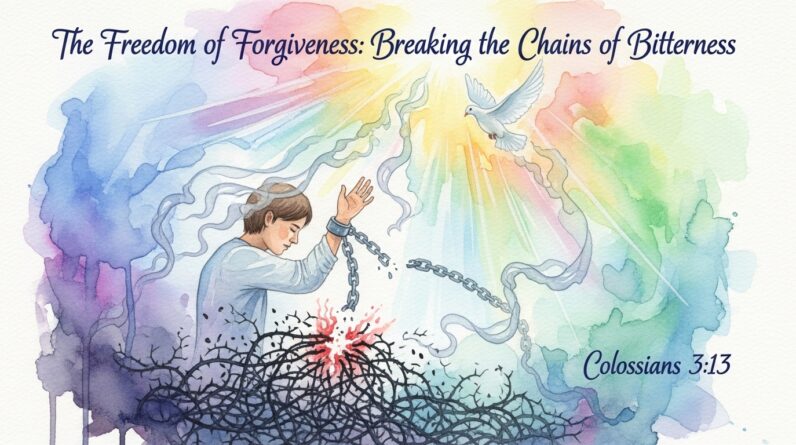



There are moments when you may feel distant from God, discouraged by your mistakes, or unsure if you can truly come back to Him. Those moments can press on your heart in a way that makes your faith feel fragile and your identity confusing. You might ask yourself, “Have I gone too far?” or “Is God even listening anymore?” These are honest, human questions that deserve tender answers rooted in grace.
Your failures can feel loud, but they do not define you. Throughout Scripture, God repeatedly welcomed, restored, and strengthened people who came back to Him. This article is here to help you rediscover your identity in God’s grace, understand what the Bible says about restoration, and take practical, gentle steps to reconnect spiritually. You belong to a story of mercy, not one of final condemnation.

Why Identity Struggles and Spiritual Distance Happen
Feeling distanced from God often begins inside your own heart. Guilt after repeated failures can create a heavy layer between you and your sense of spiritual belonging. When you constantly replay mistakes in your mind, you can start to believe those mistakes are your identity rather than temporary actions. That belief makes it harder to sense God’s nearness and to recognize the truth of who you are in Christ.
Emotional distance also grows when you fall into cycles of comparison. You look at others’ spiritual lives, their apparent consistency, and you measure your worth by what you see. Comparison steals joy and identity because it shifts your focus from God’s defining narrative for you to someone else’s highlight reel. Discouragement can follow quickly, and with it comes withdrawal from spiritual practices that once sustained you—prayer feels dry, Scripture feels flat, and church can feel like a place you don’t belong.
Spiritual distance often develops gradually through discouragement, guilt, and unaddressed shame. If you’ve been wondering why God suddenly feels far away, Why Do I Feel Far From God? explains common reasons believers experience spiritual distance and how to begin reconnecting with Him.
Failure cycles often feed on avoidance. You might avoid prayer or fellowship to escape the discomfort of admitting you’re hurting. That avoidance creates space for shame to grow louder, telling you untrue things: that God is disappointed beyond repair, or that you must fix yourself before you can approach Him. In reality, shame seeks to keep you isolated; grace calls you back into honest relationship. Understanding why the distance exists is the first step to naming it and then choosing to return.
What the Bible Says About Grace and Restoration
The Bible is full of stories and promises that reshape how you should think about failure and God’s love. It repeatedly shows that God’s love is not transactional: it’s not based on your performance. Consider that God showed His love by sending Christ to you, even when you were far from perfect. John 3:16 reminds you of the vastness of that love: John 3:16.
Jesus’ life demonstrates that grace meets people in their mess. Romans 5:8 tells you that God showed His love while you were still imperfect: Romans 5:8. If you’re holding onto the belief that God’s love depends on your latest success, Scripture contradicts that—God’s love reached toward you before you ever moved toward Him.
Restoration is a recurring theme. When people returned to God, He restored them instead of rejecting them. The father in the story of the prodigal son is a vivid portrait of this welcoming love—when the son came home, the father ran toward him. Luke 15:20 captures that moment of radical welcome: Luke 15:20. That welcome isn’t just a story about one family—it’s a frame for how God receives you.
God’s desire has always been restoration rather than rejection. If you’re ready to begin taking practical steps back toward Him, How to Rebuild Your Relationship With God provides biblical guidance for restoring intimacy with God after seasons of failure or discouragement.
Scripture also lays out practical promises of forgiveness. 1 John 1:9 assures you that confession leads to cleansing: 1 John 1:9. You are invited to come as you are, confess honestly, and be renewed. God’s grace doesn’t varnish over your failures; it transforms the place where they happened.
Finally, your spiritual identity is anchored in the truth that you are no longer condemned. Romans 8:1 offers that crucial reassurance: Romans 8:1. Even when you stumble, that foundational status in Christ remains. Jeremiah reminds you that God’s love is steadfast and knows you intimately: Jeremiah 31:3. These truths are not merely theological points; they are lifelines for the moments you feel unsteady.

Signs You Are Experiencing Identity or Distance Struggles
It helps to recognize the signs of spiritual distance so you can respond with compassion and intention. Shame is often the first sign you’ll notice—an internal voice that makes your mistakes feel like your essence. That voice pushes you to hide, isolate, or minimize the pain rather than bring it into the light of God’s presence.
You may find yourself avoiding prayer. Prayer used to be a place of refuge, but now it feels like a performance or a reminder of how far you’ve drifted. When prayer becomes avoidance, that’s a spiritual warning sign. Similarly, you might avoid Scripture reading because passages that once encouraged you now seem like impossible standards. This avoidance slowly erodes your spiritual rhythm.
Spiritual withdrawal can look like attending church out of obligation but not engaging, or it can look like staying away altogether. Emotional heaviness often accompanies these behaviors—persistent sadness, irritability, or a lack of joy that wasn’t there before. You might also notice increased defensiveness when people gently point toward spiritual growth. Those reactions are protective mechanisms aimed at keeping you from confronting painful truths, and they’re understandable.
Another sign is identity confusion. You might be defining yourself by your failures—“I’m a failure,” “I always mess up”—rather than by the gospel identity offered to you. This shift changes how you behave and how you relate to God and others. Recognizing these signs doesn’t mean more guilt; it means you now have a clearer map of where to begin healing.
Practical Ways to Reconnect With God
Reconnection is usually simpler than you expect, but it requires that you move toward gentle, consistent practices rather than sudden intense fixes. Start with a simple return prayer. A short, honest prayer can be a powerful first step: acknowledge your need, ask for grace, and express your desire to be near God again. You don’t need eloquence—just honesty. Hebrews 4:16 invites you to approach God’s throne of grace with confidence: Hebrews 4:16.
If you want to pray but struggle to find the words because of guilt or spiritual exhaustion, How to Pray When You Feel Spiritually Empty offers simple, grace-filled ways to begin talking with God again.
Slow, steady Scripture reading beats exhaustive, guilt-producing study. Choose a short passage—one Psalm, a paragraph from one of the Gospels—and read it slowly. Psalm readings, like Psalm 51:10, are often helpful because they model confession and restoration: Psalm 51:10. Let the words wash over you rather than pressing you to fix everything instantly.
Rebuilding trust with God doesn’t mean you have to be perfect; it means you practice returning when you stumble. Create small, reachable spiritual rhythms. Maybe you commit to five minutes of prayer each morning or two verses before bed. As you practice these rhythms, your confidence will grow. Think of restoration like muscle memory: you strengthen spiritual habits by repetition, not by one grand effort.
Grace-centered reflection helps you reframe failures. Instead of journaling only about what went wrong, balance your reflections with what God has done. Write down small signs of grace from your day—moments of kindness you experienced, small insights during prayer, or a Scripture that caught your attention. These notes remind you that God is actively at work, even when you can’t feel it.
Community matters. You weren’t made to navigate spiritual distance alone. Share with a trusted friend, pastor, or small group that practices grace. Authentic confession in a safe environment releases shame and invites restoration. If you’re unsure where to start, consider reaching out to someone who models patient, grace-filled leadership.
God often restores people through both His Word and His Spirit working within the community of believers. The Work of the Holy Spirit in Our Daily Lives explains how the Holy Spirit comforts, convicts, strengthens, and gently leads believers back toward spiritual health.
Lastly, celebrate small wins. Every step back toward God—however small—is meaningful. Celebrate those steps with gratitude, and remind yourself that progress often looks like ordinary acts of faithfulness more than dramatic breakthroughs.

What You Should Not Believe About Yourself
When you’re struggling, certain lies will sound convincing. You must name and reject these untruths gently and firmly. First: do not believe “I’ve gone too far.” The gospel story is full of people who seemed beyond hope but were restored. God’s mercy is not exhausted by your mistakes. Jesus’ life and death show that divine love reaches you even in your mess.
Second: reject the belief that “God is done with me.” That’s a lie that steals hope. Scripture repeatedly shows God pursuing those who wander. The promise that nothing can separate you from God’s love is not conditional on your flawless performance. Romans 8:38 and Romans 8:39 offer reassurance about the steadfastness of God’s love: Romans 8:38 and Romans 8:39.
Avoid framing your identity around shame. Saying “I am a failure” reduces the complexity of who you are. Instead, name the behavior and not the person: “I failed in this area” rather than “I am a failure.” That small linguistic shift preserves your dignity and keeps your identity anchored in who God says you are.
Do not accept a permanent failure mindset. Temporary setbacks are not permanent verdicts. God specializes in making beauty from brokenness. Remember that identity in Christ is not earned by performance; it is given by grace. Verses like Ephesians 2:8 and Ephesians 2:9 point you back to the truth that your identity is rooted in grace: Ephesians 2:8 and Ephesians 2:9.
If shame whispers that you have to fix yourself first, resist. You don’t need to be fixed to come to God; you come to God to be healed. Confession and honesty are doors to transformation, not entry requirements you must meet before God accepts you.
Encouragement for Restoration and Identity Healing
You are a beloved person, rooted in a God who keeps pursuing you. Across Scripture, God’s posture toward you is one of welcoming and restoration. Jeremiah 31:3 speaks to God’s enduring, steadfast love: Jeremiah 31:3. Let that truth sink in: you are known, loved, and consistently pursued.
Identity healing is less about changing who you are and more about recognizing who you already are in Christ. Galatians 2:20 captures that transformation—your life is now defined by Christ living in you: Galatians 2:20. That identity isn’t erased by failure. It’s deeper and more resilient than your worst day.
Grace encourages you to keep returning. The act of returning, even when faltering, is itself an act of faith. Each honest prayer, each small rhythm, each confession softly rewires your soul toward trust. Hebrews invites you to approach God’s throne of grace with confidence; this is not a haughty confidence but a humble assurance that God’s arms are open: Hebrews 4:16.
Know also that restoration takes time and is rarely a single moment. It’s a series of small reconciliations—minutes of prayer, conversations with compassionate friends, short readings of Scripture, and consistent acts of obedience that slowly rebuild your spiritual muscles. Celebrate the daily mercies and the gradual reorientation of your heart.
Spiritual growth is usually built through many small, faithful steps rather than one dramatic experience. How to Keep Faith During Difficult Seasons offers encouragement for continuing to trust God while healing and restoration unfold over time.
Remember this: God’s love for you is active and persistent. Romans 5:8 and John 3:16 both testify that God acted first in love toward you: Romans 5:8 and John 3:16. When you feel unlovable, return to these anchors. They will steady you.
If guilt has left you feeling confused about your relationship with God, What the Bible Says About Feeling Spiritually Lost explores how Scripture brings clarity, renewed hope, and confidence for believers who feel spiritually adrift.
Short Prayer
Lord, I come as I am—tired, imperfect, and longing for Your presence. Meet me with Your grace. Help me to see myself through Your eyes, not my failures. Restore what feels broken, and remind me that Your love is constant. Give me courage to take small steps back to You, and the patience to stay there. In Jesus’ name, amen.
Practical Next Steps You Can Take Today
Start with one small, attainable step. Choose a five-minute window for prayer and use the short prayer above if you don’t know where to begin. Pick one short Scripture to read—maybe Psalm 139:13—to remind yourself of God’s intimate knowledge and care: Psalm 139:13. Then, share one honest sentence with a trusted friend or mentor about how you’re feeling. Action fosters hope.
If prayer feels inaccessible, try listening to a Scripture passage read aloud while you sit quietly. Hearing God’s words can sometimes break through where your own speech feels blocked. Use an audio Bible or an app that reads Scripture for you.
Make a simple habit tracker. Mark the small things you do to reconnect—prayer, reading two verses, a courageous conversation—and celebrate those marks. This visual reminder of progress helps you resist the temptation to judge your faith by one dramatic moment rather than steady practice.
Finally, consider reaching out to a pastor or Christian counselor if your shame or heaviness feels overwhelming. Professional, compassionate help can provide tools to process guilt and reshape your spiritual identity.
Related Spiritual Encouragement
If you are struggling with distance, failure, or spiritual discouragement, these related articles can help restore your faith and identity in God:
- How to Rebuild Your Relationship With God — Discover practical biblical steps for restoring intimacy with God after seasons of failure, guilt, spiritual distance, or discouragement.
- Why Do I Feel Far From God? — Learn why believers sometimes experience spiritual distance and how God’s grace invites you back into close fellowship with Him.
- How to Pray When You Feel Spiritually Empty — Find simple, honest prayer practices that help you reconnect with God when guilt, shame, or emotional exhaustion make prayer difficult.
- The Work of the Holy Spirit in Our Daily Lives — Explore how the Holy Spirit comforts, convicts, strengthens, and restores believers as they grow in their relationship with Christ.
- How to Keep Faith During Difficult Seasons — Receive biblical encouragement for continuing to trust God when healing, restoration, and spiritual growth take time.
Each article helps you return to God with confidence and peace in His grace.
What Scripture You Can Turn To Immediately
When your heart is heavy, return to a few specific verses that remind you of God’s pursuit and pardon. Read these slowly and let them be a balm for your soul: John 3:16, Romans 5:8, 1 John 1:9, and Romans 8:1. These verses combine God’s love, sacrifice, forgiveness, and freedom from condemnation—everything you need to begin grounding your identity in grace rather than in failure.
Final Encouragement
You are not defined by your mistakes. You are defined by the cross and by a God who refuses to let go. Grace is not a backup plan for when you finally do better—it’s the present reality that meets you now. Keep coming back. Keep believing that restoration is possible. The process is gentle, sure, and steady because it’s grounded in a God whose love never runs out. As you take small steps toward restoration, your identity will shift from shame to the secure place of being known and loved.