



If you are wondering how to stop impulse buying, begin by putting a pause between wanting something and paying for it. Close the shopping page, write down what you want and why, and decide when you will review it. For a nonessential purchase, that might mean waiting until tomorrow. This is a practical habit you can adjust, not a rule the Bible gives about shopping.
A Christian approach also asks what you hope the purchase will do for you. Are you replacing something useful, trying to impress someone, or looking for relief after a hard day? You can bring that question to God without pretending every desire is wrong. Learning to spend thoughtfully is part of growing in wisdom, honesty, and contentment.
What Does the Bible Say About Impulse Buying?
The Bible does not use the modern phrase “impulse buying,” but it speaks clearly about desire and the place possessions can take in our lives. In Luke 12:13–21, Jesus responds to an inheritance dispute and tells a story about a wealthy man who stores up possessions while neglecting his relationship with God. The warning reaches deeper than the size of a shopping cart: possessions cannot make a life secure before God.
At the same time, 1 Timothy 6:6–10, 17–19 connects contentment with godliness and warns against loving money. The chapter also describes God as the giver of things to enjoy and calls people with resources to generosity. Enjoyment and responsible purchases have a place. The problem is allowing the pursuit of more to govern us.
This article focuses on the moment before a purchase. For a wider look at managing money, our guide to what the Bible says about saving and spending covers the broader picture. Here, start with one manageable question: How can I make my next purchase deliberately?

Notice What Happens Before You Buy
Think about one recent purchase you regretted. What happened just before it? Perhaps you saw a limited-time offer, scrolled through someone else’s home, or opened a shopping app while tired. Write down the situation, the feeling, and the promise the item seemed to make. You are looking for a pattern you can change, not collecting evidence against yourself.
The same item can serve different purposes in different situations. A coat may be a necessary replacement. A second similar coat may be an attempt to feel prepared for every possibility. An inexpensive treat can be a thoughtful pleasure or part of a repeated pattern that crowds out essential needs. Look honestly at the whole situation instead of deciding from the price alone.
Watch for urgency as well. The Federal Trade Commission has warned about online designs that manipulate shoppers, including false countdown timers. A sale may be real, but its deadline does not decide whether you need the item. Give yourself permission to miss an offer.
How to Stop Impulse Buying Before Checkout
Leave the Cart and Name the Purpose
Put the item on a separate wish list instead of leaving the checkout page open. Write one plain sentence about its purpose: “This replaces my broken kettle,” or “I want this because I feel left out.” If you cannot describe a use beyond the excitement of buying, that is useful information. You can return to the decision when the excitement has settled.
Pray honestly during the pause. Ask for help seeing your motives and responsibilities clearly. Prayer does not turn the next feeling you have into a guaranteed answer from God. It makes room to bring your desire before him and act thoughtfully. If you find it difficult to begin, try our simple daily prayer routine.
Check the Full Decision
Before returning to checkout, ask whether you already own something that will do the job, where the new item will go, and what using it will require. Consider the total cost, including shipping, accessories, or a recurring charge. The FTC’s online shopping guidance also recommends checking costs and return terms. A small advertised price may not describe the whole purchase.
Then consider your existing commitments. Would buying this interfere with an essential payment or an agreement you have already made? If another person shares responsibility for the spending, discuss it according to your household’s arrangements. A pause is useful when it helps you see clearly; it should not become an excuse to ignore a genuinely urgent need.
Make Shopping Triggers Less Frequent
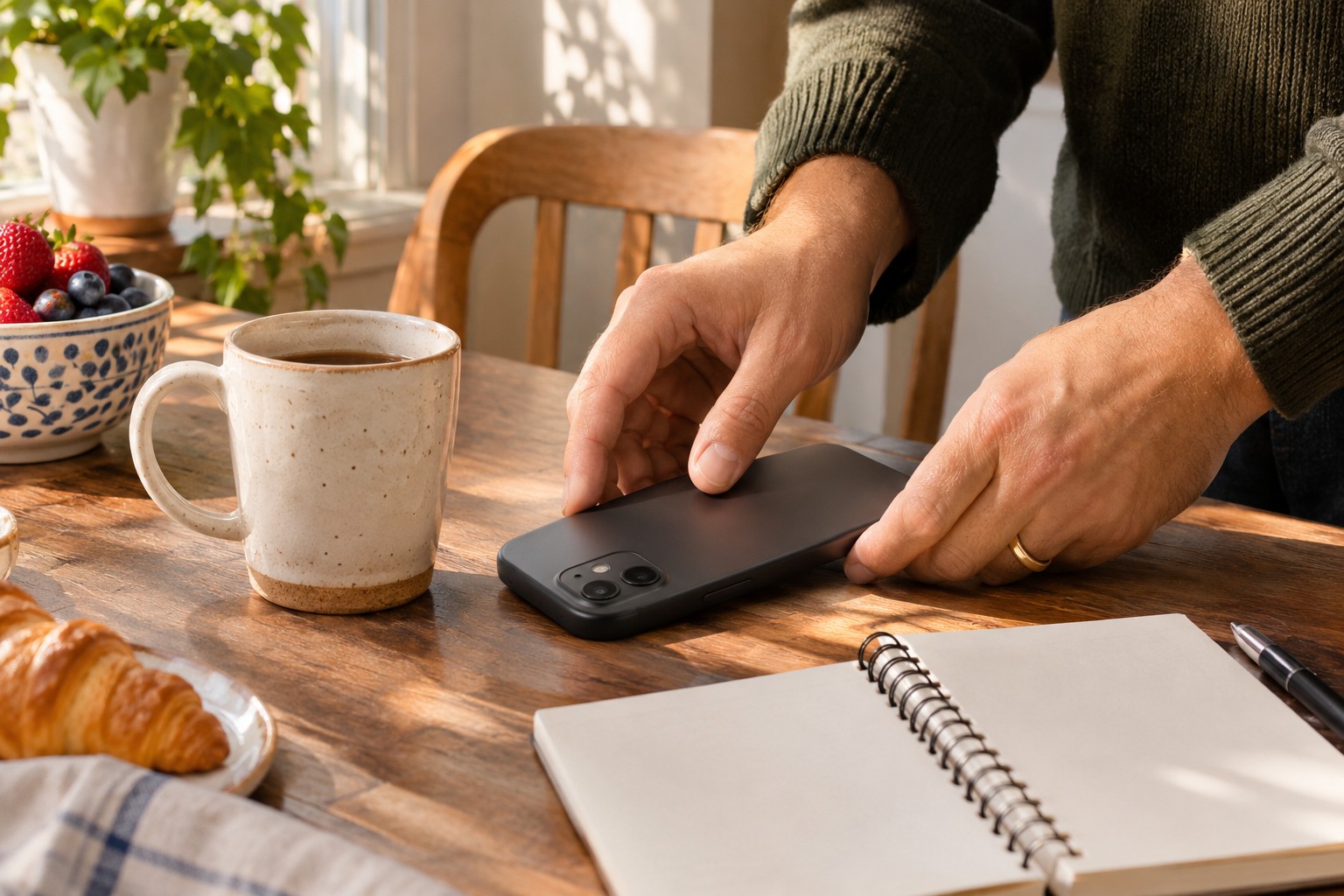
You do not have to rely on willpower every time an advertisement appears. Unsubscribe from promotional messages you rarely find useful. Turn off shopping notifications. Move shopping apps away from your home screen or remove ones that repeatedly draw you into browsing. These changes reduce the number of decisions you have to make during an ordinary day.
For in-store shopping, write your purpose before you leave home. If an unplanned item catches your attention, take a note and keep moving. You can decide later whether it belongs on your list. This gives room for discovery without requiring an immediate purchase.
Choose a response to the feeling that usually sends you shopping. If you are lonely, contact a friend. If you are worn out, pause for a meal or rest before browsing. These actions may not solve the deeper difficulty, but they can help you respond to the actual need. Our reflection on joy as a fruit of the Spirit offers another way to think about satisfaction beyond acquiring something new.
Practice Contentment with What You Already Have
Contentment does not require you to call a broken appliance useful or pretend your family lacks nothing. You can acknowledge a real need and still resist the idea that every new product will improve your life. Before buying, look again at what is available to you. Could something be repaired, borrowed, used differently, or enjoyed again?
Try one small practice: choose an item you already own and put it to use this week. Wear the clothes waiting in the closet, read the book on your shelf, or make a meal with ingredients you have. The point is to notice value that advertising may have pushed out of view.
Generosity can also help you think beyond what you want next. It should be thoughtful and within your responsibilities, rather than a way to punish yourself for shopping. Our article on what the Bible teaches about giving explores that outward focus. You can grow in receiving good things gratefully and sharing with others.
What If You Have Already Bought It?
Begin with the facts. Check whether you can return an unused item under the seller’s terms, whether a subscription needs attention, and what the purchase means for your next responsibilities. Avoid buying something else to escape the disappointment of the first decision. If shared money was involved, have an honest conversation with the person affected.
Then identify one change for next time. You might stop late-night browsing or review a wish list only on a chosen day. Lasting growth often involves ordinary choices repeated over time; our guide to living in obedience through everyday choices can help you approach that process patiently.
If shopping repeatedly feels beyond your control or causes serious distress and conflict, seek support from a qualified professional as well as someone trustworthy in your church. You do not need to wait until the situation becomes worse before asking for help.
Questions Christians Ask About Impulse Buying
Is Every Unplanned Purchase a Sin?
An unexpected purchase is not automatically sinful. You may discover a genuine need or find a suitable gift while doing something else. Consider your motives, honesty, resources, and responsibilities. The question is whether the choice is wise and faithful in this situation, not simply whether it appeared on yesterday’s list.
How Long Should I Wait Before Buying?
The Bible does not prescribe a waiting period. For a nonessential item, you could start with an overnight pause and allow more time for a larger decision. Adjust the habit to your circumstances. Necessary food, medicine, or an urgent replacement calls for a different response from a decorative item you have just seen online.
Can I Still Enjoy Buying Something?
Yes. Thoughtful enjoyment fits with gratitude. Plan for a purchase, receive it thankfully, and use it well. You do not have to buy everything you enjoy seeing. Sometimes noticing something beautiful without owning it is a useful practice of freedom.

A Prayer Before Your Next Purchase
Father, help me understand what I am reaching for when I want to buy something. Give me patience to pause, honesty about my responsibilities, and gratitude for what you have provided. Teach me to enjoy good things without asking them to give me my worth. Help me make today’s decisions with wisdom and love. Amen.
Continue Growing
These related articles offer further encouragement for your everyday walk with God:
- The 9 Fruits of the Spirit Explained
- How to Make Time for God in a Busy World
- The Power of Belonging to a Church Family