


You may be reading this because you just gave in to temptation, or because someone you love is struggling and you’re trying to understand what that means for their faith. Maybe you feel confusion, shame, or fear that a single failure proves God has abandoned you or that the enemy has finally won. Those feelings are real, painful, and deserve pastoral care—but they also deserve an honest, compassionate, and biblically faithful answer.
This article offers a careful, balanced teaching: yes—Christians can lose particular spiritual battles. You can yield to temptation, believe lies, act in fear, or neglect vigilance and suffer real consequences. But one or even several defeats do not mean the final war has been lost. Jesus has already defeated sin, death, and the devil decisively. The Bible calls you to repentance, restoration, and renewed resistance, not to despair or to cheap grace that excuses repeated sin. Read on for clear scripture-based teaching, real examples, practical recovery steps, and encouragement to stand again in God’s strength.

Can Christians Lose Spiritual Battles? The Short Answer
Short answer: Yes, you can lose particular spiritual battles. The New Testament warns believers that temptation, deception, and sin can overcome us when we are careless, proud, ignorant, or worn down. Scripture calls for vigilance, humility, and reliance on God’s grace to resist. At the same time, the Bible draws a vital distinction between temporary defeat in an individual struggle and Christ’s final, decisive victory over sin, death, and Satan.
Ephesians 6:10–18 (NIV) urges you to “be strong in the Lord” and to “put on the full armor of God” so you can stand firm—but the very need for armor implies ongoing struggle and the real possibility of falling short if you neglect these commands. Read Ephesians 6:10–18 (NIV) on BibleGateway to see Paul’s pastoral urgency and the pieces of godly protection he describes.
What Counts as a Spiritual Battle?
A spiritual battle is any conflict where spiritual realities—sin, temptation, deception, fear, pride, accusation, or spiritual oppression—shape decisions and outcomes. Not every difficulty is a spiritual attack; sometimes you face physical illness, natural consequences, or human conflict. But when your heart, conscience, or behavior is pressed by forces that point you away from God—temptations, lies about God’s goodness, or persistent patterns of sin—you’re in a spiritual fight.
The Bible locates spiritual battles in seasons of temptation (see 1 Corinthians 10:12–13 (NIV), in ongoing struggles with sin (consider Romans 7:21–25 (NIV), and in warnings to remain sober-minded because the adversary prowls like a lion (1 Peter 5:8–10 (NIV)). Understanding the nature of the battle helps you choose appropriate responses—prayer, confession, accountability, Scripture, and, sometimes, professional help.

Temporary Defeat Versus Christ’s Final Victory
It’s crucial to distinguish losing an individual fight from losing the overall war. Christ’s death and resurrection secured your ultimate victory over sin and death. Romans 8:1 (NIV) declares there is “no condemnation for those who are in Christ Jesus,” and Romans 8:31–39 (NIV) celebrates that nothing can separate you from God’s love. 1 Corinthians 15:57 (NIV) proclaims victory through Jesus.
But victory in Christ does not remove the reality of ongoing temptation. The Christian life is a journey of sanctification—being progressively transformed into Christ’s likeness. You will sometimes stumble. Proverbs 24:16 (NIV) notes that righteous people fall seven times and rise again. The Bible expects failure at times, but it calls you to respond with repentance, restoration, and renewed obedience rather than resignation or despair.
Biblical Examples of Believers Who Failed
Scripture gives honest portrayals of faithful people who fell—and how God responded.
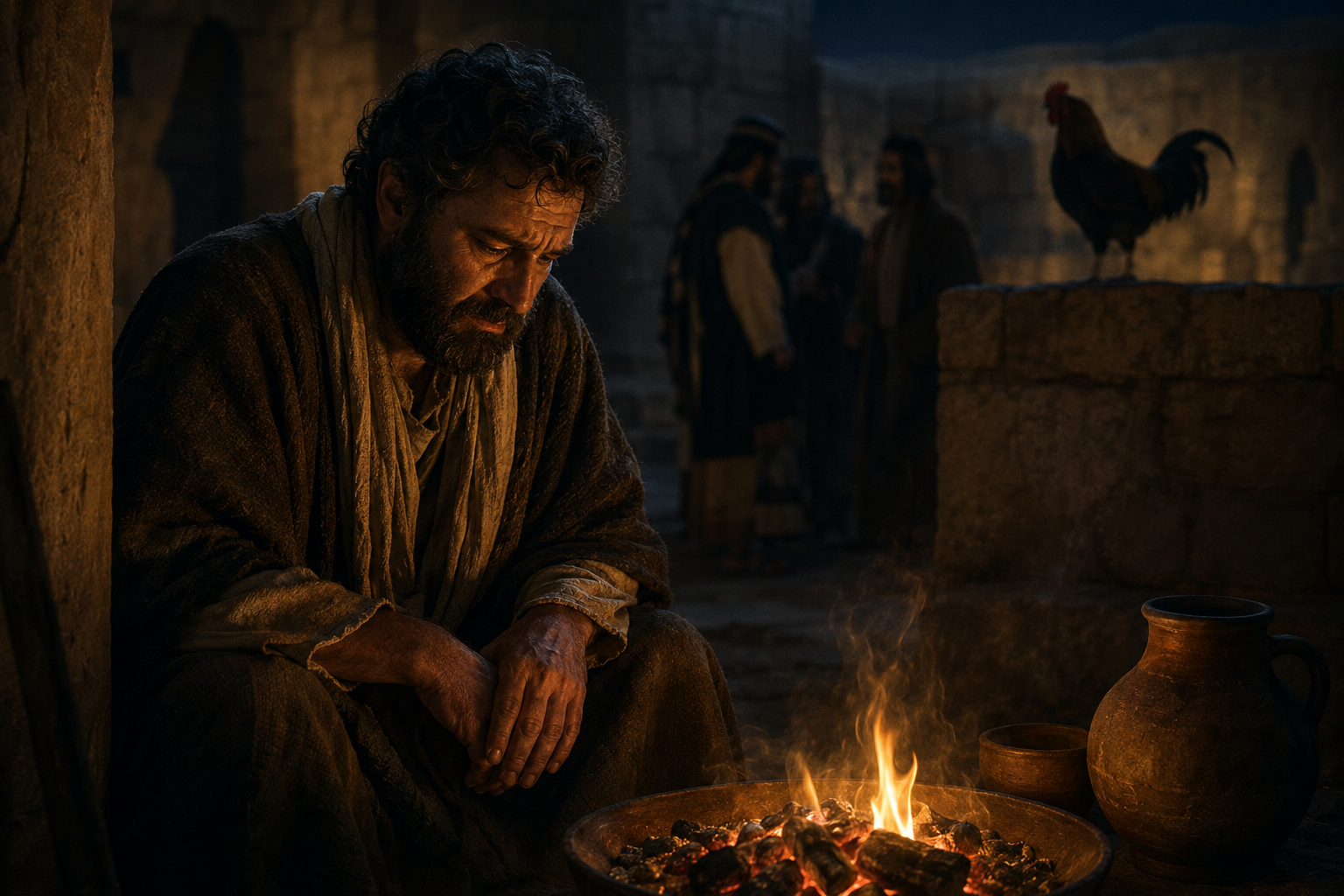
Peter’s denial and restoration: Peter famously denied Jesus three times in Luke 22:31–34 (NIV) and Luke 22:54–62 (NIV), yet Jesus later restored him and gave him pastoral responsibility (John 21:15–19 (NIV)). The story shows both the reality of personal failure and the pathway to restoration.
David’s grievous sin and repentance: King David’s adultery with Bathsheba and the murder of Uriah in 2 Samuel 11–12 (NIV) are among the Bible’s starkest moral failures. Yet Psalm 51 (NIV) models deep confession and contrition. David faced consequences, but God forgave and continued His covenant work.
Paul’s struggle with sin: Paul candidly describes inner conflict in Romans 7:21–25 (NIV). He doesn’t minimize the struggle but points to deliverance through Jesus Christ.
These narratives teach two things: Failure is possible for believers, and God’s mercy and restoration are real when you repent.
Why Christians Sometimes Lose Individual Battles
There are many reasons you may lose a spiritual battle. Some are internal, others are external, and often they interact.
- Neglect of spiritual disciplines. When prayer, Scripture, and fellowship with other believers slip, your defenses weaken.
- Pride and self-reliance. Believing you can handle temptations apart from God leaves you exposed.
- Deception and lies. The enemy works through distortions of truth; believing a lie about God or yourself can lead to destructive choices.
- Weariness and stress. Prolonged pressure, grief, or exhaustion lowers your vigilance.
- Unresolved sin patterns and wounds. Past hurts, addictions, or betrayals can create recurring vulnerabilities.
- Lack of accountability or wise boundaries. Isolation fosters secrecy; wise relationships provide corrective support.
Scripture warns against complacency (1 Corinthians 10:12–13 (NIV) and encourages humility and repentance James 4:7–10 (NIV). Recognizing the reasons for defeat is the first step toward a meaningful recovery.
What Spiritual Failure Can—and Cannot—Mean
When you surrender to sin, the consequences are real but limited in scope.
What Failure Can Mean
Broken relationships and trust. Sin often harms other people and your own witness.
Spiritual and emotional consequences. You may feel guilt, shame, or a dulled conscience.
Practical and sometimes legal fallout. Temptation can lead to choices that have tangible repercussions.
A call to repentance and restoration. Failure creates opportunities for deeper dependence on God and renewed obedience.
What Failure Cannot Mean
It does not necessarily mean God has abandoned you. Hebrews 4:14–16 (NIV) invites you to approach the throne of grace with confidence, not despair.
It does not automatically mean your salvation is revoked. While this article avoids denominational debates about eternal security, Scripture reassures believers of God’s steadfast love (Romans 8:31–39 (NIV)). Still, you must not use assurance as a license to persist in sin without repentance; persistent, unrepentant sin is serious and addressed elsewhere in Scripture.
It does not mean Satan has won the final victory. Christ’s resurrection secured that ultimate victory (1 Corinthians 15:57 (NIV)).
In short: Failure is serious and needs redemptive action, but it is not the end of the story when met with genuine repentance.
How to Recover After a Spiritual Defeat
Recovering is both spiritual and practical. Below is a restoration pathway you can follow step by step. These actions are simple to state but can be difficult in practice—so take them one obedient step at a time.
Stop hiding. Acknowledge the failure to yourself and before God. Hiding compounds shame and allows the pattern to continue.
Confess honestly to God. 1 John 1:9 (NIV) promises that if you confess your sins, God is faithful and just to forgive and cleanse you.
Receive Christ’s forgiveness. Believe the gospel that covers your failure and frees you from endless self-condemnation (Romans 8:1 (NIV)).
Make restitution where necessary. Repair relationships and correct wrongs as you are able, following biblical principles of repentance.
Identify the trigger and the lie. What led you into sin? What falsehood did you believe about God, yourself, or others? Pinpointing the error helps prevent repeat falls.
Return to Scripture and prayer. Let God’s Word renew your mind and reframe the lie with truth. Hebrews 4:14–16 (NIV) encourages you to approach Jesus for mercy and grace.
Involve a mature, trustworthy Christian. Galatians 6:1 (NIV) instructs you to restore someone caught in sin gently and with humility. You need compassionate correction and accountability.
Establish wise boundaries and rhythms. Remove temptation where possible and create structures that protect you—online filters, accountability partners, and safe times and places for prayer.
Take the next obedient step. Faith is restored through small acts of obedience—show up to church, pray a short, honest prayer, or meet with an accountability partner.
These steps are not a formula for perfection but a recovery pathway grounded in grace and truth. If you need a concise checklist, keep these key actions in view: confess, accept forgiveness, restore, renew, involve others, and set boundaries.
How the Armor of God Helps Us Stand Again
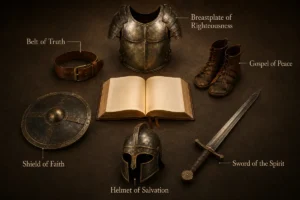
Ephesians 6:10–18 (NIV) is Paul’s pastoral strategy for Christian resilience. He begins by telling you to “be strong in the Lord and in his mighty power,” then lists spiritual “armor” pieces: the belt of truth, breastplate of righteousness, shoes of the gospel, shield of faith, helmet of salvation, and the sword of the Spirit (the Word of God). Paul concludes with a call to prayer.
Each element addresses a specific vulnerability:
- Truth combats deception; a rightly formed conscience and saturated mind resist lies.
- Righteousness protects your heart; living by God’s standards reduces moral drift.
- Readiness with the gospel steadies your footing when fear tempts you to flee.
- Faith as a shield quenches the enemy’s fiery darts—doubts, accusations, and temptations.
- The helmet of salvation guards your thinking about identity and future hope.
- The sword of the Spirit—Scripture—both defends and advances against falsehood.
You can learn to “put on” the armor by practicing spiritual disciplines. Regular Bible reading and memorization equip your mind with truth; prayer and corporate worship strengthen faith; confession and accountability keep your heart honest. See more on the full armor of God and why you should put on the armor of God every day.
If faith feels weak, remember that the armor is given to you—this is not about mustering willpower alone. You are called to rely on God’s power as you wear His armor daily.
How to Develop Greater Spiritual Endurance
Endurance grows through discipline, community, and dependence on the Spirit. You develop stamina by consistent, small practices that shape your heart.
- Daily Scripture and prayer rhythms. A few minutes every day are better than occasional long sessions. Scripture rewires your mind over time; prayer cultivates reliance.
- Sabbath and rest. Physical and spiritual exhaustion make you vulnerable. Regular rest is a discipline that nurtures resilience.
- Community and accountability. Regular fellowship, confession, and mutual encouragement give you external support when internal strength wanes. Galatians 6:1 (NIV).
- Training the body and mind. Healthy habits—sleep, exercise, nutrition—help you resist temptation. Spiritual warfare is not only spiritual; it involves your embodied life.
- Practicing small acts of obedience. Obedience forms muscle memory for holiness. Over time, small decisions of faith make larger ones easier.
- Learning from setbacks. Use failures as diagnosis, not identity. What patterns emerged? What boundary was missing? Let past mistakes inform new strategies.
Growing endurance is less about dramatic breakthroughs and more about steady, faithful habits that keep you in God’s presence and under the gospel’s shaping power.
When Repeated Struggles Require Additional Help
Some struggles recur despite sincere efforts: addictions, trauma responses, mental-health conditions, and domestic abuse situations often require professional or specialized help. If you find yourself repeatedly losing the same battle, consider additional resources.
- Pastoral care and discipleship. A wise pastor or mature Christian counselor can help diagnose spiritual and relational patterns.
- Christian counseling or therapy. Licensed counselors can address underlying causes like trauma, anxiety, or chemical dependency.
- Medical and psychiatric support. Some situations benefit from medication or specialized treatment alongside spiritual care.
- Support groups and recovery programs. Groups offer community and practical tools for change.
Seeking help is not spiritual defeat. James 5:14–16 (NIV) (noted elsewhere in Scripture) encourages mutual confession and prayer, and Galatians 6:2 (NIV) calls you to carry each other’s burdens. Professional help and pastoral care are part of God’s provision for healing and restoration.
If you’re unsure where to start, ask a trusted pastor or counselor for referrals. Remember: bringing your struggle into the light is often the beginning of real freedom.

A Short Prayer After Spiritual Failure
If you’d like to pray now, try this honest, simple prayer:
Heavenly Father, I confess my failure. I am sorry for [name the sin]. Thank You that in Christ there is forgiveness. Help me to receive that mercy, to make things right where I’ve hurt others, and to turn from the lies that led me here. Strengthen me to put on your armor, guide me by your Spirit, and bring trustworthy people near me. Restore what I have lost and help me stand again in Jesus’ name. Amen.
This prayer is not a magic formula; it’s a faithful posture—confession, gratitude, dependence, and commitment—that aligns your heart with God’s restorative work.
Frequently Asked Questions
Can a Christian be spiritually defeated? Yes. You can be defeated in particular battles—give in to temptation or act in fear—but defeat in a specific struggle is not the same as the final outcome in Christ. The Bible calls believers to repentance and restoration after failures (see Galatians 6:1 (NIV)).
Does failure mean I am not saved? Not necessarily. Scripture reassures believers of God’s saving work (Romans 8:1 (NIV)), but it also warns against willful, unrepentant sin. If you’re worried about your salvation, talk with a pastor or mature Christian and examine your heart’s turning toward Christ.
Will God forgive repeated failure? Yes, when you genuinely repent and seek God’s mercy. 1 John 1:9 (NIV) promises forgiveness for confessed sin. That said, forgiveness is not a license to continue sinning without change; genuine repentance includes a reorientation of life.
How do I recover from a spiritual defeat? Stop hiding, confess to God, accept forgiveness, make restitution, identify triggers and lies that led to sin, return to Scripture and prayer, involve a trusted brother or sister in Christ, set boundaries, and take one obedient step of faith. Galatians 6:1 (NIV) guides gentle restoration.
Why do I keep losing the same battle? Habitual struggles often involve deeper issues—wounds, addiction, patterns of thinking, or lack of accountability. They may require professional help, counseling, and sustained community support. Seeking help is wise and biblical.
When should I seek help? If a struggle is persistent, worsening, harming others, or connected to mental health or trauma, seek pastoral and professional help. Persistent failure that you cannot break through alone is a sign to involve the church and qualified professionals.
Continue Growing in the Armor of God
Keep learning and practicing the armor of God. Here are some resources to guide your next steps:
- The Full Armor of God in Daily Life: Real Examples for Modern Christians
- Why God Gives Us the Armor of God: Understanding Its Purpose
- Bible Verses About Spiritual Warfare for Strength and Victory
These resources can help you apply the Ephesians passage practically and steadily. If you want a brief primer on confronting lies and taking practical steps, consider reading more about what the Bible says about spiritual warfare. If you’re wondering about specific temptations, see this guide to common spiritual attacks Christians face. And when you need encouragement to resist, remember the call to stand firm against the devil and to rely on the shield of faith and helmet of salvation that God gives.
Near the conclusion of your recovery, reflect on why God gives us spiritual armor—not to make you self-sufficient, but to train you to rely on Him and protect your witness in the world.
Closing Encouragement
You are not defined by your worst moment. The gospel announces both the seriousness of sin and the depth of God’s mercy. The Bible does not minimize failure, but it offers a way back: confession, forgiveness, practical restoration, and the ongoing work of the Spirit to make you more like Jesus.
If you feel overwhelmed, start with one small step: speak honestly with God, confess this sin, and ask Him for strength to take the next obedient action. Find one trustworthy person to walk with you. Remember the words of Scripture: there is hope, mercy, and power for the journey ahead (Romans 8:31–39; Hebrews 4:14–16.
Short Prayer of Confession, Gratitude, and Surrender
Lord Jesus, I confess where I have failed. Thank You that Your blood covers my sin and that Your Spirit helps me walk in newness of life. Give me wisdom, humility, and courage to put on Your armor and to stand firm. Use this defeat to teach me dependence and to draw me closer to You. Amen.