

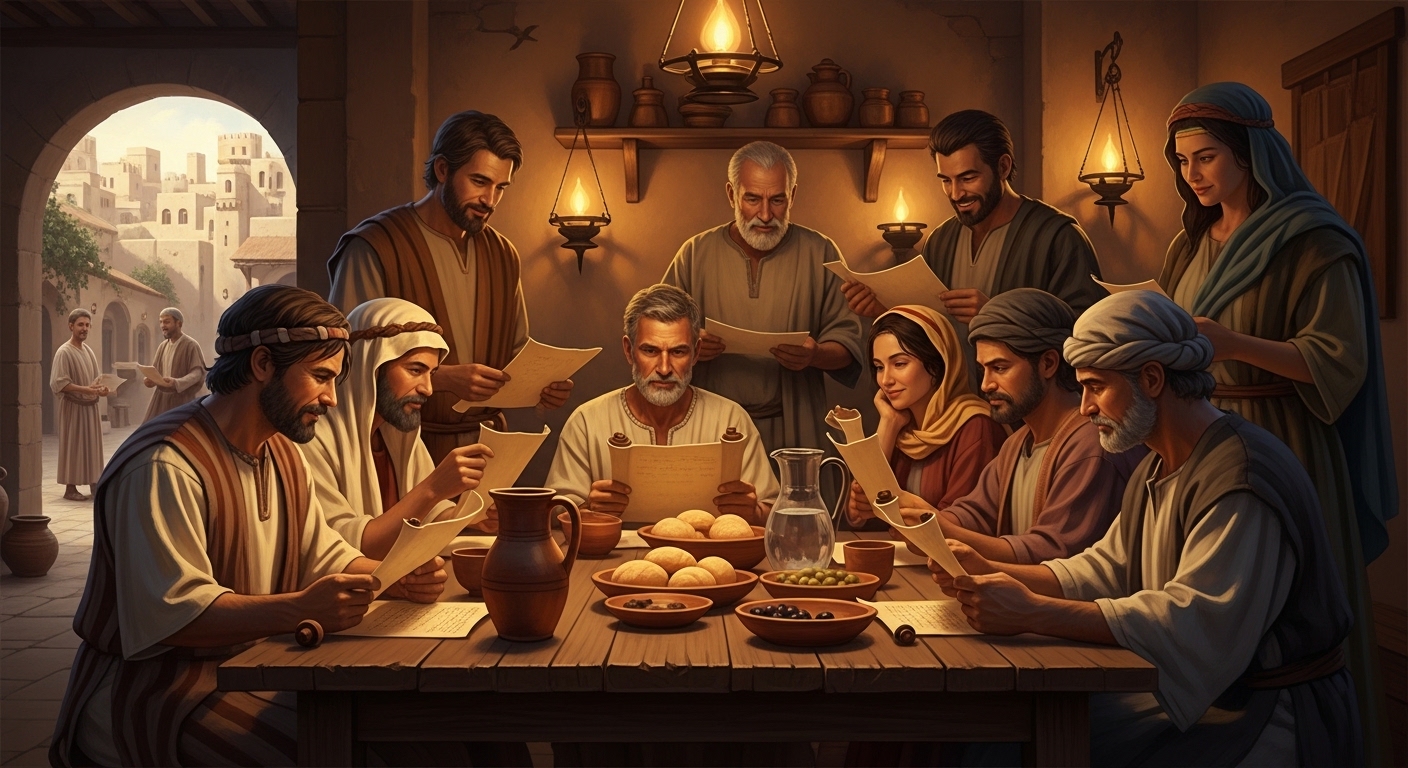
Most Christians today think of church as a weekly event: you go on Sunday, maybe attend a small group, and otherwise live your weekday life largely apart from corporate worship. But when you read the opening portrait of the church in Acts, you see something different. Right after Pentecost the first believers didn’t simply “attend church” once a week — they lived it. Their faith reshaped daily rhythms, relationships, meals, work, and witness. If you want to see the blueprint for communal Christian life, you’ll want to sit with Acts 2:42–47 closely.
Read the passage here: Acts 2:42–47
Below you’ll find an explanation of what the early church actually did, why it mattered then, and what it might mean for your discipleship today. This is practical, biblical, and aimed at helping you see how the Spirit shaped a people, not just a program.

Acts 2:42–47 — The Foundation of Early Church Practices
The snapshot in Acts 2:42–47 functions like an introduction to the rest of the book of Acts. It names the core activities that stitched the community together: teaching, fellowship, breaking bread, and prayer. Each of these phrases is short, but each points to a whole world of day-to-day life. When you read the passage in context — just after the coming of the Spirit at Pentecost (see Acts 2:1–4) — you notice that the Spirit didn’t simply produce emotional experiences. He produced a people who formed habits around truth, companionship, worship, and dependence.
The rest of Acts repeatedly shows how those habits played out: believers shared goods, gathered in homes, prayed together, and trusted God for growth. So when you ask, “What did the early church do every day?” Acts gives you a list that’s practical and theological at the same time.
Why this passage matters for you
When you read Acts 2:42–47, you’re not just reading a history lesson. You’re reading a portrait meant to form disciples. This text shows you how teaching shapes convictions, how fellowship girds your faith in hard times, how eating together makes faith ordinary, and how prayer makes dependence constant. In short, Acts shows you a way of life rather than just a meeting schedule. That matters because following Jesus is meant to affect the whole of your life, not just an hour each Sunday.
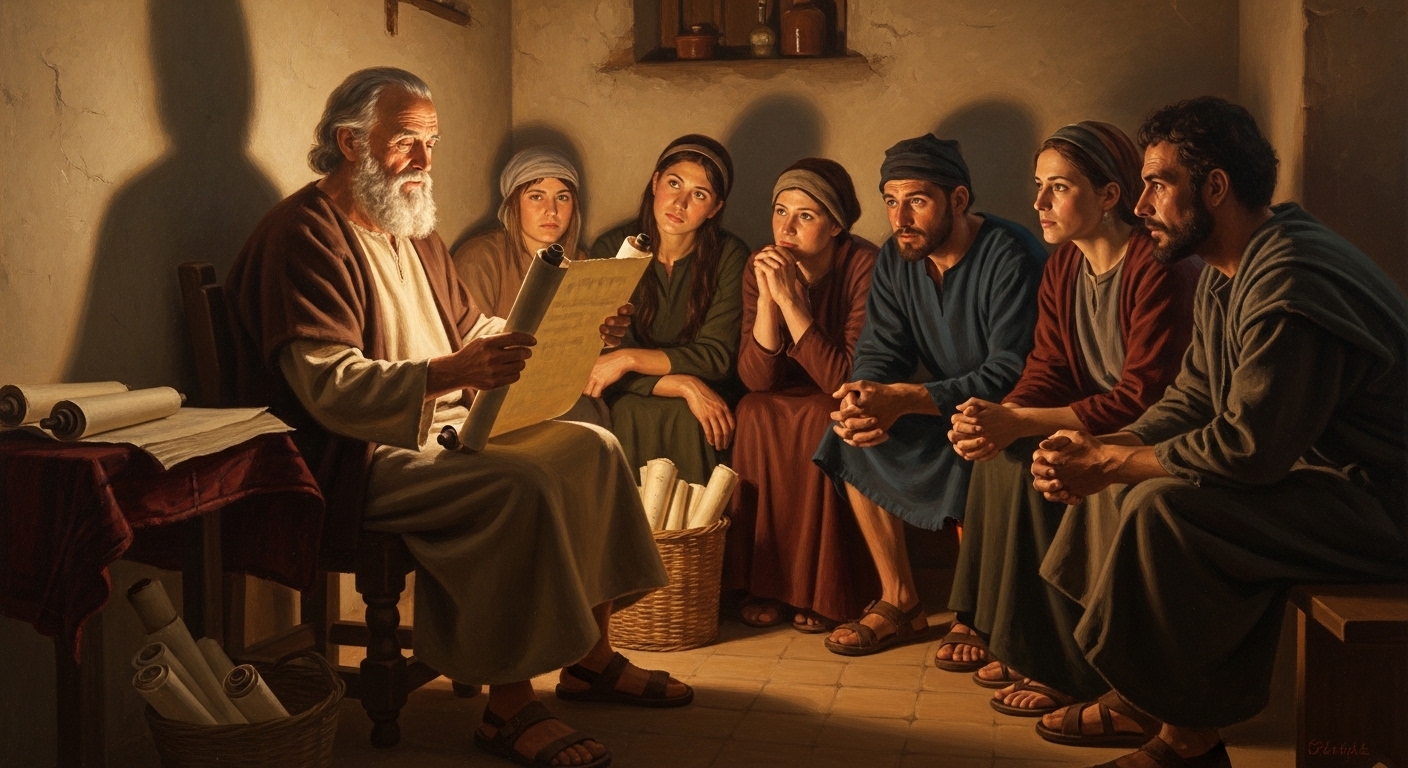
Teaching: Truth-Focused Faith
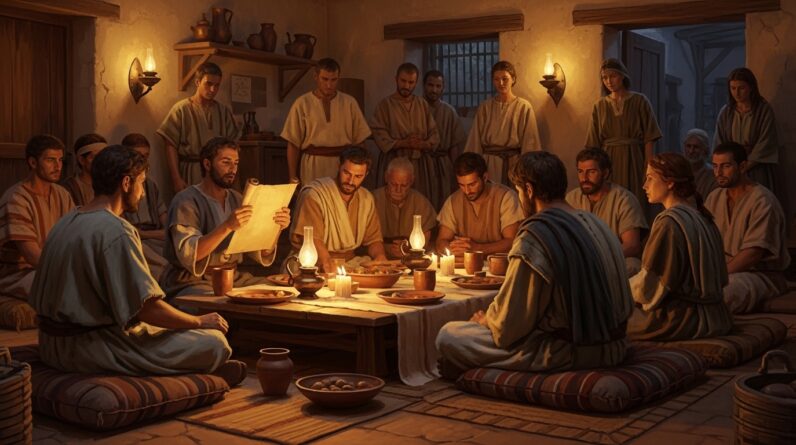
The first practice listed is “devoted themselves to the apostles’ teaching.” Teaching in the earliest church wasn’t casual or vague. It was anchored in eyewitness testimony — people who had walked with Jesus and received the Spirit to guide and confirm their message. You can think of apostolic teaching as both content (the gospel, the life and resurrection of Jesus, ethical demands, and hope) and method (public instruction, catechesis, and discipleship).
When you make teaching central, you’re building on a stable foundation. You learn what Jesus died and rose for, why sin matters, how the Spirit transforms, and what the mission looks like. That kind of clarity produces a confident, patient, and courageous church.
What this means for your daily life: prioritize learning. That could look like regular Bible reading, listening to faithful preaching, participating in a study group, or being mentored by someone who’s walked with the Lord longer than you have. Teaching keeps faith honest and your life shaped by truth rather than trends.
Fellowship: Real Community
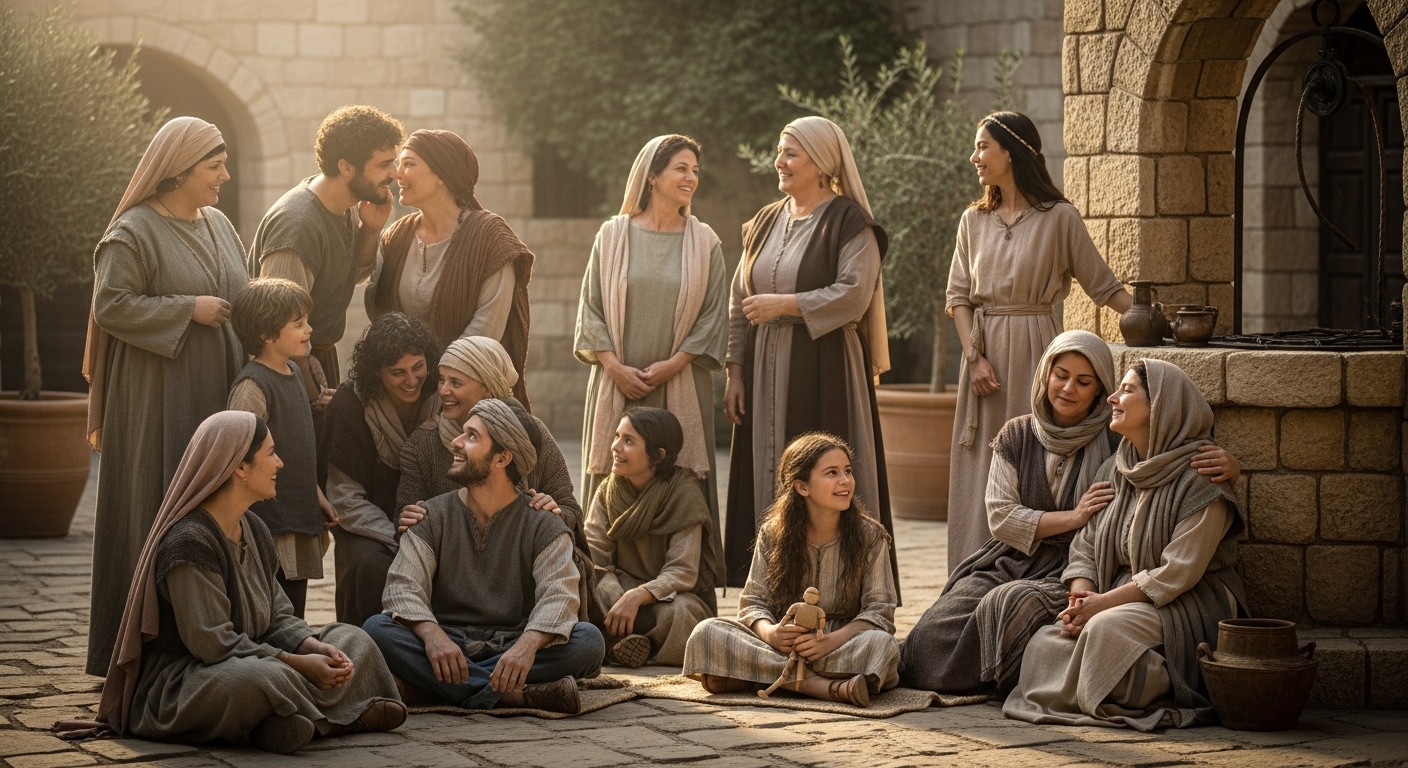
“To the fellowship” is a short phrase, but it describes a deep way of living together. Fellowship (koinonia in Greek) expresses mutual belonging. The early church’s fellowship wasn’t limited to Facebook messages or monthly potlucks. It involved shared life, mutual encouragement, bearing one another’s burdens, and spiritual accountability.
You will notice that fellowship in Acts was practical. People lived out their faith together: they ate together, prayed together, and provided for one another. This kind of community guarded against isolation and sin, and it made daily faith sustainable. When you’re surrounded by people who know your struggles, pray for you, and call you back to the gospel, spiritual growth happens more naturally.
What this means for you: invest in friendships that go beyond surface-level. Invite people into your daily rhythms. Be the kind of friend who listens, prays, and speaks truth in love.
Breaking Bread: Worship and Daily Life
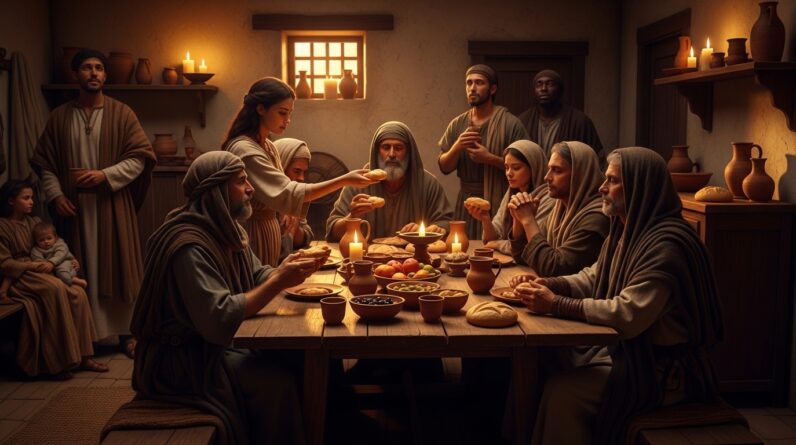
When Acts mentions “breaking bread,” it does so with a wide net. That phrase encompassed regular meals, hospitality, and the Lord’s Supper. In the first-century Mediterranean world, eating together sealed relationships. In the early church, eating together became an expression of worship, where the ordinary act of sharing a meal connected directly to remembering Jesus’ sacrifice and presence.
You see the integration of worship and life here: worship frames ordinary things like a shared pot of food. So faith didn’t live only in a sanctuary; it permeated the kitchen, the dining room, and the street. Communion (the Lord’s Supper) was practiced in the context of those meals, not as an isolated liturgical moment separate from life.
What this means for you: welcome others to your table as a spiritual practice. Treat meals as moments of formation, sacrament, and mission. When you break bread with others, you’re embodying the gospel in an ordinary, powerful way.

Prayer: Constant Dependence on God
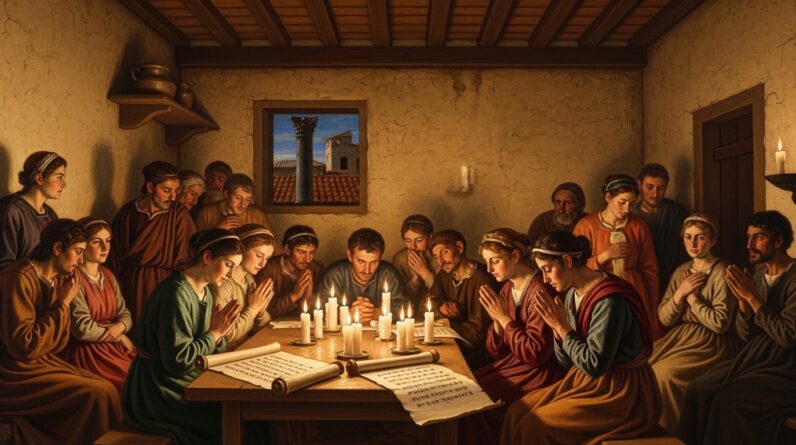
The early church “devoted themselves to prayer.” Prayer was not a religious afterthought; it was essential. It shaped decision-making, sustained waiting, and released God’s power among the community. In Acts, you consistently see prayer before big steps, during crises, and in daily life. Prayer was both private and corporate, spontaneous and structured.
For you, cultivating a prayer life means more than dutiful recitation. It’s living under God’s lordship, bringing needs and praises to him, and listening for his direction. The early church’s prayerful dependence fueled courage in persecution, wisdom in ministry, and joy in witness.
What this means for you: build habits of prayer — individually and with others. Pray to begin your work, to seek wisdom in decisions, and to celebrate what God is doing.
Daily Gatherings: More Than a Weekly Meeting
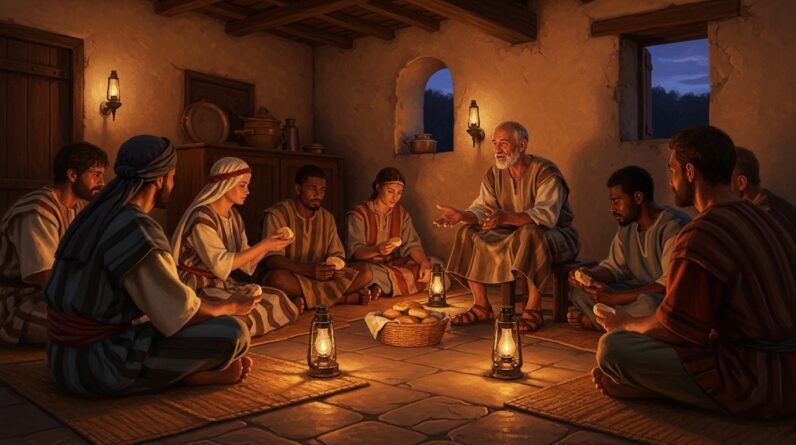
One of the most striking elements in Acts is how often believers met. The text and the larger narrative show gatherings in homes and communal spaces with frequency that goes beyond once-a-week attendance. These were not primarily programmatic meetings designed for consumer comfort. They were regular acts of a people who had been transformed and lived as a visible community.
Meeting daily meant mutual accountability, shared study, communal prayer, and visible witness. Houses were the primary venue, which made the church intimate, hospitable, and flexible. Small gatherings allowed for teaching, encouragement, and the exercise of spiritual gifts in ways that large auditorium-style meetings often do not.
What this means for you: consider how often and intimately you engage with other believers. Could your faith be formed more fully if you met more regularly in home settings? What would it require for you to prioritize smaller, consistent gatherings?
Radical Generosity: Sharing Possessions
Acts emphasizes that believers shared possessions and provided for those with need. This wasn’t simply optional charity; it was part of the identity of the community. Generosity flowed out of a conviction that everything ultimately belonged to God and a trust that he would provide for each person.
The example in Acts 4:32–35 shows the radical nature of their sharing: people sold property, laid proceeds at the apostles’ feet, and distributions were made to anyone in need. That level of sacrificial generosity softened the edges of poverty, modeled Gospel economics, and displayed a countercultural trust in God.
Read the example here: Acts 4:32–35
What this means for you: generosity is more than occasional giving. It’s a lifestyle where you view possessions as resources to bless others, advance the gospel, and build up the community. Ask where God is calling you to be more sacrificial and practical in your giving.

Public Favor and Powerful Witness
Because of how the early Christians lived, they enjoyed a measure of favor and curiosity from the public. Acts 2 notes that “the Lord added to their number daily those who were being saved,” and later chapters describe how miracles, integrity, and visible care drew people to the message. Their distinctive way of life — honest, generous, prayerful, loving — made an evangelistic case before they ever preached a sermon.
This is crucial for you to notice: witness often comes through character before words. When your life coheres with your message — when your love, generosity, and holiness match the gospel you proclaim — people pay attention. The early church’s witness was attractive because it was authentic.
What this means for you: live visibly in ways that match your proclamation. Let your ordinary life testify to the reality of Christ’s transforming power.
God-Driven Growth: Reliance, Not Strategy
Acts repeatedly attributes growth to the Lord’s work: “the Lord added to their number daily” is a reminder that the Spirit is the ultimate agent of conversion. The church’s faithful practices created the soil, but God brought the increase. This balance matters: you are called to be faithful and to labor, but the results rest in God’s hands.
Read how the Lord added to them here: Acts 2:47
For you, this means your mission involves both obedience and humility. You work, pray, and witness, but you trust God for the fruit. That keeps you from performance-driven religion and invites dependence.
What Many Miss About Early Church Practices
When people romanticize Acts, they sometimes miss important features. The early church was not primarily institutional, program-driven, or spectator-based. Its strength lay in relationships, daily rhythms, and Spirit-led obedience. Sometimes modern churches adopt the language of programs and consumption that the earliest church did not know.
You should avoid two errors: first, assuming you must replicate Acts perfectly in form (culture, context, and details differ); second, missing the principles that undergird Acts: truth-saturated teaching, committed fellowship, sacrificial sharing, constant prayer, and daily witness. Those principles can be expressed in many cultural forms without losing their essence.
What this means for you: extract principles rather than copying cultural forms. Ask how truth, fellowship, worship, prayer, and generosity can be incarnated in your context.
The Bigger Picture: Persecution Didn’t Stop the Practices
Even when persecution struck — for example the stoning of Stephen — the early practices continued and even became channels for spreading the gospel. After Stephen’s death, believers were scattered and, as a result, the message went everywhere. In other words, hardship did not erase the community’s habits; it stretched them into new contexts.
See the account of Stephen and the scattering here: Acts 7:54–60 and Acts 8:1
For you, that means your practices can persist and even flourish under pressure. The Spirit’s presence and the habits of the community can be a resilient witness, not a fragile program.
Applying Acts 2:42–47 to Your Life
Reading Acts should lead you to action. Here are practical questions to help you apply what you’ve read. Answer them honestly and let the Spirit guide the next steps.
- Are you practicing faith daily or mainly weekly? Consider how your mornings, meals, and work can be touched by prayer, scripture, and gospel-centered conversation.
- Are you in a genuine community?A Real fellowship costs time, emotion, and vulnerability. Identify one or two people you can share burdens with and who will speak truth into your life.
- Are you hospitable in a sacrificial way? Invite someone you don’t know well over for a meal. Hospitality is evangelism and discipleship.
- How generous are you? Think beyond church offerings. Look for needs in your neighborhood, friendships, and local ministries.
- Do you pray corporately? Join or start a regular prayer group where people can pray for one another, for mission, and for wisdom.
- Are you missionally minded in daily life? Look for ways your work, family, and neighborhood can be missional contexts rather than neutral zones of faith.
Each of these is a small, faithful step that reflects the larger pattern of Acts.
Common Objections and Helpful Clarifications
You might raise objections: “We live in a different era — how realistic is it to expect daily gatherings?” or “Can contemporary churches practically share possessions like in Acts?” These questions are fair.
The helpful clarifications are: Acts describes principles more than a rigid schedule. You likely won’t copy first-century family structures, but you can embody their generosity, hospitality, dependence on teaching, and prayer. The early church’s priorities are transferable even if forms shift. Strategic planning and thoughtful leadership can help you adapt these practices to modern life without losing their essence.
Practical Steps You Can Take This Week
If you want to begin living more like the early church starting now, try three practical, doable steps you can take this week: prioritize a longer time in Scripture (read a chapter of Acts slowly and pray through it), invite someone to share a meal and a spiritual conversation, and join or start a short-term prayer rhythm (15–30 minutes once or twice a week). These small habits, repeated, will start to reshape your days.
Resources for Further Study
If you want to dive deeper, read Acts chapter-by-chapter and notice recurring patterns: prayer before major decisions, the spread of the gospel through homes, and the consistent pairing of proclamation with practical care. Also consider reading trustworthy commentaries, listening to sermons on Acts, and participating in house churches or home-based small groups to experience the dynamics firsthand.
For key passages mentioned above:
- Pentecost and the Spirit: Acts 2:1–4
- Sharing possessions: Acts 4:32–35
- Signs, wonders, and public witness: Acts 5:12–16
- Stephen and persecution: Acts 7:54–60 and Acts 8:1
Conclusion: Christianity as a Way of Life
Acts invites you out of a consumer mindset and into a way of life. The early church’s rhythms show you that following Jesus shapes your daily meals, friendships, speech, finances, and prayers. You are called to live a faith that is visible, communal, teachable, hospitable, and dependent on God.
The early believers didn’t just attend church — they were the church. You can live that reality today in your own context by embracing the practices Acts highlights and asking the Holy Spirit to make your life a faithful witness to Jesus.
Early church practices remind us:
👉 Christianity isn’t just something you attend—it’s something you live.
📖 CONTINUE LEARNING
→ Early Church Explained
→ Pentecost Explained
→ House Churches Explained
→ Early Church Persecution
A Closing Prayer
Lord, give you a hunger for truth and a love for the people around you. Ask the Spirit to shape your daily rhythms so that teaching, fellowship, breaking bread, and prayer become natural parts of your life. Help you to be generous, to welcome others, and to trust God for growth. May your life reflect the power of the gospel so that others are drawn to Christ. Amen.